
Olive Trees at Tivoli — History & Facts
Could a single brushstroke hold eternity? In Olive Trees at Tivoli, the essence of silence envelops the viewer, inviting contemplation of nature's profound serenity. Look to the right at the gnarled trunks of the olive trees, their textured bark capturing the gentle caress of light. The soft greens and muted earth tones harmonize, creating a tranquil palette that reflects the quietude of the Italian landscape. Notice how the brushstrokes vary in their intensity, with some areas delicately layered while others remain almost translucent, inviting you to explore the depths of each tree and the quiet whispers of the wind. In this work, contrasts abound—the solidity of the trees against the airy sky, the vibrant hues subtly intermingling with the muted shadows.
Each stroke seems a meditation on permanence amidst the transience of nature. The silence captured here speaks volumes, suggesting a moment of introspection where the viewer can contemplate their place in the vastness of time and space. George Inness painted Olive Trees at Tivoli in 1873 during a transformative period in his life, having recently embraced a philosophy that valued the emotional and spiritual connection to nature. At this time, he was fully immersed in the American landscape movement, drawing inspiration from European styles while seeking to express deeper meanings through his art.
His exploration of light and atmosphere marked a departure from traditional realism, setting a tone that would influence future generations.
More Artworks by George Inness
Browse all →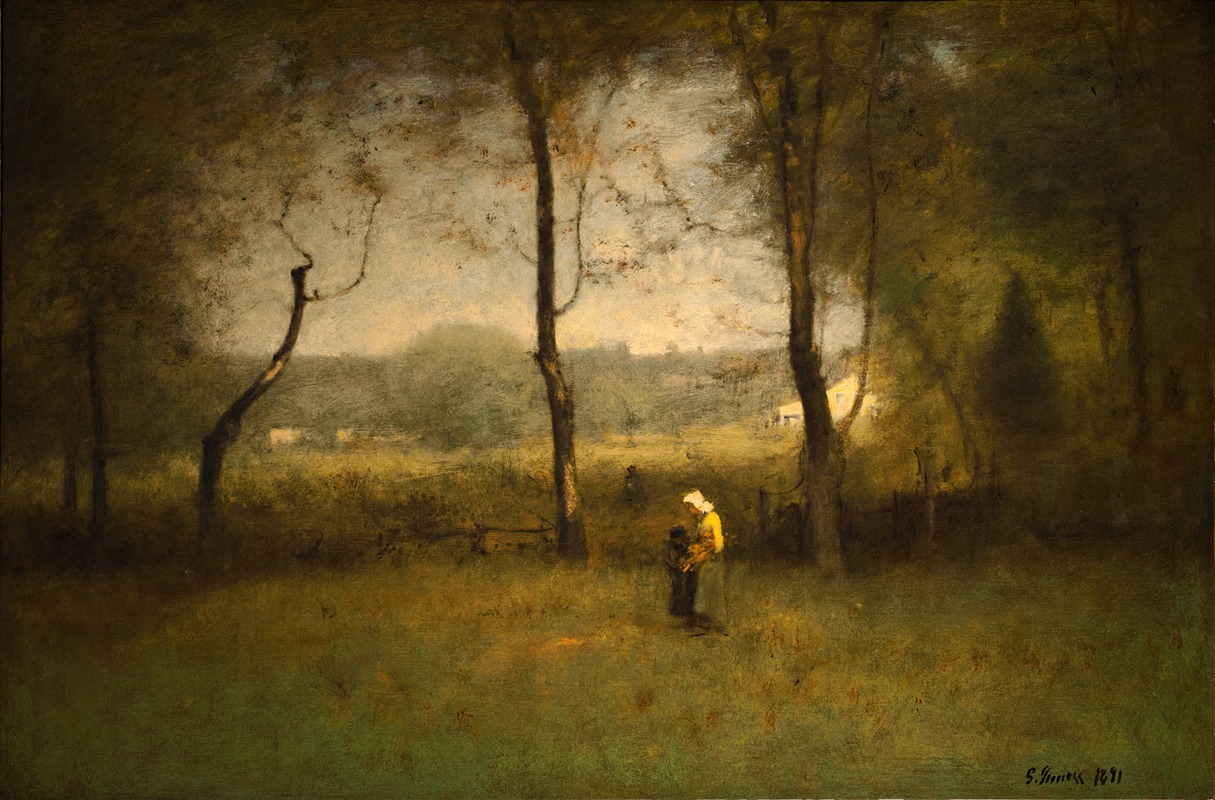
Autumn Woods
George Inness
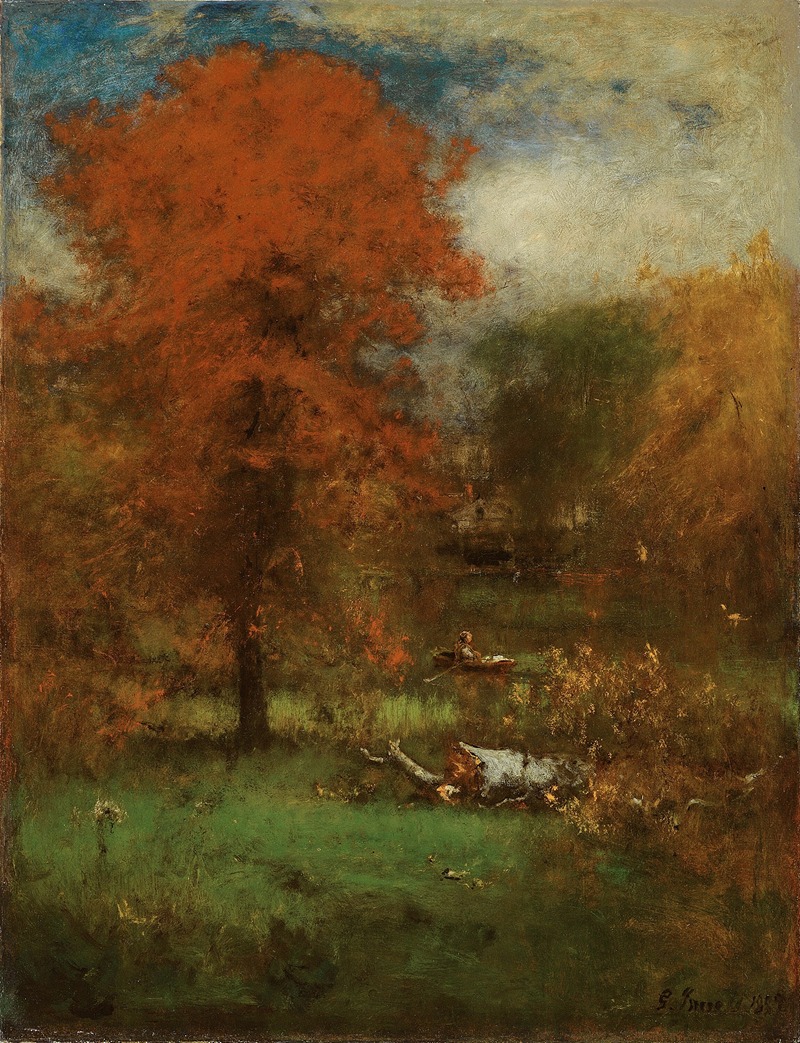
The Mill Pond
George Inness
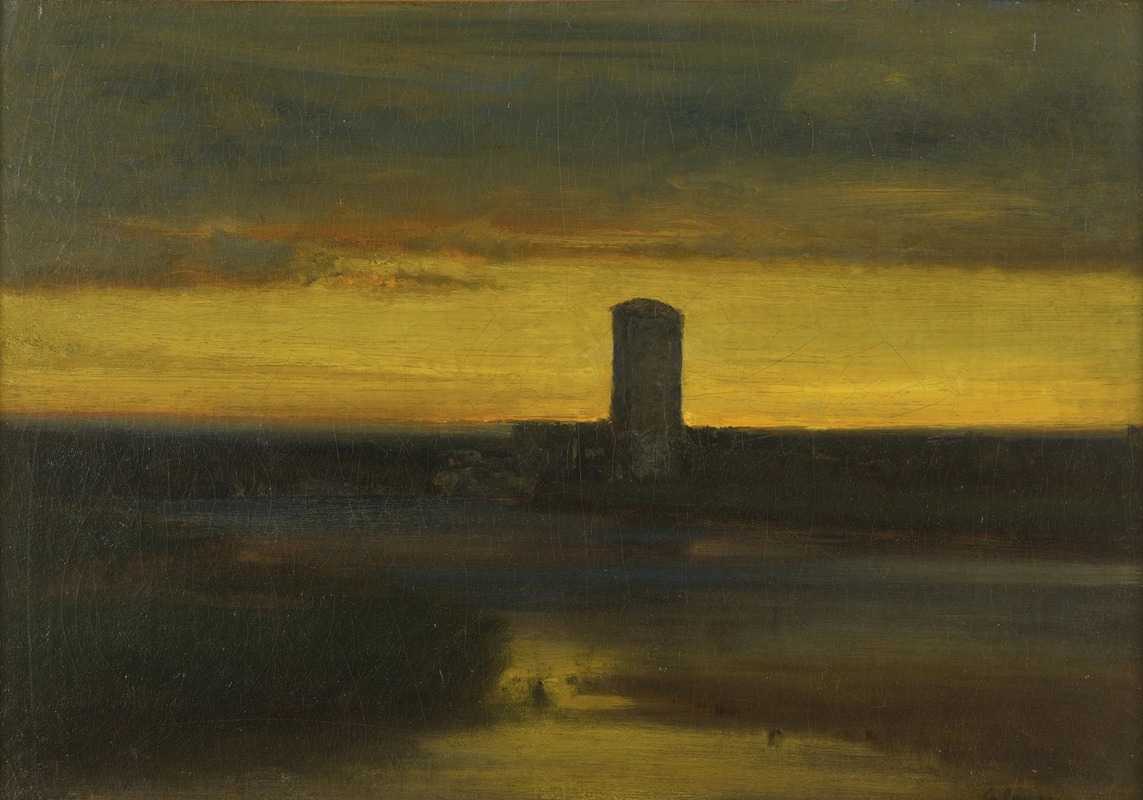
Afterglow
George Inness

Landscape (Evening Landscape)
George Inness

Montclair
George Inness

View in Berkshire County, Massachusetts, Clearing Off after a September Storm
George Inness

October
George Inness
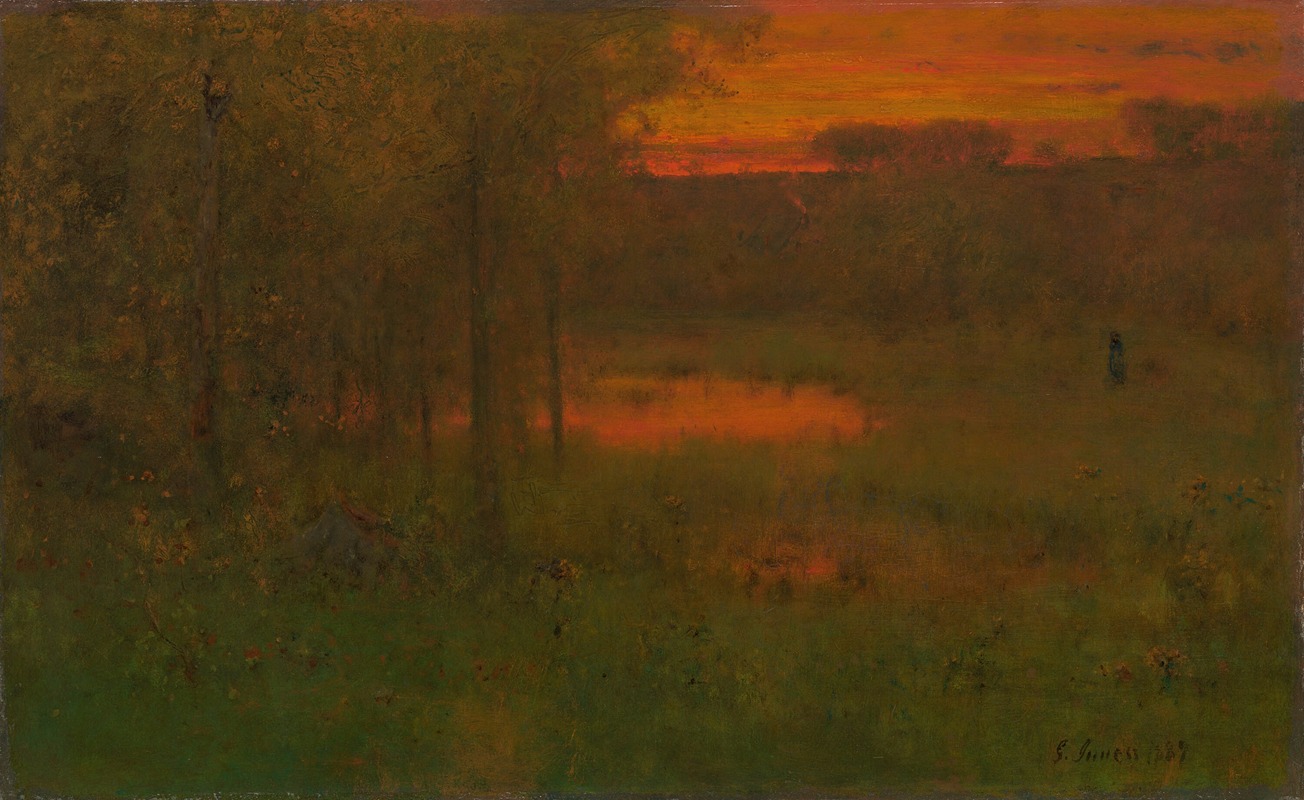
Landscape, Sunset
George Inness
Afterglow
George Inness
Catskill Mountains
George Inness





