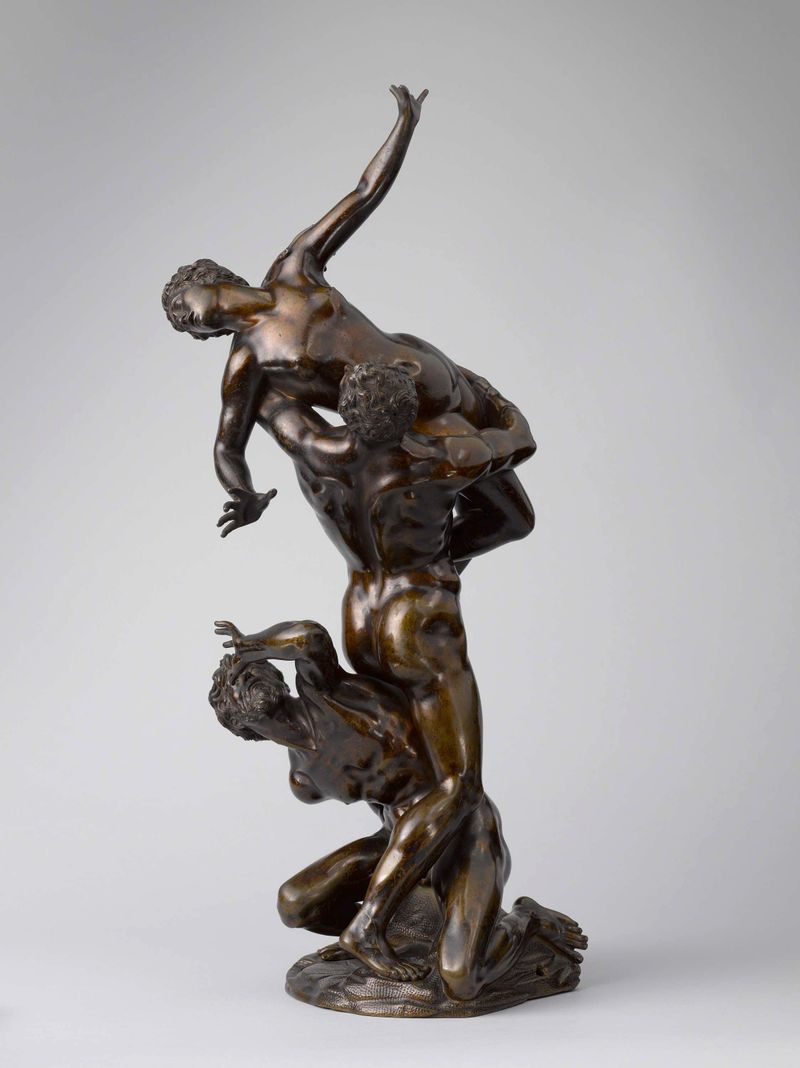
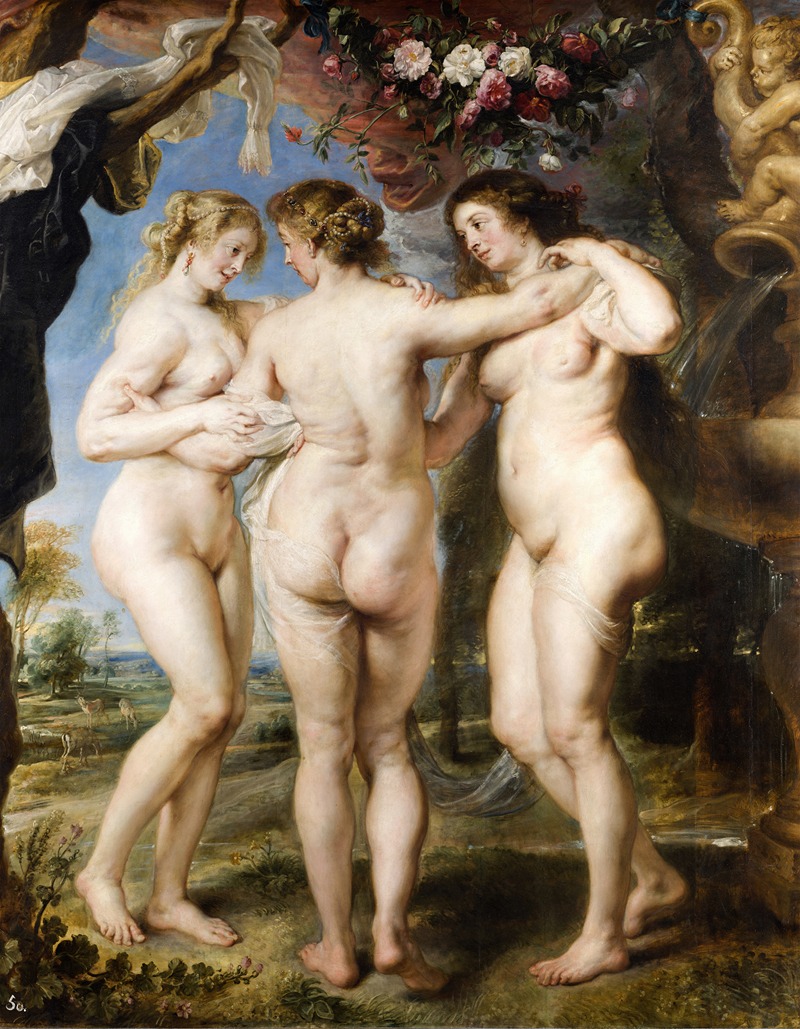
Oordeel van Paris — History & Facts
Within its silent embrace, Oordeel van Paris captures the raw delight and tumult of divine judgment, inviting viewers into a realm of ecstasy and tension. To appreciate the composition, first direct your gaze to the central figure of Paris, who stands poised yet contemplative. Notice how the subtle interplay of light illuminates his features, casting shadows that evoke uncertainty. Surrounding him, the goddesses embody distinct beauty; their expressions and postures create a vibrant dialogue filled with yearning and rivalry.
The rich palette of warm tones infuses the work with a sense of vitality, while delicate brushwork emphasizes the luxurious details of their attire, suggesting an opulence that both enchants and ensnares. Delve deeper into the emotional undercurrents of the painting. The contrast between Paris's serene demeanor and the competing desires of the goddesses hints at a looming conflict—an exquisite tension that speaks to human nature's eternal struggle between pleasure and consequence. Each figure's positioning reveals unspoken alliances and rivalries, drawing the viewer into an intricate web of desire that transcends mere aesthetics, resonating with the visceral thrill of choice. In the early 16th century, Monogrammist AC, likely a member of a larger workshop, worked in a period marked by intricate social and artistic transformations.
This was a time of rich artistic exchange in Europe, with the Renaissance flourishing, and the artist’s exploration of mythological themes reflects a broader trend among contemporaries. The painting emerges from a burgeoning interest in humanism and classical narratives, echoing the cultural dialogue that shaped the era.
More Artworks by Monogrammist AC (16e eeuw)
Browse all →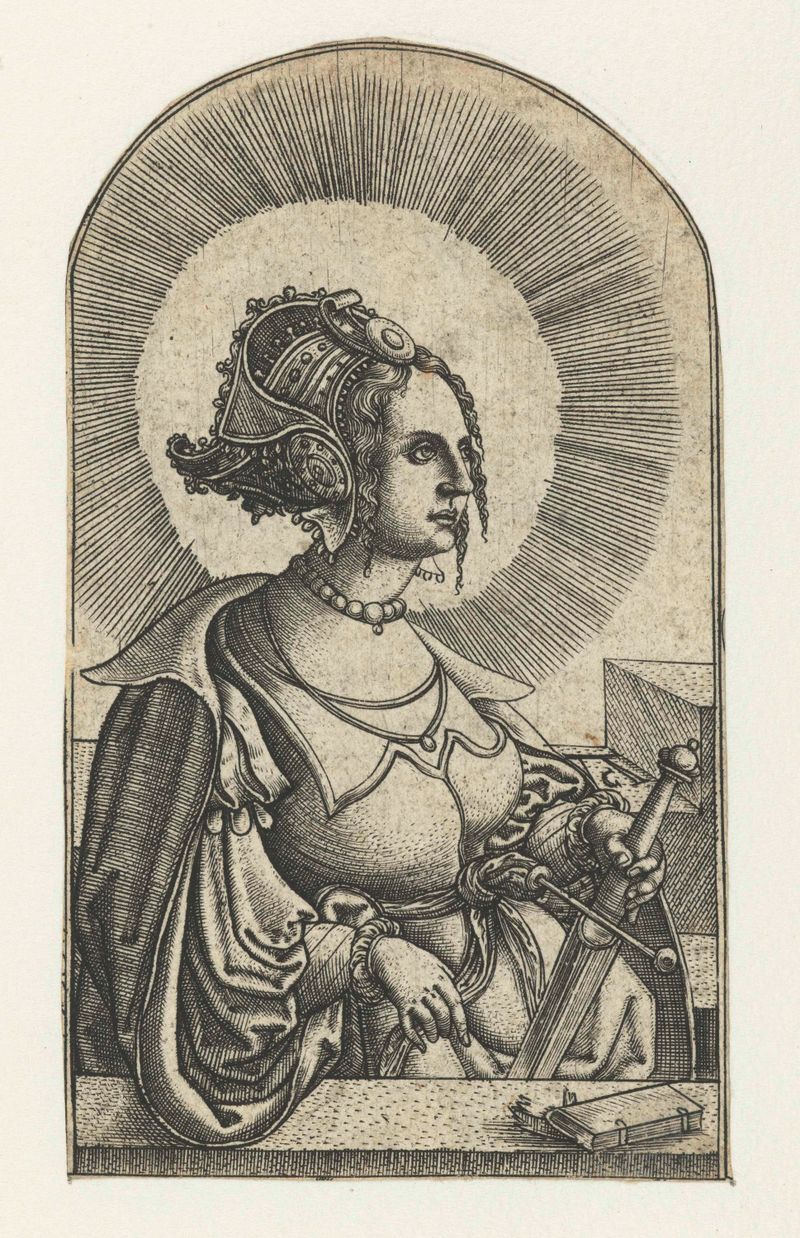
Heilige Catharina
Monogrammist AC (16e eeuw)
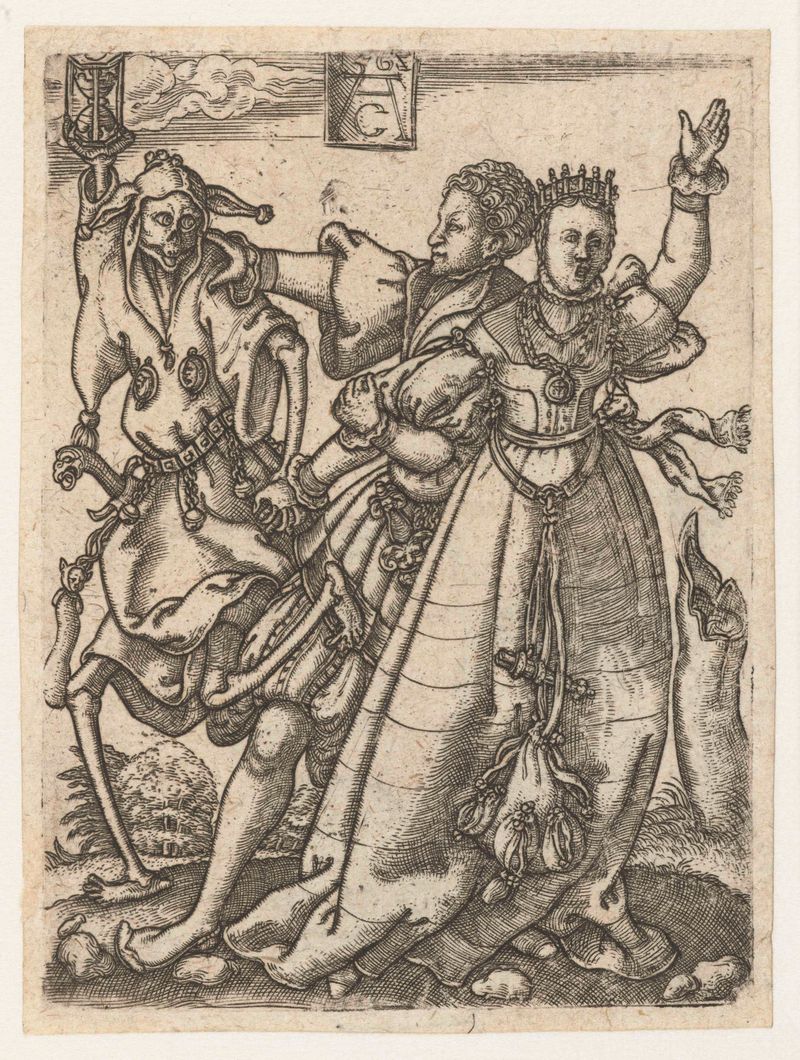
Echtpaar met de Dood
Monogrammist AC (16e eeuw)
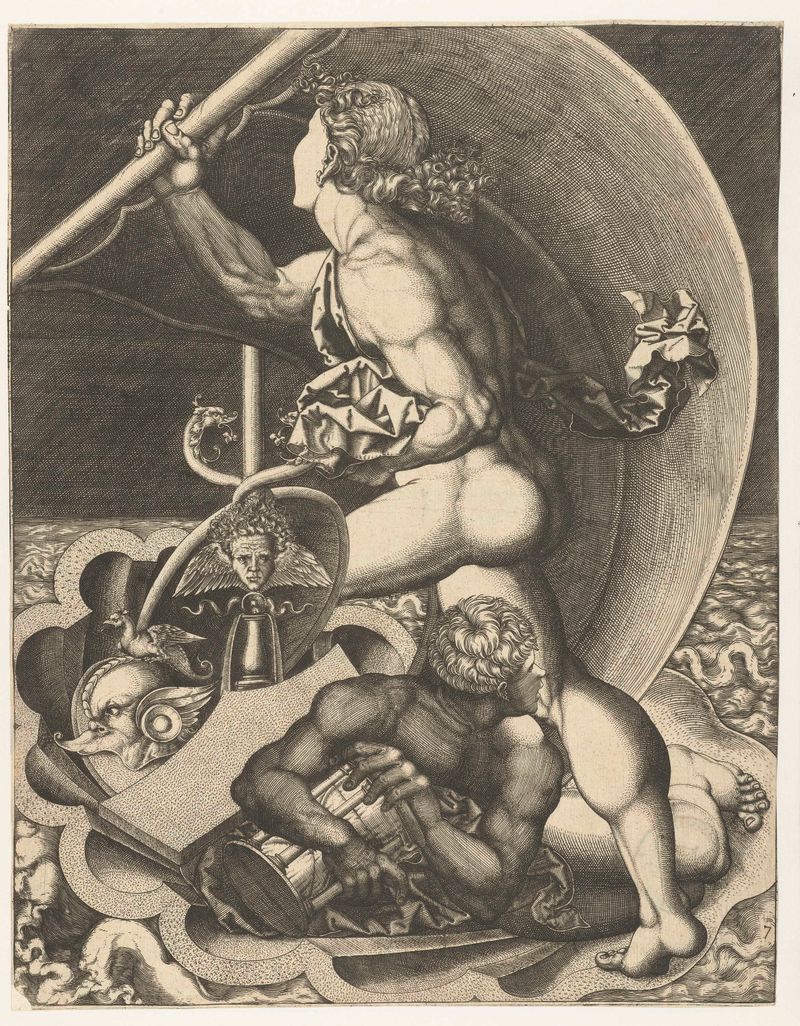
Allegorie van Tijd en Fortuin
Monogrammist AC (16e eeuw)

Portret van een jongeman (Vanitas)
Monogrammist AC (16e eeuw)

Heilige Martha en de draak
Monogrammist AC (16e eeuw)
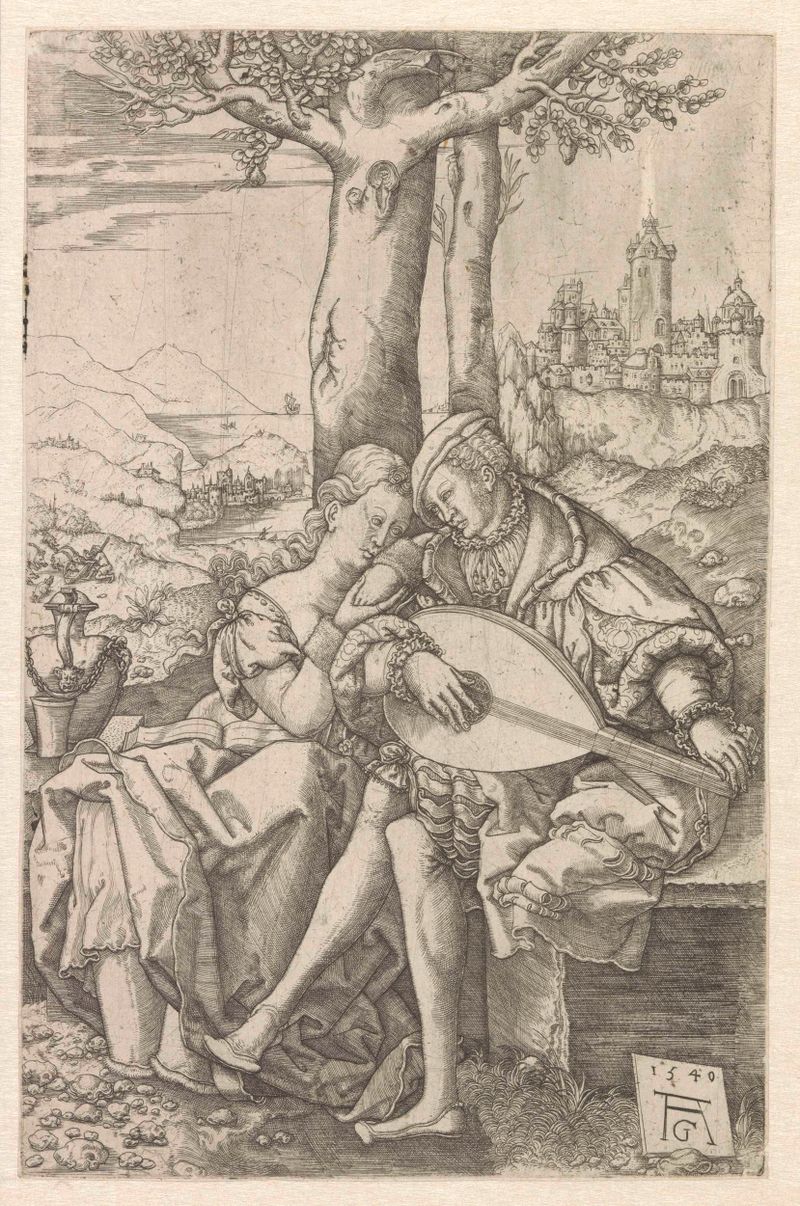
Twee verliefden onder een boom
Monogrammist AC (16e eeuw)
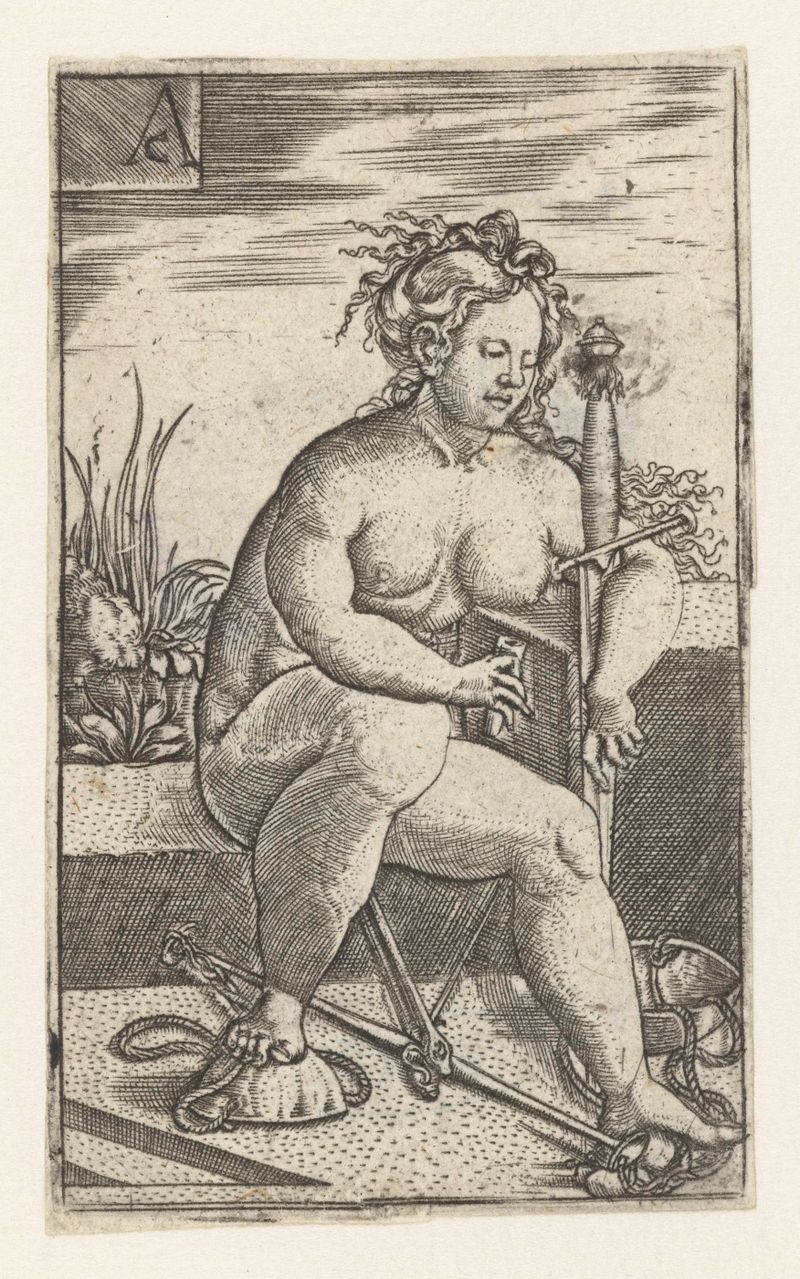
Gerechtigheid (Justitia)
Monogrammist AC (16e eeuw)
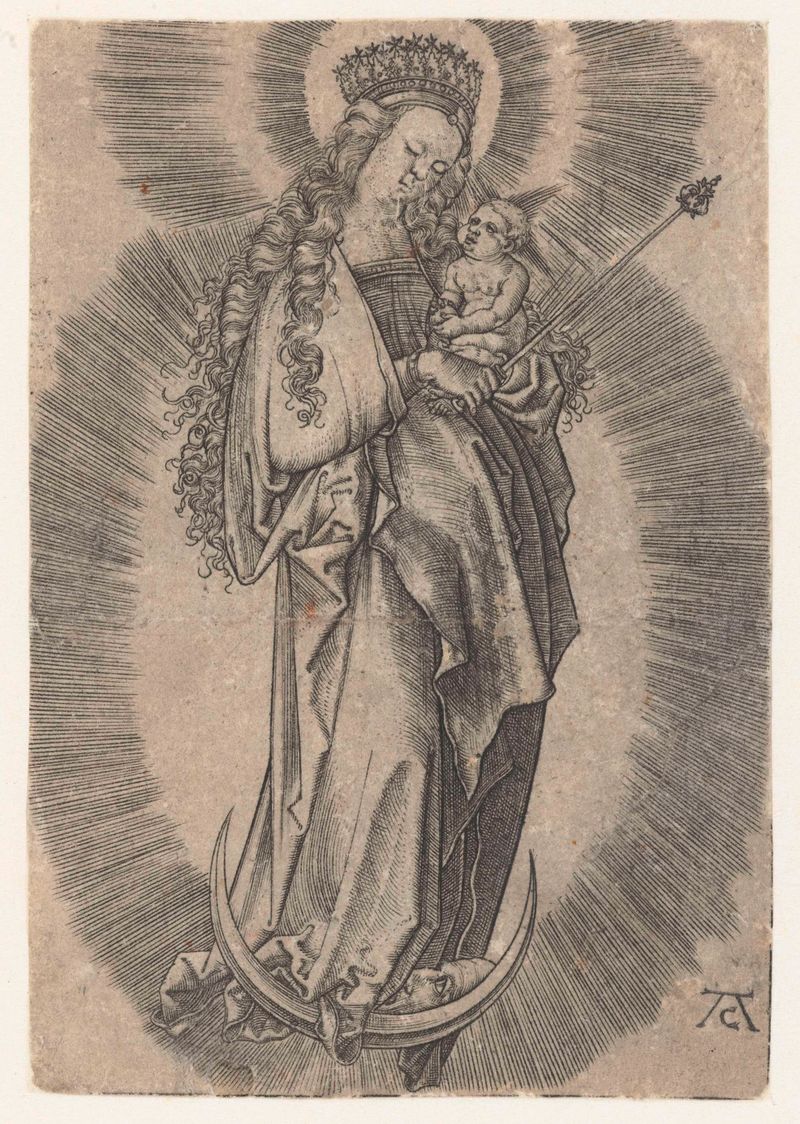
Madonna op de maansikkel.
Monogrammist AC (16e eeuw)
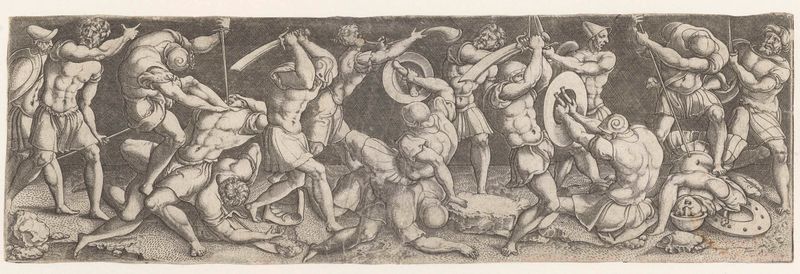
Gevecht tussen Romeinse soldaten
Monogrammist AC (16e eeuw)
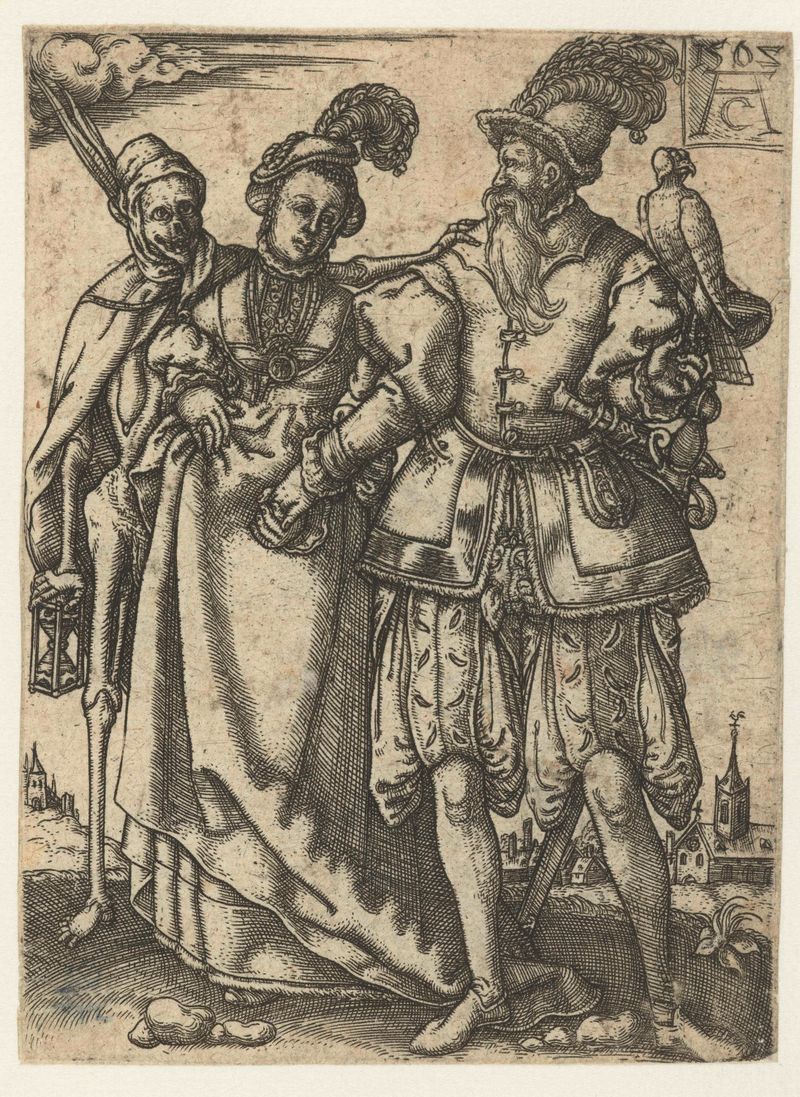
Echtpaar met de Dood
Monogrammist AC (16e eeuw)