
Oude mannen verenigd rond een troon met stamvader — History & Facts
In the realm of artistry, the pursuit of truth often intertwines with layers of meaning, waiting for the discerning eye to uncover them. In Oude mannen verenigd rond een troon met stamvader, the viewer is presented with a moment suspended in time, where solemnity and wisdom coalesce into a tapestry of human experience. Look to the center of the canvas where an imposing throne rises, adorned with intricate details that draw the eye. The elderly figures, draped in rich fabrics of deep burgundy and muted gold, form a semicircle around the throne.
Notice how the gentle light cascades over their weathered faces, highlighting the deep lines etched by years of wisdom and strife. The soft shadows create a sense of depth, inviting the viewer to ponder the stories each figure carries. Holbein’s meticulous attention to texture and pattern enhances the palpable intimacy of the gathering. Hidden within the camaraderie of the elder men lies a haunting tension.
Their expressions, ranging from contemplative to stern, echo the weight of history and legacy, suggesting a deeper conversation about authority and belonging. The throne’s grandeur contrasts sharply with the simplicity of their garments, emphasizing the disparity between power and the men who wield it. This visual juxtaposition prompts reflections on the nature of leadership and the burdens it entails, echoing timeless questions about our own societal structures. In 1538, during a period of profound political and religious upheaval in Europe, Oude mannen verenigd rond een troon met stamvader emerged from Holbein’s brush while he was in England, serving as court painter to King Henry VIII.
This era was marked by the tension between the Reformation and the Catholic Church, and the artist’s work often navigated these complex themes. With remarkable clarity and precision, Holbein captured a moment that not only reflects the world around him but also invites future generations to engage with the truths woven through human experience.
More Artworks by Hans Holbein (II)
Browse all →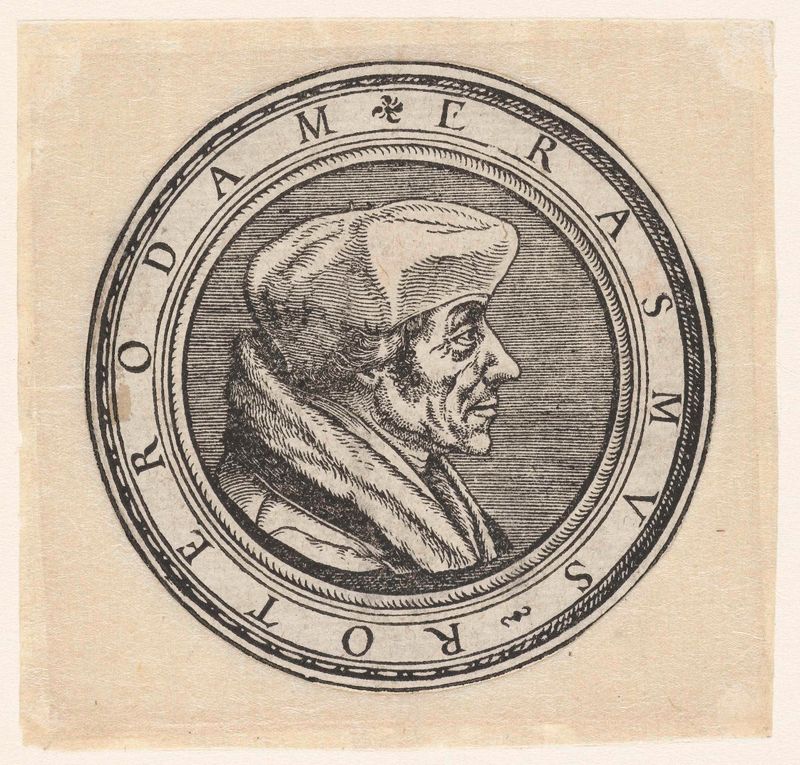
Portret van Erasmus
Hans Holbein (II)
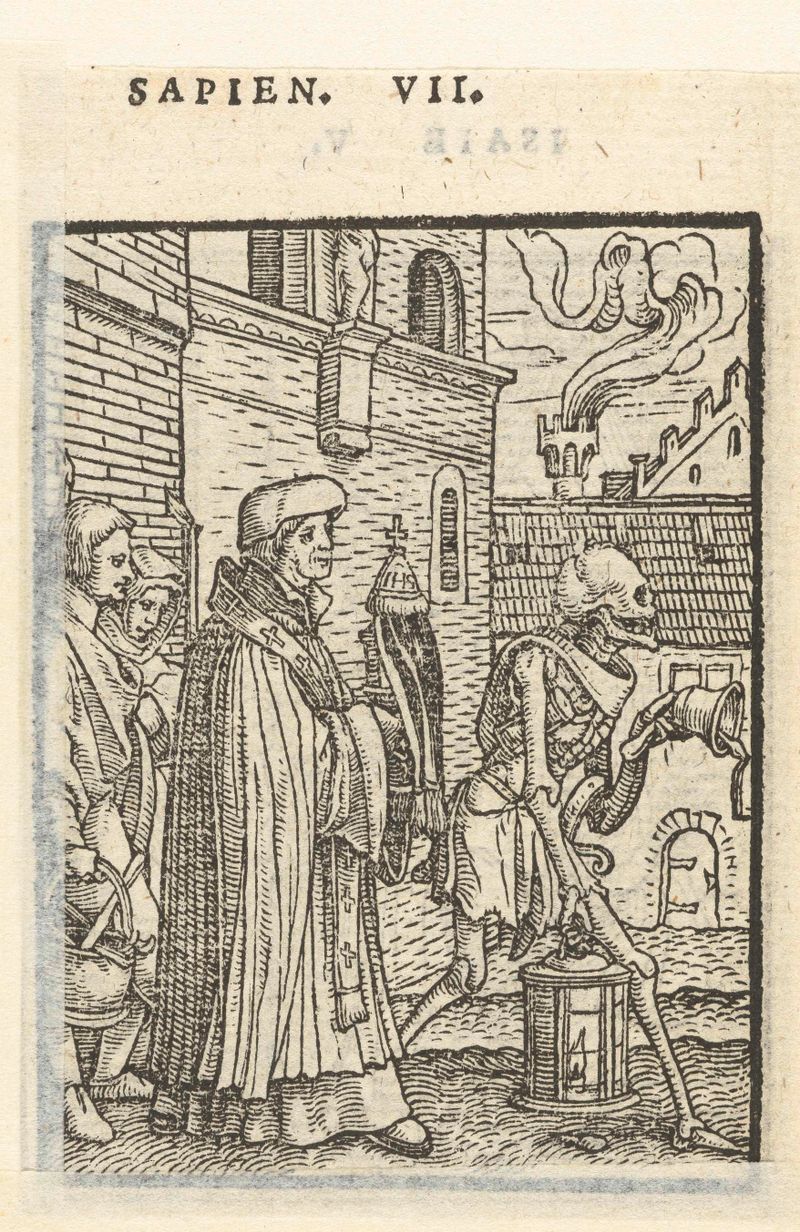
Priester en de Dood
Hans Holbein (II)
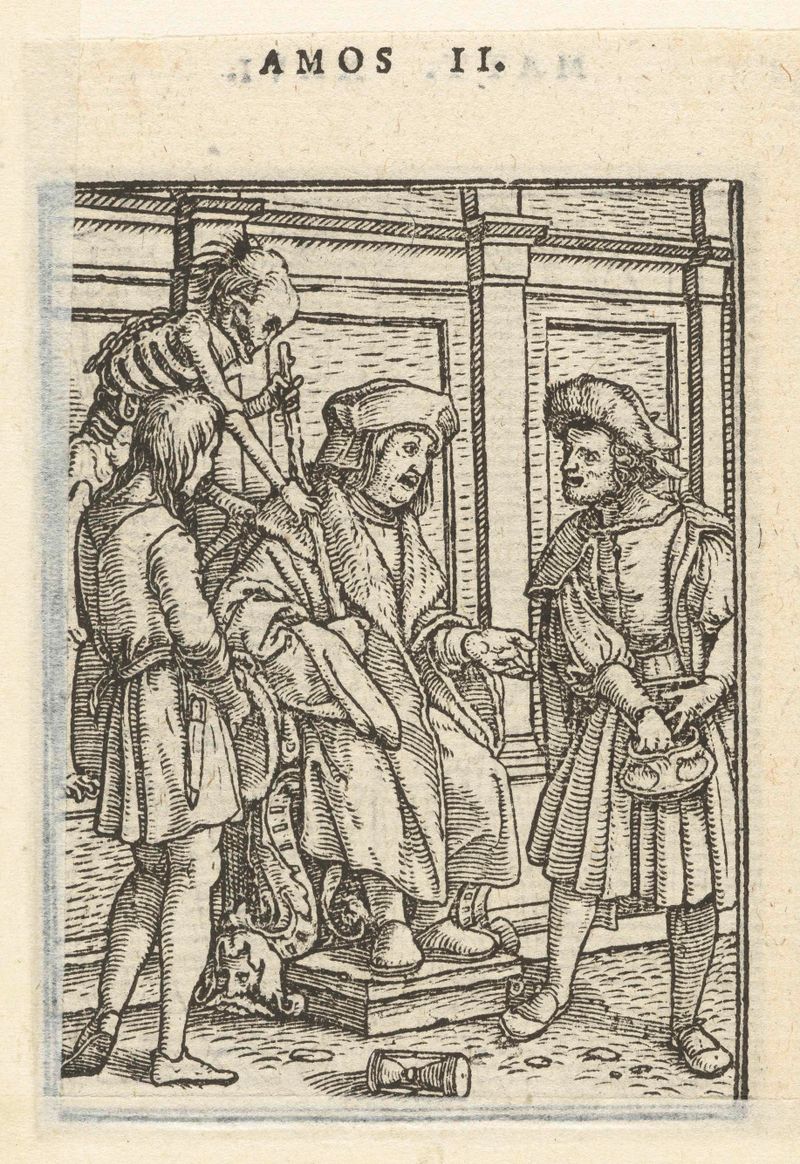
Rechter en de Dood
Hans Holbein (II)
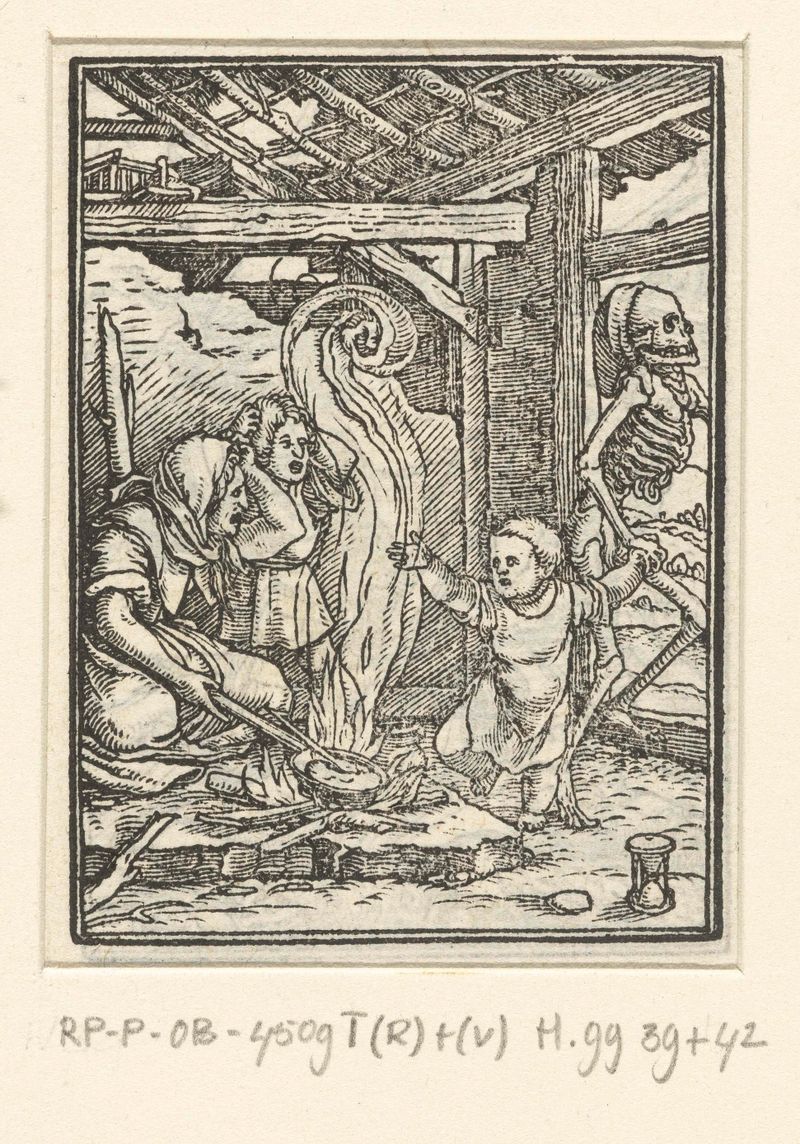
Kind en de Dood
Hans Holbein (II)
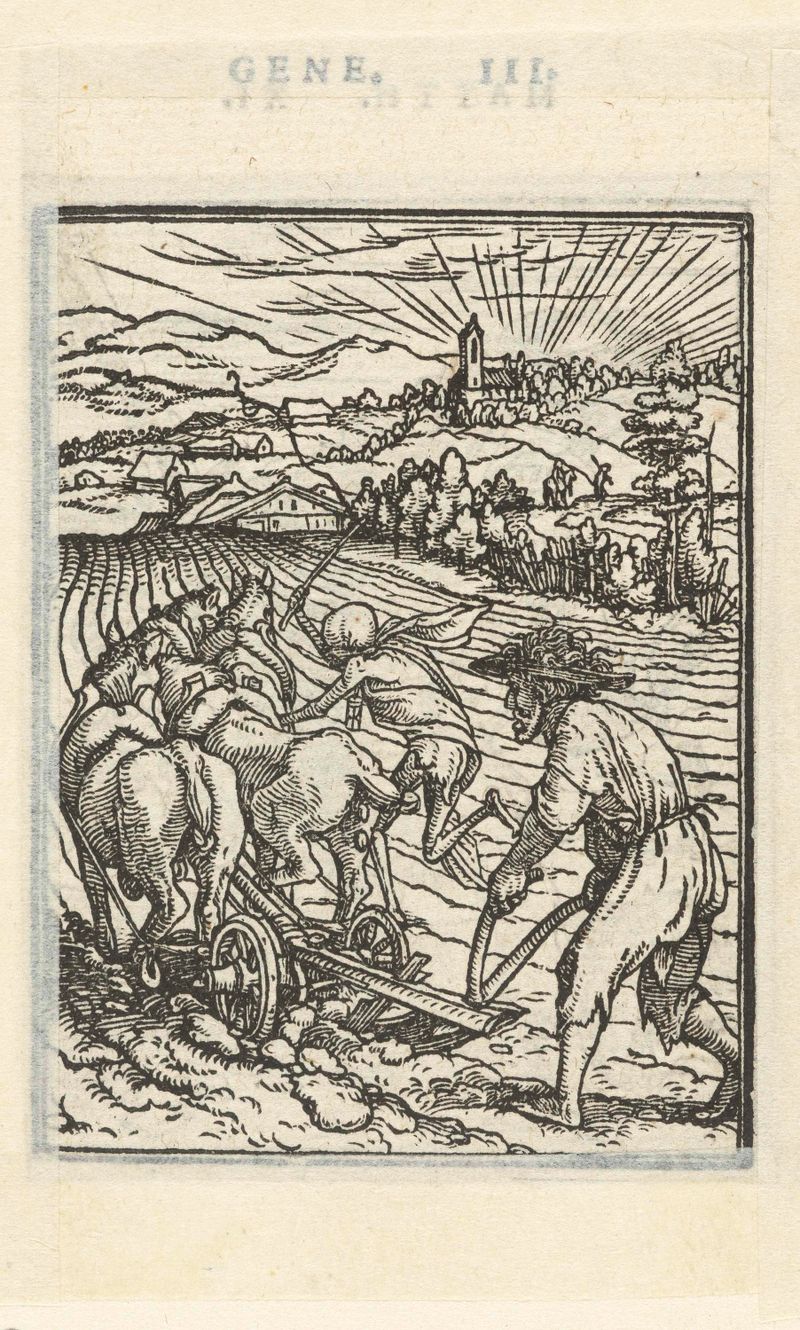
Boer en de Dood
Hans Holbein (II)
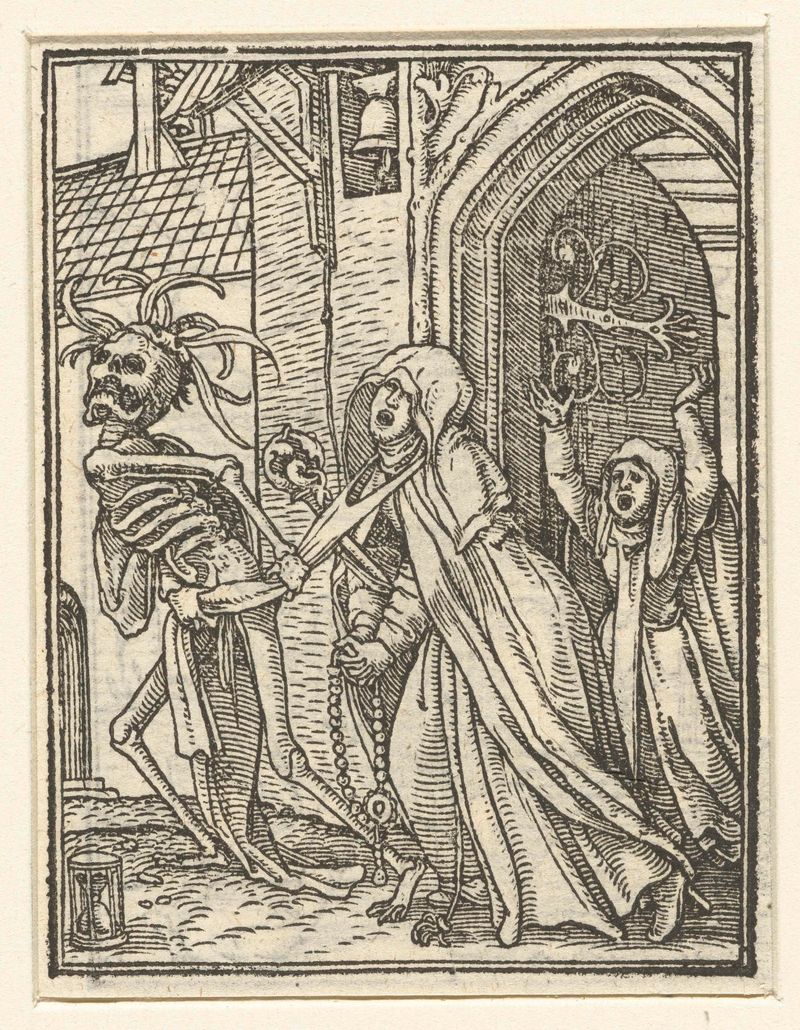
Abdis en de Dood
Hans Holbein (II)
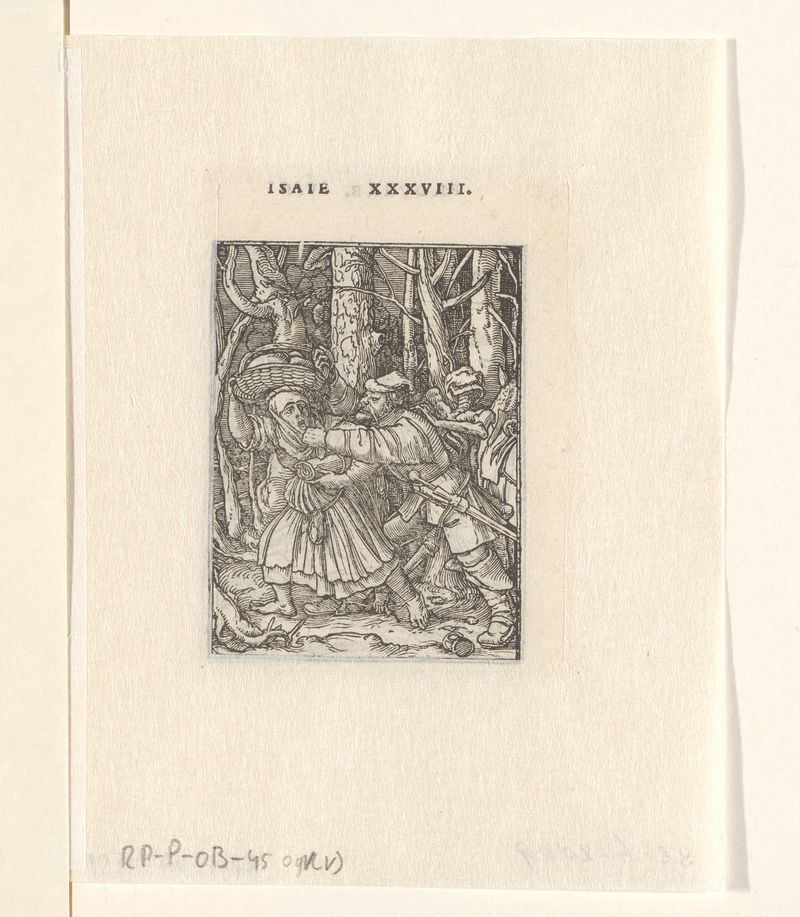
Dief en de Dood
Hans Holbein (II)
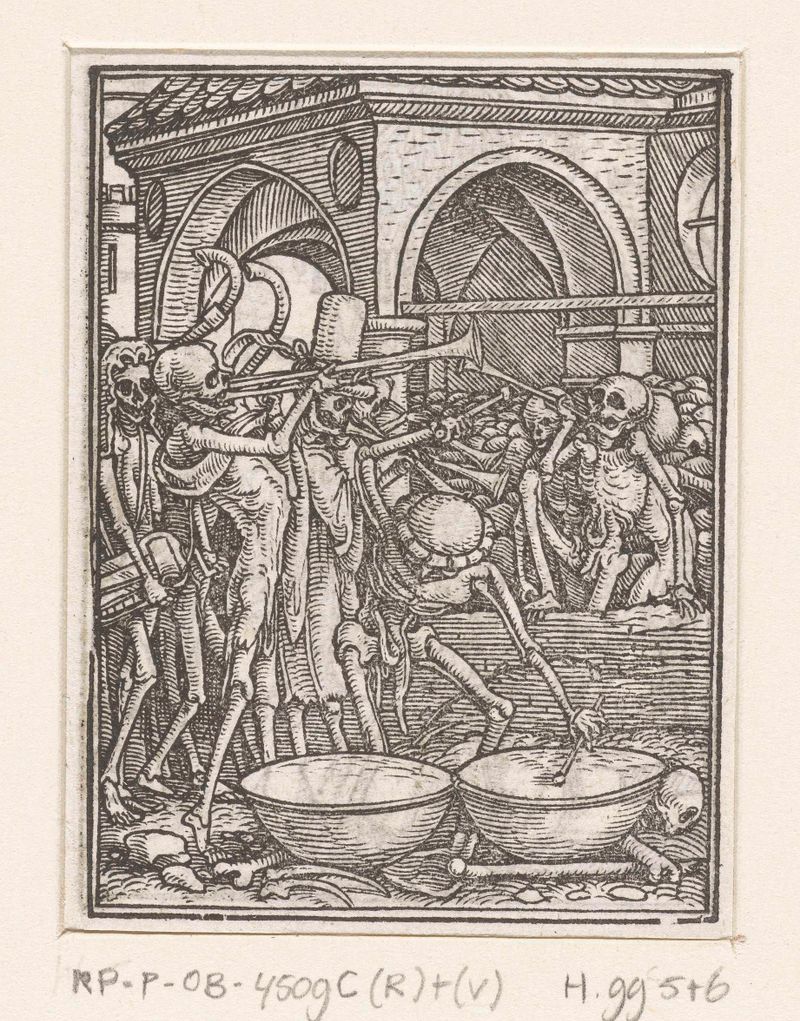
Skeletons Making Music from Dance of the Dead
Hans Holbein (II)
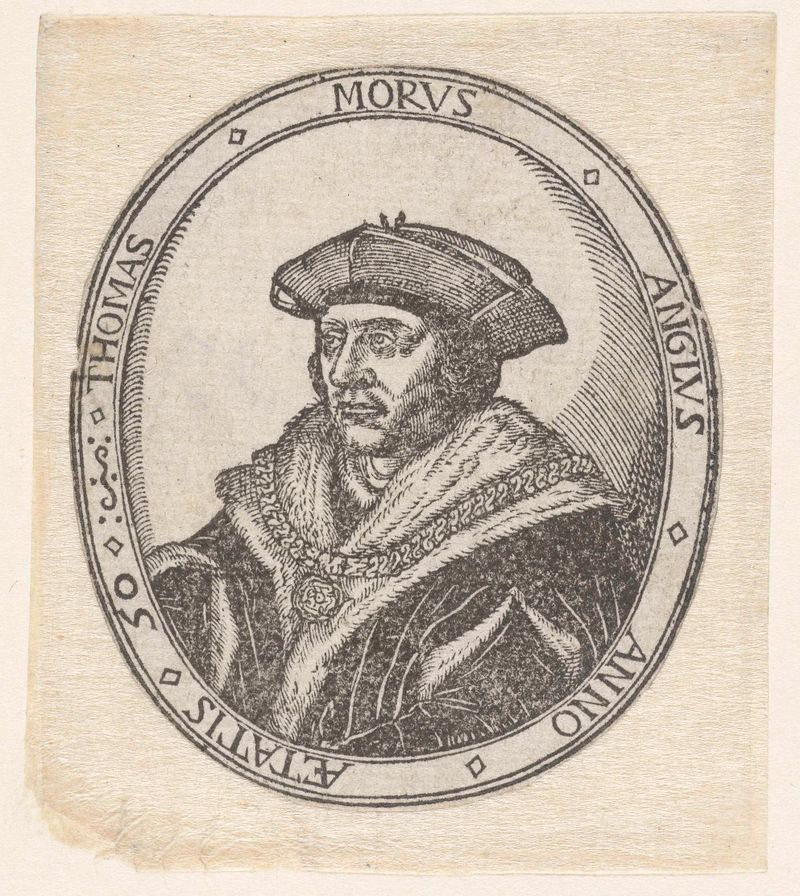
Portret van Thomas More
Hans Holbein (II)
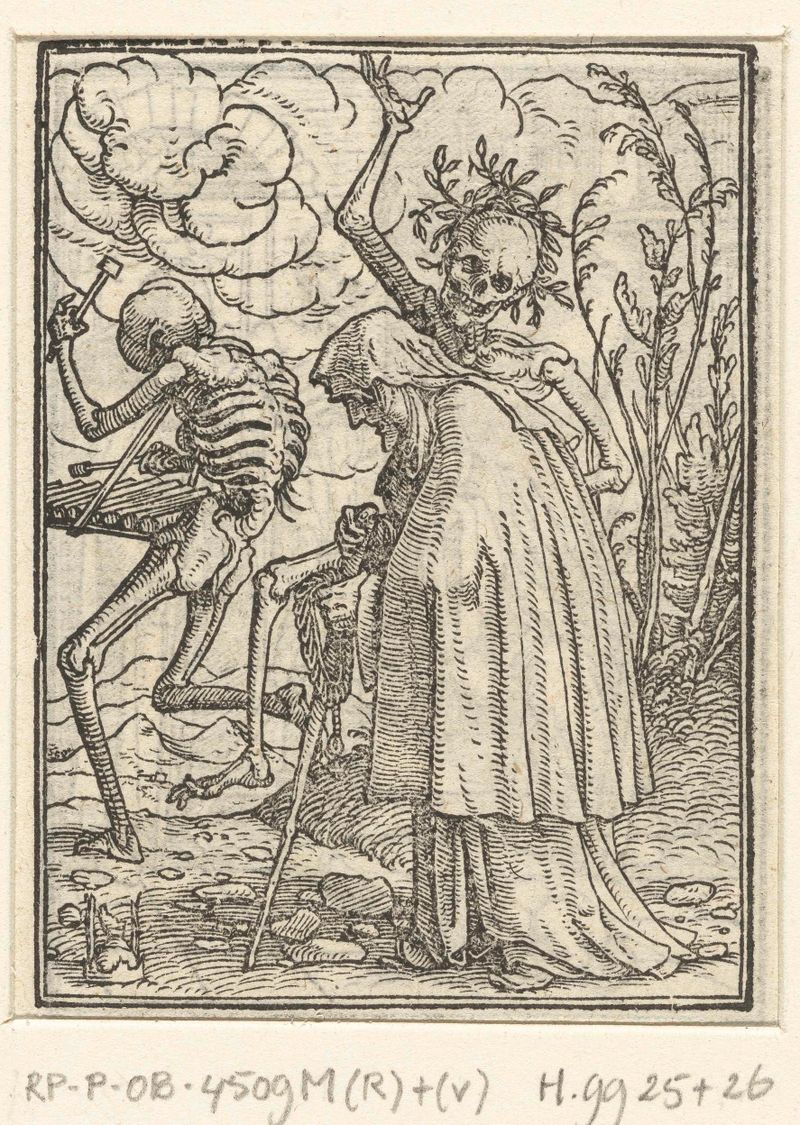
Oude vrouw en de Dood
Hans Holbein (II)
More Historical Art
Browse all →
The Night Watch Militia Company of District II under the Command of Captain Frans Banninck Cocq
Rembrandt van Rijn

Lincoln Memorial
Henry Bacon

The Third of May 1808
Francisco de Goya

Isaac and Rebecca, Known as ‘The Jewish Bride’
Rembrandt van Rijn

The Charge of the Mamelukes (1814)
Francisco de Goya

De vier ruiters van de apocalyps
Albrecht Dürer