
Our Lady of the Seven Sorrows (grisaille) — History & Facts
What first draws the eye in Our Lady of the Seven Sorrows (grisaille) is the quiet, sculptural presence of the Virgin, rendered in a delicate monochrome that mimics carved stone. Her hands are crossed gently on her chest, her gaze lowered in inward contemplation, surrounded by seven roundels that orbit her like silent witnesses. Each medallion is a window into a separate grief, and the artist guides us through this sequence not with color, but with a masterful handling of light and shadow: the subtle modeling of drapery, the play of highlights on her veil, the soft fall of shadow beneath her eyes.
The architectural setting frames her as both image and icon, inviting the viewer to pause and trace the path of sorrow that defines her story. Painted in 1521, this work belongs to a tradition that flourished in the late Middle Ages and Renaissance, when images of the Seven Sorrows of Mary served as tools for private devotion and reflection. Such panels were often commissioned by confraternities or individuals seeking to meditate on suffering and redemption, and the grisaille technique—painting in shades of grey to imitate sculpture—was prized for its austerity and focus. Little is recorded about the journey of this particular panel, but its careful execution and somber palette speak to a moment when religious art was shifting: the old forms persisted, but new sensibilities were emerging in the wake of the Reformation.
The viewer, confronted with the Virgin’s silent endurance, is left to contemplate not only her sorrows, but the changing world that shaped such images.
More Artworks by Adriaen Isenbrant
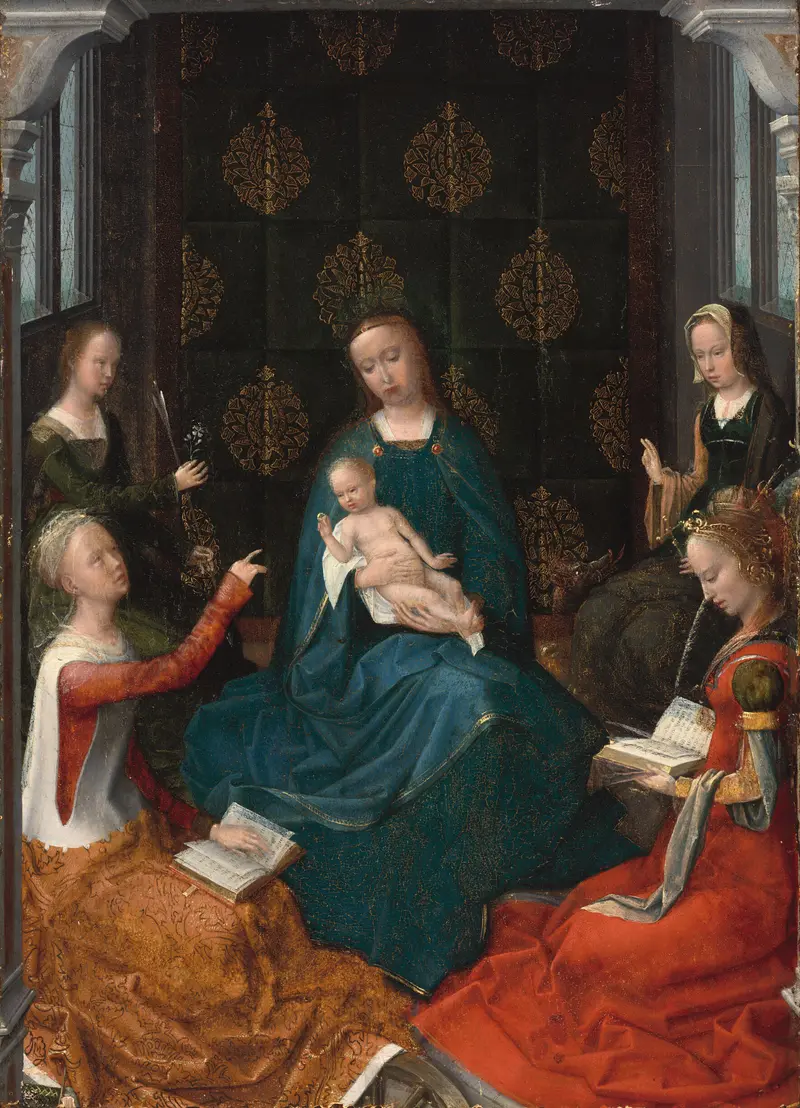
The Mystic Marriage of Saint Catherine of Alexandria with Three Female Saints: Ursula, Margaret of Antioch, and an Unidentified Martyr
Adriaen Isenbrant
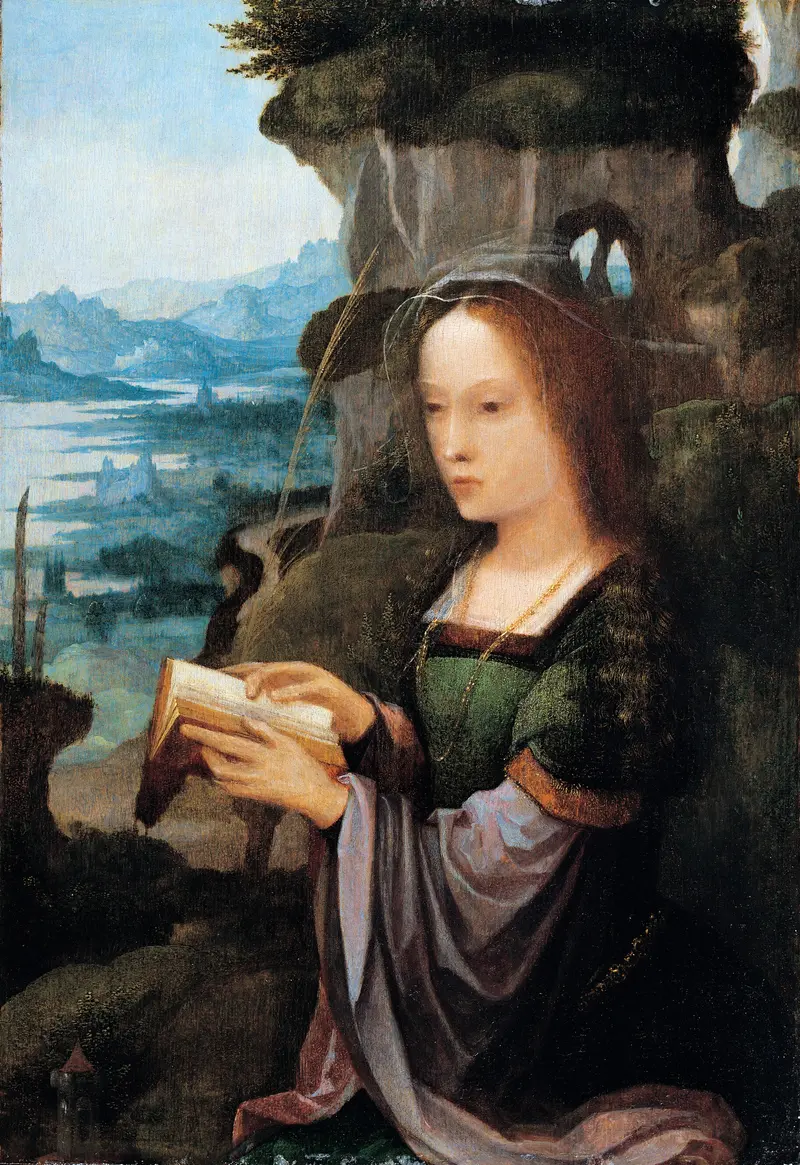
Saint Barbara
Adriaen Isenbrant
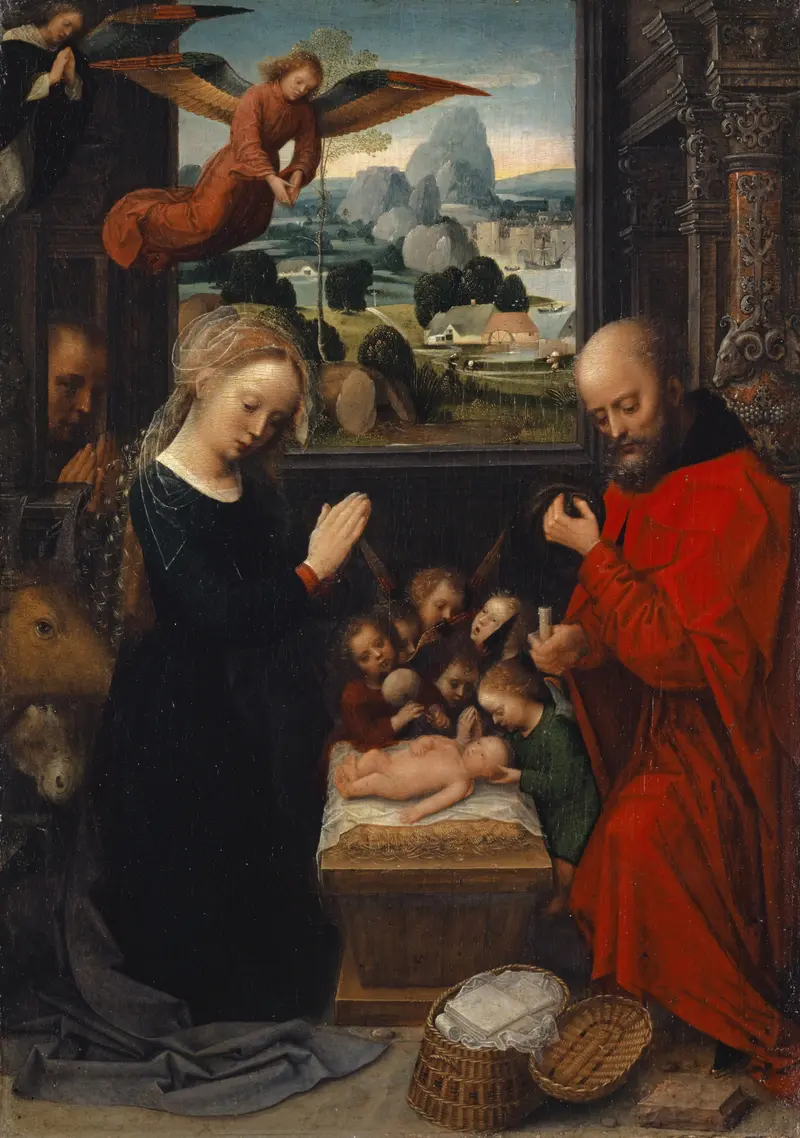
The Nativity
Adriaen Isenbrant
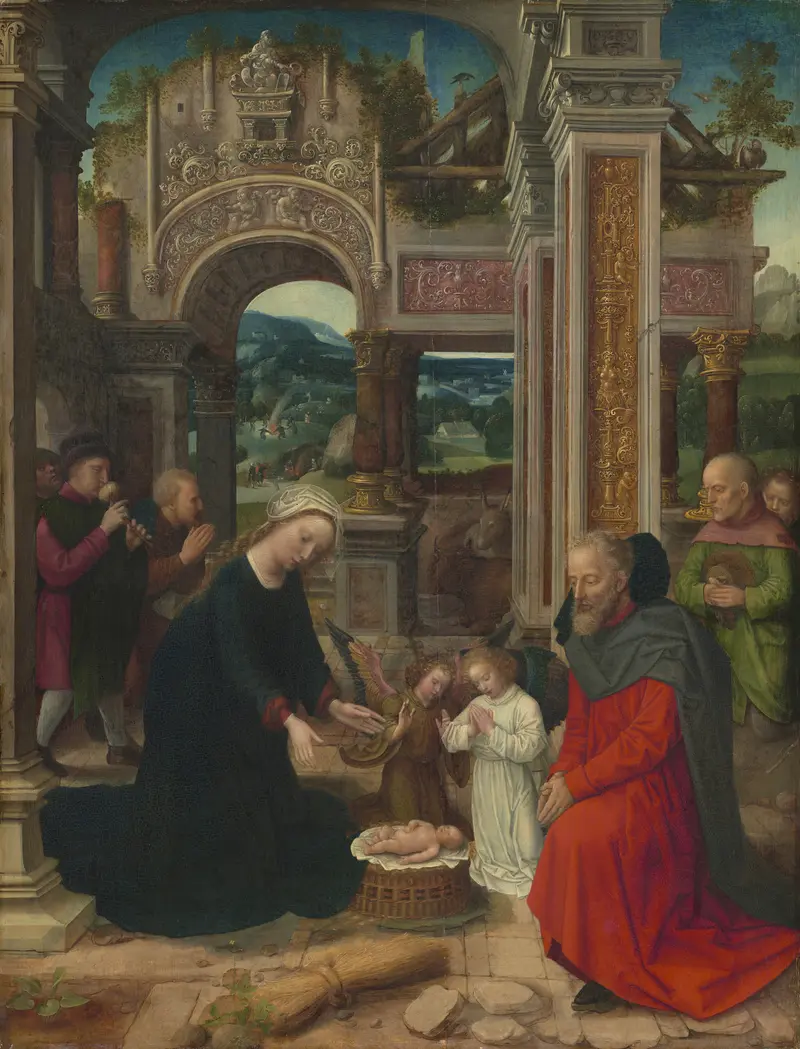
The Adoration of the Shepherds
Adriaen Isenbrant
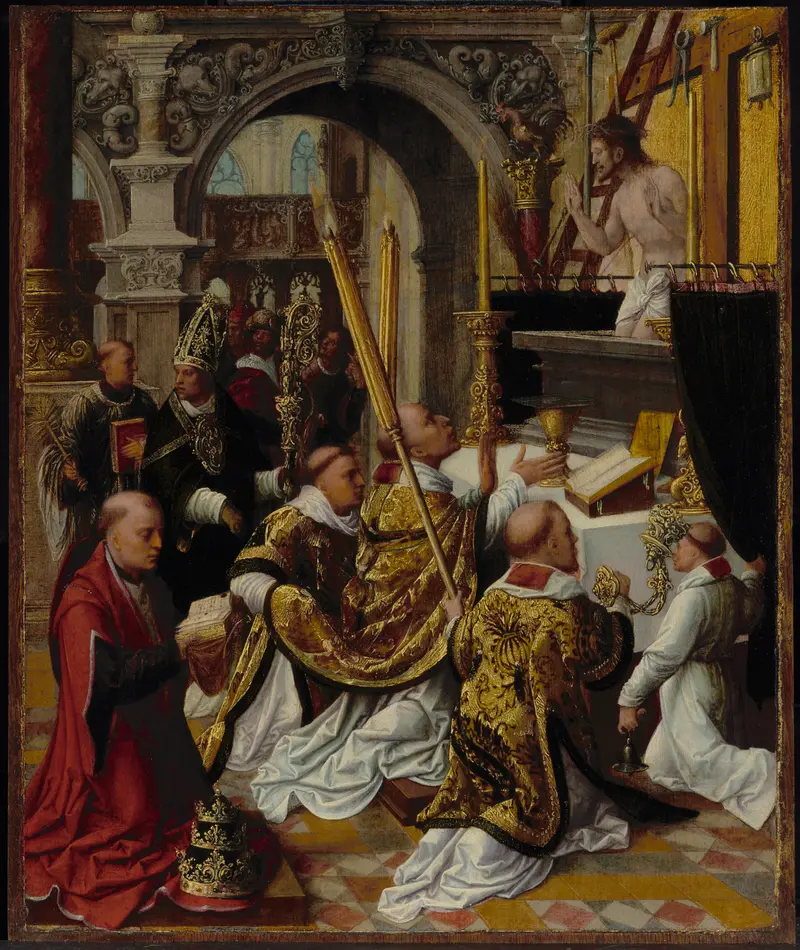
The Mass of Saint Gregory the Great
Adriaen Isenbrant
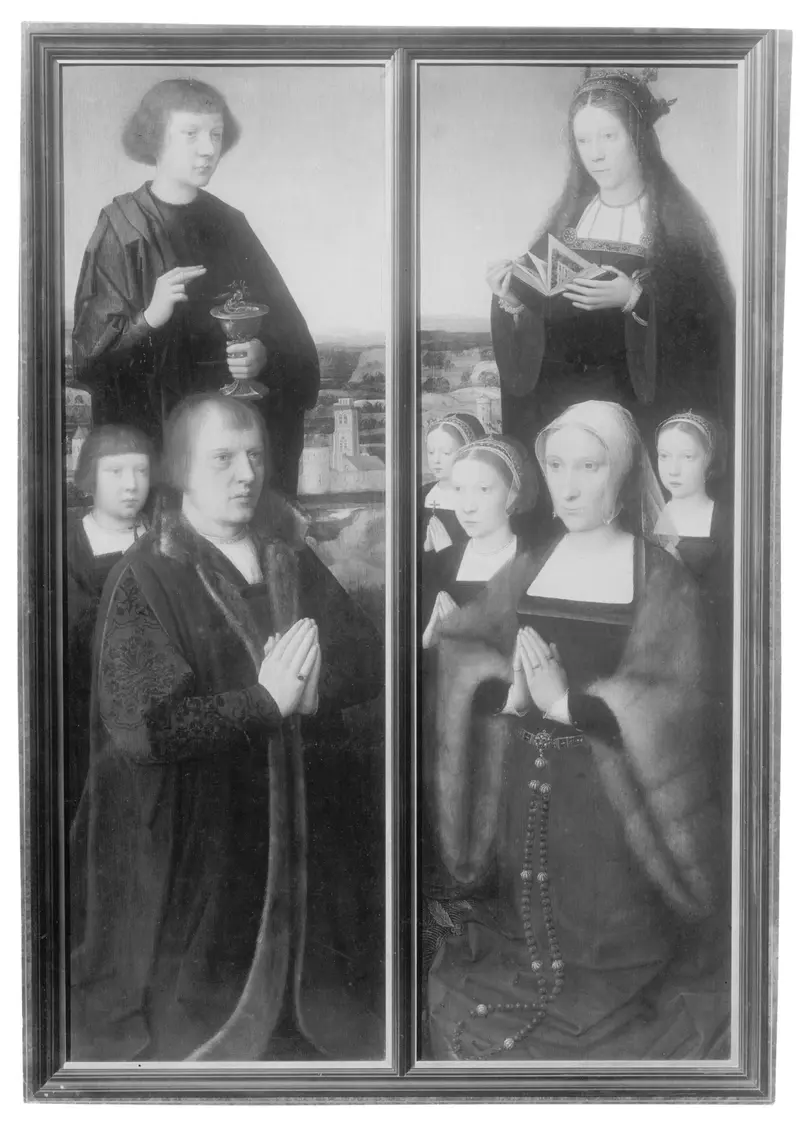
Wings of a polyptych with donors -Man with son and Saint, Woman with daughters and Saint (burned)
Adriaen Isenbrant
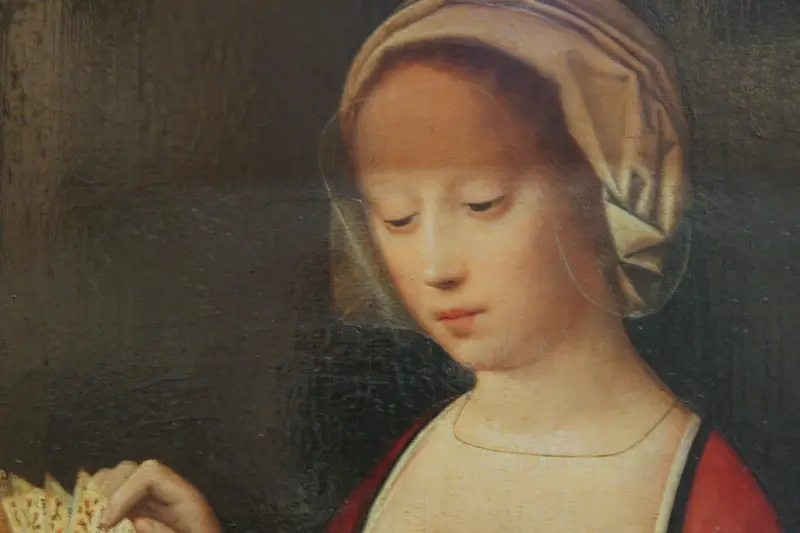
Mary Magdalene Reading
Adriaen Isenbrant
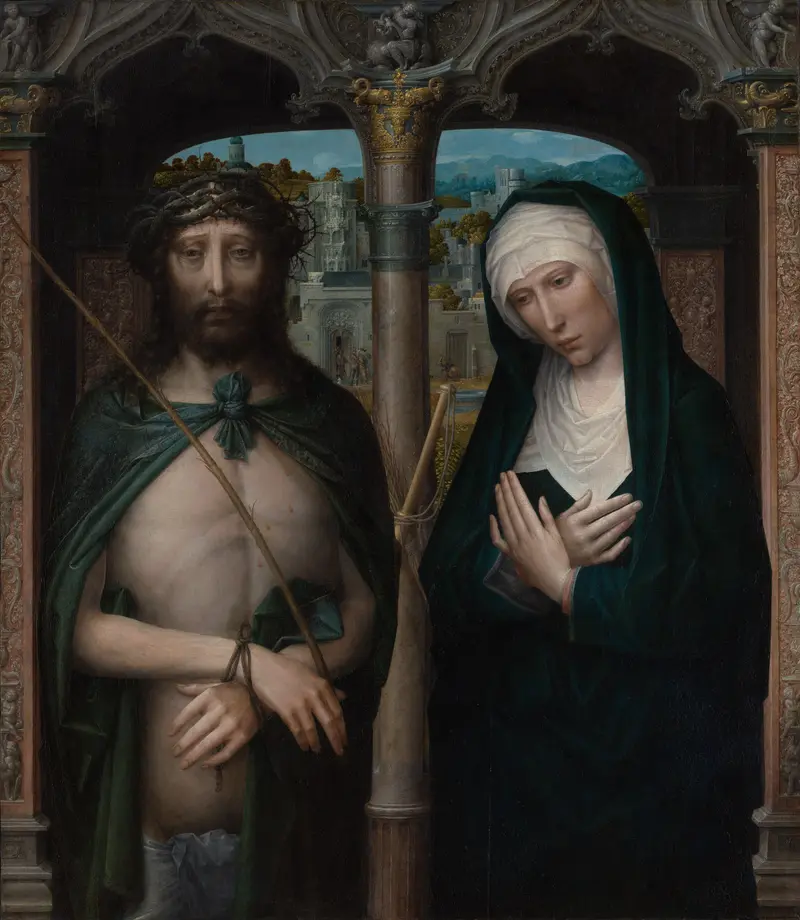
Christ Crowned with Thorns (Ecce Homo), and the Mourning Virgin
Adriaen Isenbrant
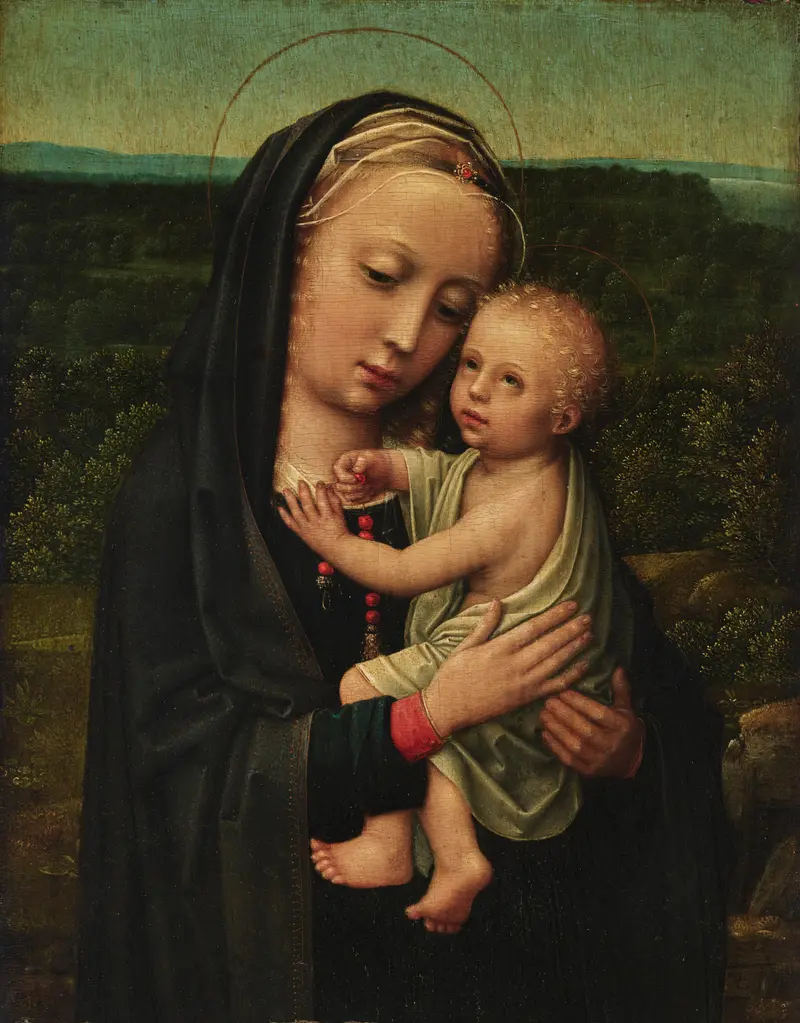
Madonna and Child
Adriaen Isenbrant
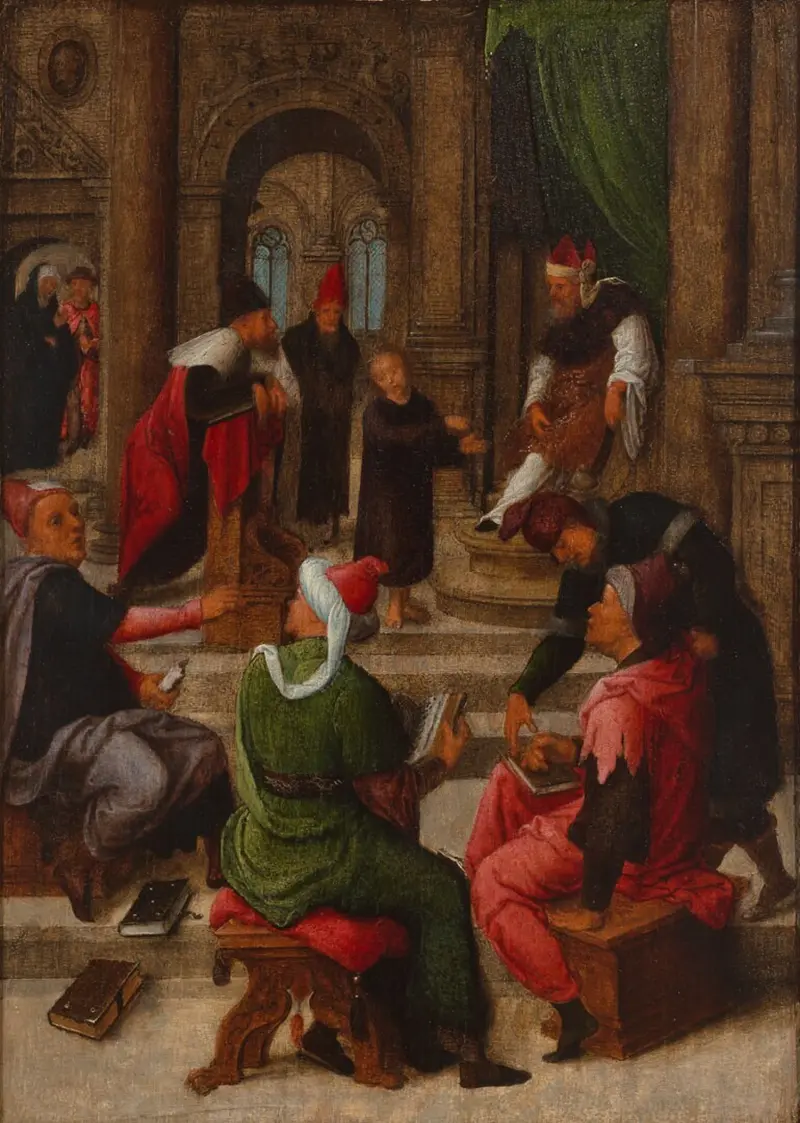
The 12-Year-Old Jesus in the Temple
Adriaen Isenbrant





