
Ovetari Chapel — History & Facts
Step into this chapel and the first thing that strikes you is the way light pours through the tall, slender windows, casting a lattice of pale illumination across walls alive with painted stories. The eye is drawn forward, past the hush of the empty nave, to the drama unfolding in the frescoes and altarpiece at the far end. Here, narrative scenes climb the walls, their figures caught mid-action, while the central panel above the altar gathers the gaze in a vertical surge.
The architecture itself becomes a frame, guiding attention from the broad arch to the painted vault, where the heavens seem to open above the congregation. This is a world shaped by the ambitions of mid-fifteenth-century Italy, when chapels like this one were both places of devotion and statements of civic or family pride. Artists such as Antonio Vivarini were called upon to fill these spaces with cycles of saints, miracles, and biblical episodes, each detail carefully chosen to instruct and inspire. Fresco was the medium of choice—its permanence suited to the enduring hopes of patrons—though the precise technique here is not documented.
History has kept few traces of the specific journey of this chapel’s decoration, but the photograph, taken on 24 May 2017 and preserved as an “own work,” lets us witness the layered storytelling that once shaped the spiritual and social life of a community. Look again at the interplay of architecture and image, and imagine the generations who have stood where you stand now.
More Artworks by Antonio Vivarini

St. Louis of Toulouse
Antonio Vivarini
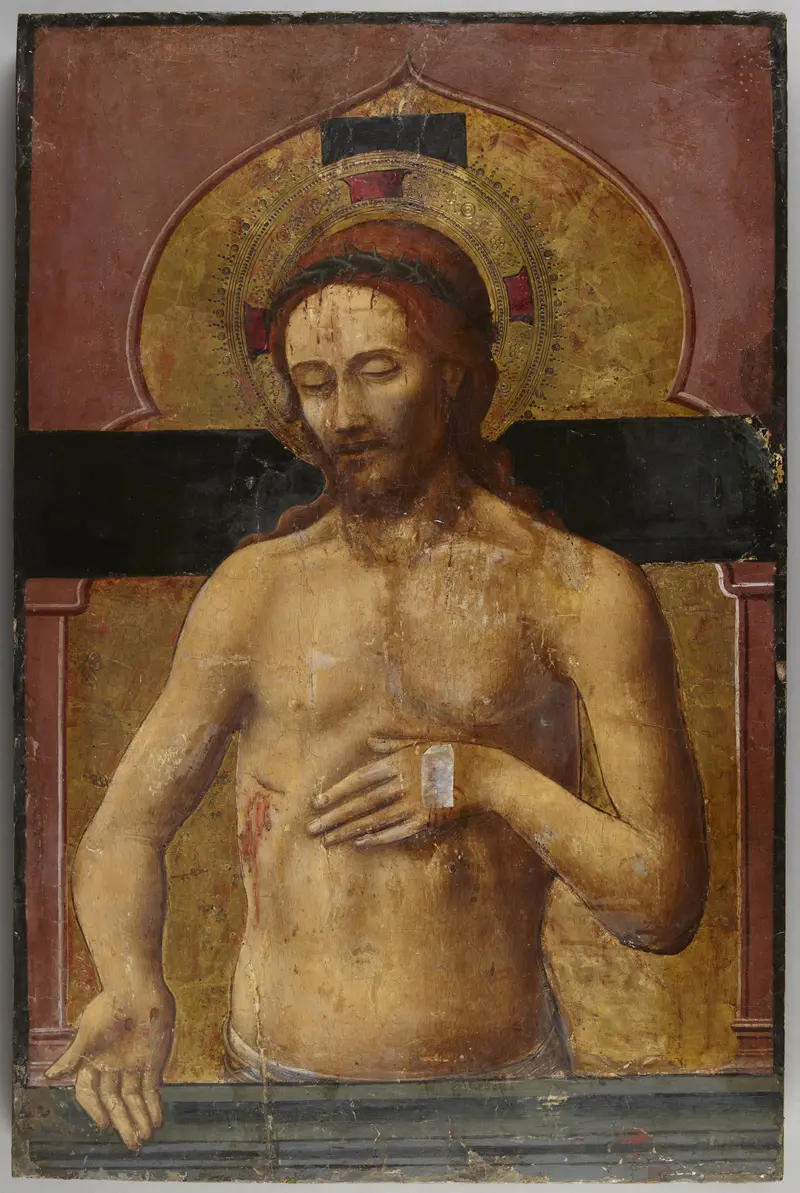
Christ in the Tomb
Antonio Vivarini
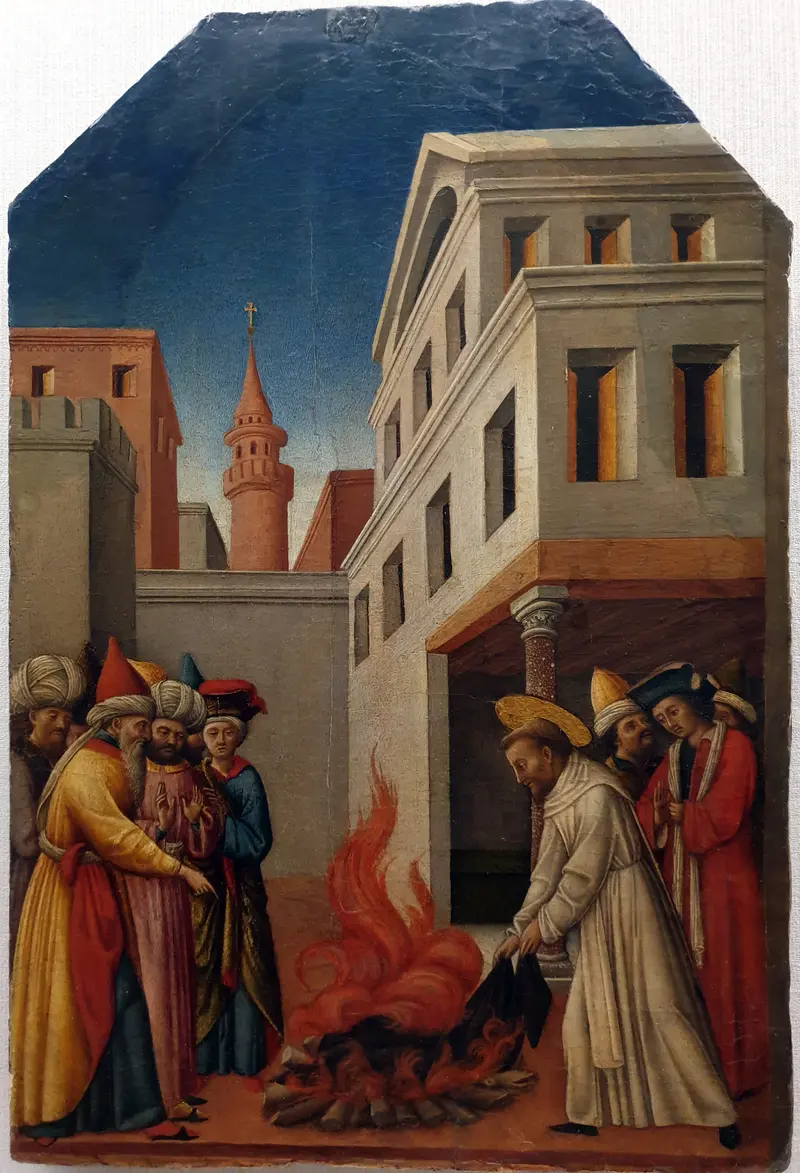
Miracle of the fire of Petrus Martyr
Antonio Vivarini
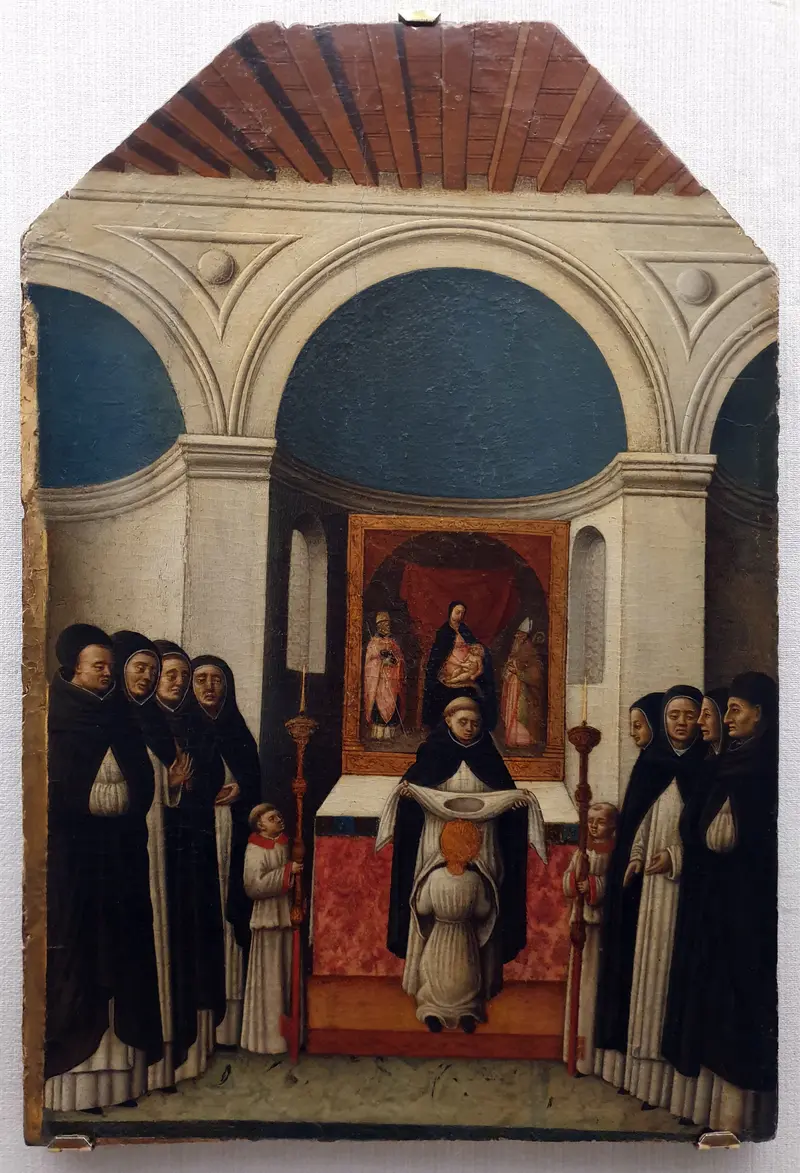
The Saint's Investiture upon His Entry into the Dominican Order
Antonio Vivarini
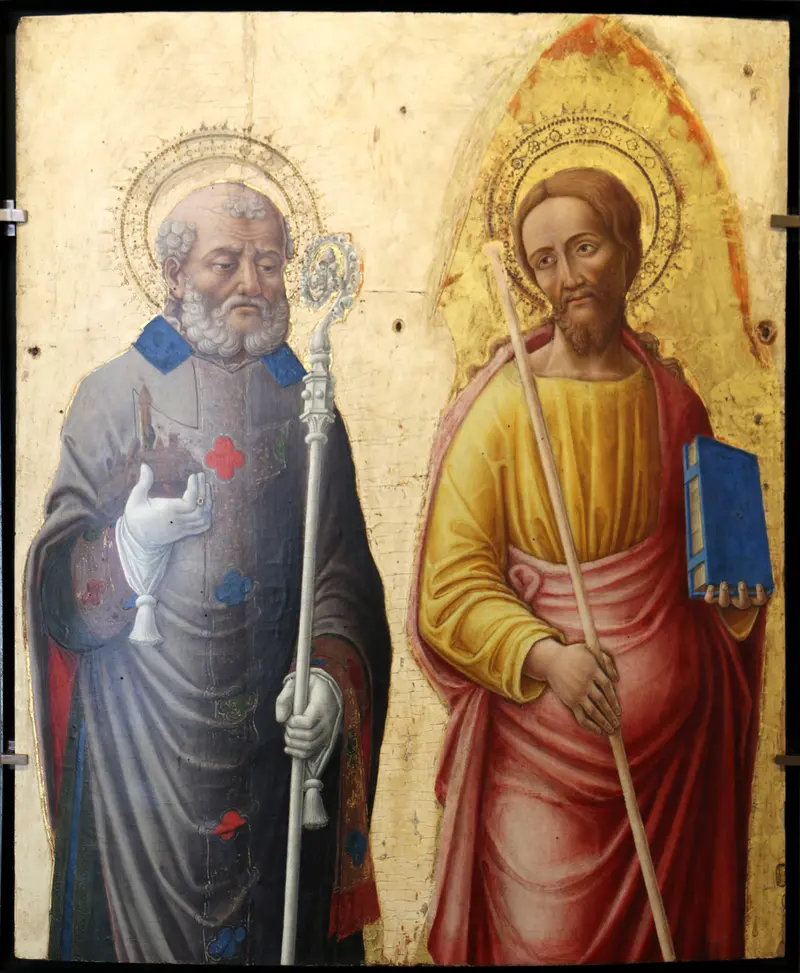
Vivarini saints Pétrone et Jacques
Antonio Vivarini
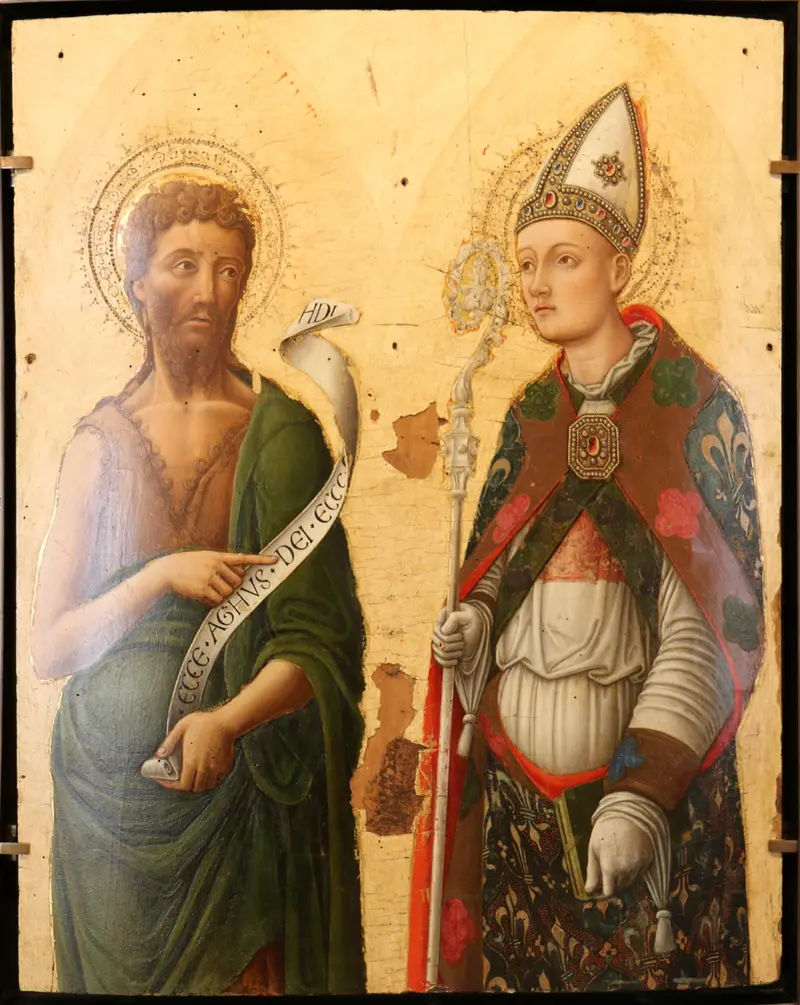
Vivarini Saint Jean Baptiste et saint Louis de Toulouse
Antonio Vivarini
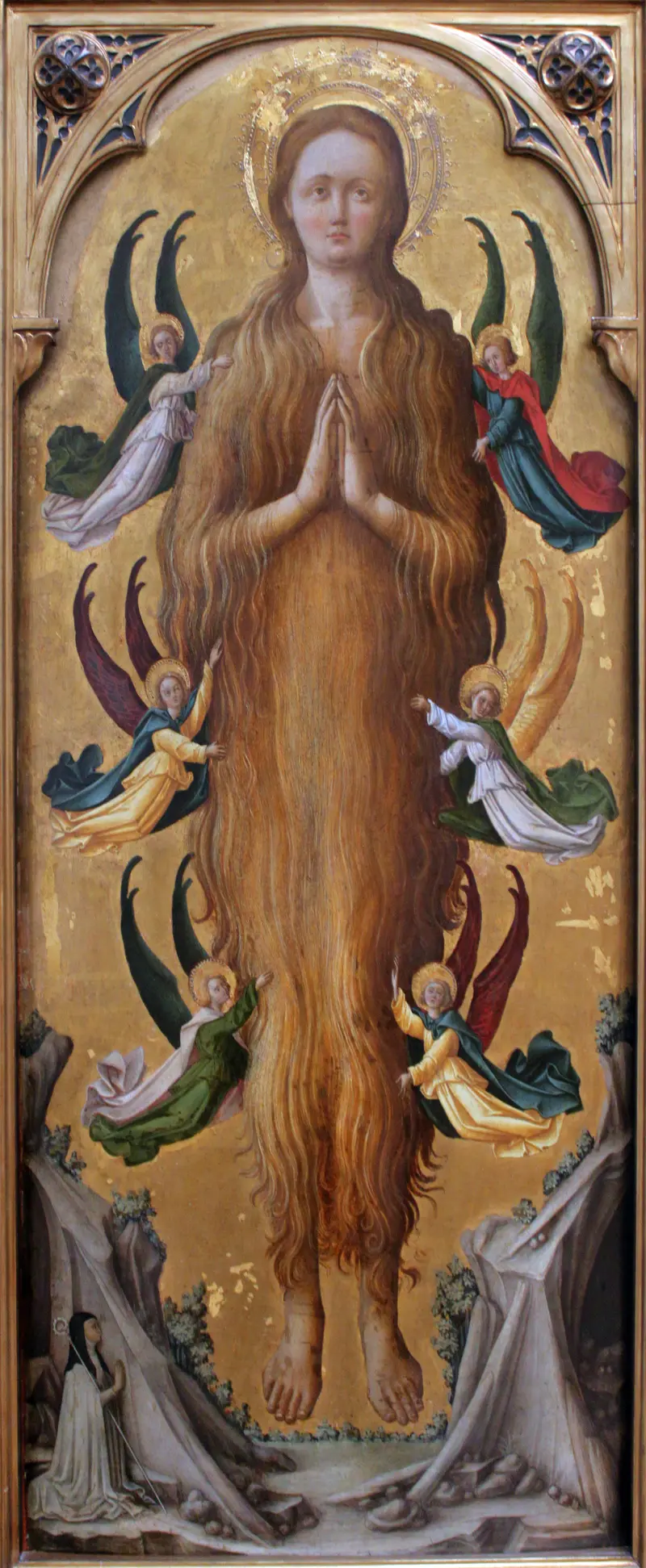
The holy Mary Magdalene, borne aloft by angels
Antonio Vivarini
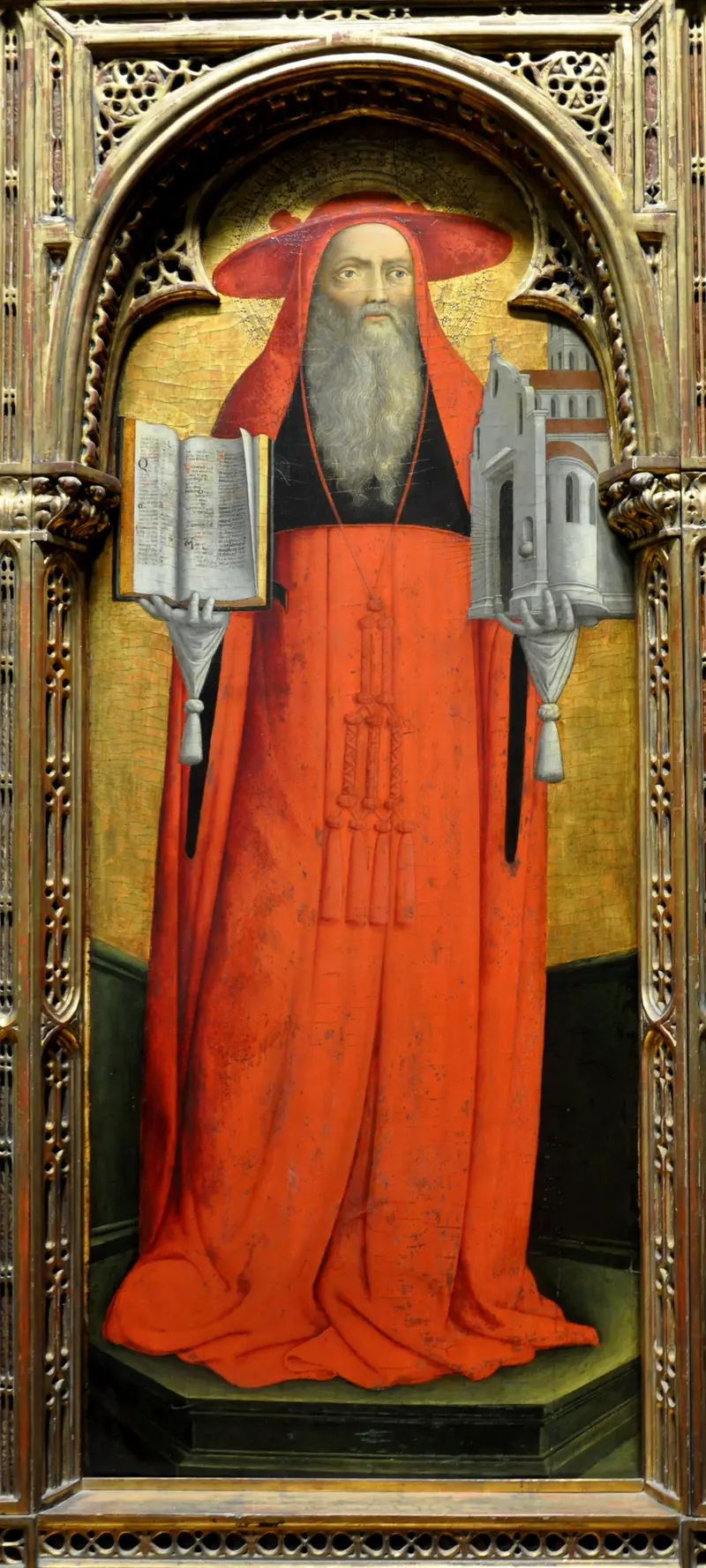
Hieronymus Altar KHM 2
Antonio Vivarini
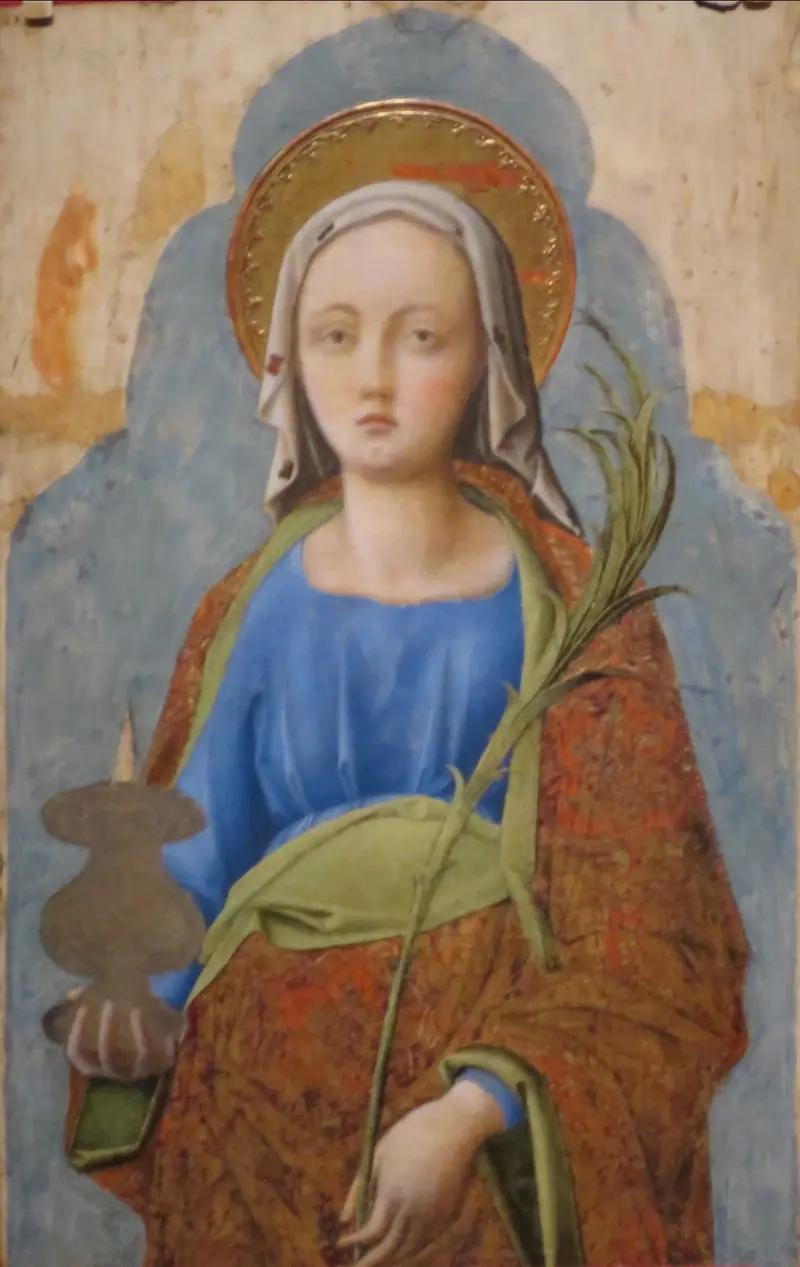
Saint Lucy
Antonio Vivarini
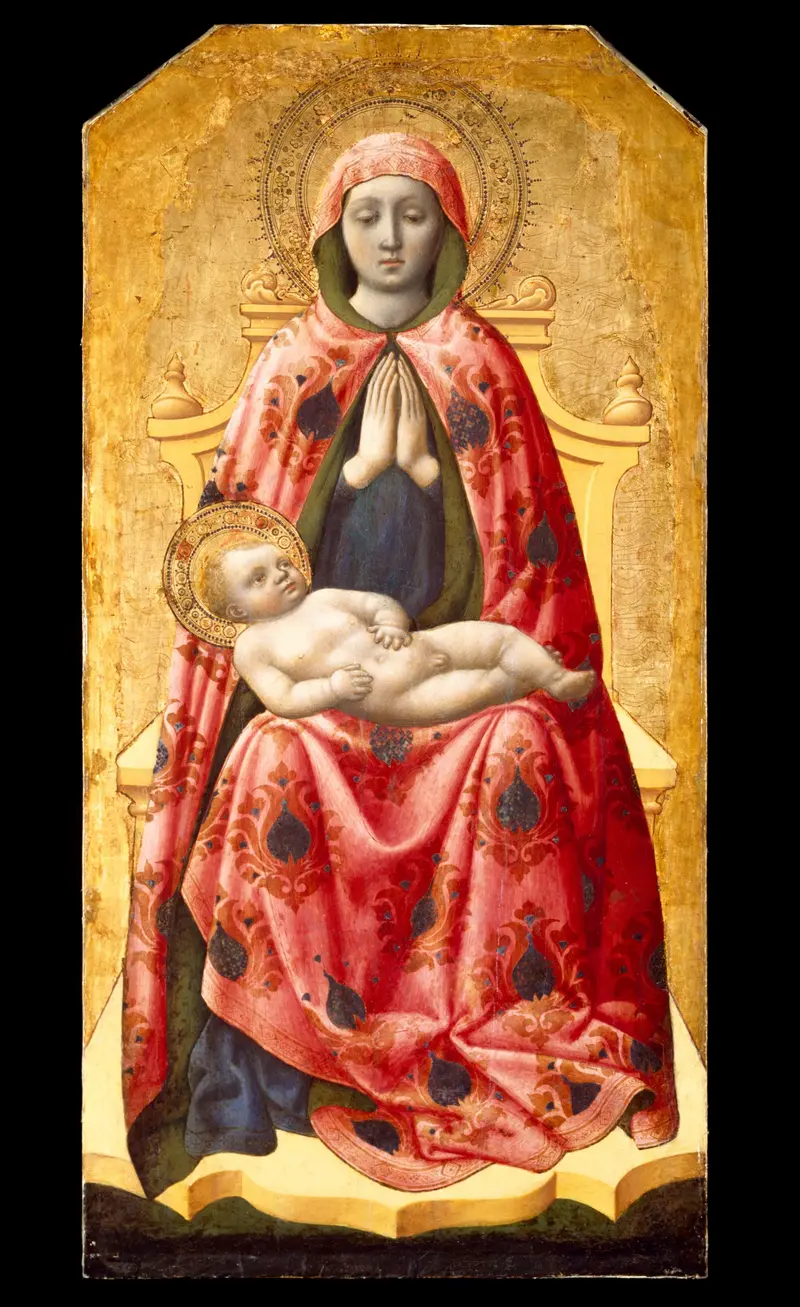
Virgin and Child
Antonio Vivarini





