
Christ in the Tomb — History & Facts
The first thing to catch the eye in Christ in the Tomb is the extraordinary stillness that hangs over the figure. Christ’s body, half-emerging from the tomb, is rendered with a careful attention to the weight of flesh and the hush of death. The painter, Antonio Vivarini, chooses a moment not of drama but of quiet revelation: Christ’s eyes are closed, his wounds visible but not exaggerated, his hand gently resting on his side as if in a final gesture of peace.
The gold halo, intricately tooled, radiates against the muted background, drawing the viewer’s gaze upward and lending the scene a sense of sacred suspension. The palette is restrained, the flesh tones almost waxen, setting off the deep reds of the blood and the black crossbar behind him—a stark reminder of the violence that preceded this calm. Works like this were born in a world where images were more than decoration; they were instruments of devotion, meant to draw the faithful into meditation on the mysteries of Christ’s suffering and resurrection. In fifteenth-century Italy, painters such as Vivarini were commissioned by churches and private patrons alike to bring these sacred stories to life in panel paintings and altarpieces.
The Princeton Art Museum now houses this piece, a testament to the enduring power of such images even when their original context is lost to time. History has kept few traces of this particular painting’s journey, but its solemn presence invites us to linger, to trace the delicate lines of the wounds and the shimmer of gold, and to imagine the prayers it once inspired.
More Artworks by Antonio Vivarini

St. Louis of Toulouse
Antonio Vivarini
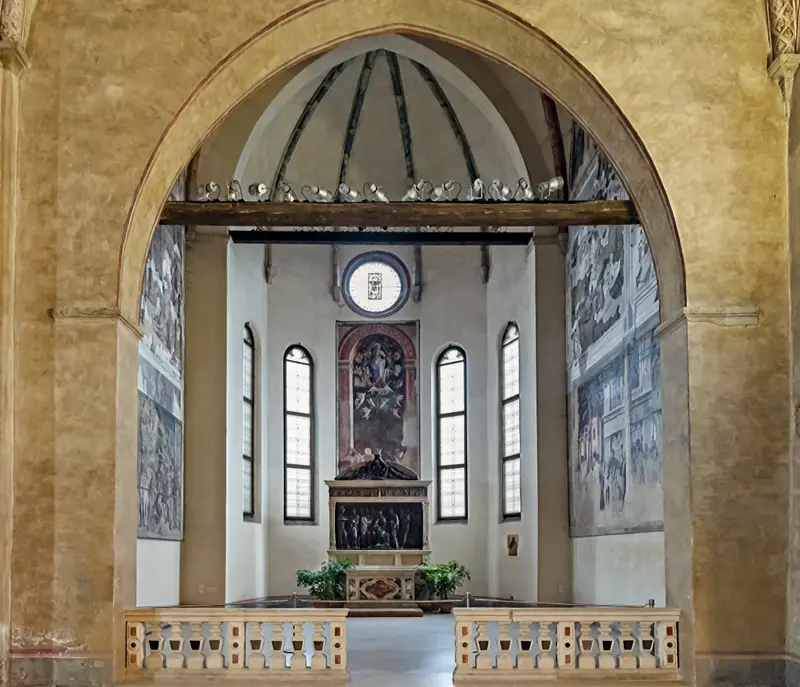
Ovetari Chapel
Antonio Vivarini
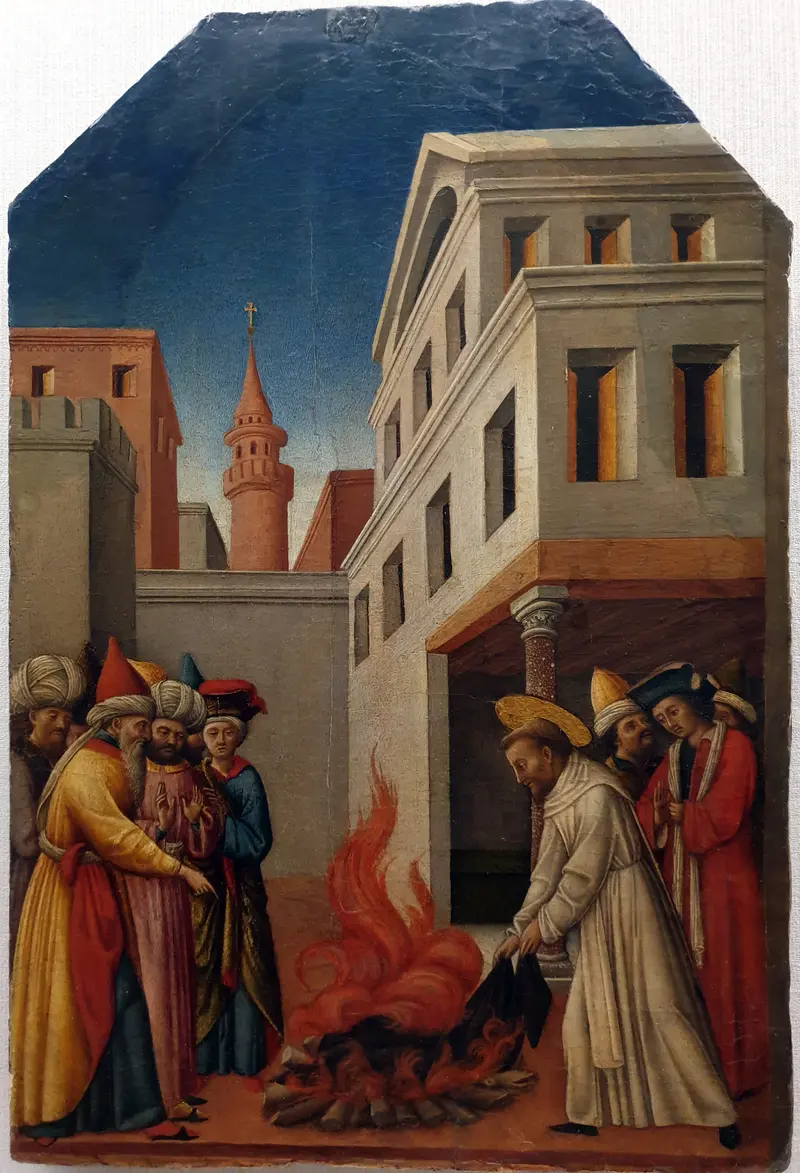
Miracle of the fire of Petrus Martyr
Antonio Vivarini
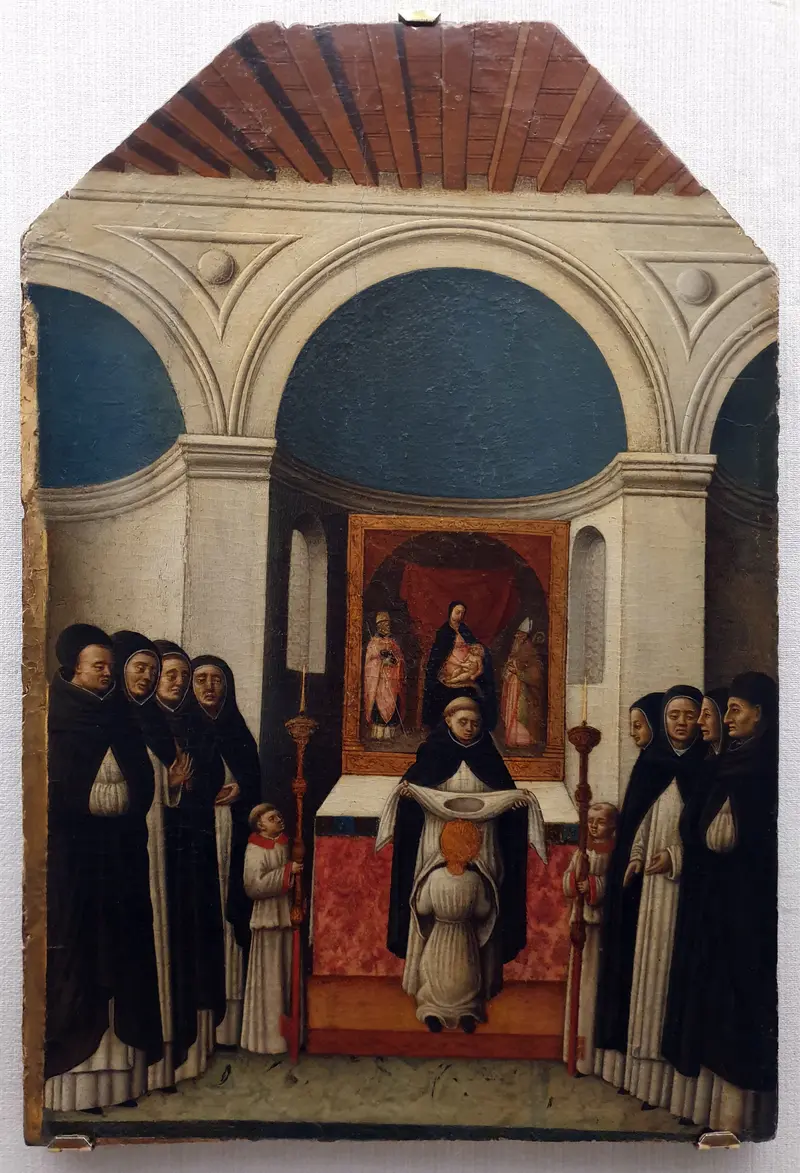
The Saint's Investiture upon His Entry into the Dominican Order
Antonio Vivarini
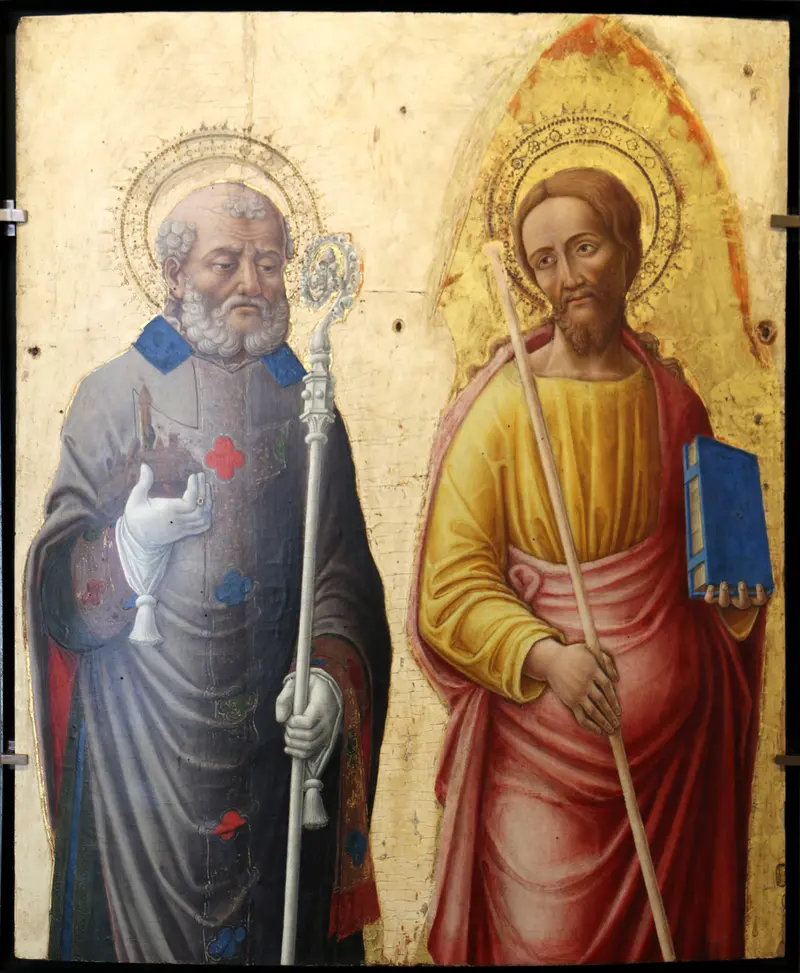
Vivarini saints Pétrone et Jacques
Antonio Vivarini
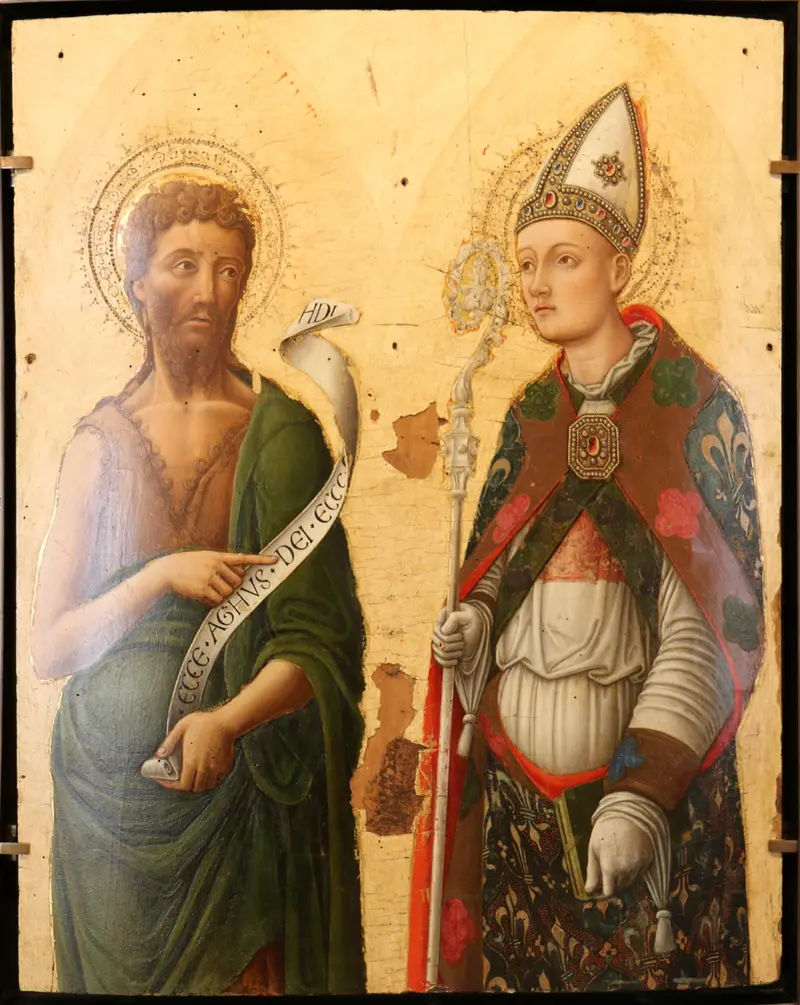
Vivarini Saint Jean Baptiste et saint Louis de Toulouse
Antonio Vivarini
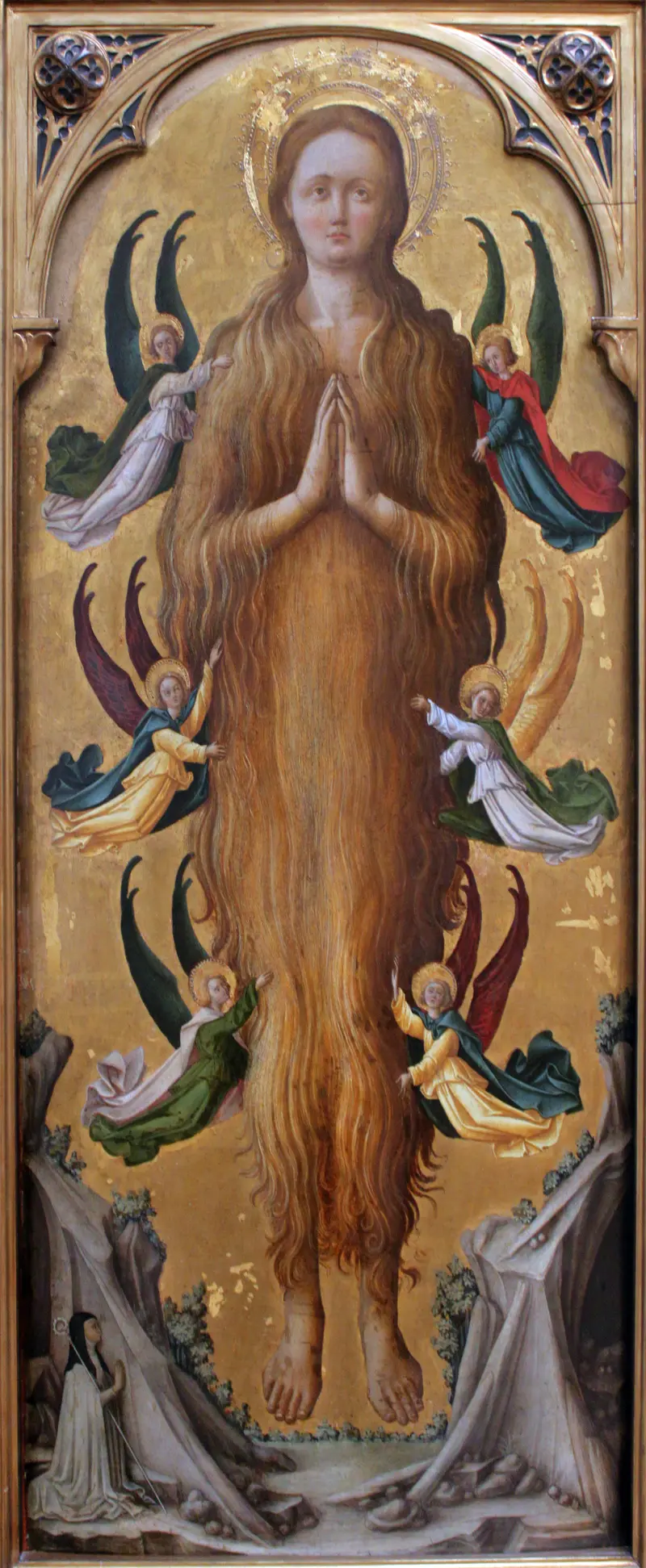
The holy Mary Magdalene, borne aloft by angels
Antonio Vivarini
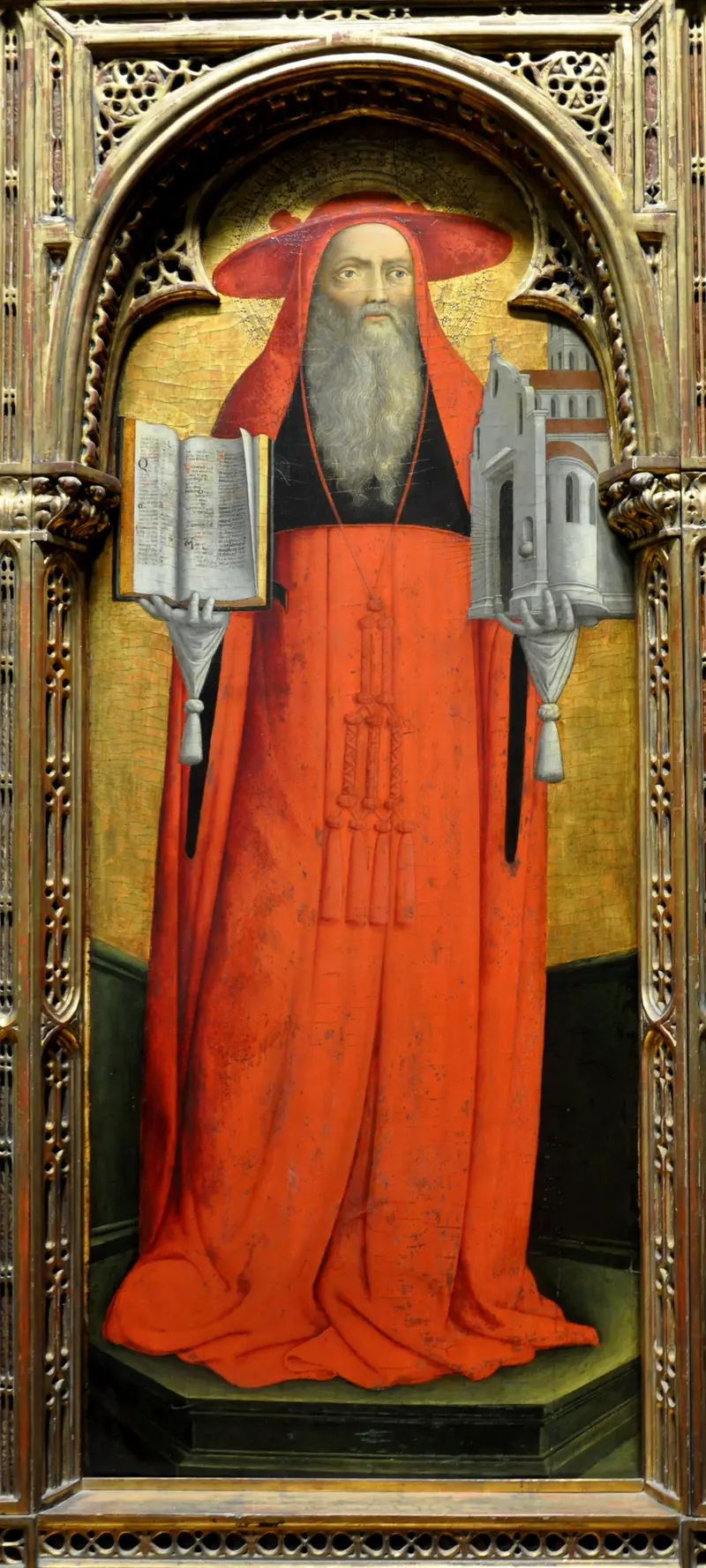
Hieronymus Altar KHM 2
Antonio Vivarini
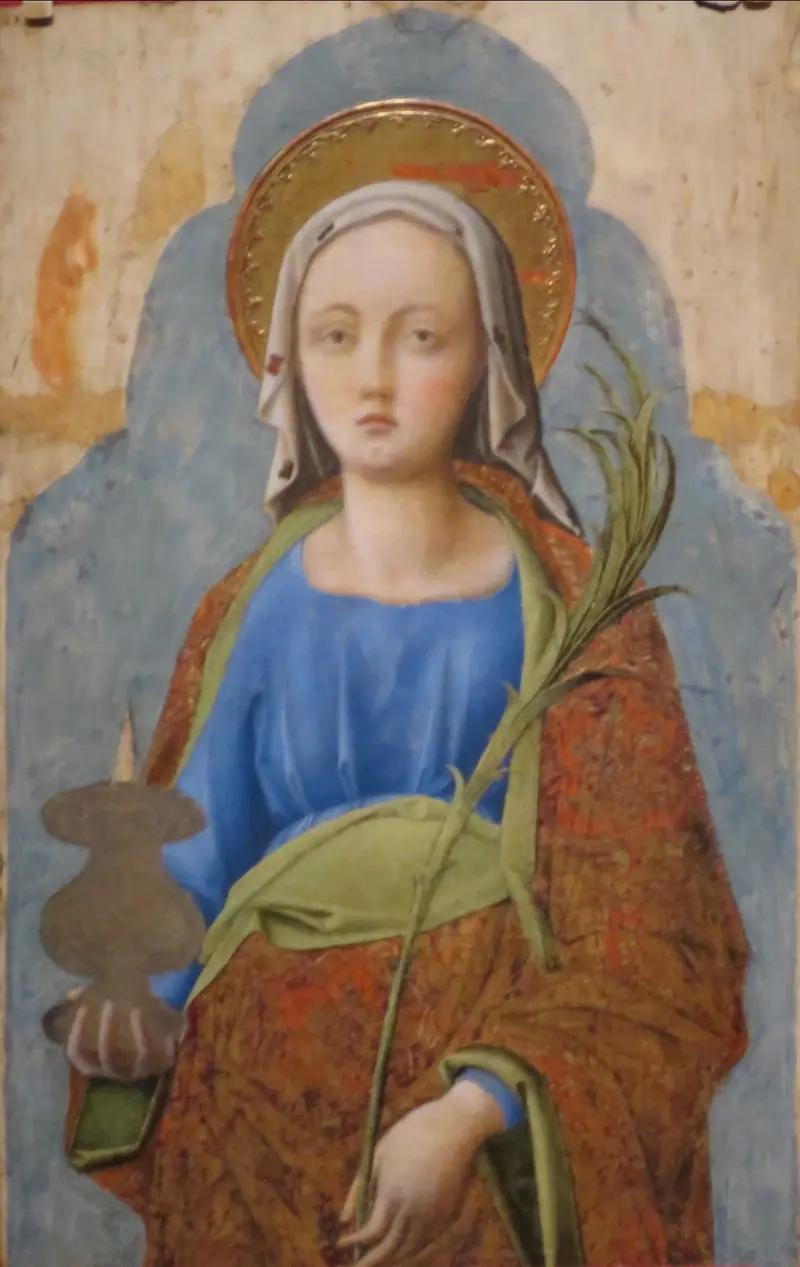
Saint Lucy
Antonio Vivarini
Virgin and Child
Antonio Vivarini





