
Saint Lucy — History & Facts
The first thing that draws the eye in Saint Lucy by Antonio Vivarini is the saint’s calm, unwavering gaze, set against a worn, pale background that seems almost to dissolve around her. Her right hand holds a palm frond, the traditional sign of martyrdom, while her left presents a vessel—its ambiguous shape inviting speculation about its meaning. The gold halo, delicately tooled, frames her head with a quiet authority, while the blue and red of her garments glow with a restrained richness, their folds rendered with care.
The saint’s expression is neither sorrowful nor triumphant, but quietly resolute, as if she stands between worlds—her faith unshaken, her fate already sealed. Painted around 1449-1450, this work emerges from the devotional culture of fifteenth-century Italy, when images of saints were commissioned for private prayer and small chapels, meant to serve as intermediaries between the earthly and the divine. Antonio Vivarini was active in Venice and the Veneto, a region where the International Gothic style was giving way to the early Renaissance’s new sense of volume and presence. While little is recorded about this specific painting or its journey, its survival in a private collection today is a quiet testament to the enduring role of such images in personal devotion.
The gentle modeling of Lucy’s face and the ornamental detail of her robe invite us to look again, searching for the traces of faith and artistry that connect us to a distant, devout world.
More Artworks by Antonio Vivarini

St. Louis of Toulouse
Antonio Vivarini
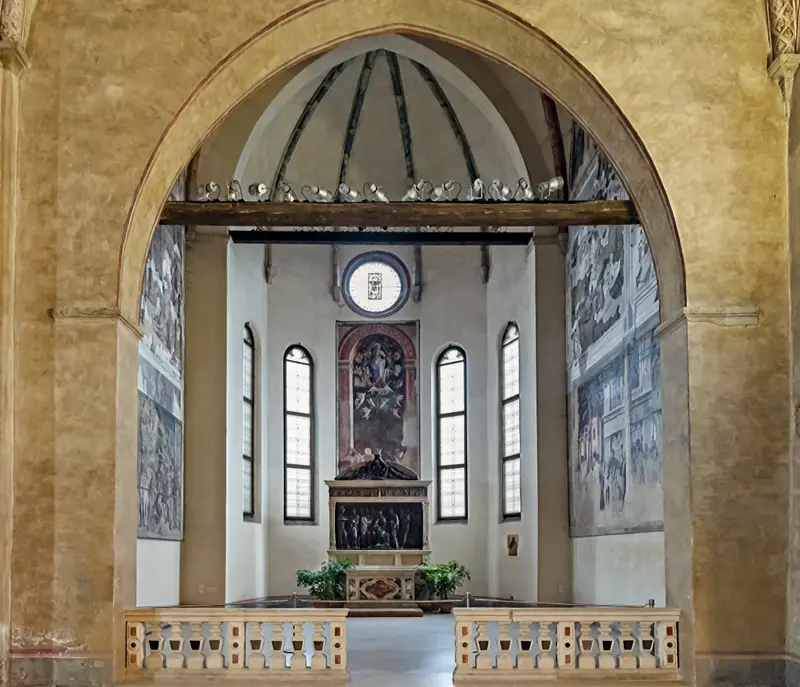
Ovetari Chapel
Antonio Vivarini
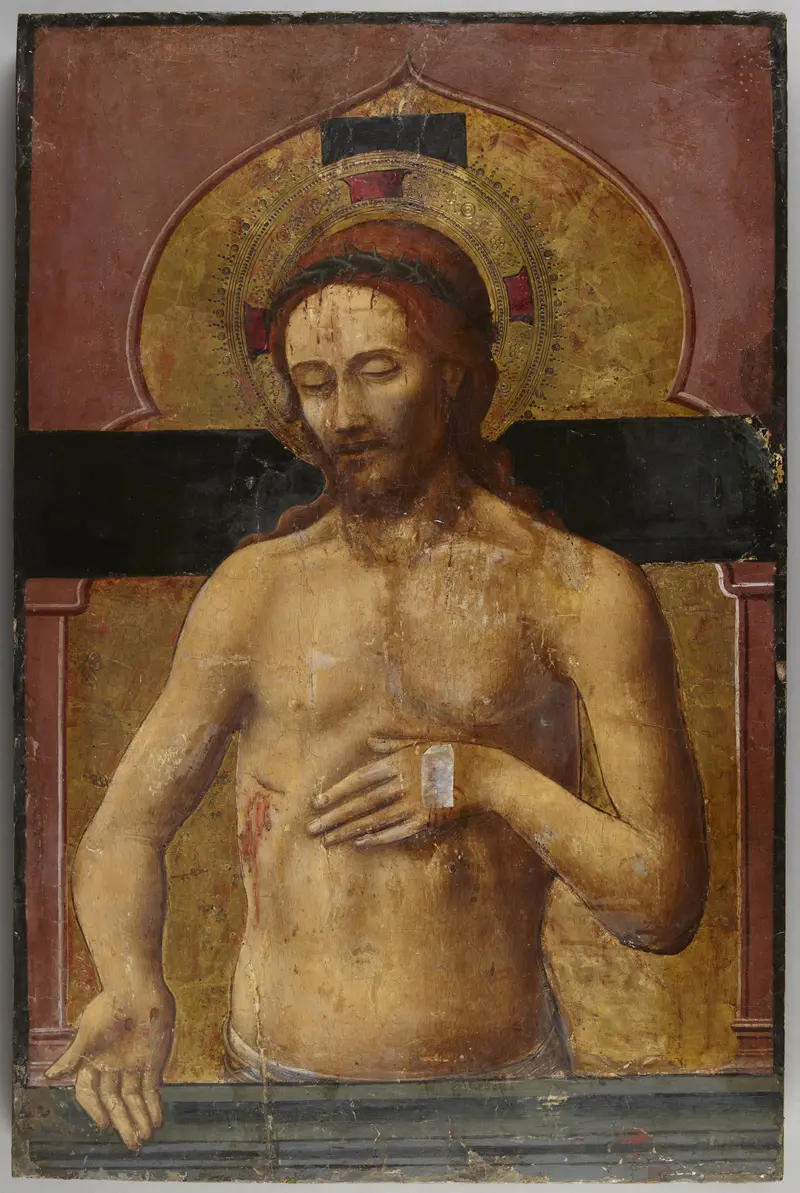
Christ in the Tomb
Antonio Vivarini
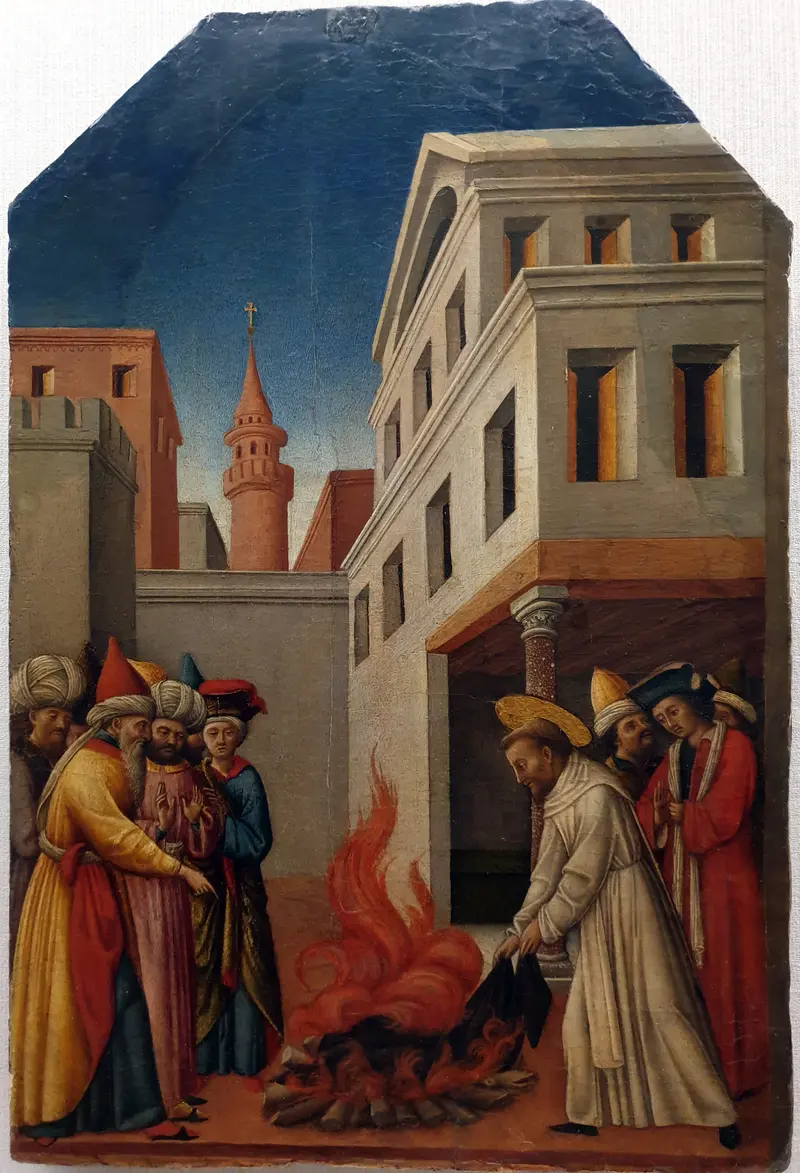
Miracle of the fire of Petrus Martyr
Antonio Vivarini
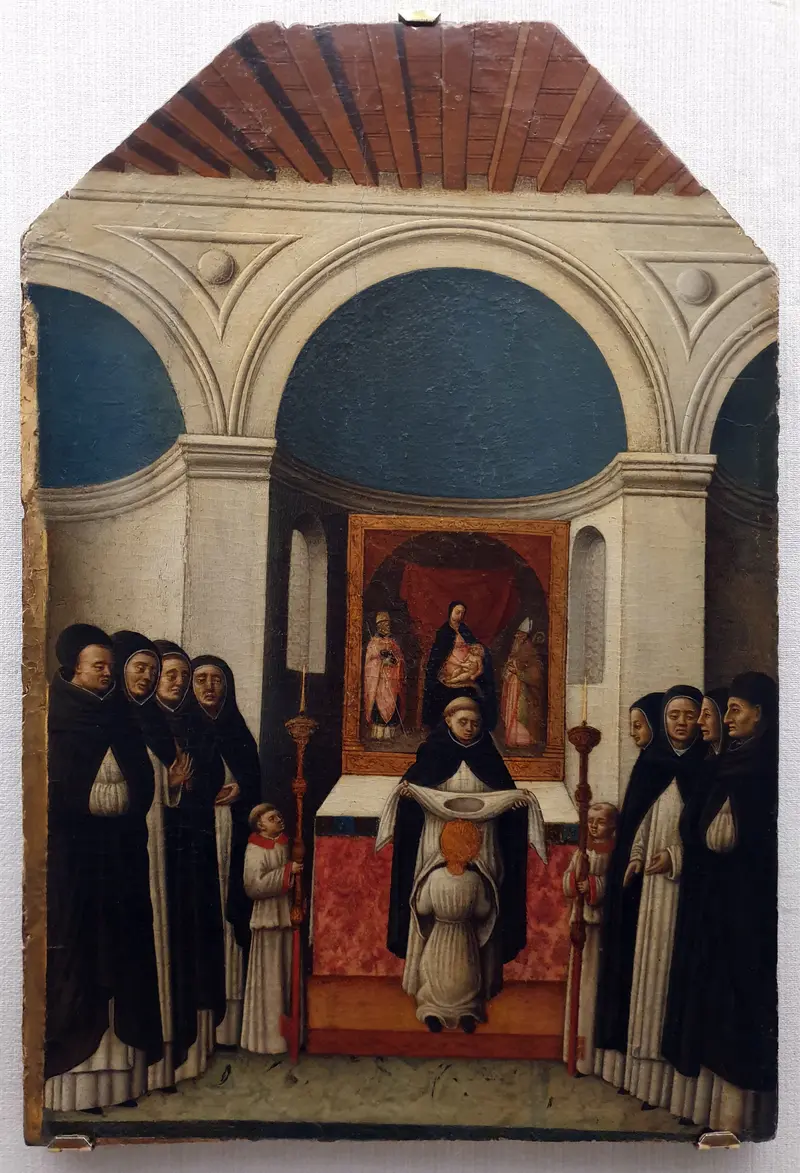
The Saint's Investiture upon His Entry into the Dominican Order
Antonio Vivarini
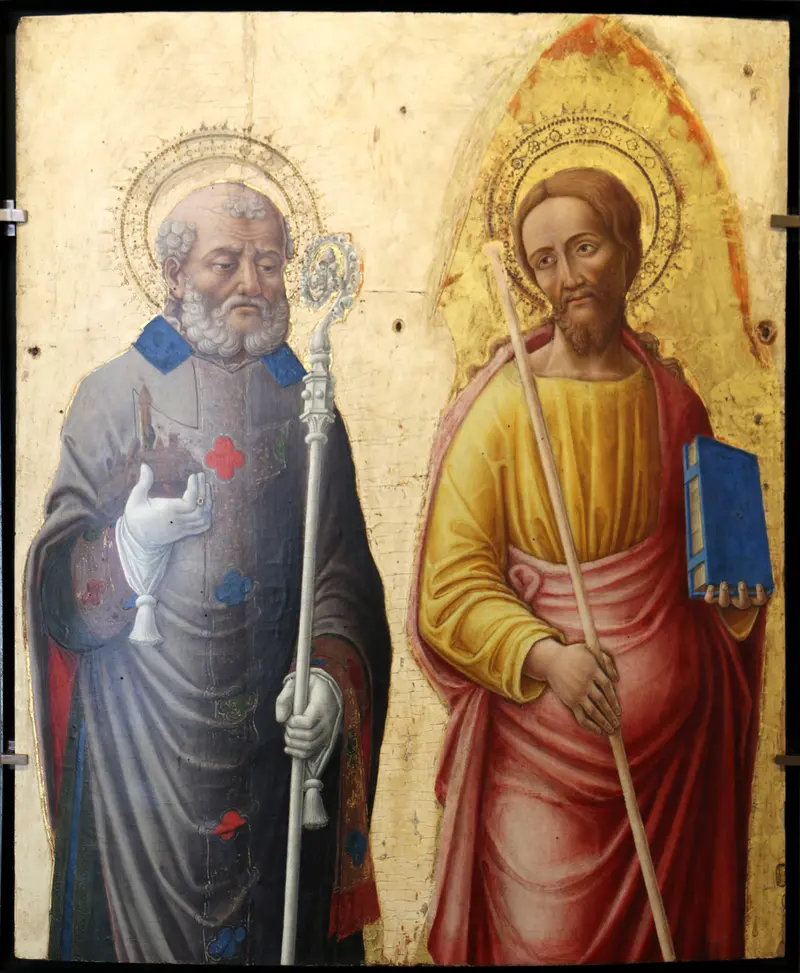
Vivarini saints Pétrone et Jacques
Antonio Vivarini
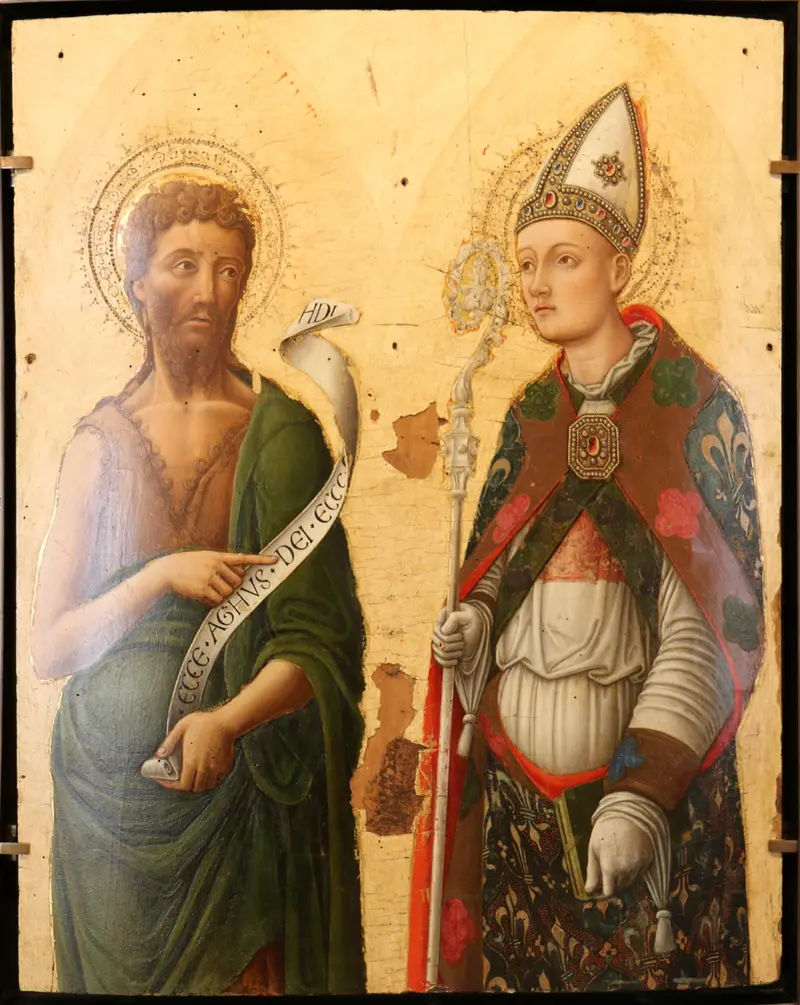
Vivarini Saint Jean Baptiste et saint Louis de Toulouse
Antonio Vivarini
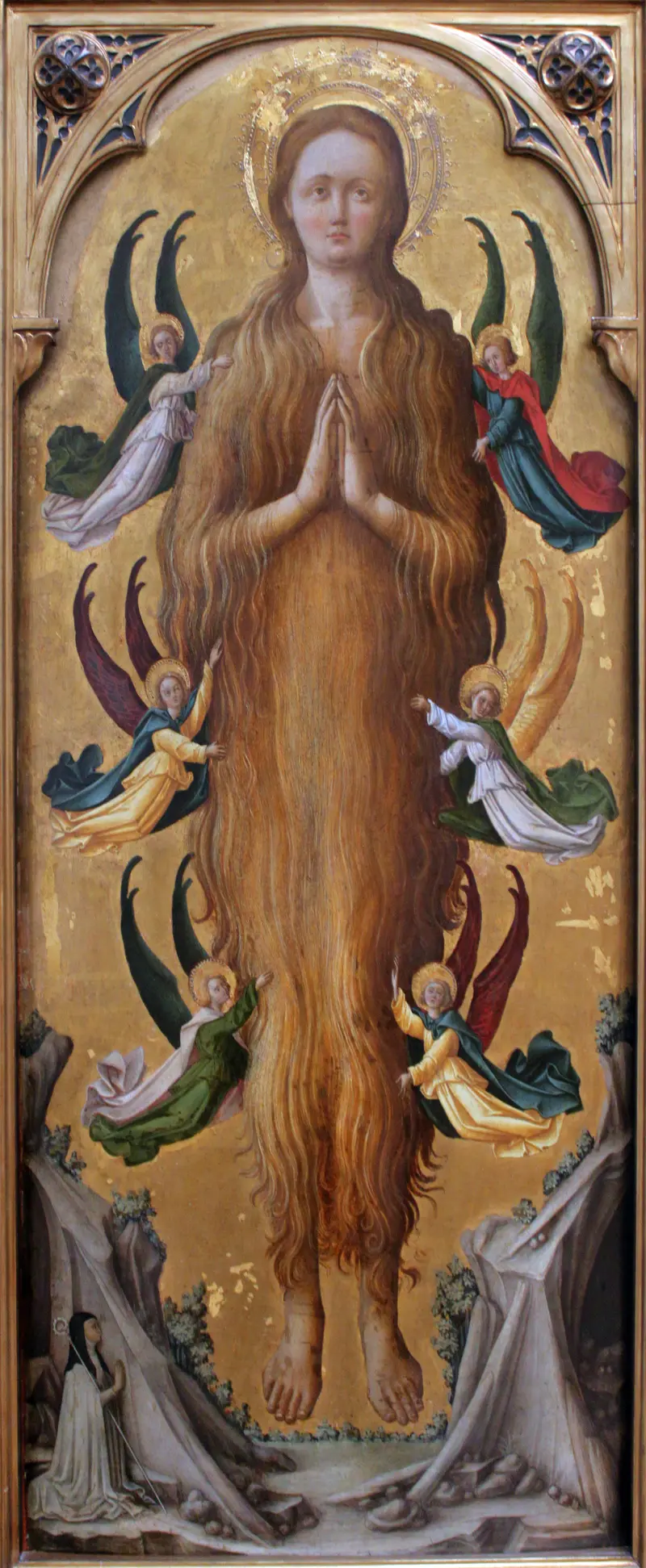
The holy Mary Magdalene, borne aloft by angels
Antonio Vivarini
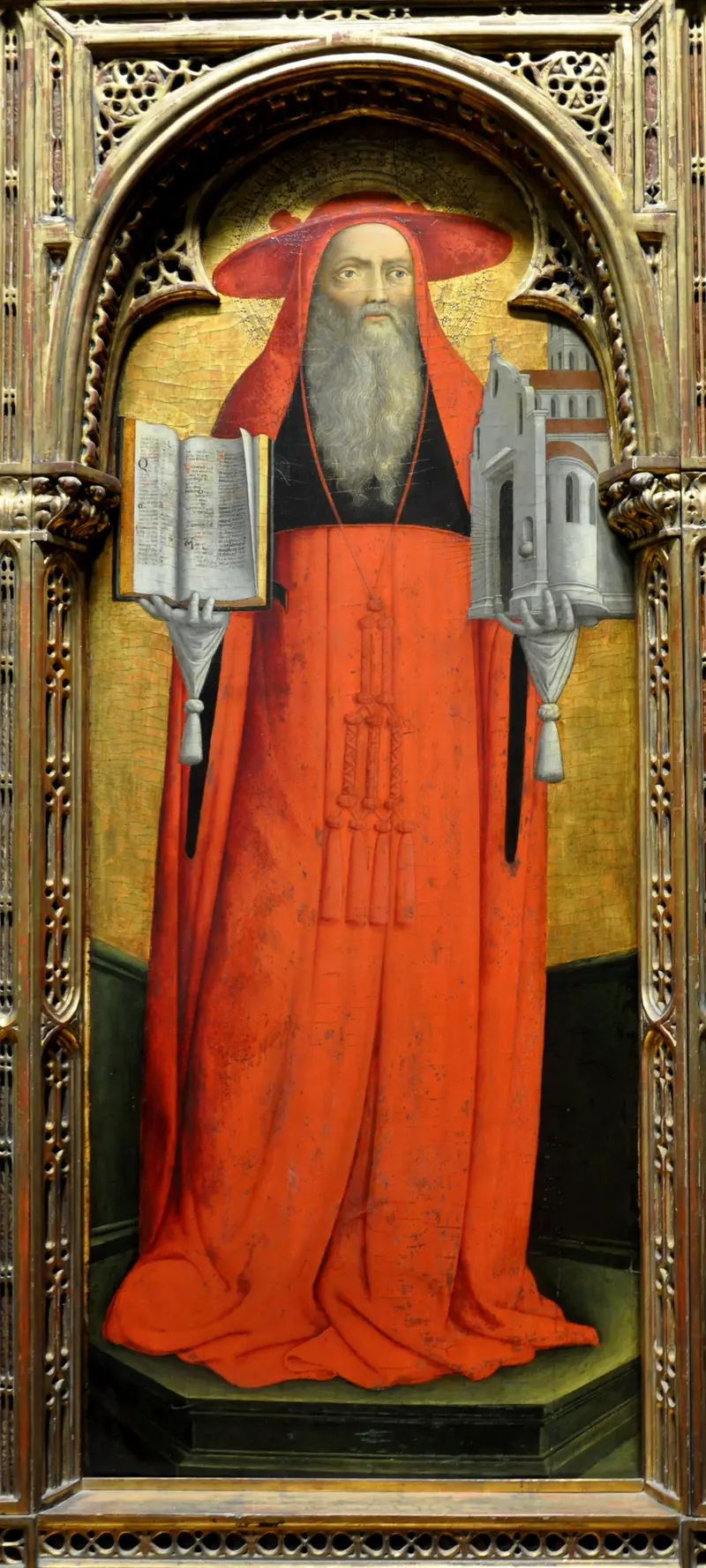
Hieronymus Altar KHM 2
Antonio Vivarini
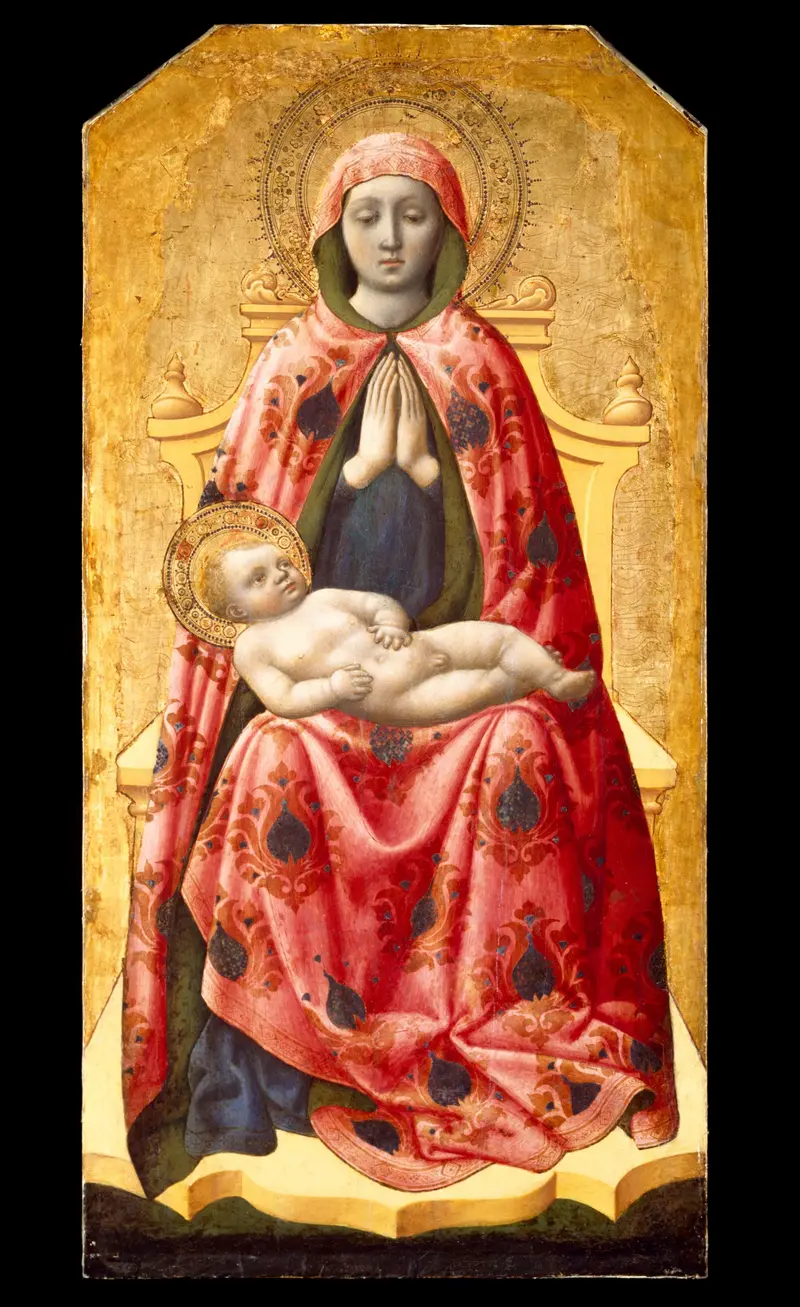
Virgin and Child
Antonio Vivarini





