
The Saint's Investiture upon His Entry into the Dominican Order — History & Facts
What first catches the eye in The Saint's Investiture upon His Entry into the Dominican Order is the careful choreography of devotion, every figure poised in a moment of ritual gravity. The architecture frames the scene with a sense of solemn enclosure, its arches and deep blue vaults drawing the viewer’s gaze toward the altar at the center. Here, the drama unfolds: a kneeling novice, head bowed, receives the white habit of the Dominicans from a senior friar, his gesture deliberate and almost theatrical as he holds the garment wide.
On either side, the black-and-white-robed brethren form a living corridor, their faces a study in reverence, anticipation, and quiet pride. The altar boys, candle in hand, anchor the ceremony in the real world, while the altarpiece-within-the-painting—showing the Virgin and saints—reminds us of the spiritual stakes at play. Painted between 1440 and 1450, this work by Antonio Vivarini belongs to a world where religious life was both a public spectacle and a private vow. Such investiture scenes were not only records of a sacred rite but also tools of inspiration and instruction, often commissioned by monastic communities themselves to honor their founders or celebrate the ideals of their order.
The measured symmetry and clarity of the composition reflect the values of the early Renaissance in northern Italy, where artists like Vivarini balanced Gothic detail with the new language of perspective and architectural order. While history has kept few traces of this specific panel’s journey, its survival in the Anagoria collection invites us to linger over the faces, the gestures, and the silent drama of belonging—a drama as immediate now as it was nearly six centuries ago.
More Artworks by Antonio Vivarini

St. Louis of Toulouse
Antonio Vivarini
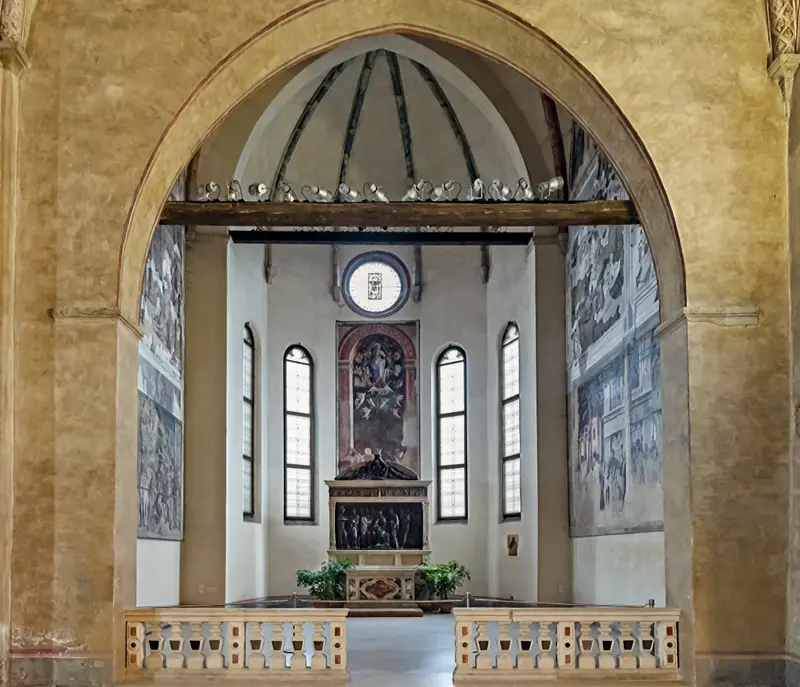
Ovetari Chapel
Antonio Vivarini
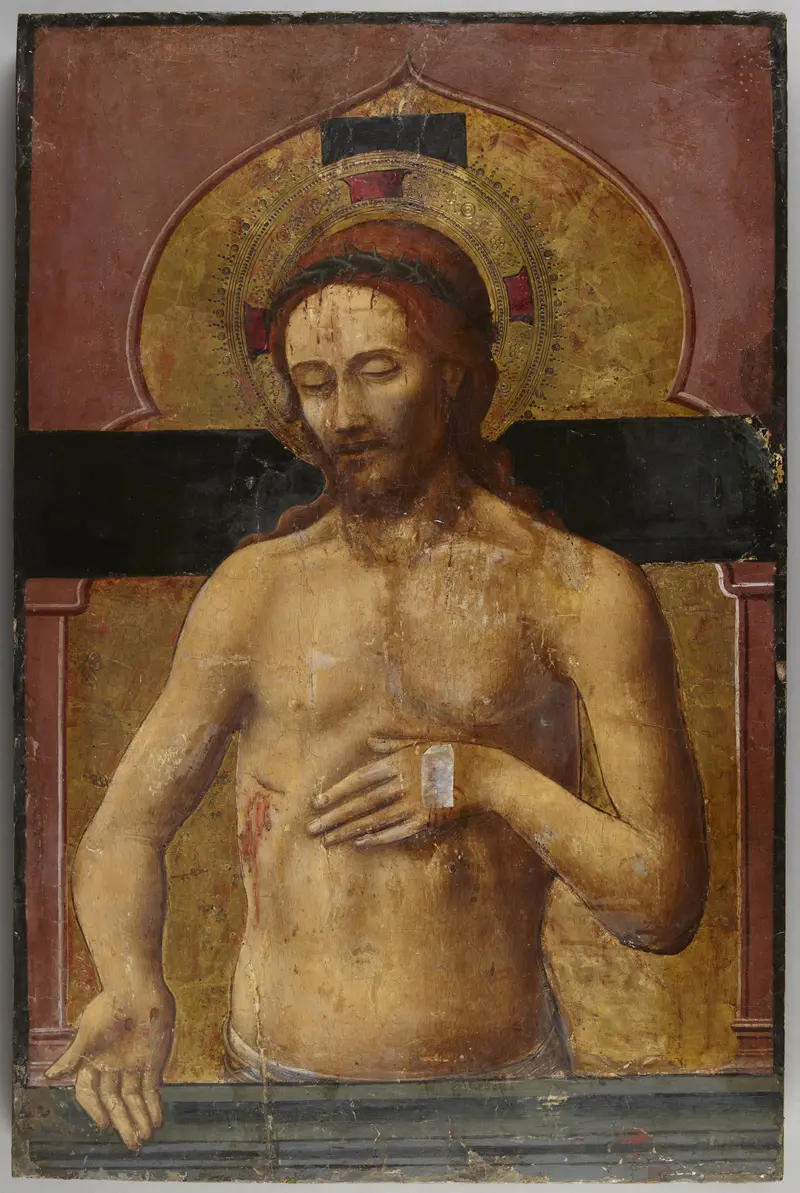
Christ in the Tomb
Antonio Vivarini
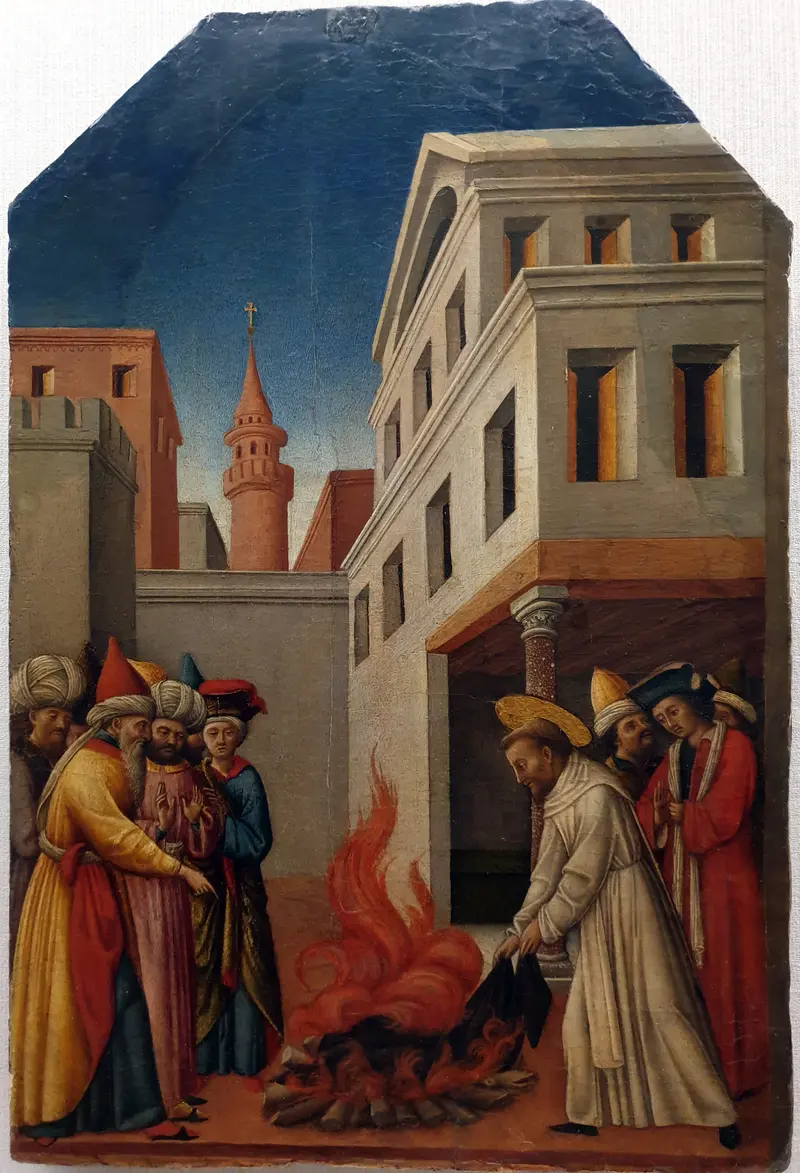
Miracle of the fire of Petrus Martyr
Antonio Vivarini
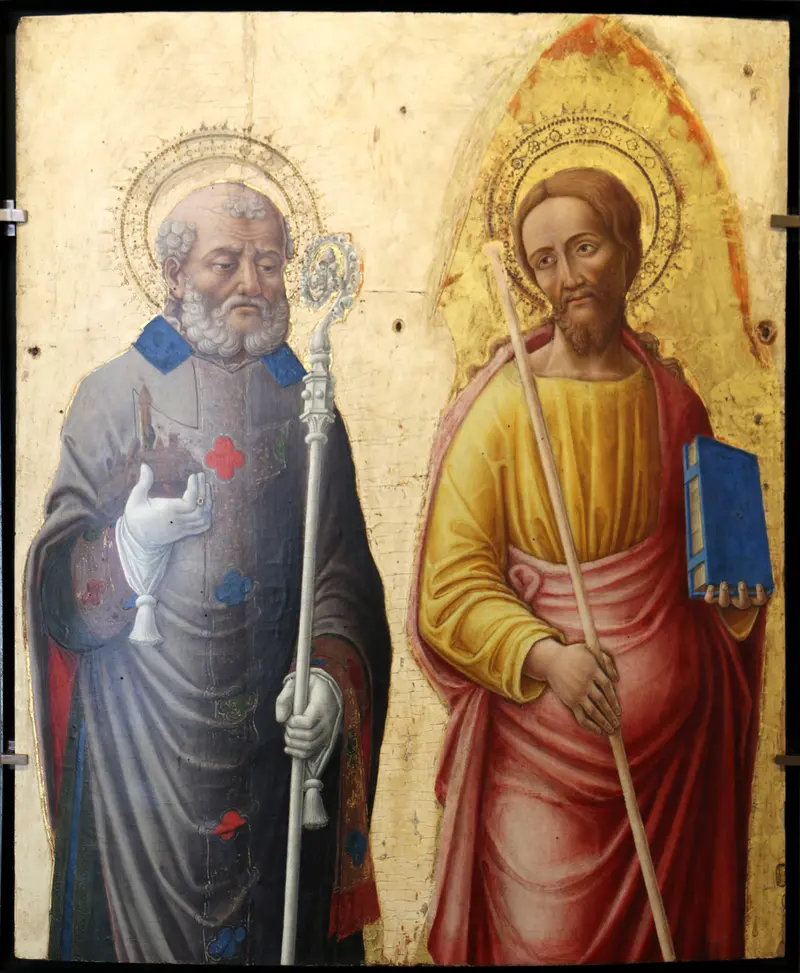
Vivarini saints Pétrone et Jacques
Antonio Vivarini
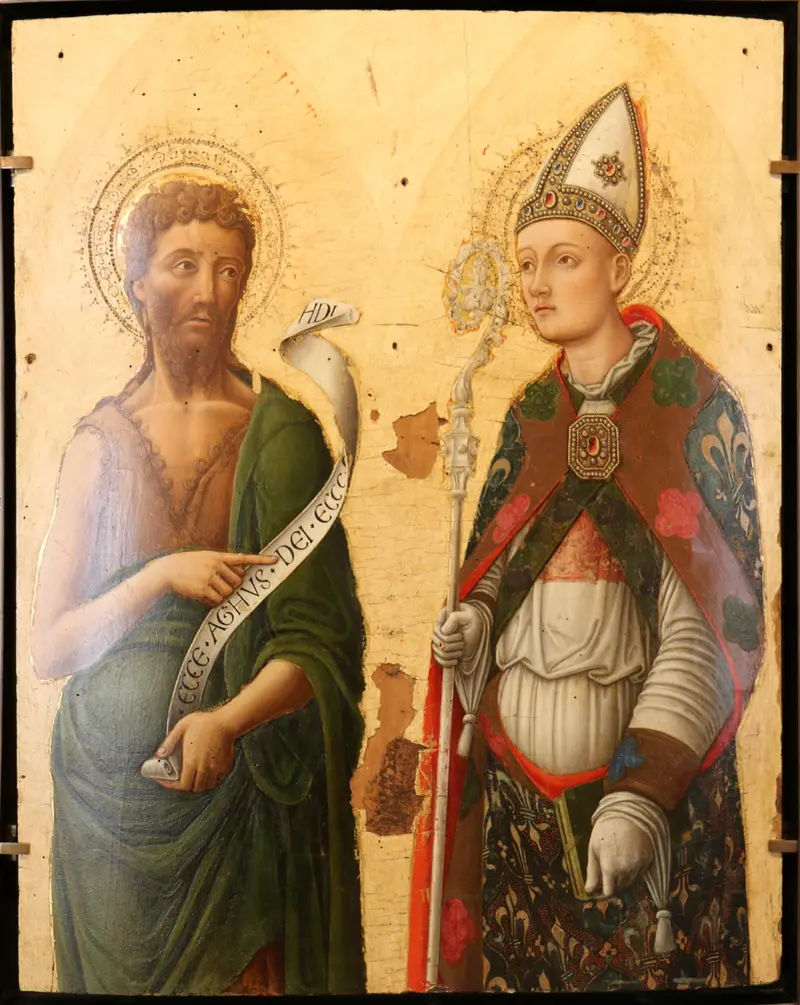
Vivarini Saint Jean Baptiste et saint Louis de Toulouse
Antonio Vivarini
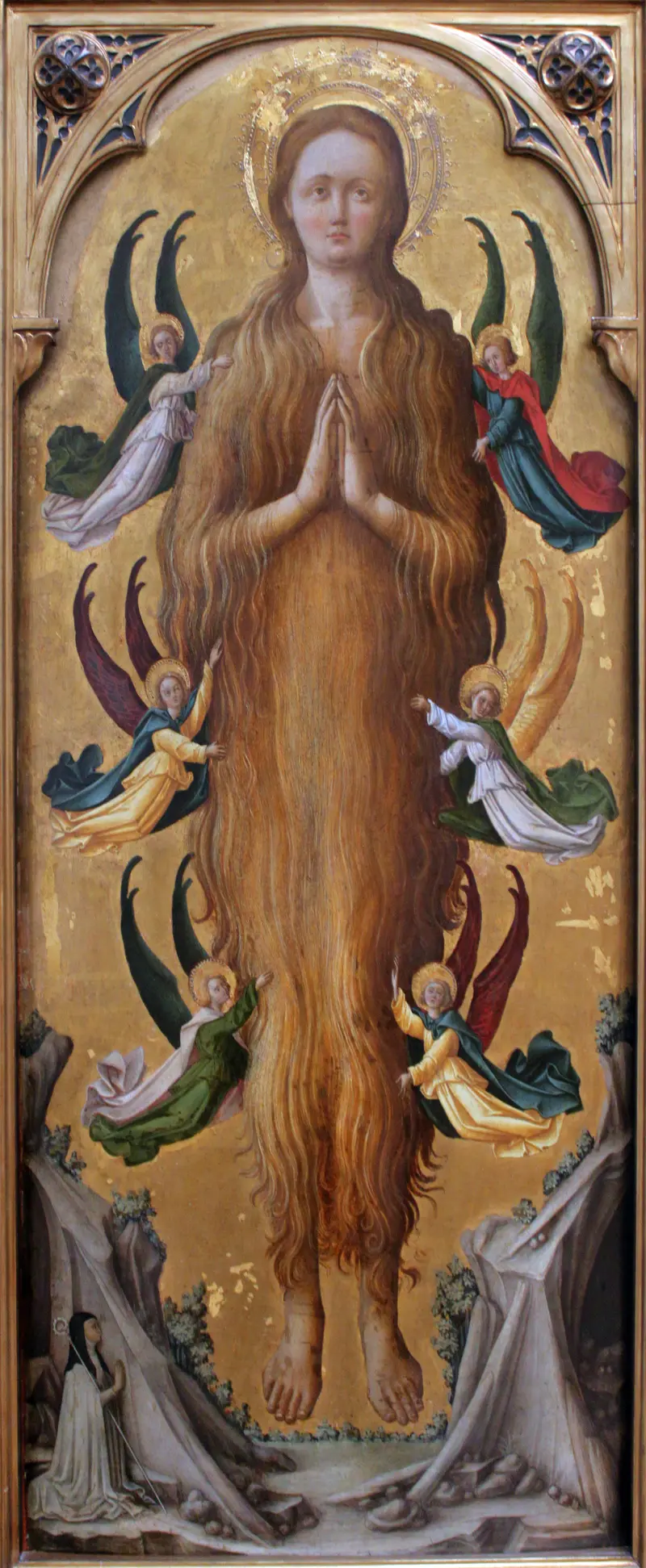
The holy Mary Magdalene, borne aloft by angels
Antonio Vivarini
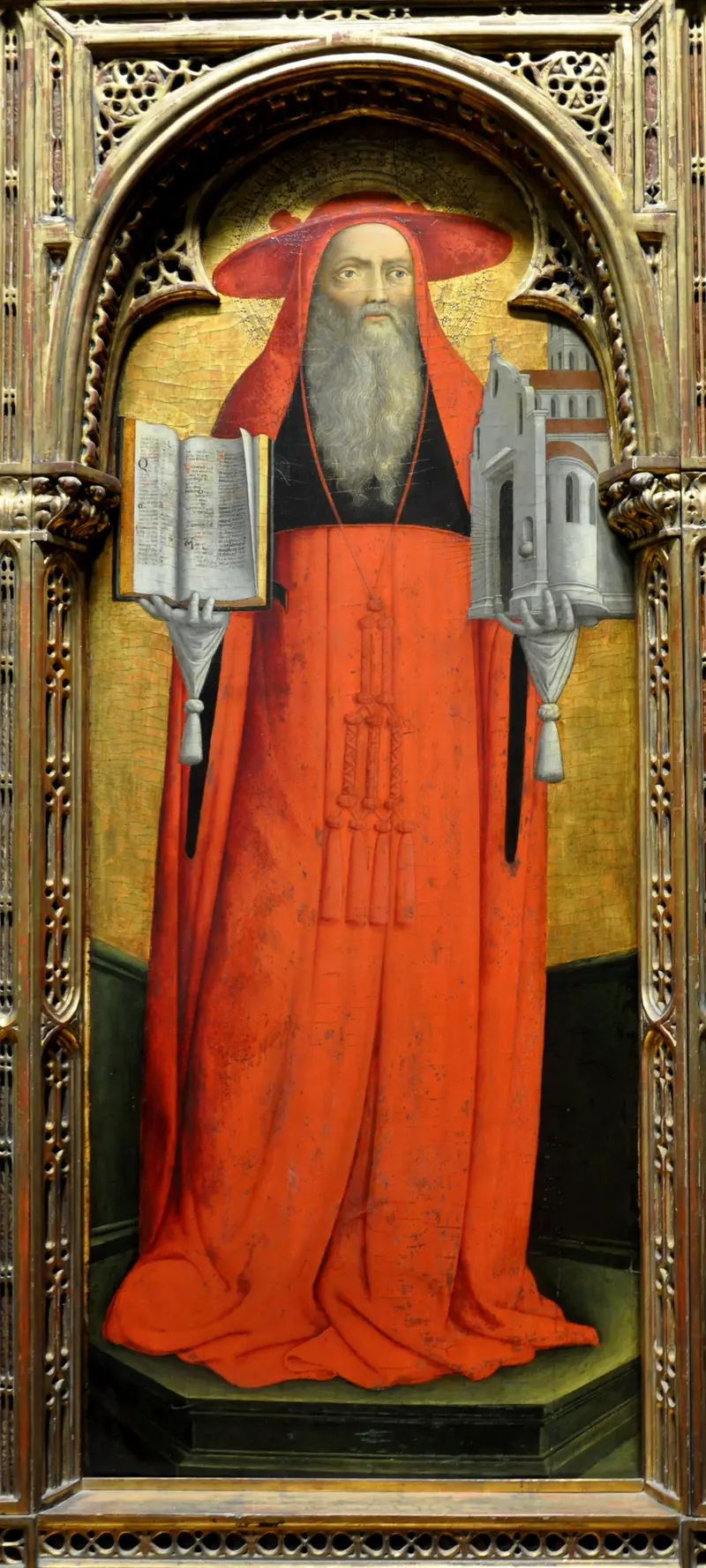
Hieronymus Altar KHM 2
Antonio Vivarini
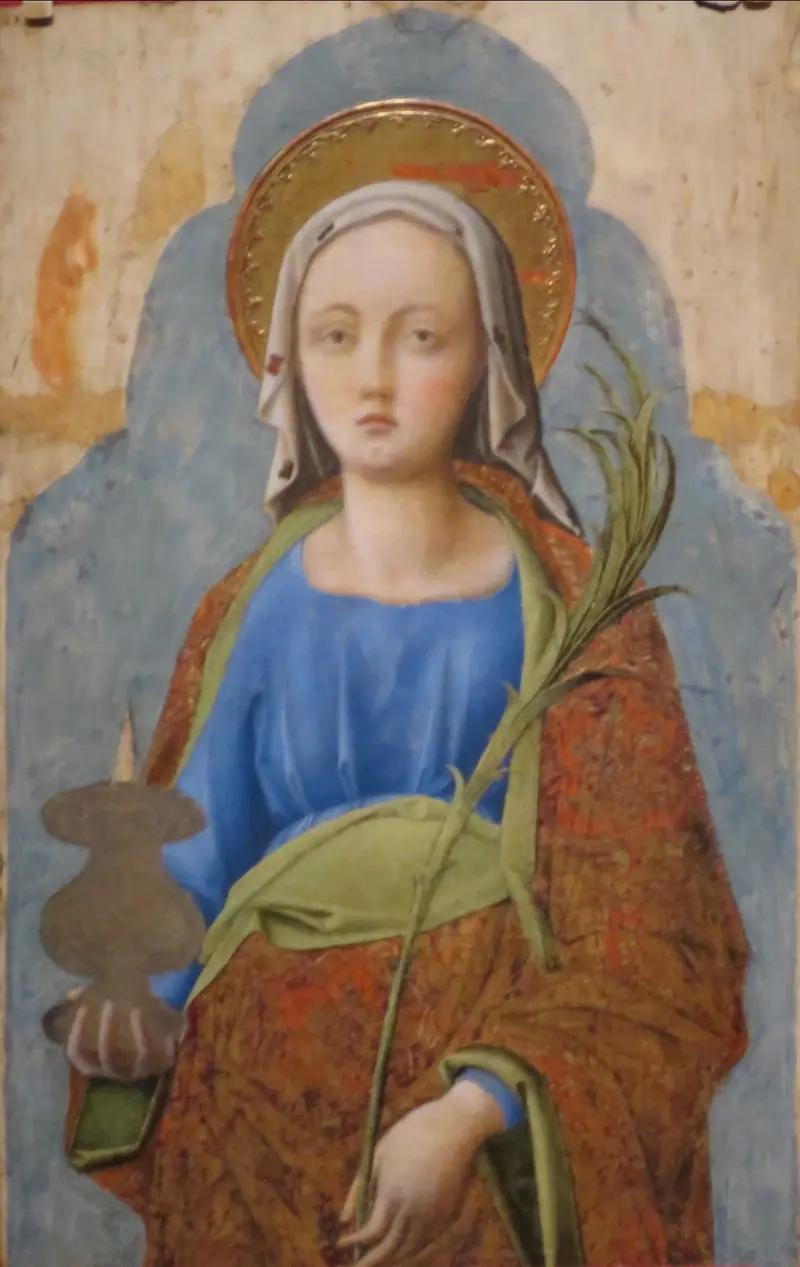
Saint Lucy
Antonio Vivarini
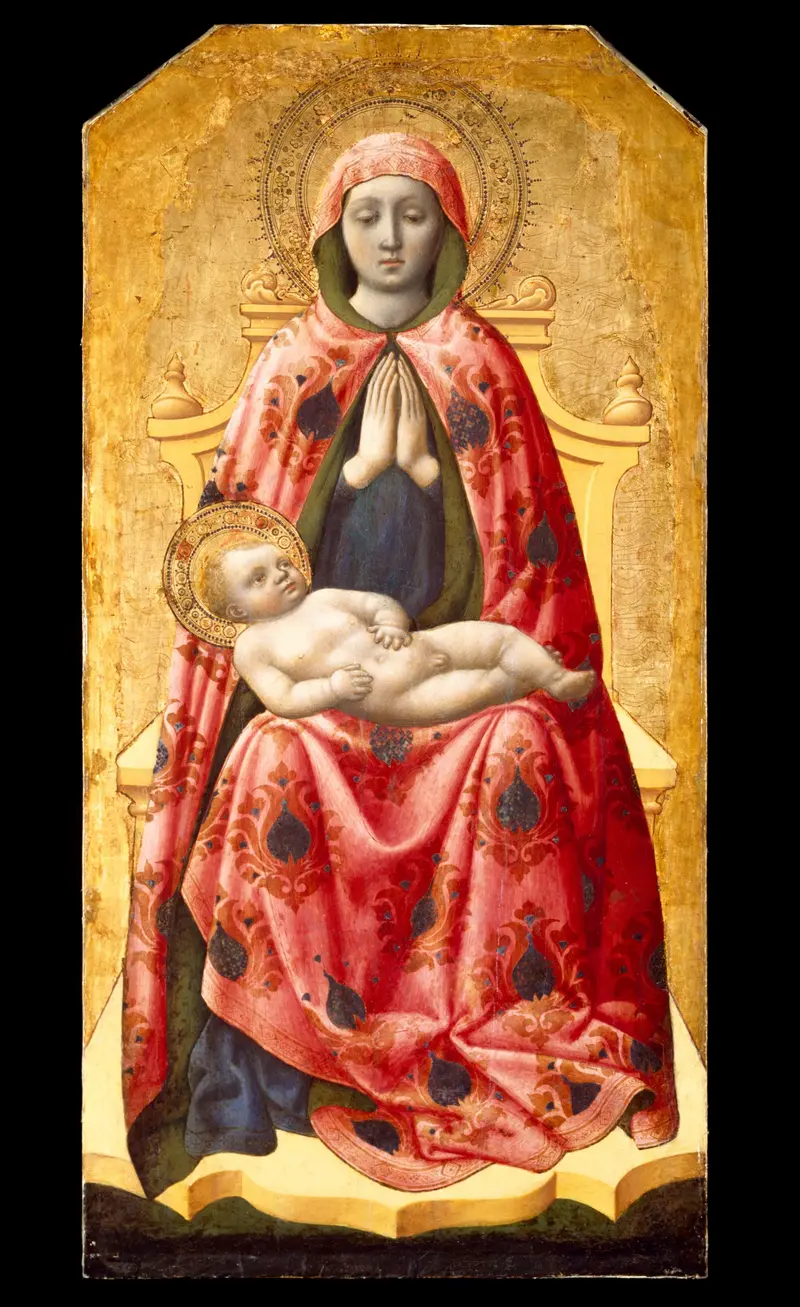
Virgin and Child
Antonio Vivarini





