
Vivarini Saint Jean Baptiste et saint Louis de Toulouse — History & Facts
The first thing to catch the eye is the golden shimmer that halos both figures, drawing them out of the flat, pale background and into a space that feels at once sacred and immediate. The left figure, with wild curls and a searching gaze, holds a scroll inscribed with the words “Ecce Agnus Dei”—a visual cue that this is Saint John the Baptist, the forerunner and herald. His finger points emphatically, guiding the viewer’s attention not just to the scroll but to the very act of witnessing.
Beside him stands a bishop in ornate vestments, his mitre and staff rendered with careful attention to jeweled detail and embroidered pattern, signaling status and sanctity. The bishop’s youthful face and contemplative calm suggest Saint Louis of Toulouse, a prince who renounced power for the church. The contrast between John’s rough green cloak and the bishop’s sumptuous robes is more than decorative: it sets up a dialogue between asceticism and authority, prophecy and institution, each illuminated by the same golden light. Painted circa 1463, this panel by Antonio Vivarini belongs to a world in transition, where the late Gothic’s love of ornament met the early stirrings of Renaissance naturalism in Venice and the Veneto.
Works like this were often commissioned for church altarpieces or private devotion, intended to bring the saints into the daily lives of the faithful. The careful pairing of John the Baptist and Louis of Toulouse reflects the era’s fascination with both the wild prophet and the princely saint, each offering a different model of holiness. Little is recorded about the journey of this particular painting, but its survival allows us a glimpse into the devotional practices and artistic ambitions of fifteenth-century Italy.
Stand before it long enough, and the conversation between these two saints—one pointing, one listening—invites the viewer to join in.
More Artworks by Antonio Vivarini

St. Louis of Toulouse
Antonio Vivarini
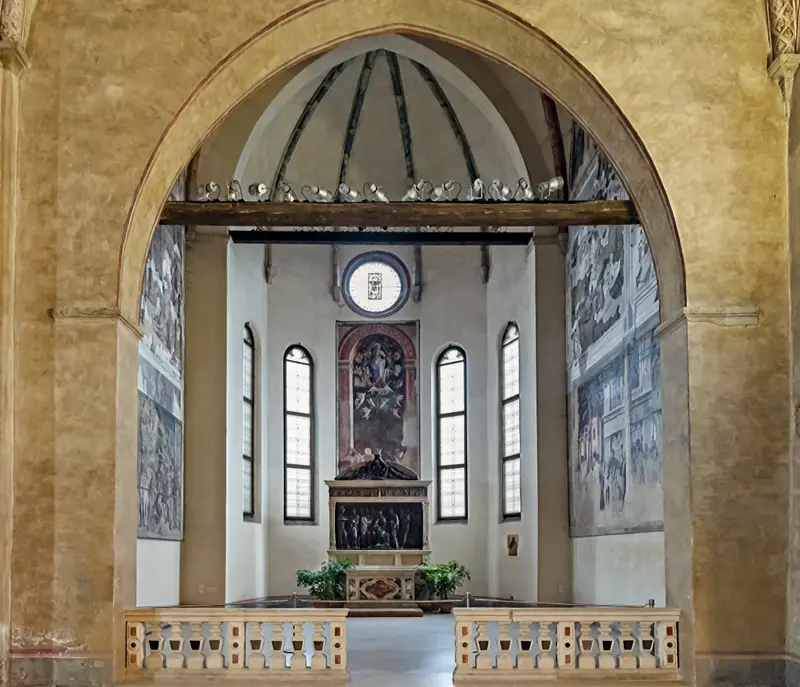
Ovetari Chapel
Antonio Vivarini
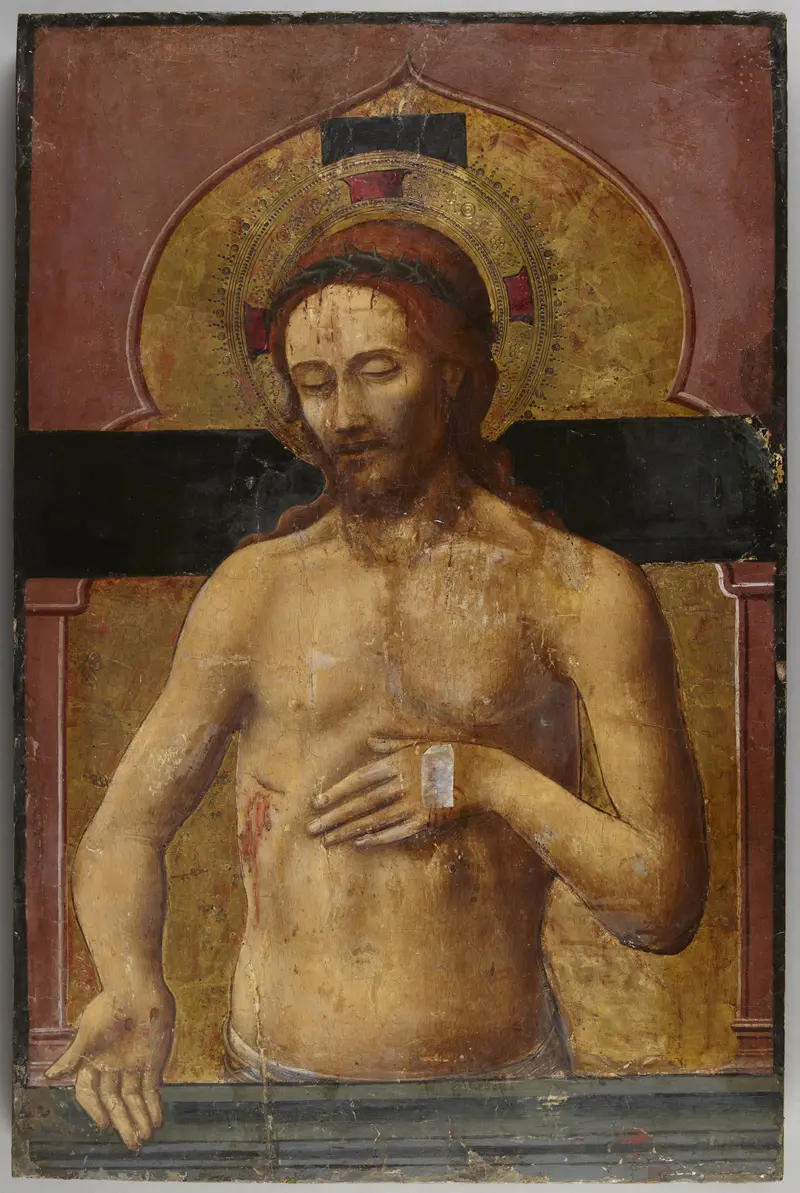
Christ in the Tomb
Antonio Vivarini
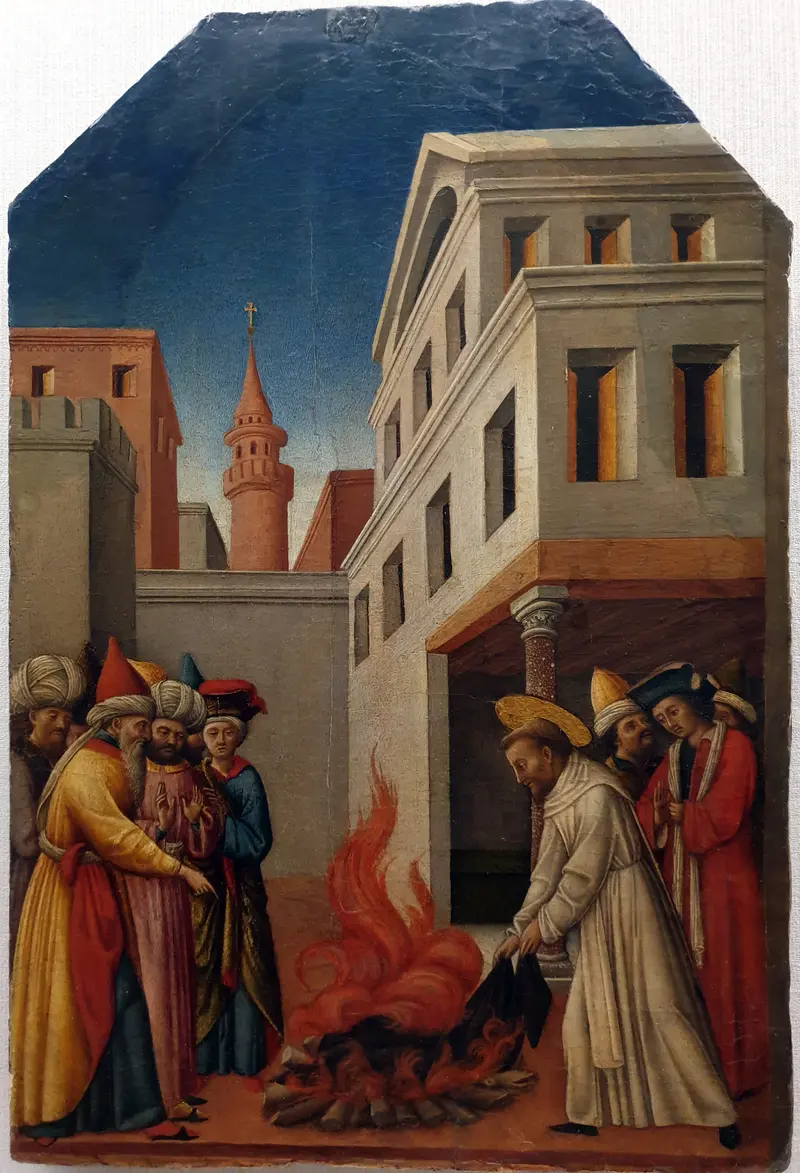
Miracle of the fire of Petrus Martyr
Antonio Vivarini
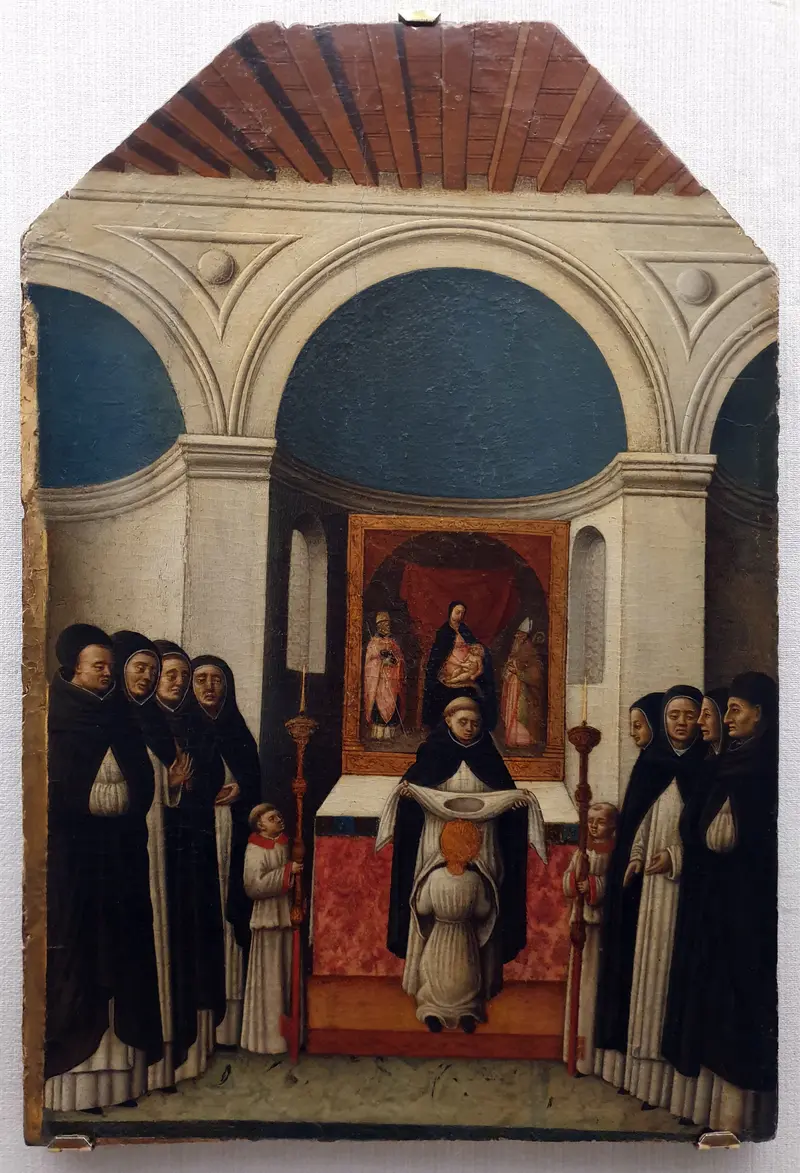
The Saint's Investiture upon His Entry into the Dominican Order
Antonio Vivarini
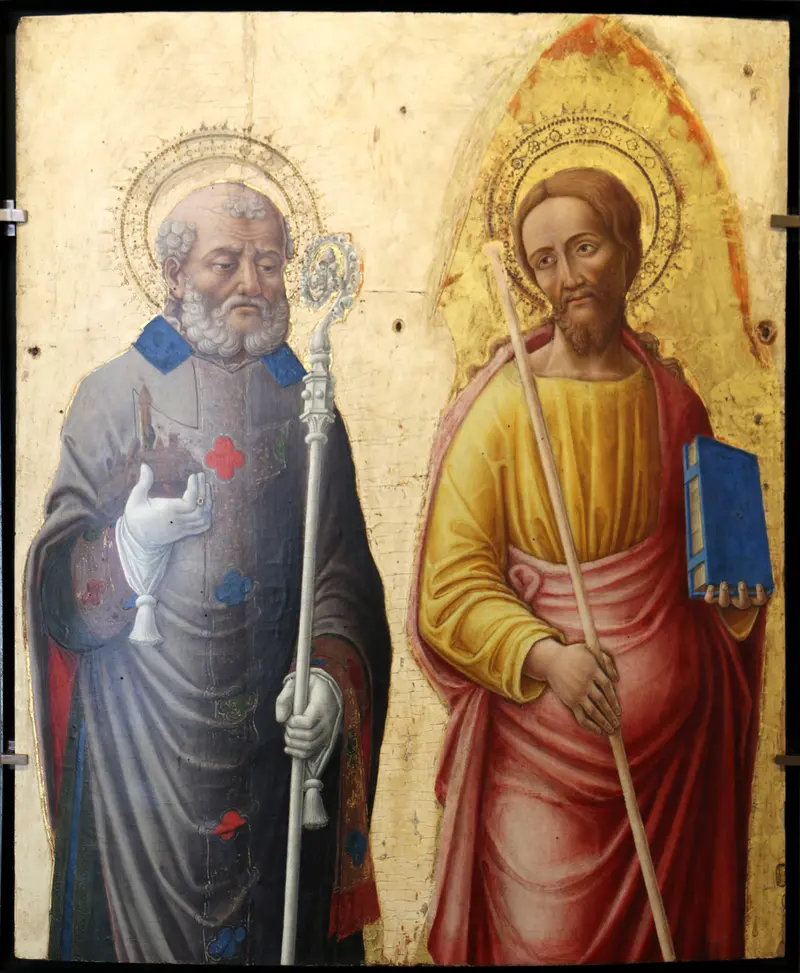
Vivarini saints Pétrone et Jacques
Antonio Vivarini
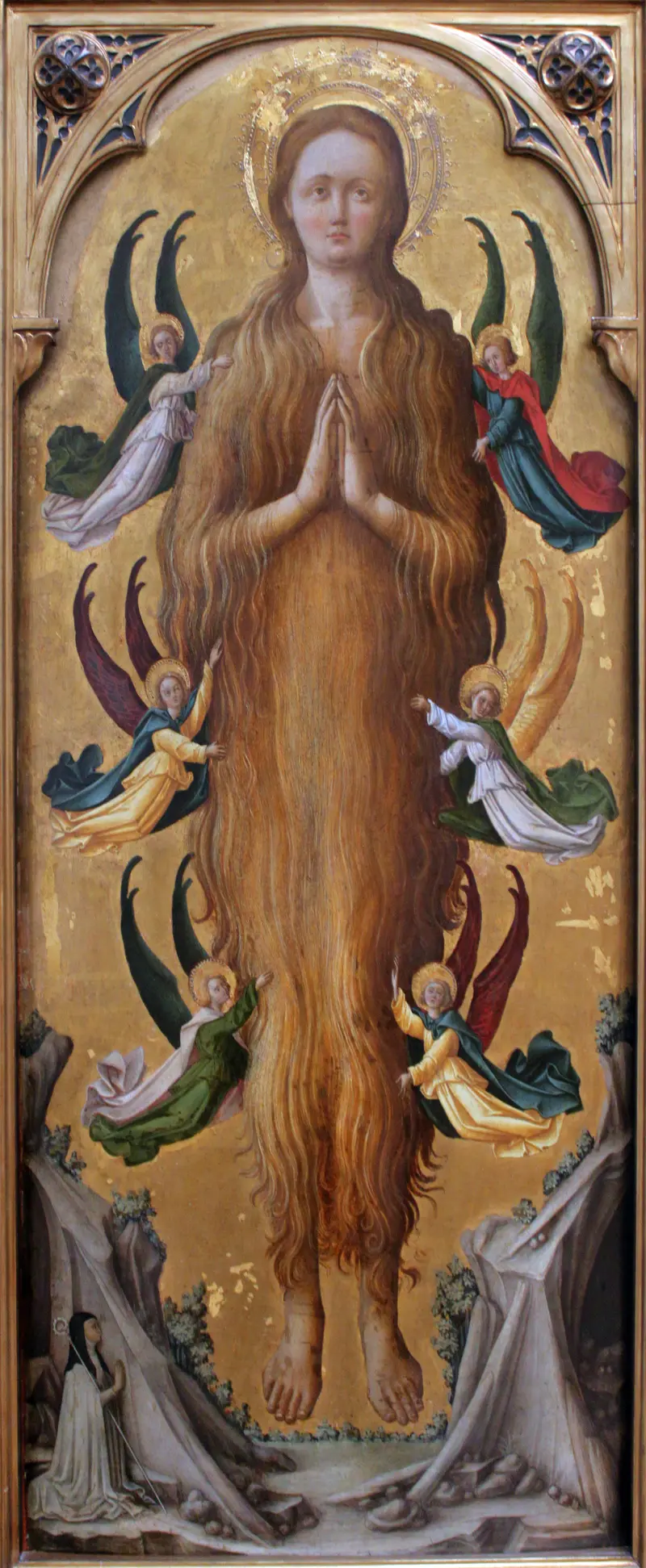
The holy Mary Magdalene, borne aloft by angels
Antonio Vivarini
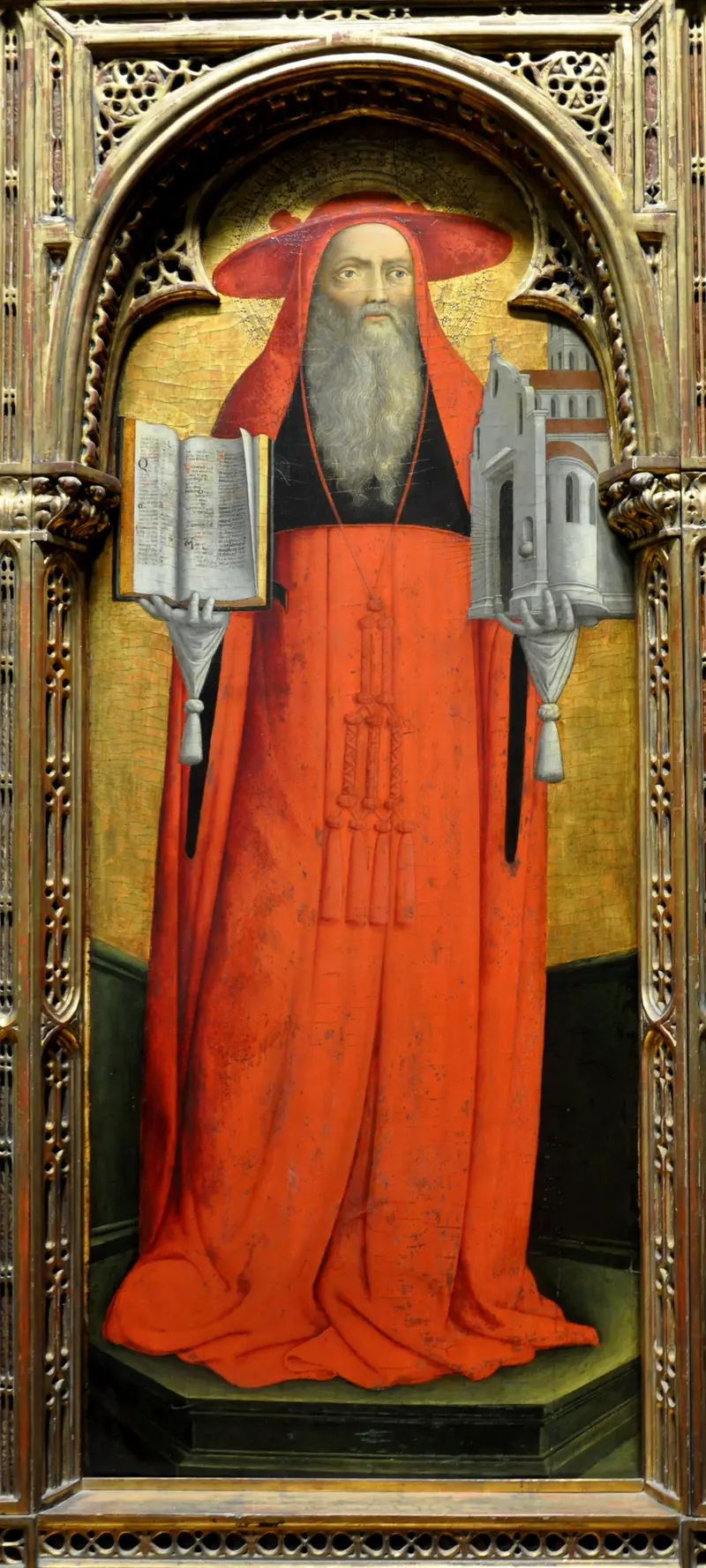
Hieronymus Altar KHM 2
Antonio Vivarini
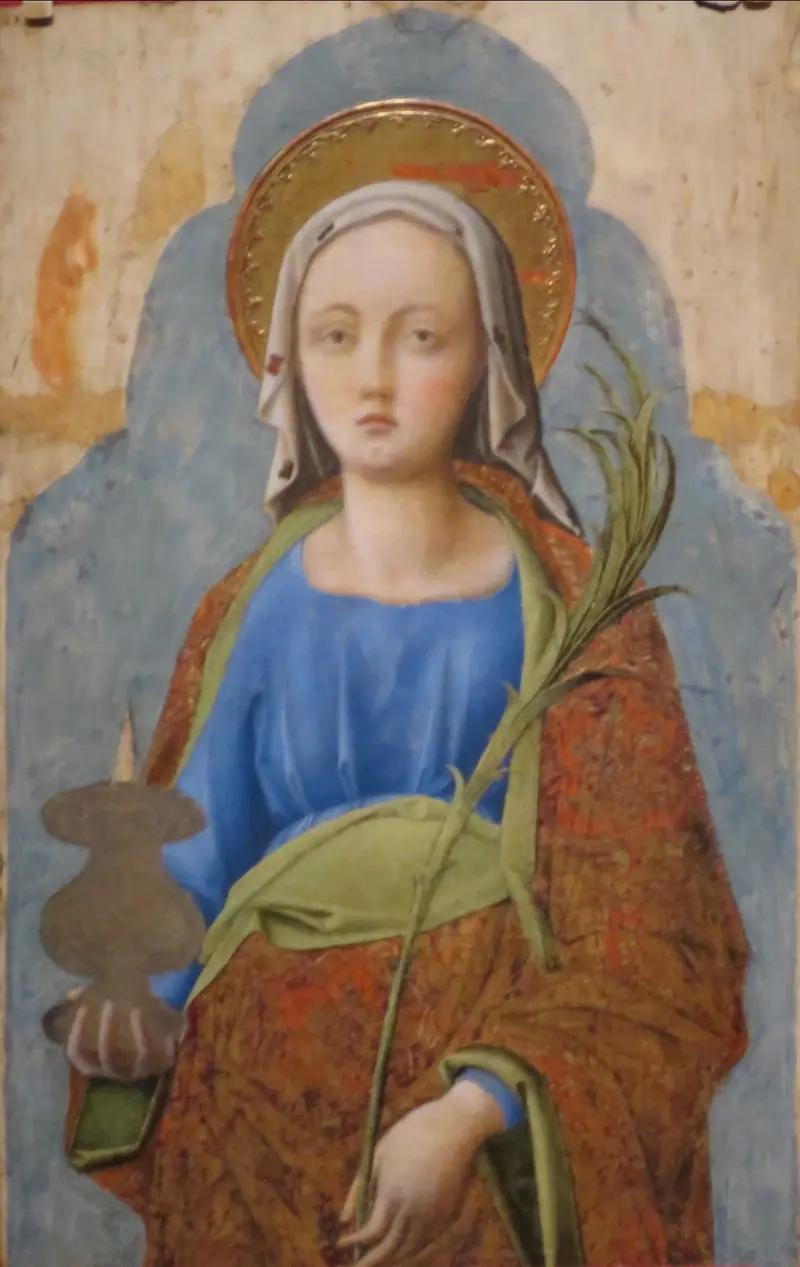
Saint Lucy
Antonio Vivarini
Virgin and Child
Antonio Vivarini





