
Virgin and Child — History & Facts
What first draws the eye in Virgin and Child is the rich, patterned red mantle that spills across the golden throne, its folds carefully painted to catch the light and lead the gaze down to the Christ Child. The Madonna’s hands are pressed together in prayer, her face serene and inward, while the infant lies across her lap, haloed and impossibly still. The gold background, worked with delicate incised lines, frames both figures in a world outside time—a space of devotion and ritual rather than daily life.
The composition is symmetrical and frontal, yet the textures of the cloth and the subtle modeling of flesh give the scene a quiet intimacy. The halos, elaborately tooled, signal the sacred status of both mother and child, while the Madonna’s closed eyes suggest contemplation, inviting the viewer to share in her silent prayer. Painted in 1440, this work by Antonio Vivarini stands at the threshold of the Italian Renaissance, when artists in Venice and beyond were beginning to balance the old gold-ground traditions with new interest in naturalism and human presence. Such images of the Madonna and Child were central to both private devotion and public worship, often commissioned for chapels or altars by families seeking protection and intercession.
While little is recorded about the specific journey of this panel, its survival in the collection of the Museum of Fine Arts, Houston, speaks to the enduring power of these sacred images. Look again at the careful attention to fabric and gesture: here, in paint and gold, is a window into the hopes and prayers of a world five centuries past.
More Artworks by Antonio Vivarini

St. Louis of Toulouse
Antonio Vivarini
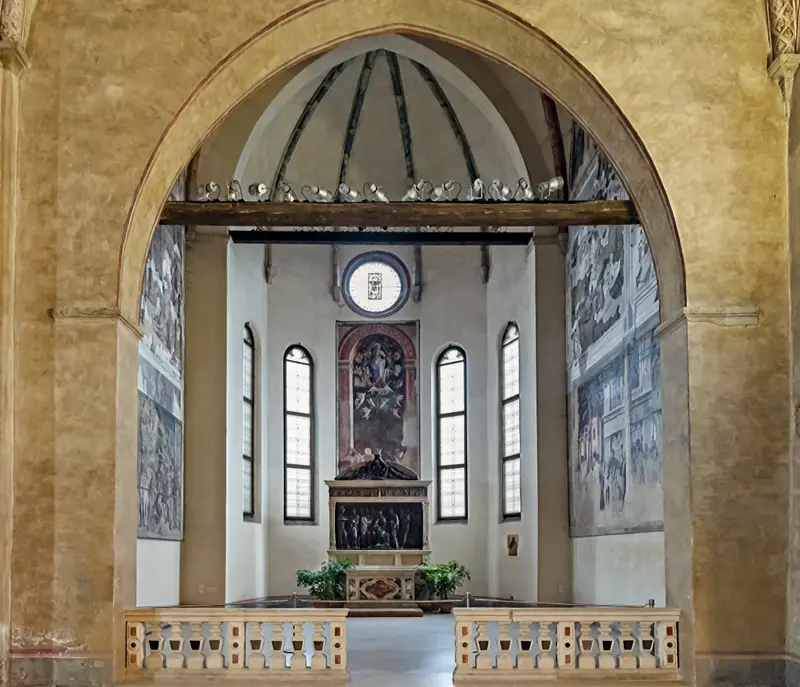
Ovetari Chapel
Antonio Vivarini
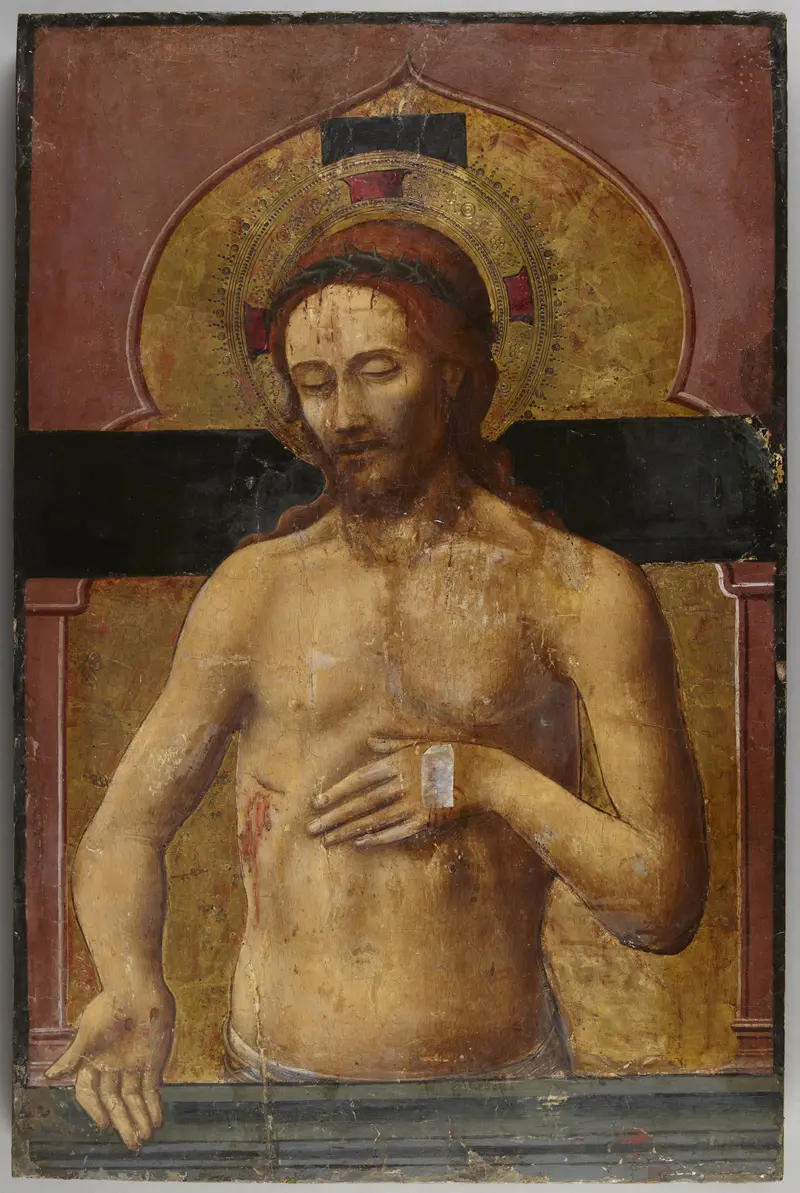
Christ in the Tomb
Antonio Vivarini
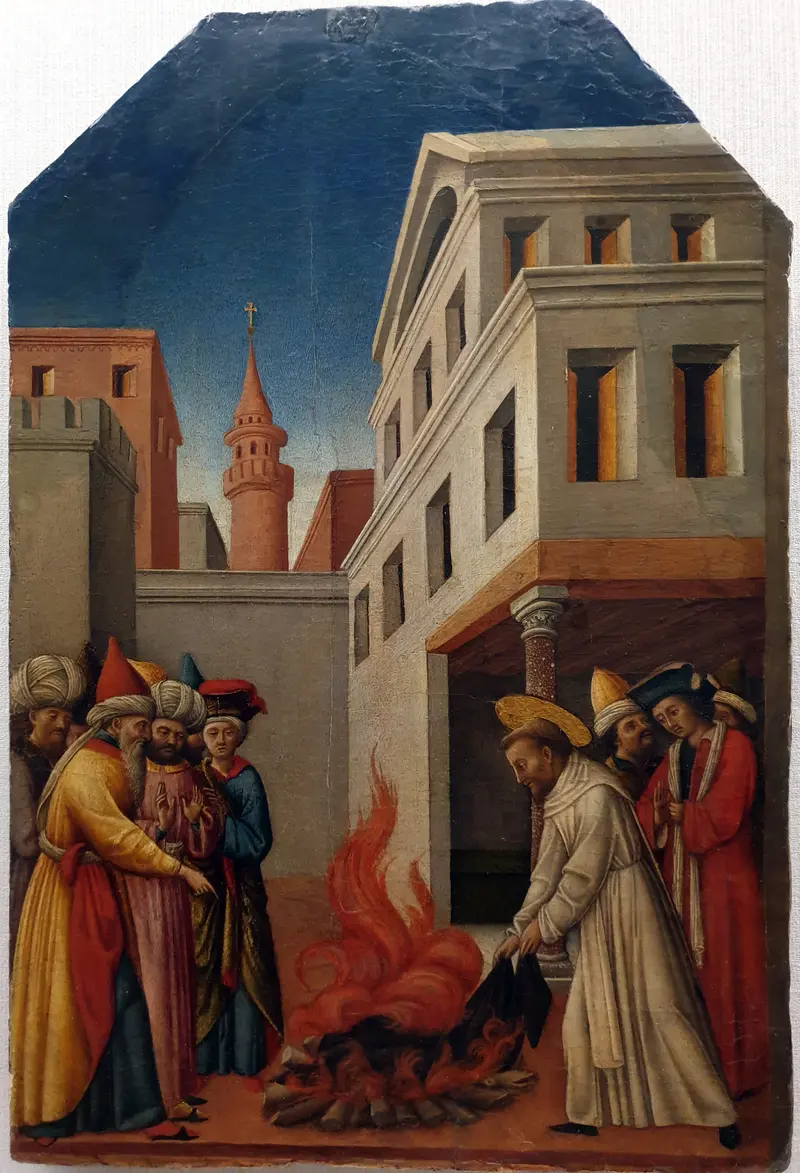
Miracle of the fire of Petrus Martyr
Antonio Vivarini
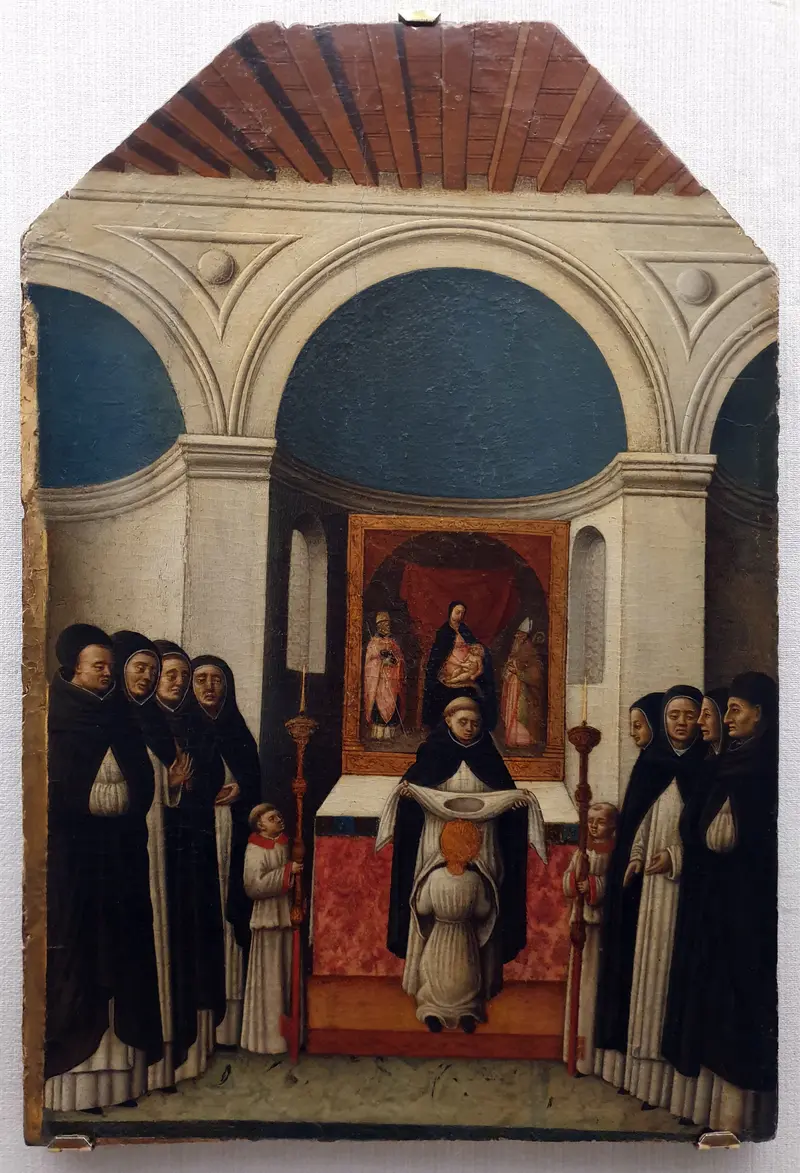
The Saint's Investiture upon His Entry into the Dominican Order
Antonio Vivarini
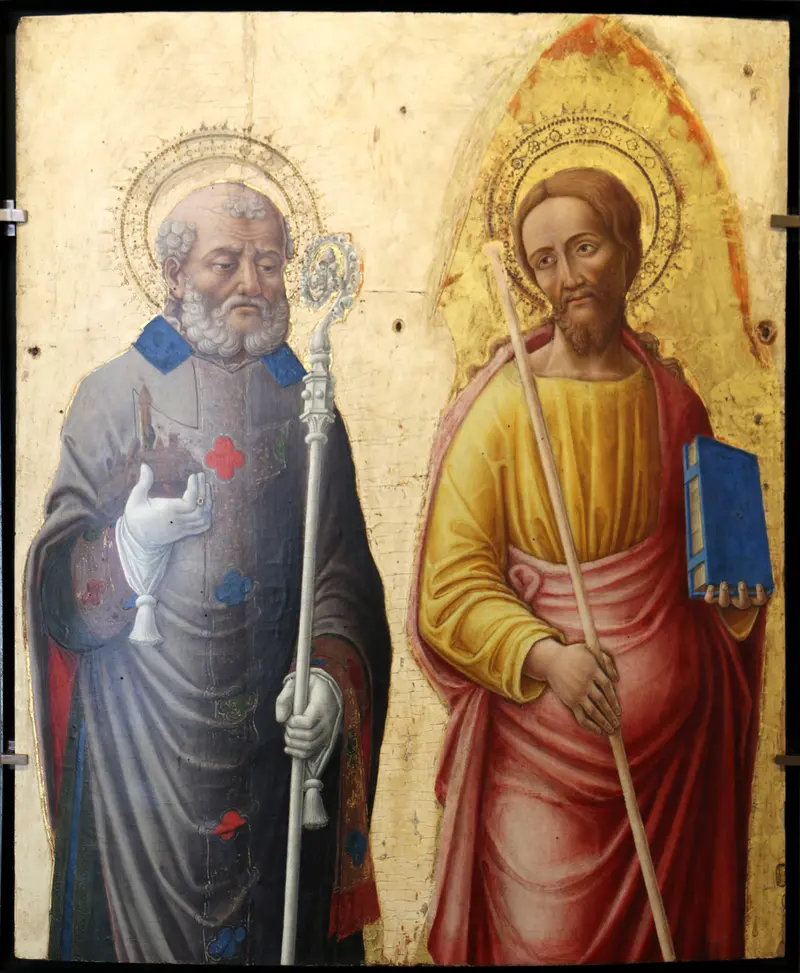
Vivarini saints Pétrone et Jacques
Antonio Vivarini
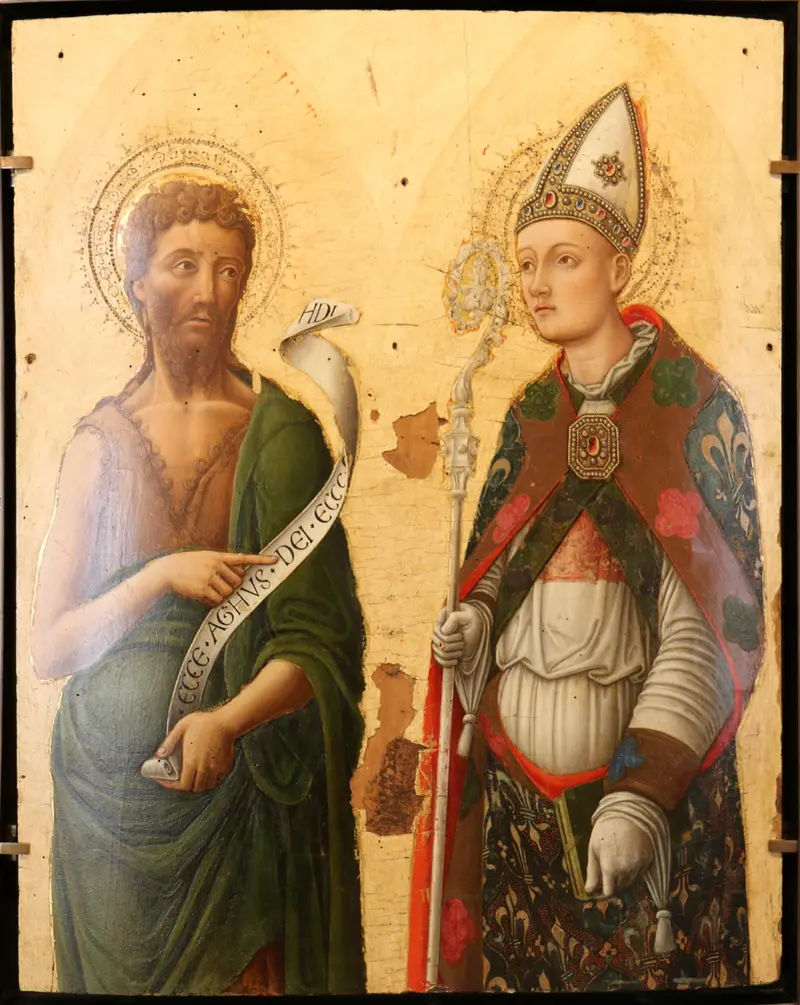
Vivarini Saint Jean Baptiste et saint Louis de Toulouse
Antonio Vivarini
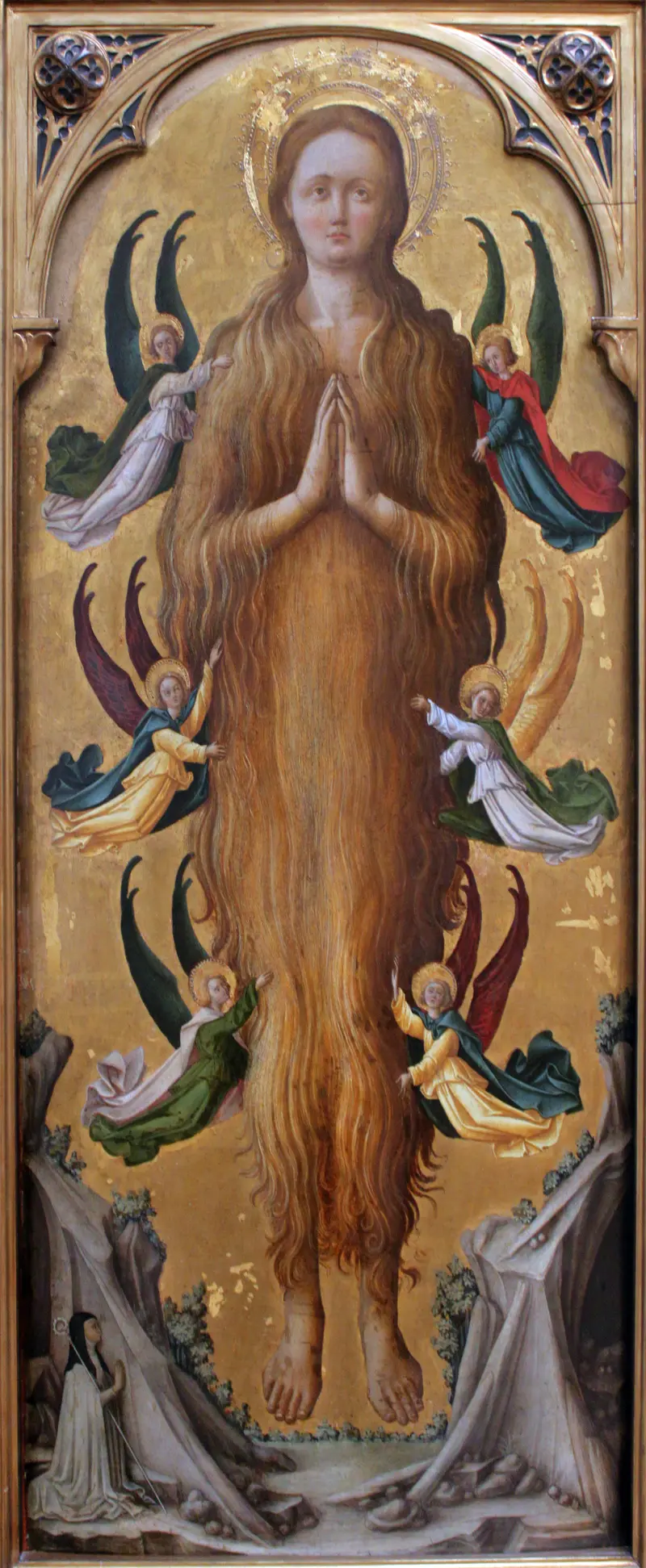
The holy Mary Magdalene, borne aloft by angels
Antonio Vivarini
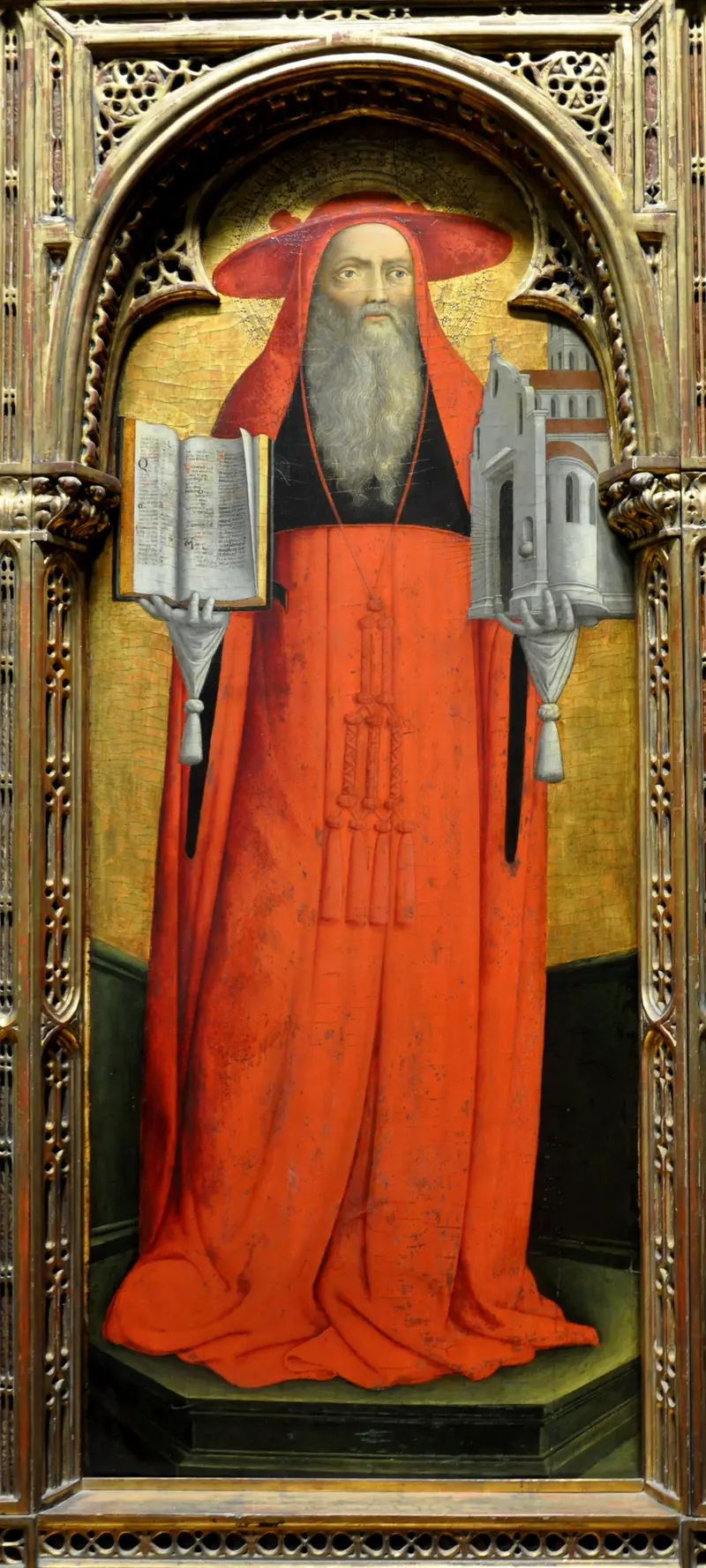
Hieronymus Altar KHM 2
Antonio Vivarini
Saint Lucy
Antonio Vivarini





