
Hieronymus Altar KHM 2 — History & Facts
The first thing to catch the eye in this panel from Hieronymus Altar KHM 2 by Antonio Vivarini is the imposing, almost architectural presence of the saint himself. Draped in a deep red robe that pools at his feet, the figure stands upright, his gaze direct and unflinching, framed by the intricate Gothic tracery of the altarpiece. In one hand, he holds an open book, its pages inscribed with careful script—a sign of scholarship and the written word’s sacred authority.
In the other, a model of a church rises, rendered with the same clarity and solidity as the saint’s own features. The light falls evenly, emphasizing the textures of beard, fabric, and stone, and setting the gold ground aglow, as if the saint stands outside of ordinary time. Painted in 1441, this work is rooted in the world of early Renaissance Venice, where altarpieces like this were commissioned to inspire devotion and signal the wealth and learning of their patrons. Antonio Vivarini was among the leading painters of his generation, blending the clarity and solemnity of Gothic tradition with the emerging naturalism of the fifteenth century.
Altarpieces depicting saints such as Jerome—here identified by his cardinal’s hat and scholarly attributes—were intended not only as objects of veneration but as visual sermons, teaching the virtues of study, contemplation, and church-building. History has kept few traces of the original setting or patron of this panel, but the painting’s careful detail and dignified presence invite viewers to step closer and imagine the world that first beheld it.
More Artworks by Antonio Vivarini

St. Louis of Toulouse
Antonio Vivarini
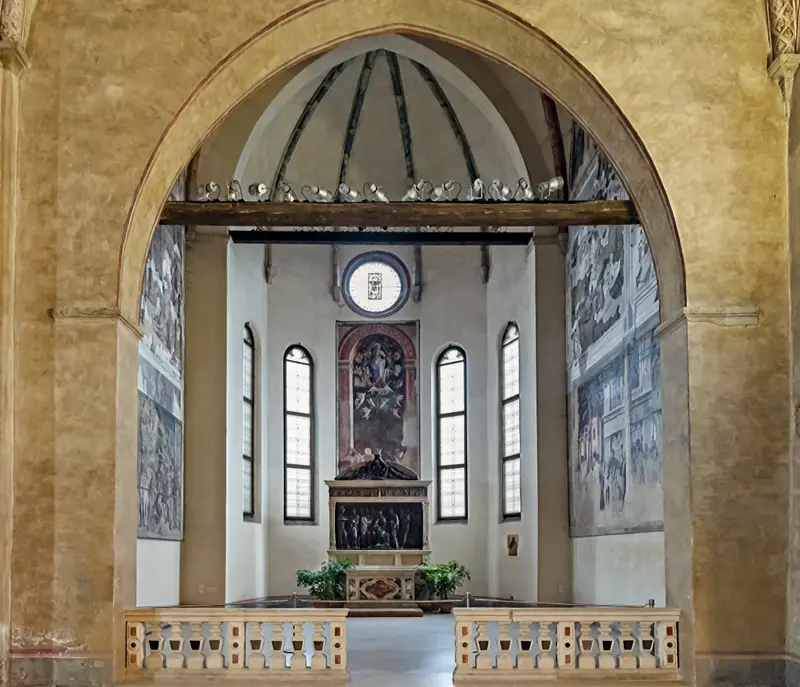
Ovetari Chapel
Antonio Vivarini
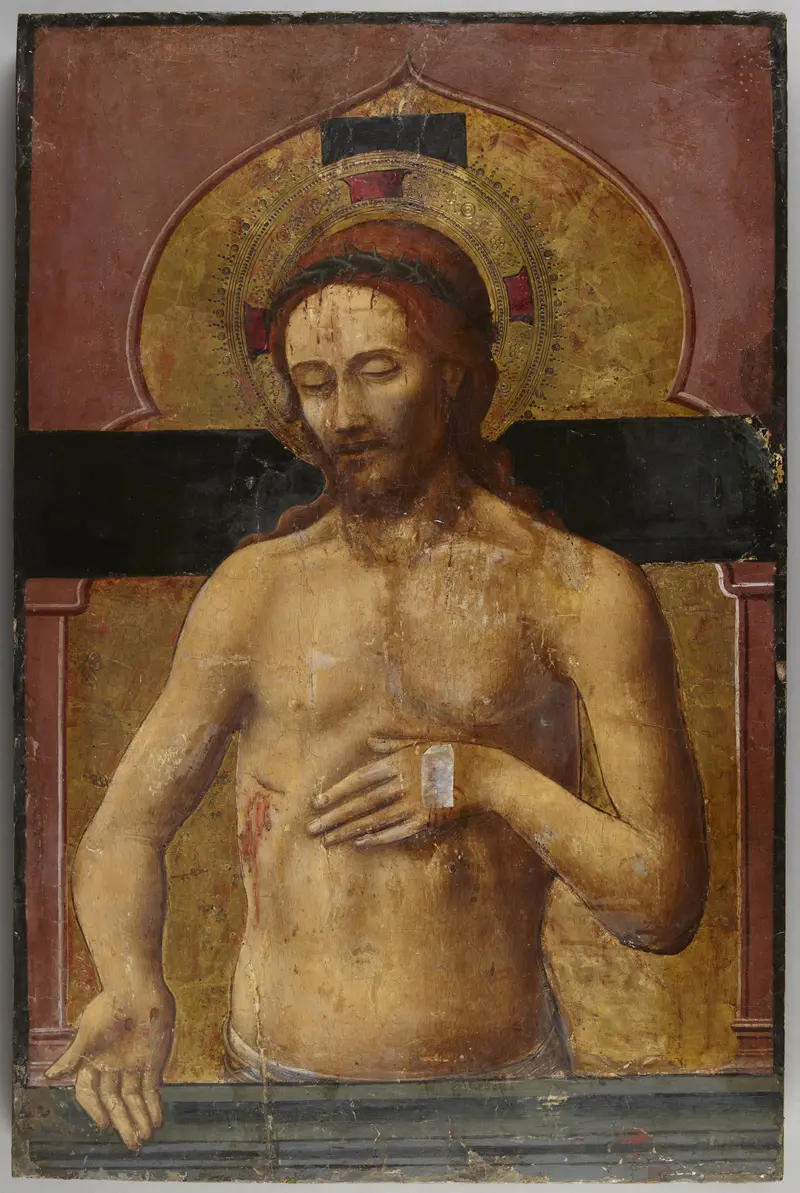
Christ in the Tomb
Antonio Vivarini
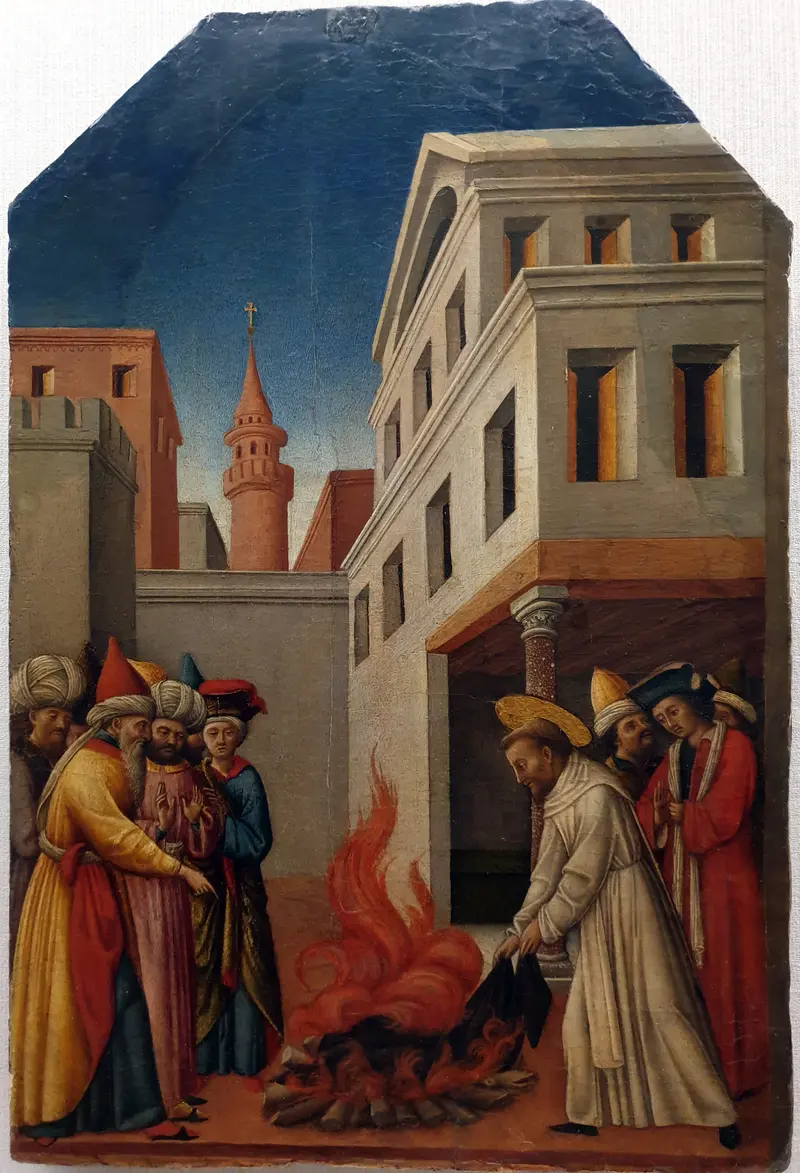
Miracle of the fire of Petrus Martyr
Antonio Vivarini
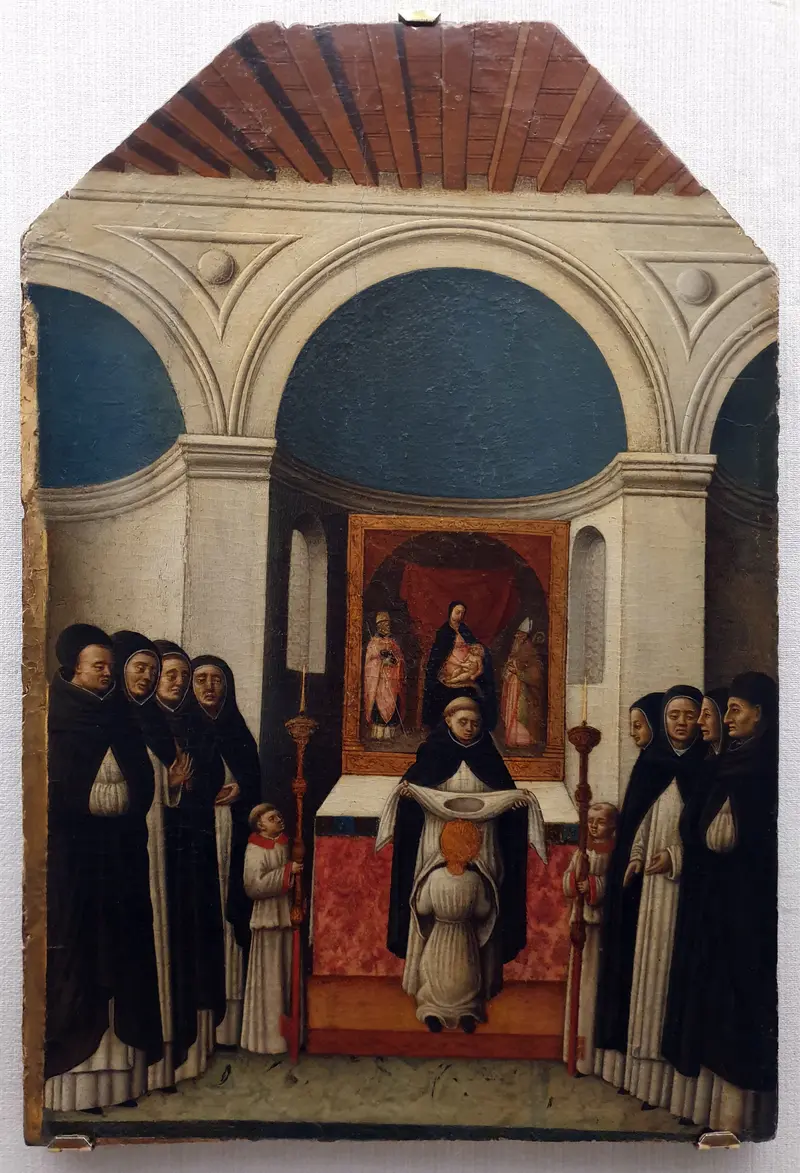
The Saint's Investiture upon His Entry into the Dominican Order
Antonio Vivarini
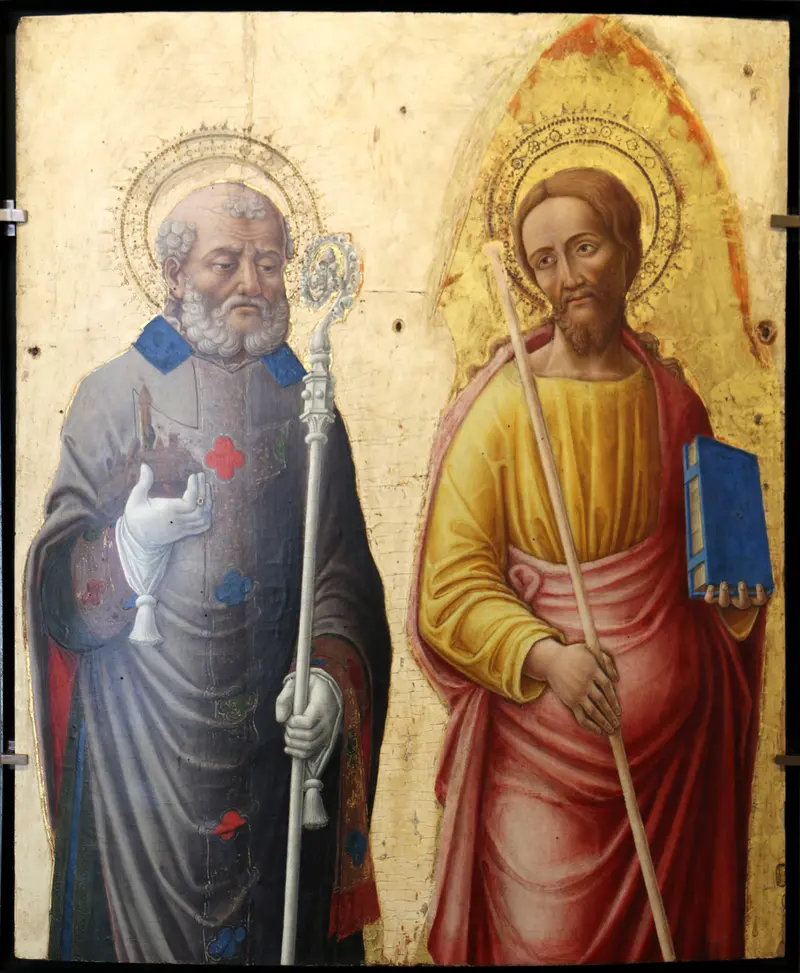
Vivarini saints Pétrone et Jacques
Antonio Vivarini
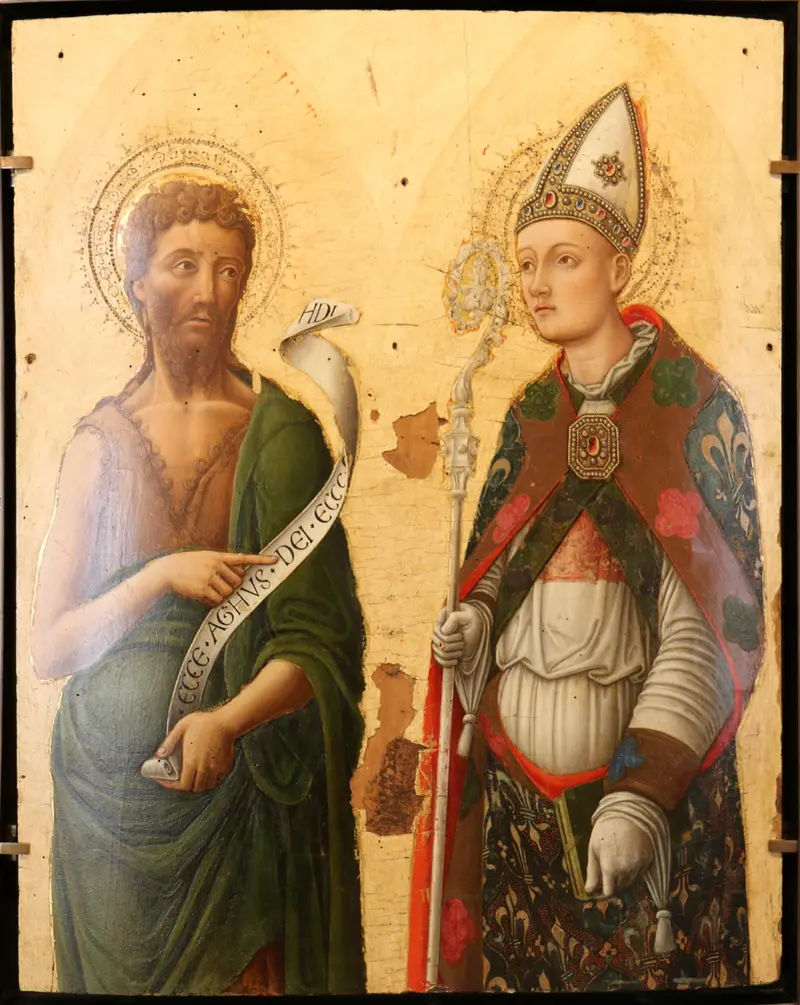
Vivarini Saint Jean Baptiste et saint Louis de Toulouse
Antonio Vivarini
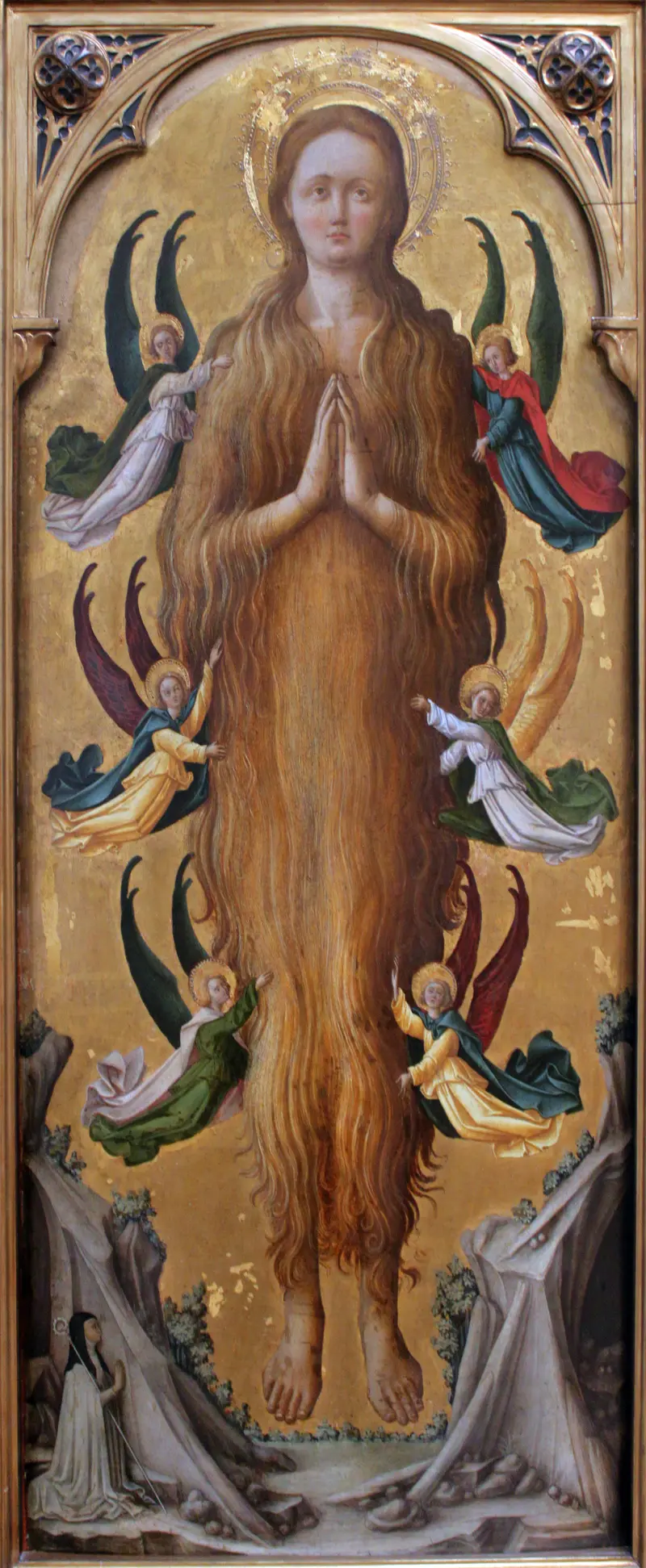
The holy Mary Magdalene, borne aloft by angels
Antonio Vivarini
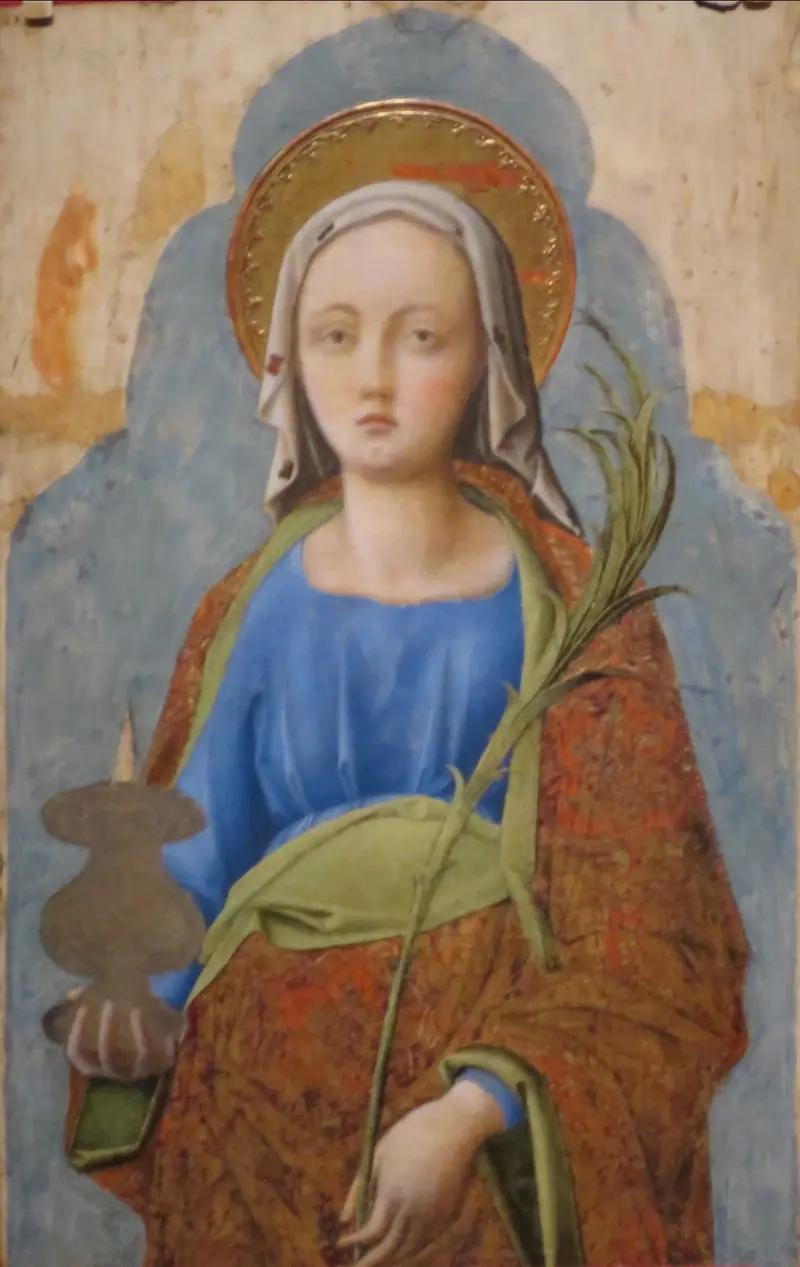
Saint Lucy
Antonio Vivarini
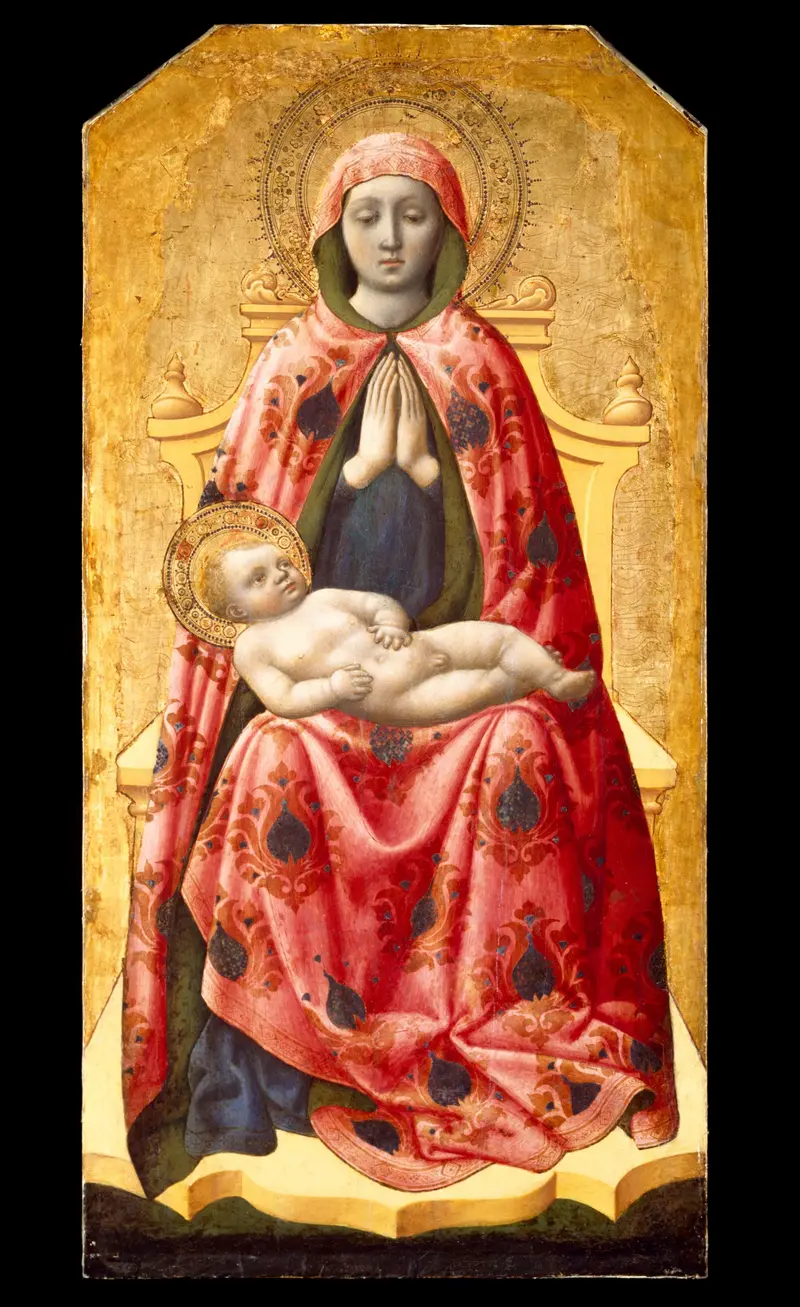
Virgin and Child
Antonio Vivarini





