
The holy Mary Magdalene, borne aloft by angels — History & Facts
The first thing that seizes the eye in The holy Mary Magdalene, borne aloft by angels is the astonishing verticality: Mary Magdalene herself, elongated and almost weightless, rises at the very center, her body entirely enveloped in a cascade of golden hair. Her hands are pressed together in prayer, her gaze serene and unwavering, as six angels in vibrant robes and multicolored wings seem to lift her gently above the rocky wilderness below. The gold ground, still radiant after centuries, is not just a backdrop but a signal—this is a vision, a moment suspended between earth and heaven.
Every angel’s gesture, every fold of drapery, seems to point the viewer upward, inviting contemplation of the miraculous. Painted by Antonio Vivarini in 1476, this work belongs to a world where saints were not distant icons but living presences, invoked in chapels and homes. Panels like this, rich with gold and intricate detail, were often commissioned for private devotion or side altars, intended to draw the beholder into prayer and awe. The late fifteenth century in Italy was a time of transition: Gothic forms lingered, as seen in the pointed arches and stylized halos, but the human presence was becoming more immediate, more tangible.
History has kept few traces of this particular painting’s early life, but its survival in the anagoria collection lets us witness the enduring power of sacred storytelling—each angel, each shimmer of gold, still waiting for the next viewer to look up and wonder.
More Artworks by Antonio Vivarini

St. Louis of Toulouse
Antonio Vivarini
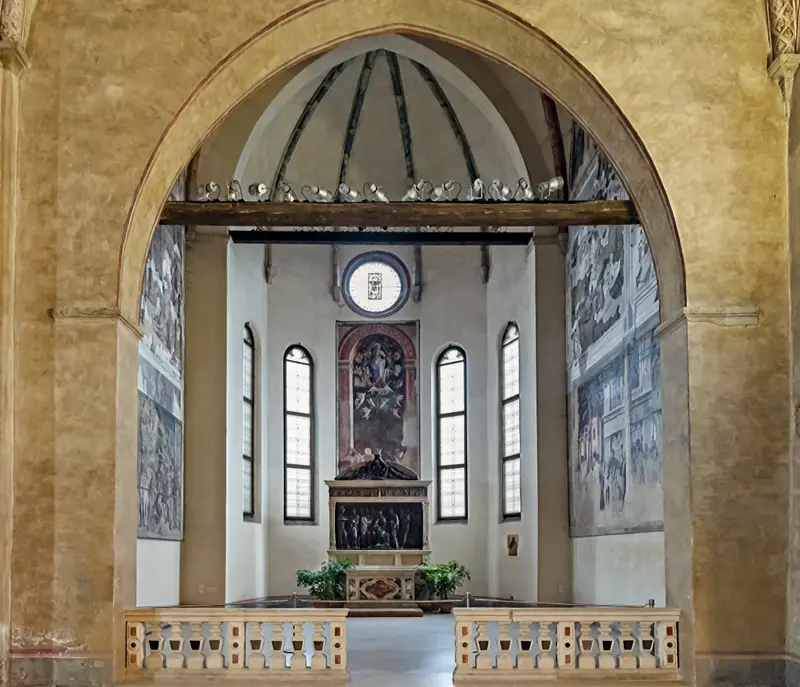
Ovetari Chapel
Antonio Vivarini
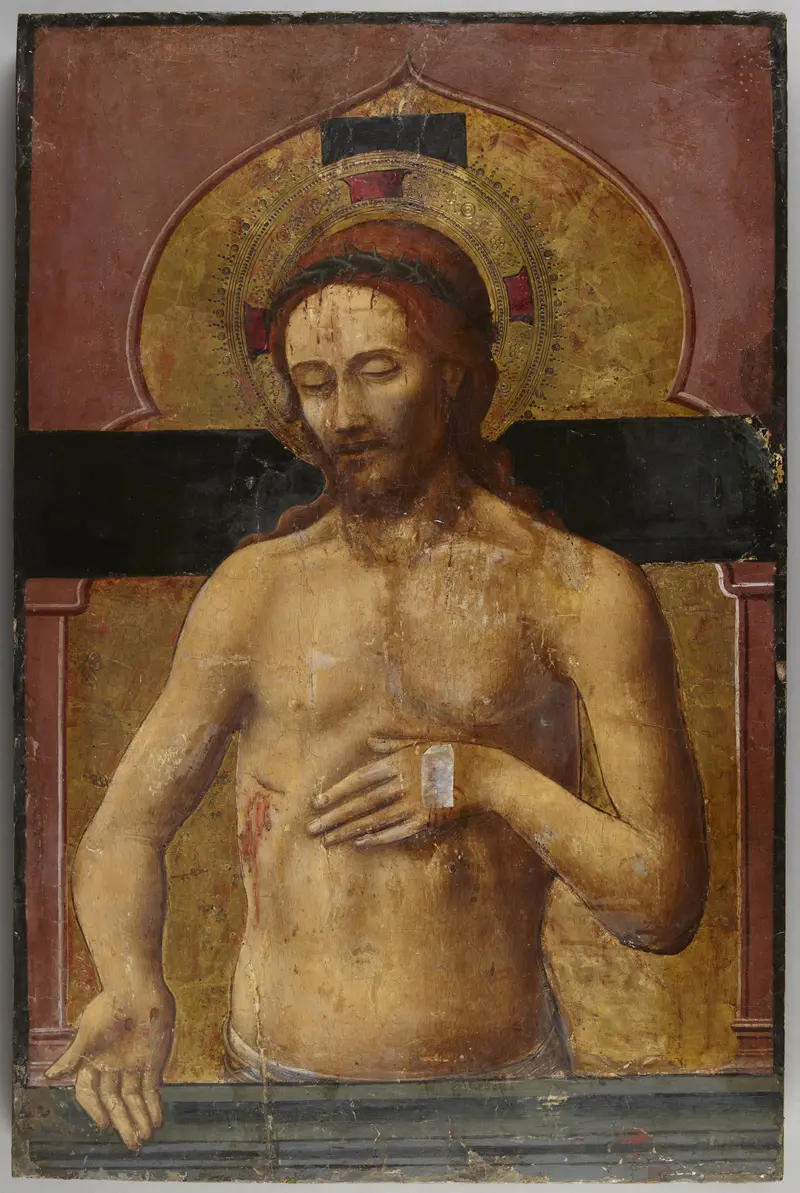
Christ in the Tomb
Antonio Vivarini
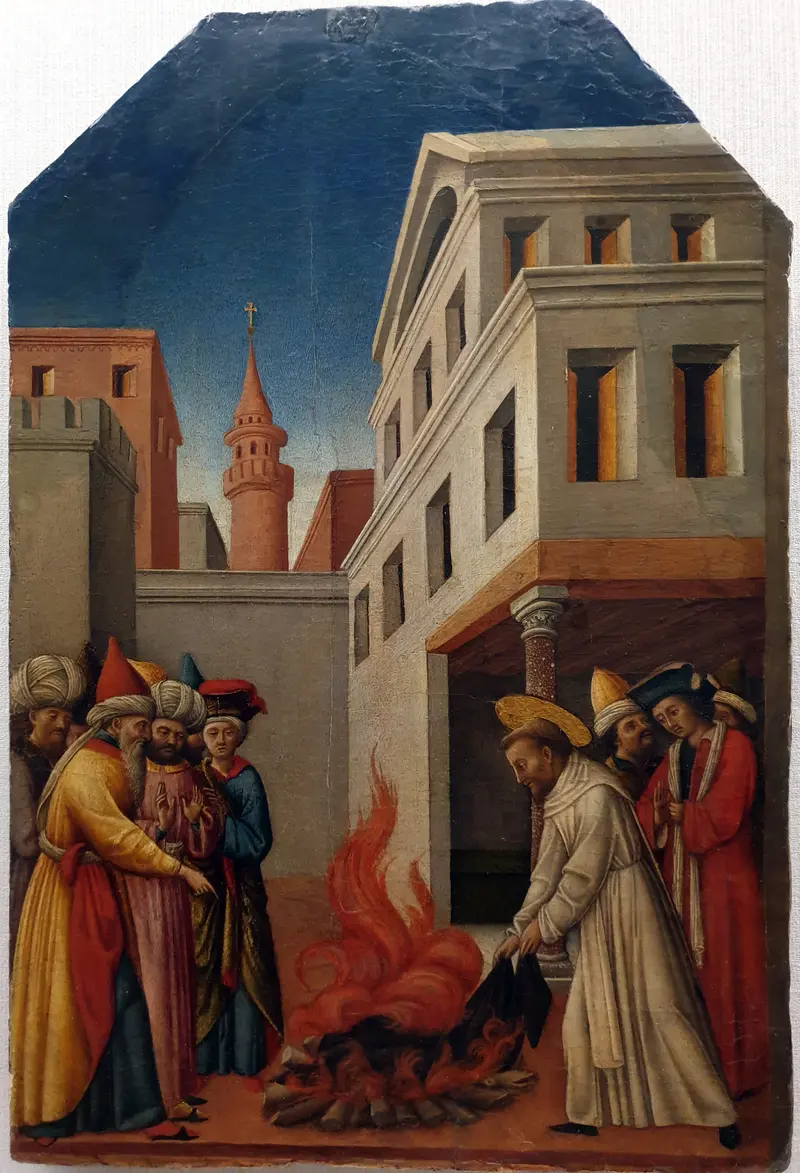
Miracle of the fire of Petrus Martyr
Antonio Vivarini
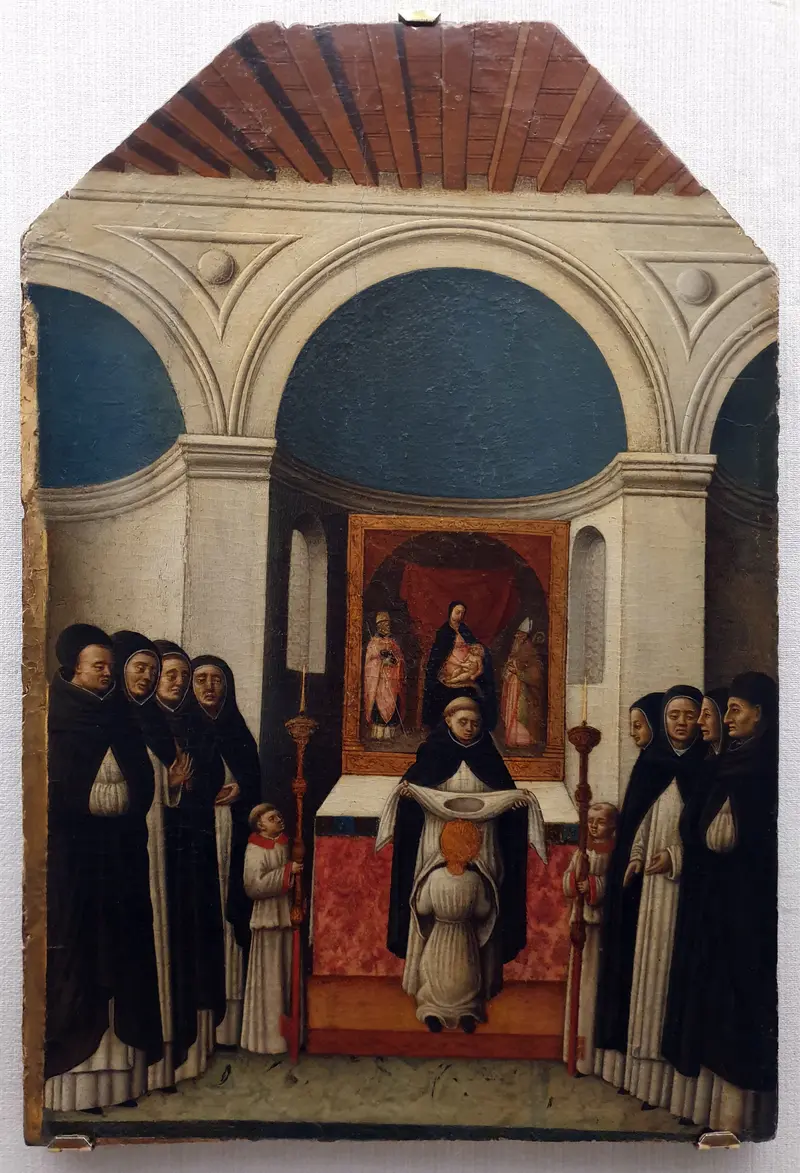
The Saint's Investiture upon His Entry into the Dominican Order
Antonio Vivarini
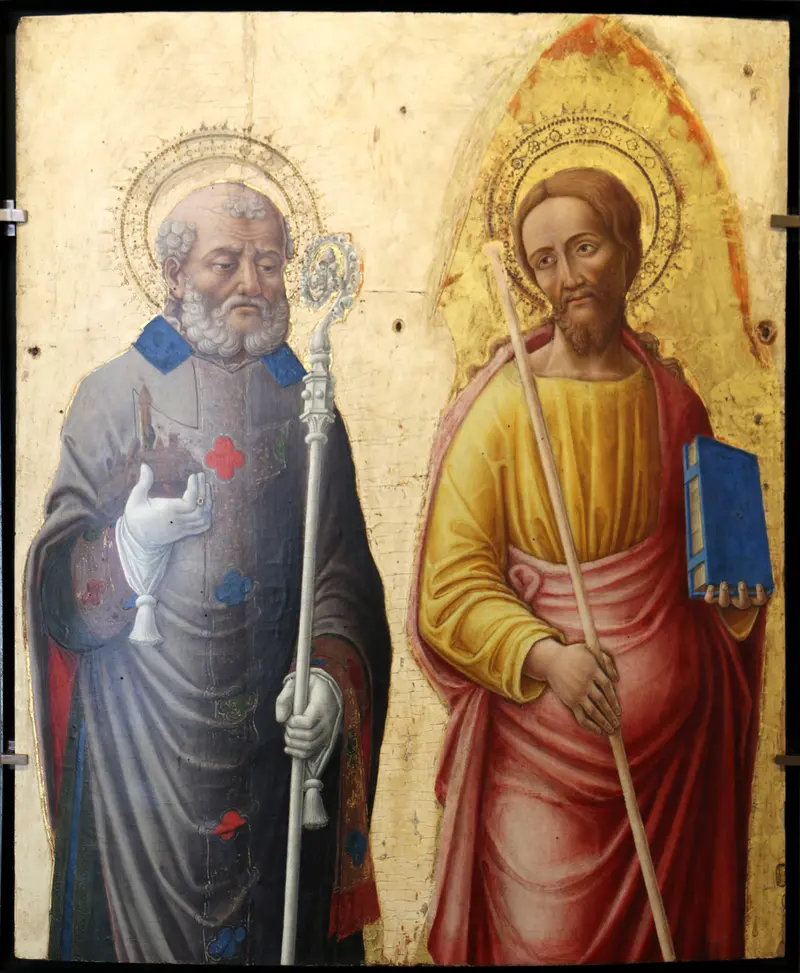
Vivarini saints Pétrone et Jacques
Antonio Vivarini
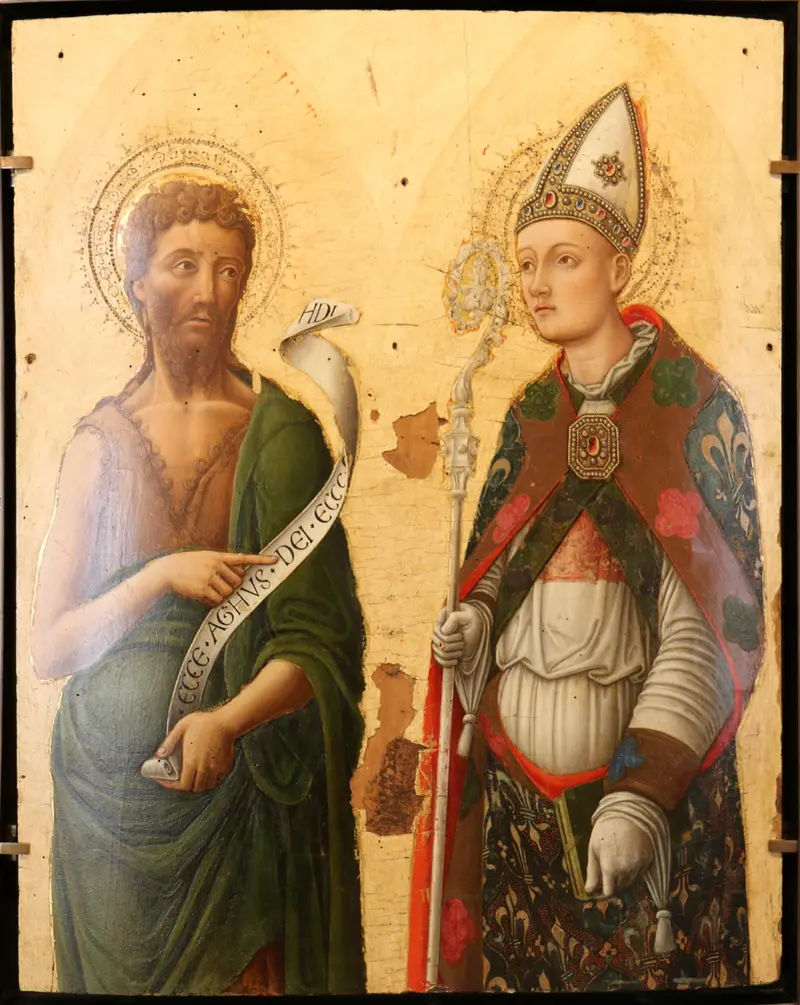
Vivarini Saint Jean Baptiste et saint Louis de Toulouse
Antonio Vivarini
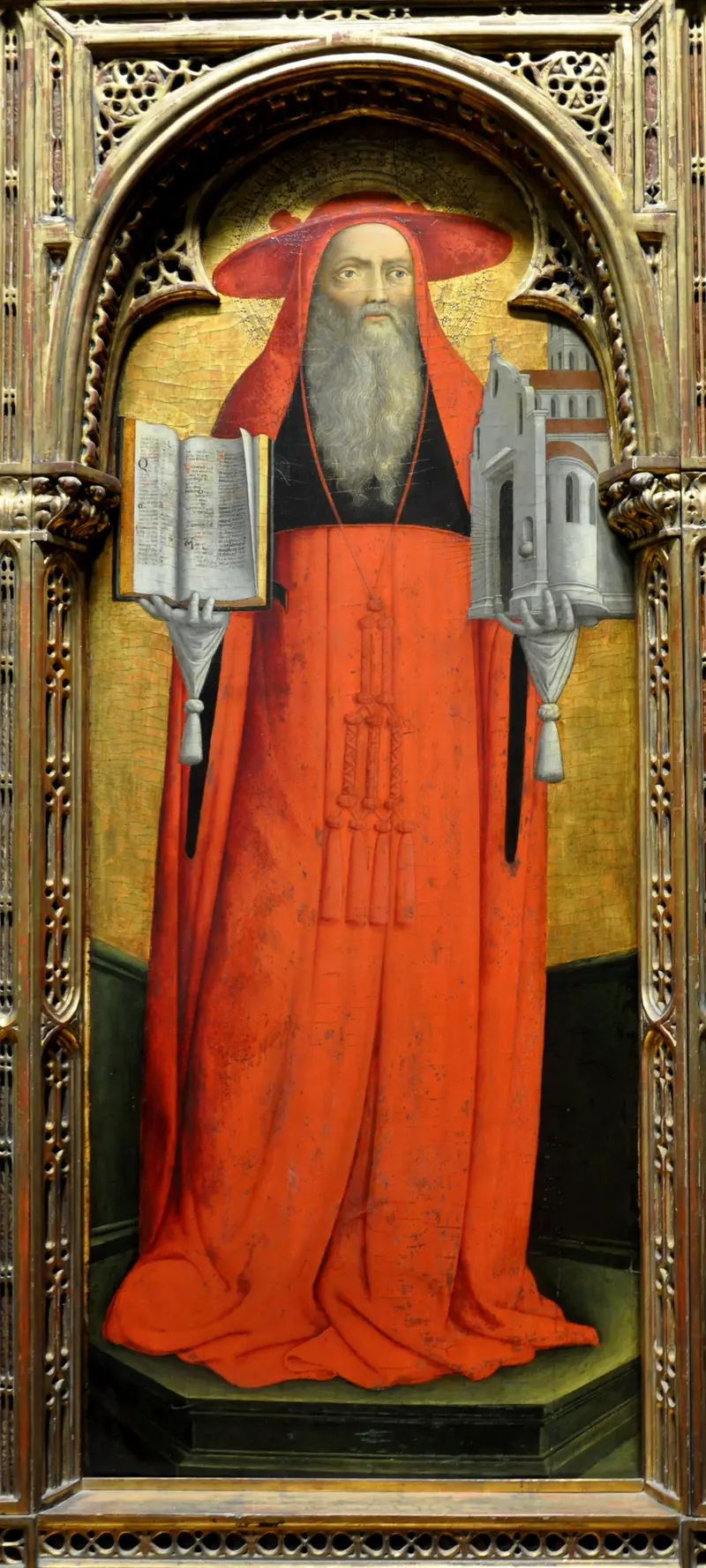
Hieronymus Altar KHM 2
Antonio Vivarini
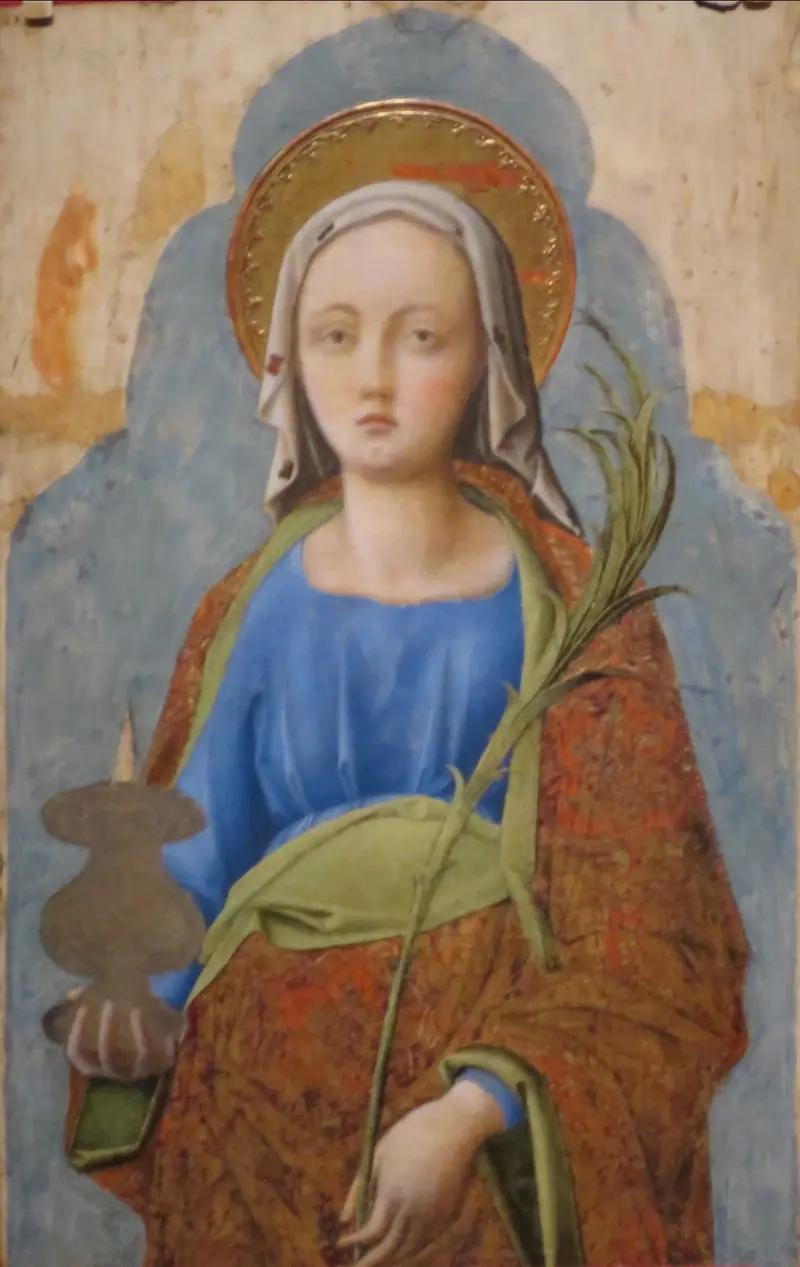
Saint Lucy
Antonio Vivarini
Virgin and Child
Antonio Vivarini





