
Painted Cross — History & Facts
When Giotto di Bondone painted his Painted Cross around 1400, he was already celebrated as the artist who broke with the stiff conventions of medieval art, bringing a new sense of humanity to religious images. What makes this cross remarkable is that it stands at the crossroads of tradition and innovation: while crucifixes had long been a staple of Italian churches, Giotto’s version was among the first to give Christ’s suffering a tangible, bodily presence, rather than a distant, symbolic one. This work is not just a devotional object but a bold statement in paint, showing a Christ who is both divine and deeply human.
Scholars still debate the exact origins and commission of this cross, as several similar works survive, but Giotto’s hand is unmistakable in the weight and gravity of the figure. At the heart of the Painted Cross is the moment of Christ’s death, his head gently bowed, eyes closed, body sagging with the full weight of mortality. The golden halo, a sign of divinity, contrasts with the deep blue and red of the loincloth, colors that draw the eye to the wound in Christ’s side. Blood flows in a delicate line, a visual echo of sacrifice, while the arms stretch out, not rigid but heavy with pain and resignation.
Unlike the earlier, more stylized crucifixes by artists such as Cimabue, Giotto’s Christ is rendered with a sense of volume and flesh, the anatomy carefully observed, the contours softened by light. The cross itself becomes not just a symbol, but a stage for real human suffering. The exact journey of this particular Painted Cross is shrouded in some uncertainty, as many of Giotto’s crucifixes from this period have been moved, restored, or lost over the centuries. Works like this were typically commissioned by churches for display above the altar, where they would dominate the nave and focus the prayers of the faithful.
While the medium of this cross is not definitively known—some are tempera on wood, others incorporate gilding—its survival into the present day is a testament to both its spiritual and artistic value. Today, it is recognized as a pivotal work in Giotto’s career, marking the transition from medieval abstraction to the new realism that would define the Renaissance.
More Artworks by Giotto di Bondone
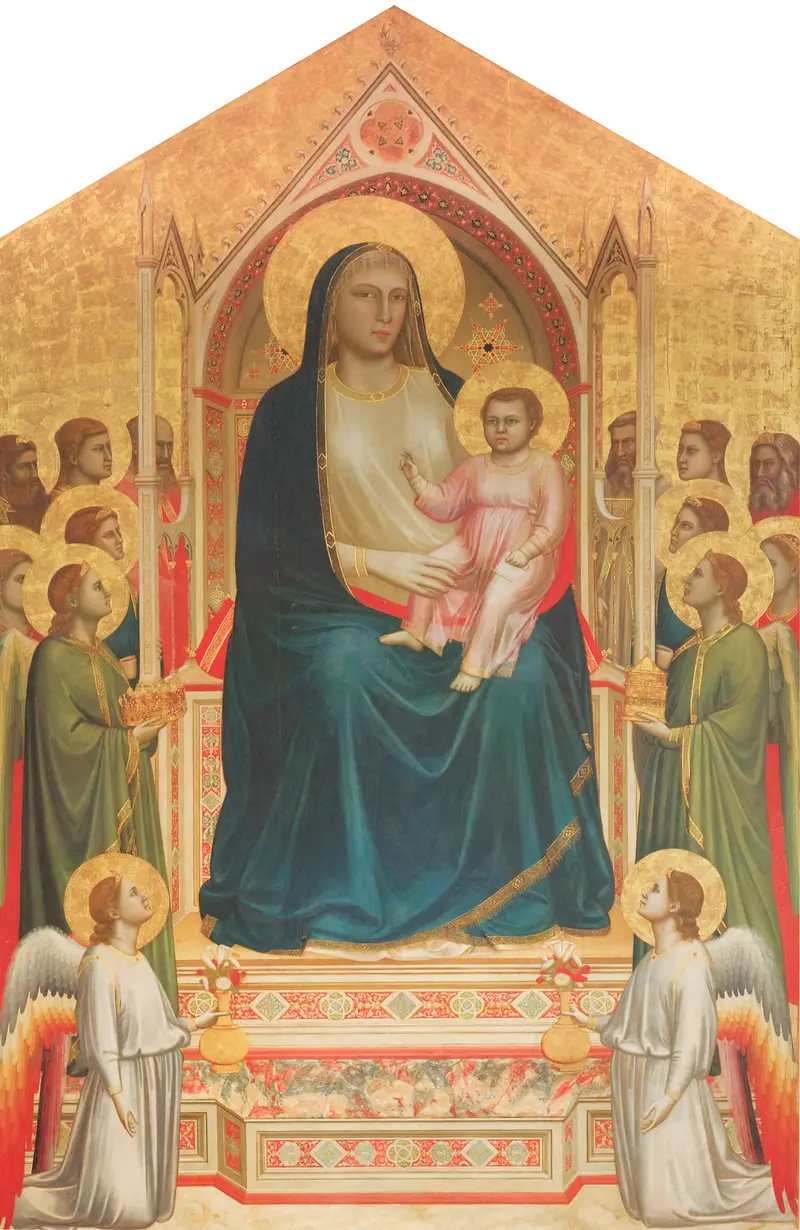
Ognissanti Madonna
Giotto di Bondone
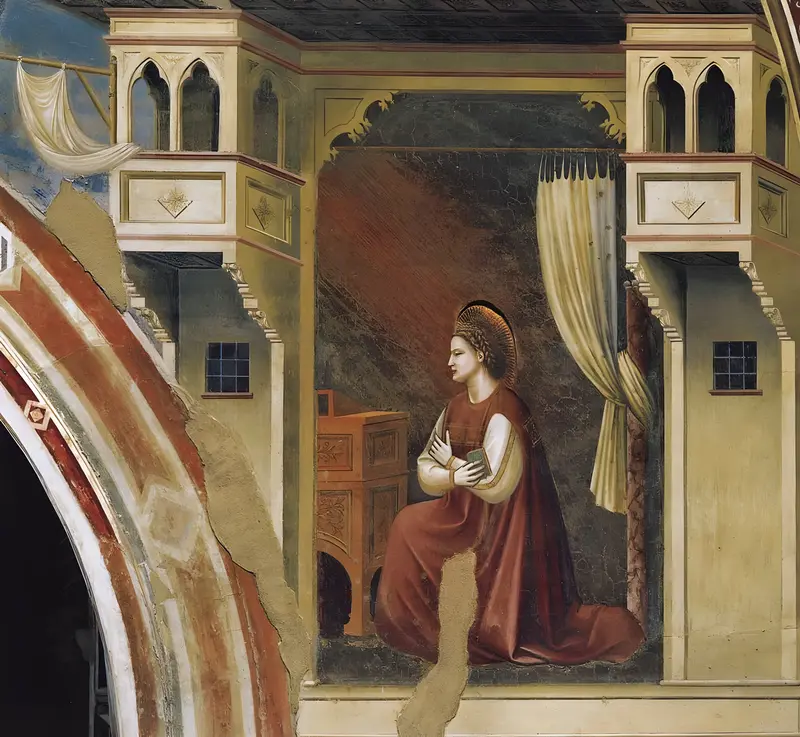
The Virgin of the Annunciation
Giotto di Bondone
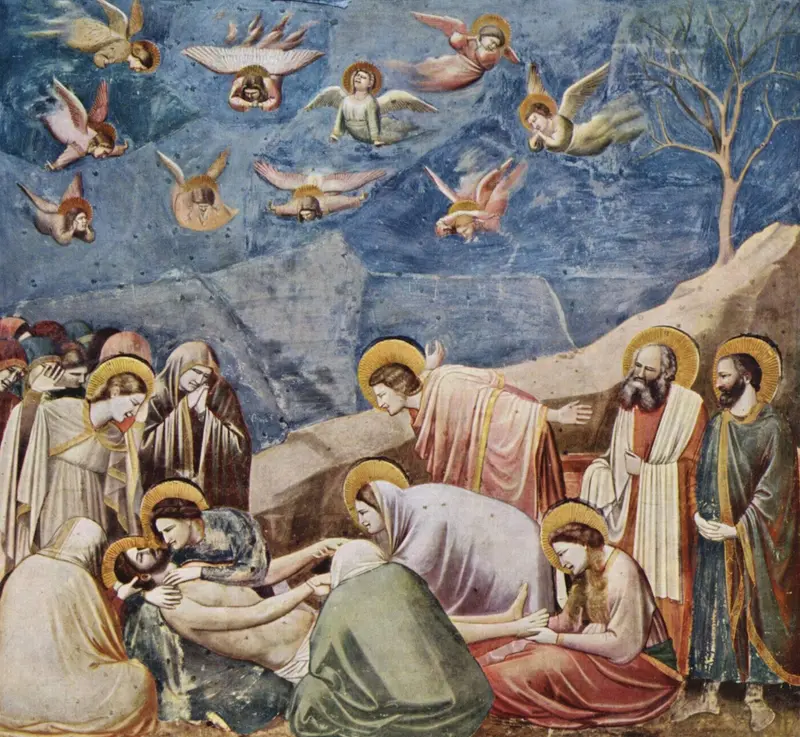
Lamentation (The Mourning of Christ)
Giotto di Bondone
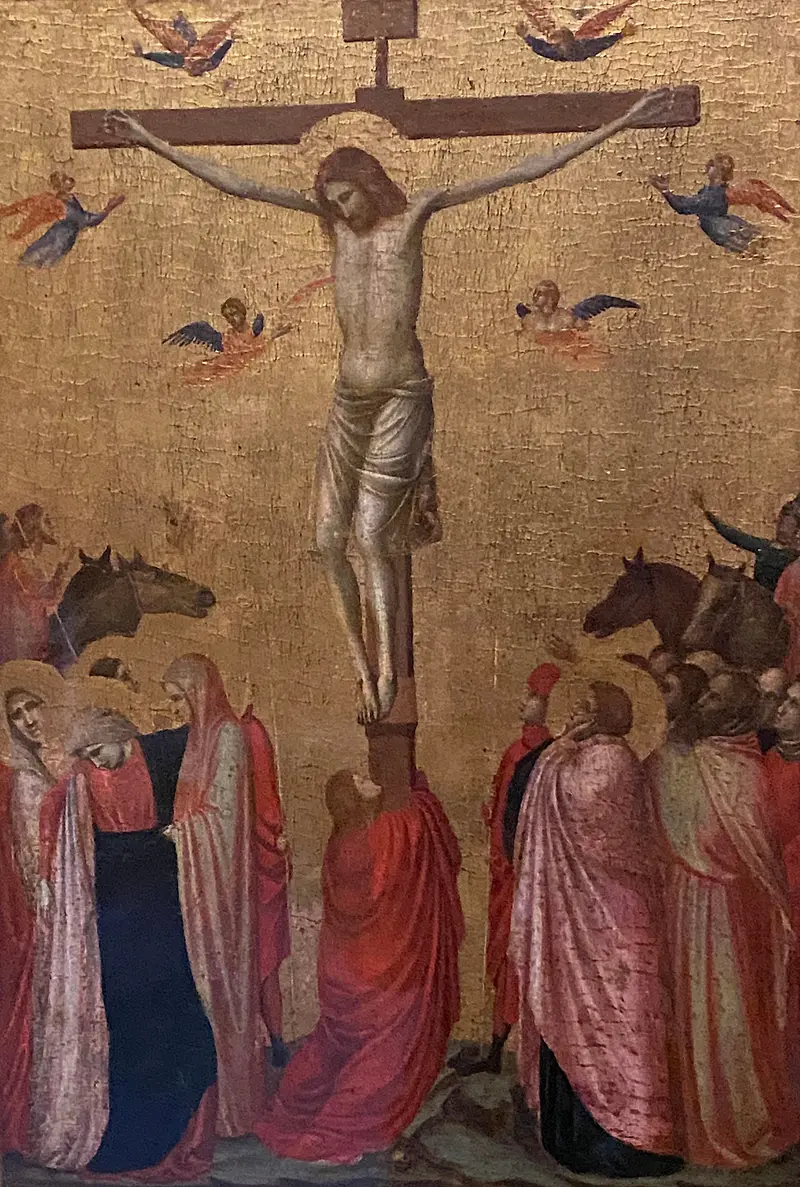
Crucifixion of Strasbourg
Giotto di Bondone
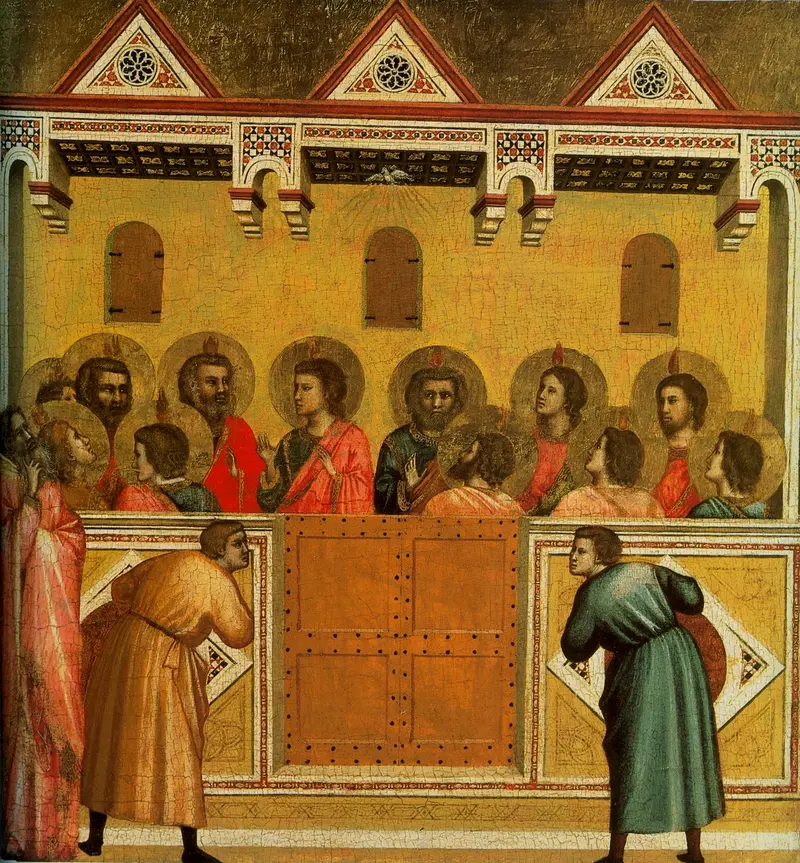
Pentecost
Giotto di Bondone
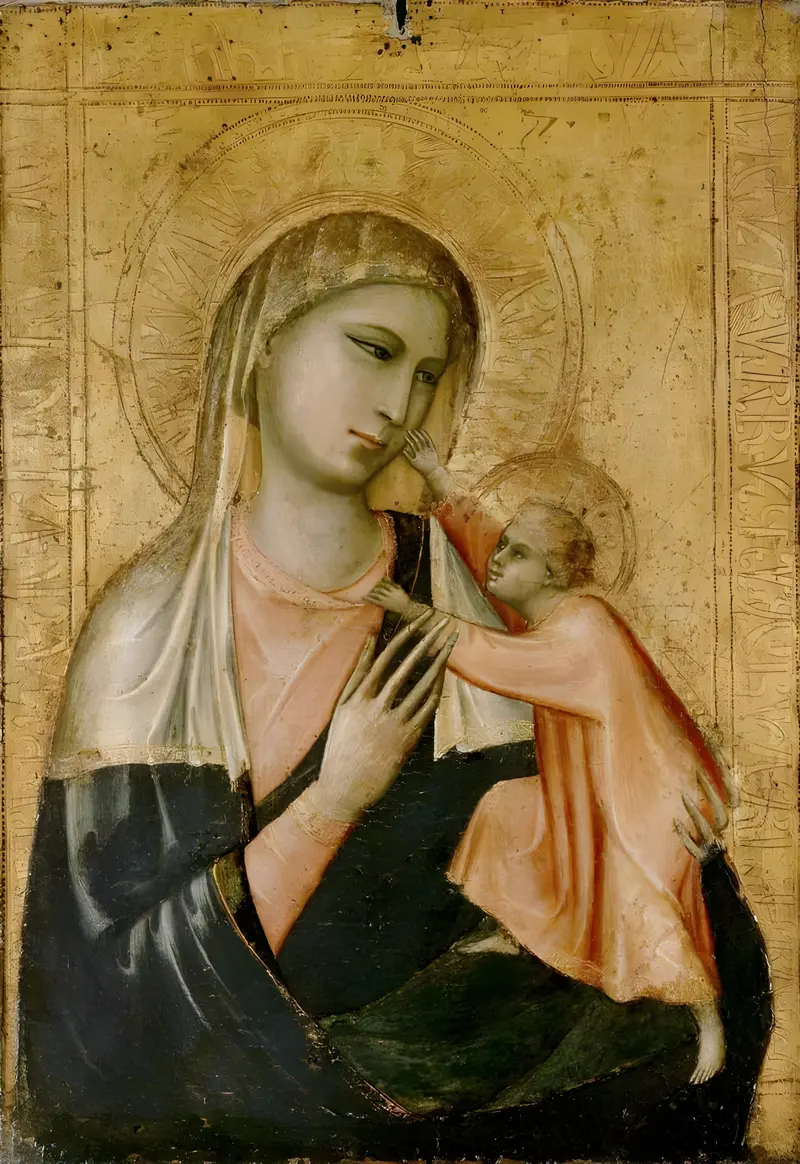
The Virgin and Child
Giotto di Bondone
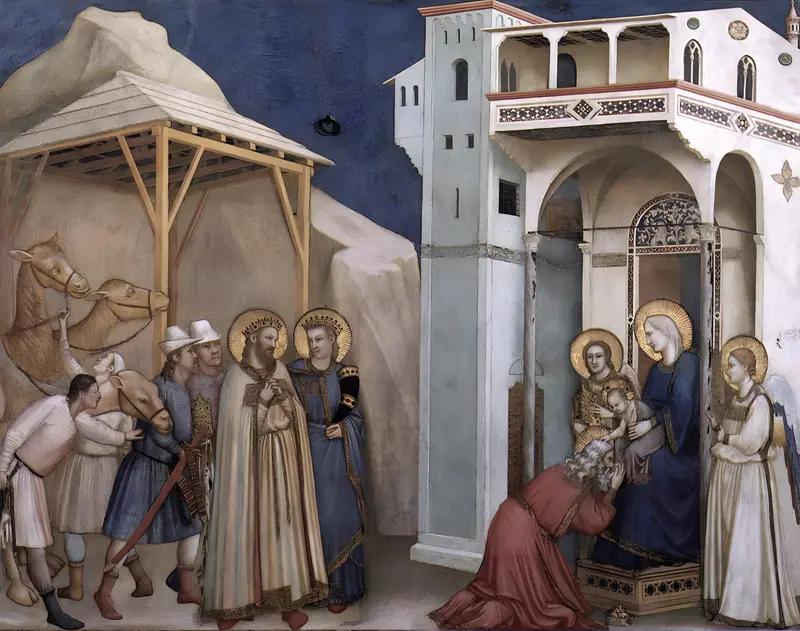
Anbetung der Könige
Giotto di Bondone
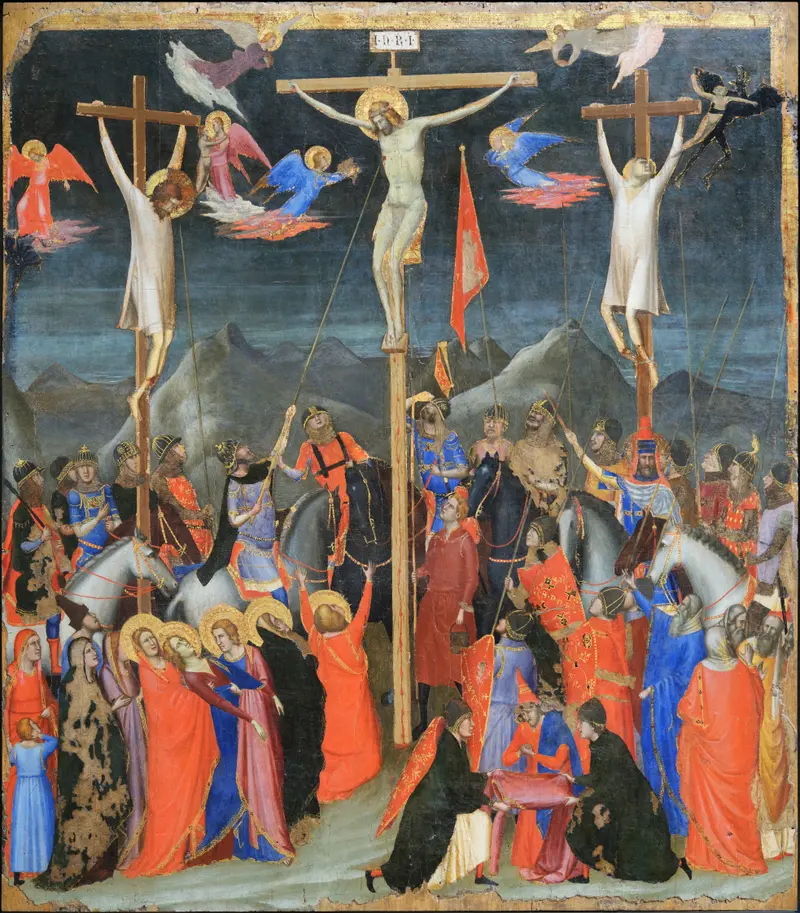
Crucifixion
Giotto di Bondone
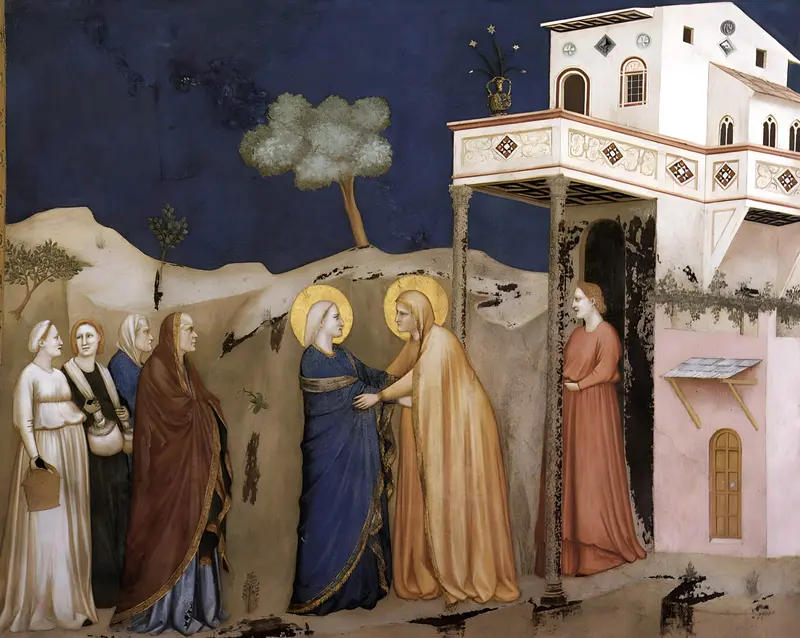
The Visitation
Giotto di Bondone
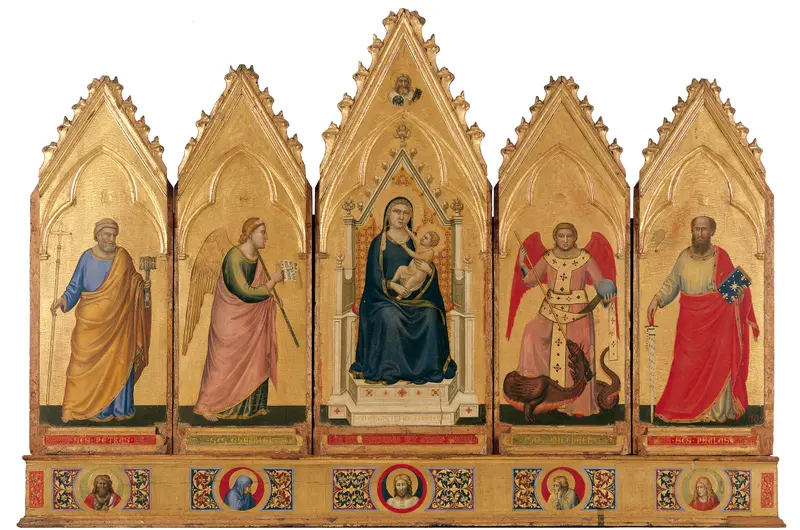
Bologna Polyptych
Giotto di Bondone





