
Anbetung der Könige — History & Facts
When the Anbetung der Könige by Giotto di Bondone was painted around 1310, it marked a turning point in European art: here, for one of the first times, the Magi are not stiff, distant figures, but living travelers, weary and awestruck before the Christ child. This approach to human emotion and physical presence was so new that later chroniclers, like Giorgio Vasari, would credit Giotto with “changing the art of painting from Greek to Latin”—that is, from the old, formulaic style to something closer to lived experience. The painting’s subject, the Adoration of the Magi, was a favorite in the late Middle Ages, but Giotto’s version would become a model for generations. At the heart of the scene, the eldest king kneels, his crown set aside, and gently touches the infant’s foot—a gesture of humility and recognition.
The Virgin Mary, calm and monumental, presents her son as both a gift and a mystery, while Joseph sits quietly at her side. The star, which led the Magi from the East, is rendered not as a symbol but as a real, blazing presence above the stable. Each figure’s gaze draws the viewer deeper into the moment of revelation.
Compared to the more abstract, golden mosaics of Byzantine painters, Giotto gives the Magi and their retinue weight and individuality, much as he does in his frescoes at the Scrovegni Chapel. The original commission for Anbetung der Könige is not documented, and the painting’s early history remains uncertain; it likely formed part of a larger altarpiece or polyptych, as was common in Giotto’s time. Over the centuries, works attributed to Giotto have often been moved, reattributed, or lost, making the survival of this panel especially significant for scholars tracing his influence. Today, the painting is valued not only as a devotional image but as evidence of a new way of seeing—one that would shape the course of Western art.
Its precise medium is still debated, though tempera on panel is likely. The work stands as a testament to Giotto’s role at the dawn of the Italian Renaissance.
Sources: Wikidata Q124305801 · Image source (Wikimedia Commons)
More Artworks by Giotto di Bondone
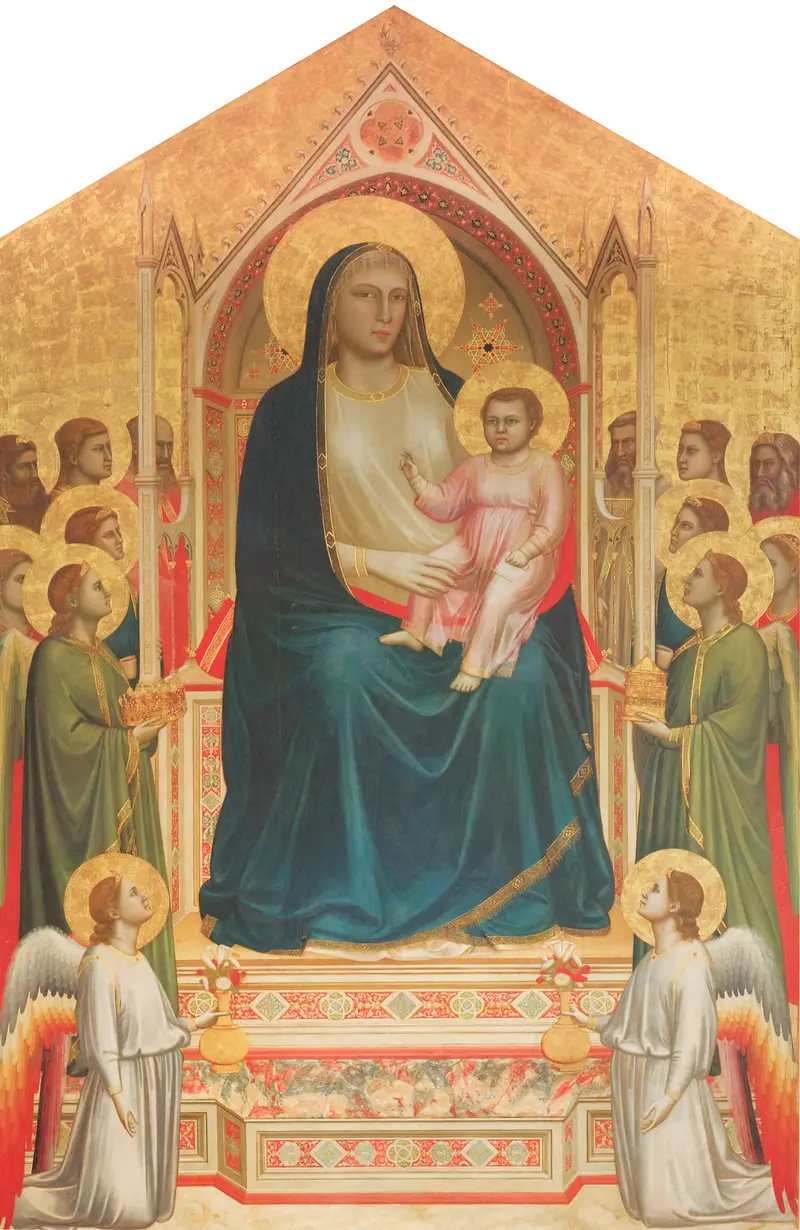
Ognissanti Madonna
Giotto di Bondone
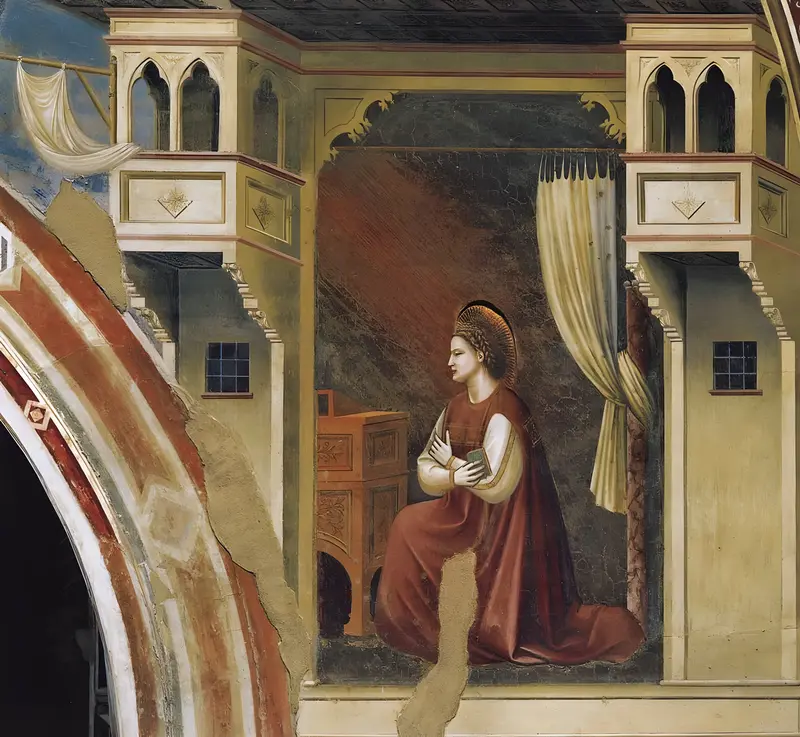
The Virgin of the Annunciation
Giotto di Bondone
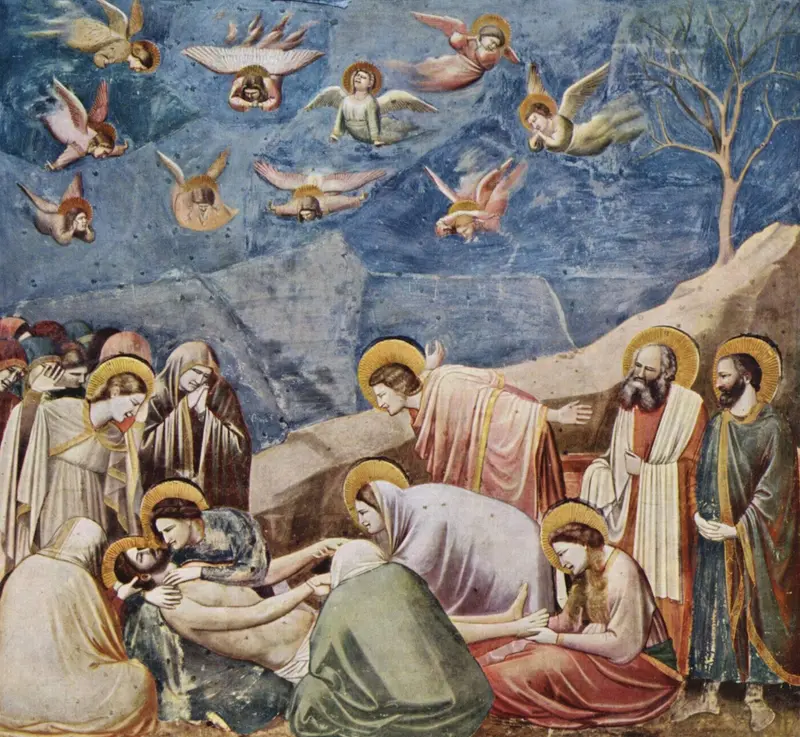
Lamentation (The Mourning of Christ)
Giotto di Bondone
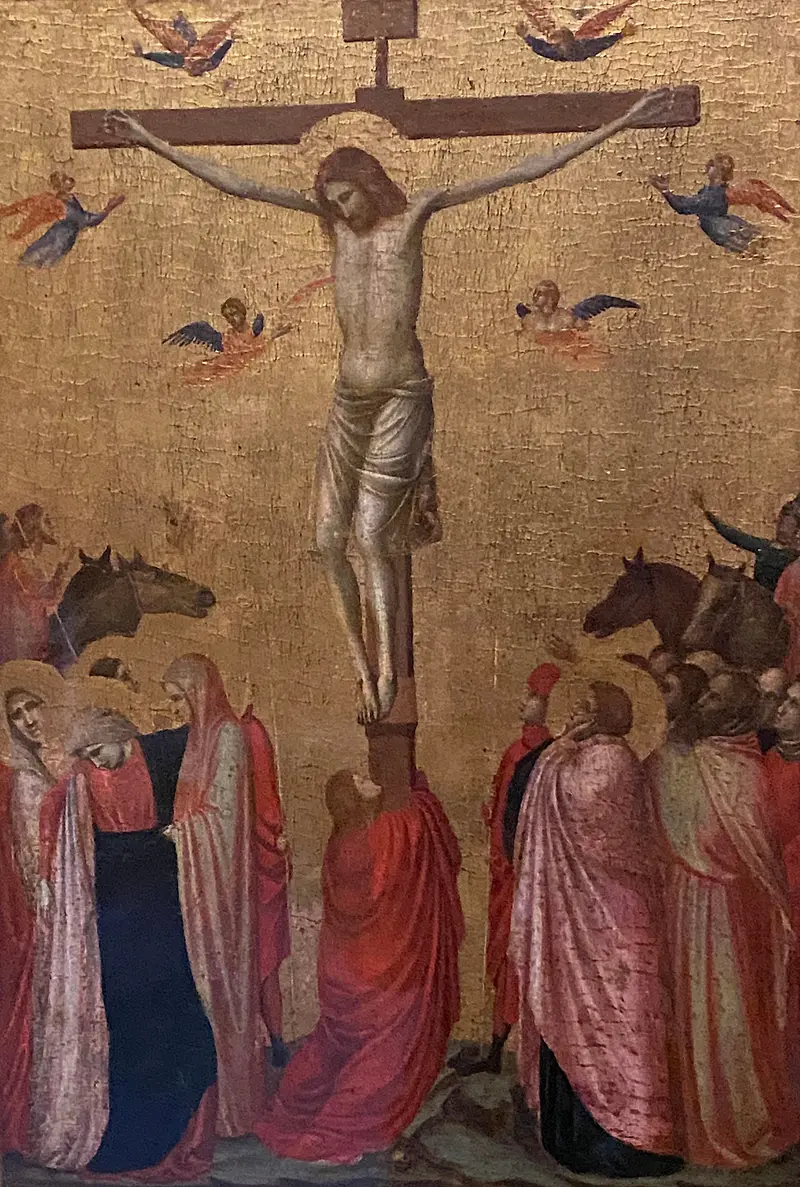
Crucifixion of Strasbourg
Giotto di Bondone
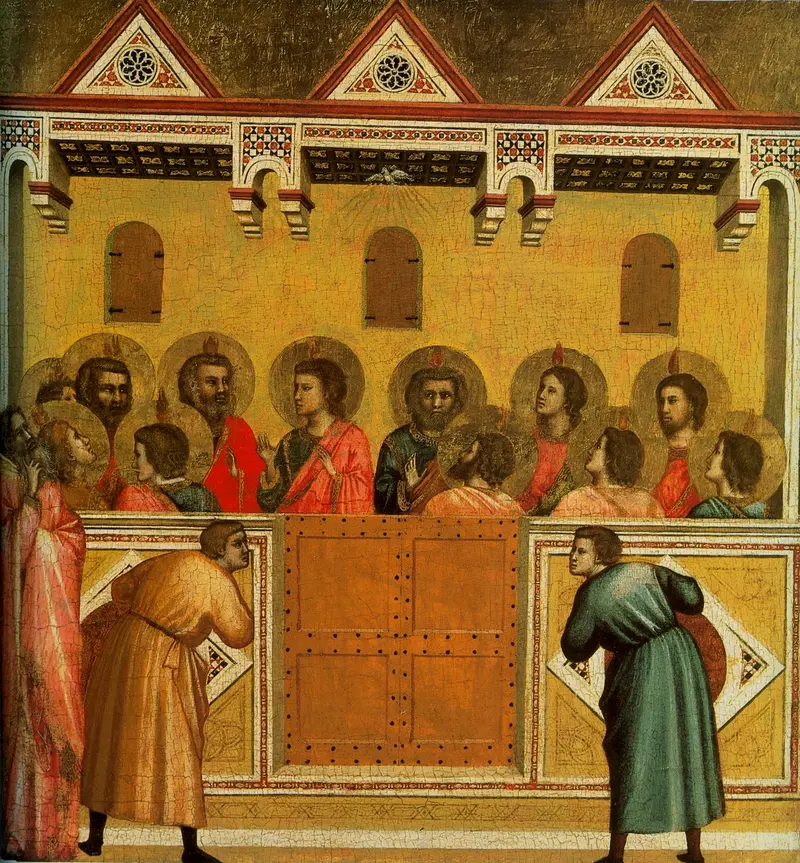
Pentecost
Giotto di Bondone
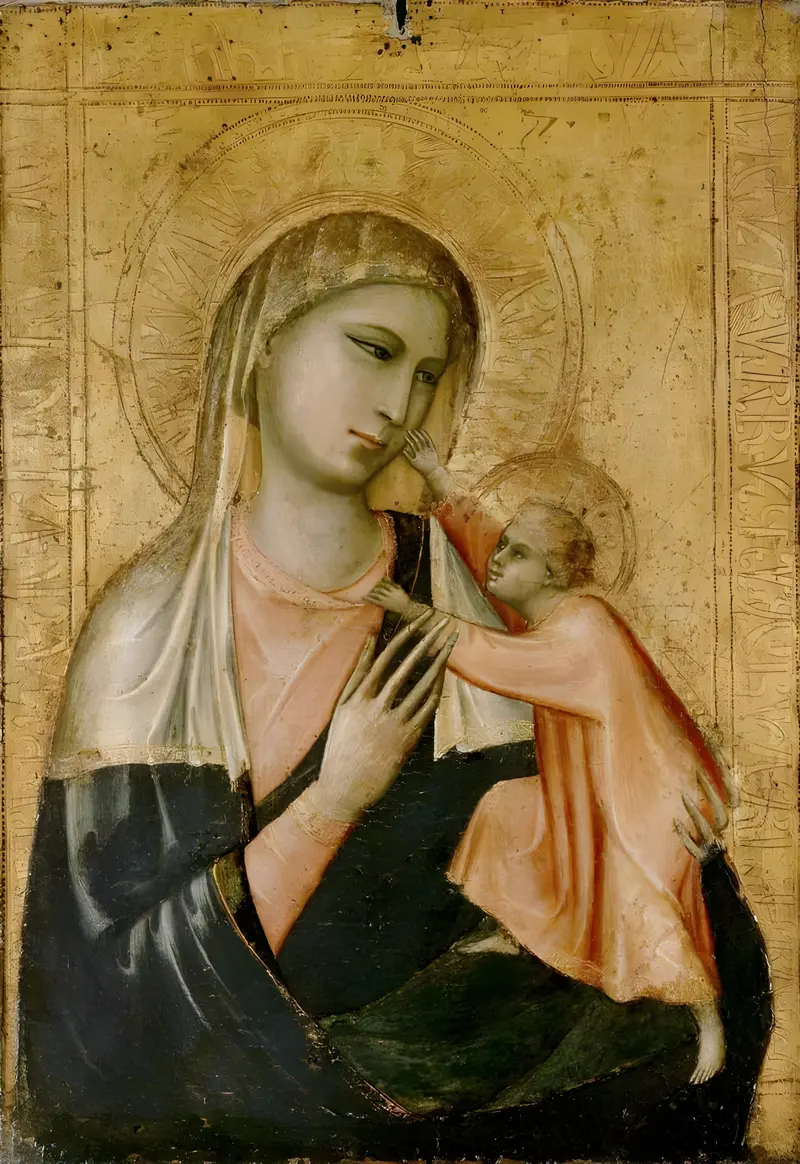
The Virgin and Child
Giotto di Bondone
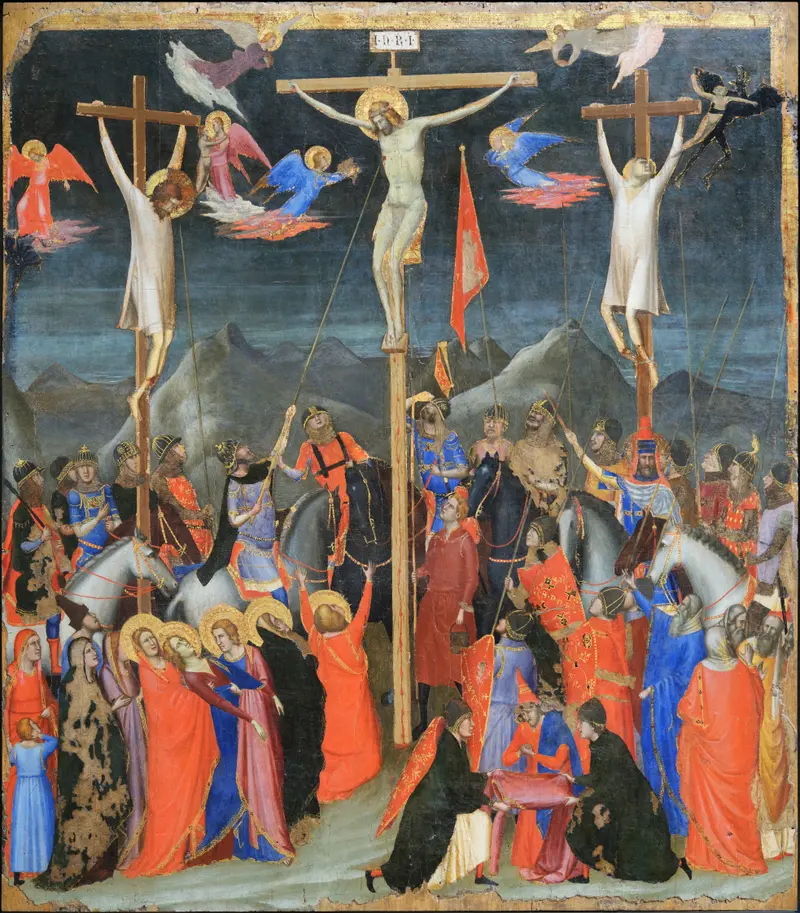
Crucifixion
Giotto di Bondone
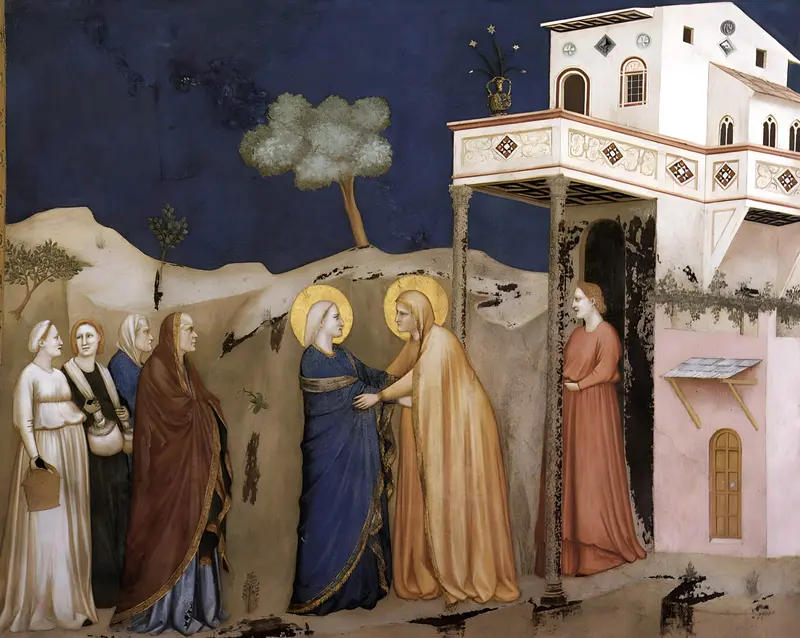
The Visitation
Giotto di Bondone
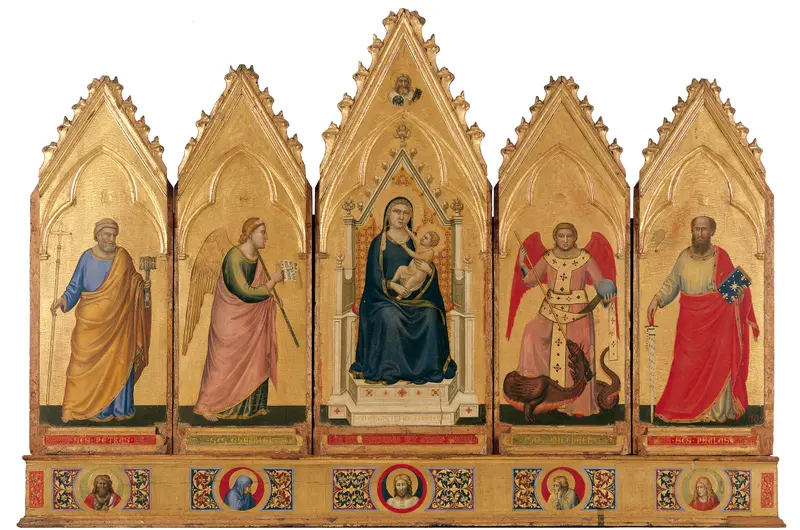
Bologna Polyptych
Giotto di Bondone
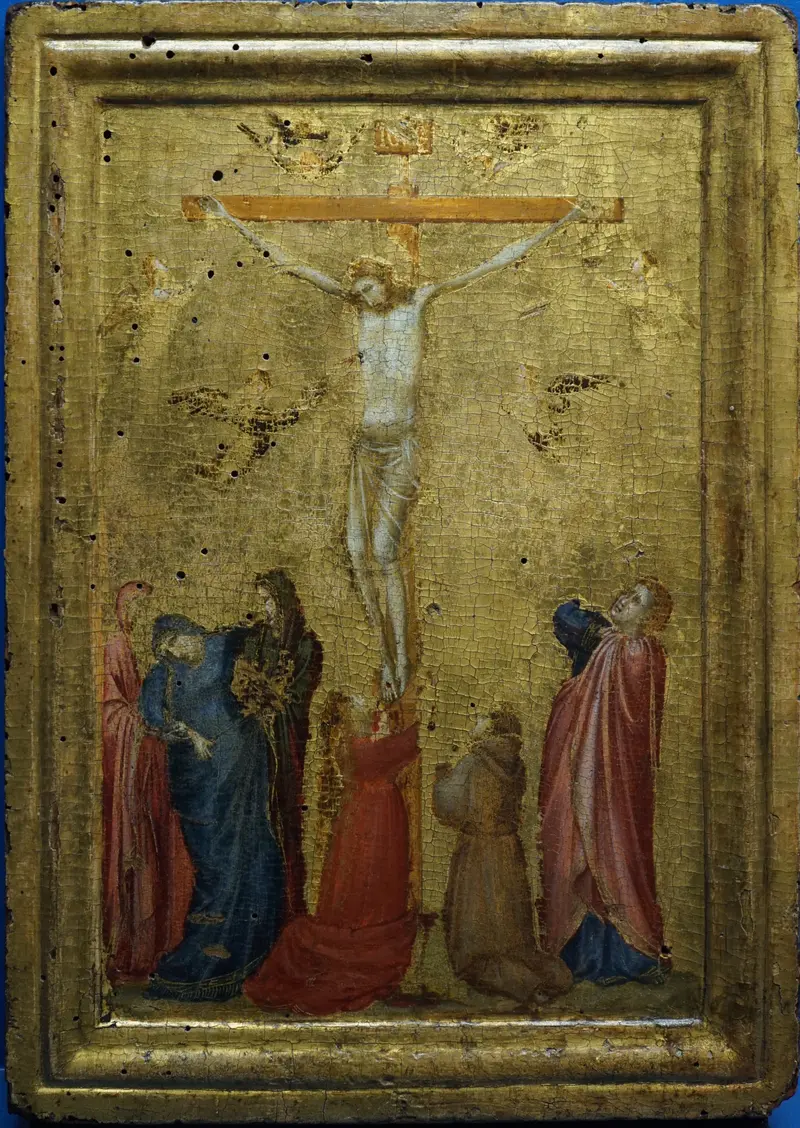
Calvary and Francis of Assisi
Giotto di Bondone





