
The Visitation — History & Facts
When Giotto di Bondone painted The Visitation around 1310, he was reshaping the language of Western art. His work marked a turning point: for the first time, sacred stories were told with a new humanity, the figures grounded in real space and emotion. This particular scene—Mary and Elizabeth meeting—was rarely depicted with such tenderness before Giotto’s hand.
The fresco (its exact medium is debated) once formed part of a larger cycle, now scattered, that brought the lives of Christ and the Virgin vividly to life for the faithful of early 14th-century Italy. At the heart of The Visitation is a quiet encounter: Mary, newly pregnant with Jesus, travels to see her older cousin Elizabeth, who is herself miraculously expecting John the Baptist. Giotto chooses the instant their eyes meet and their hands touch—a moment of shared wonder and recognition. The two women are drawn close, their faces nearly touching, their gestures gentle and deliberate.
The architecture frames them in a shallow, believable space, a hallmark of Giotto’s innovation, while the restrained palette and solid forms anchor the miraculous in the everyday. Unlike earlier Byzantine versions, which often rendered the figures stiff and remote, Giotto’s Mary and Elizabeth are unmistakably alive, their emotions readable and sincere. The journey of this panel has been less well documented than some of Giotto’s more famous works, such as those in the Arena Chapel. Its original location is thought to have been a Florentine church, but the precise provenance remains uncertain—a fate common to many fragments of medieval cycles.
Over centuries, changes in taste and church renovations displaced many such works, and some were lost or dispersed. Today, The Visitation stands as a testament to Giotto’s pivotal role in the transition from medieval to early Renaissance art, admired for its subtle storytelling and its quiet revolution in depicting the sacred.
More Artworks by Giotto di Bondone
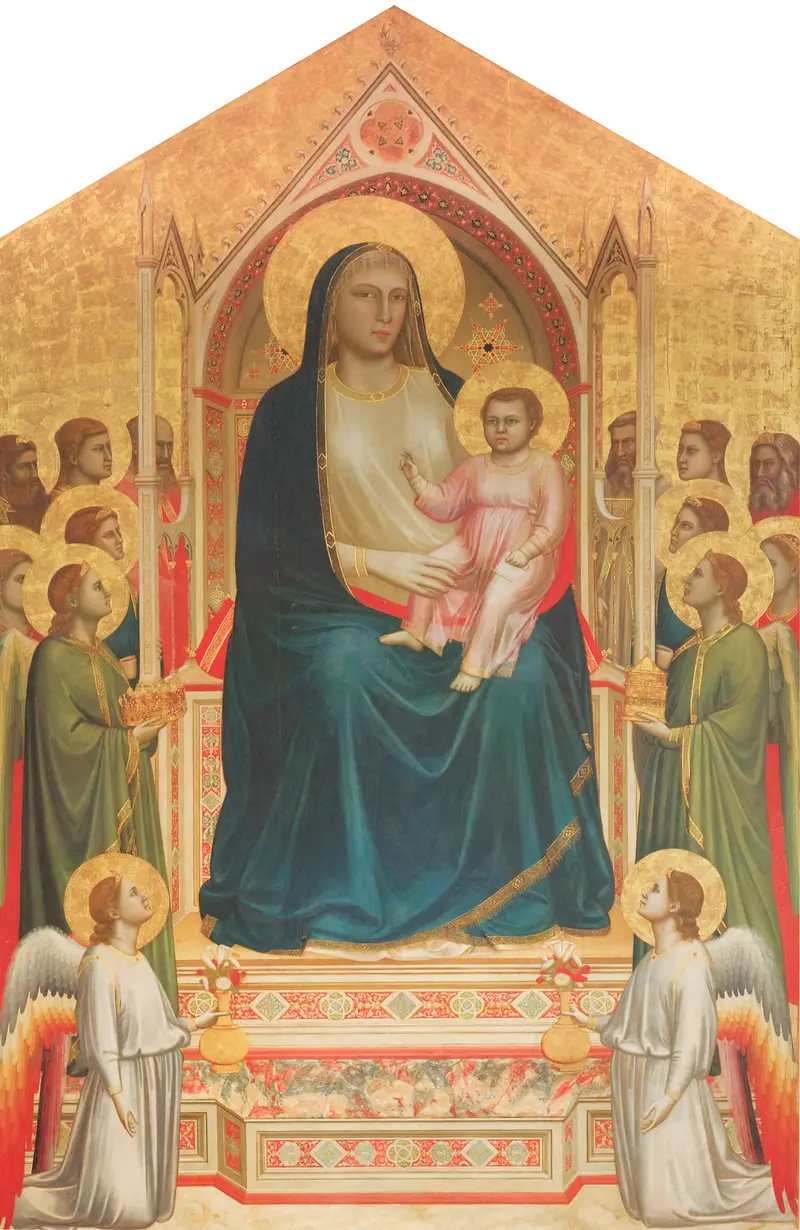
Ognissanti Madonna
Giotto di Bondone
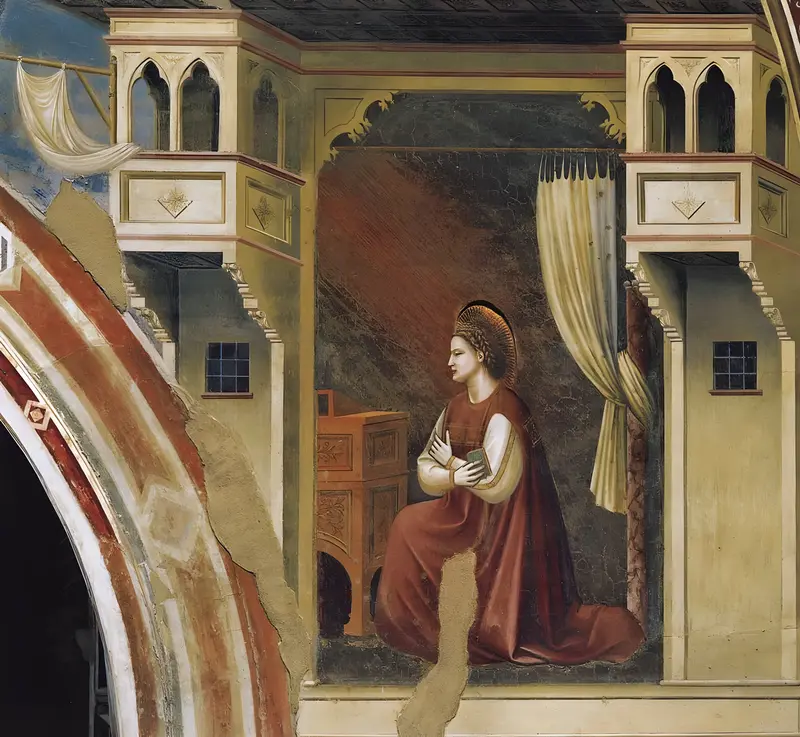
The Virgin of the Annunciation
Giotto di Bondone
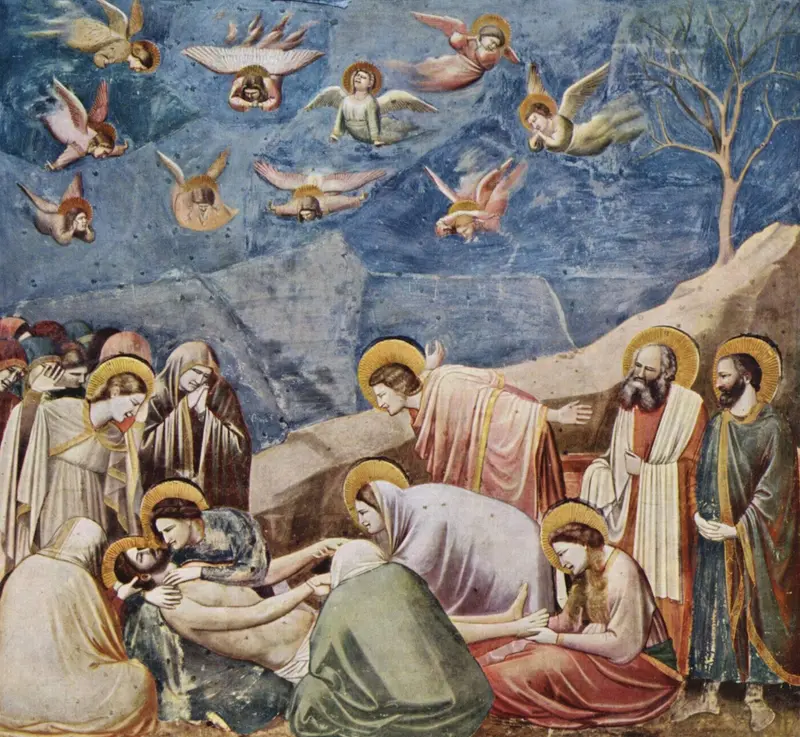
Lamentation (The Mourning of Christ)
Giotto di Bondone
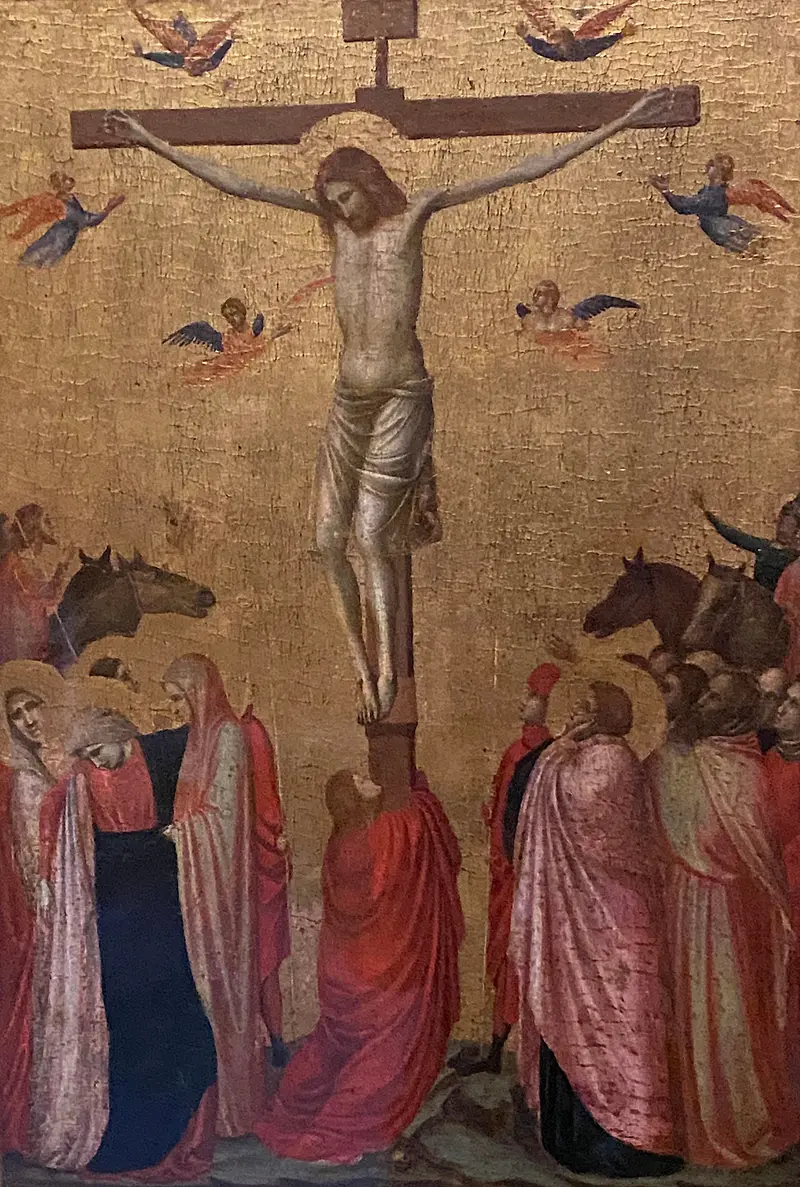
Crucifixion of Strasbourg
Giotto di Bondone
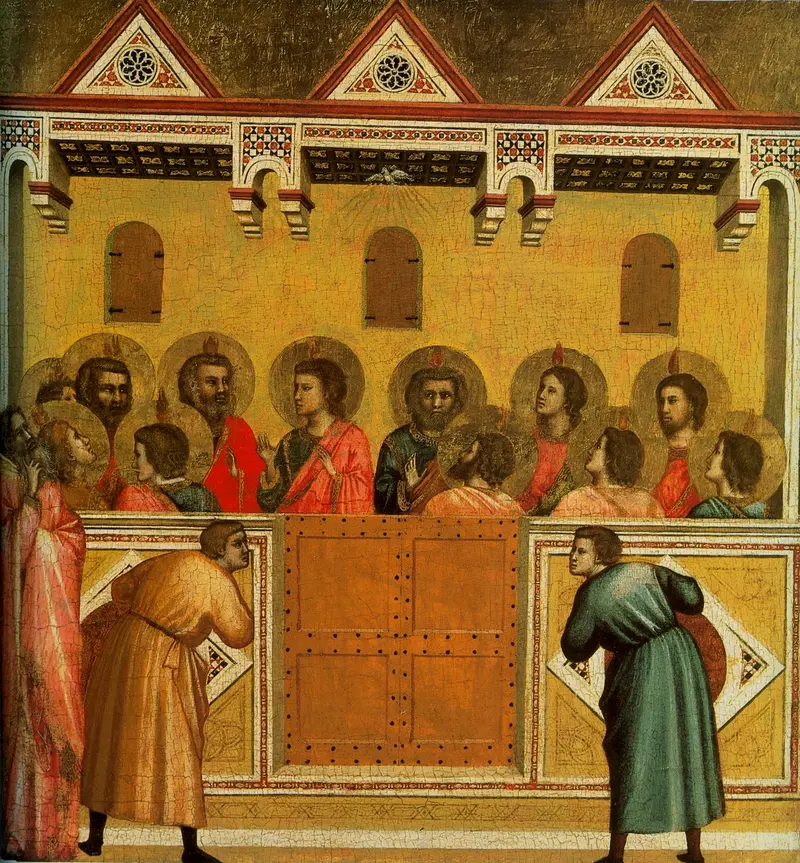
Pentecost
Giotto di Bondone
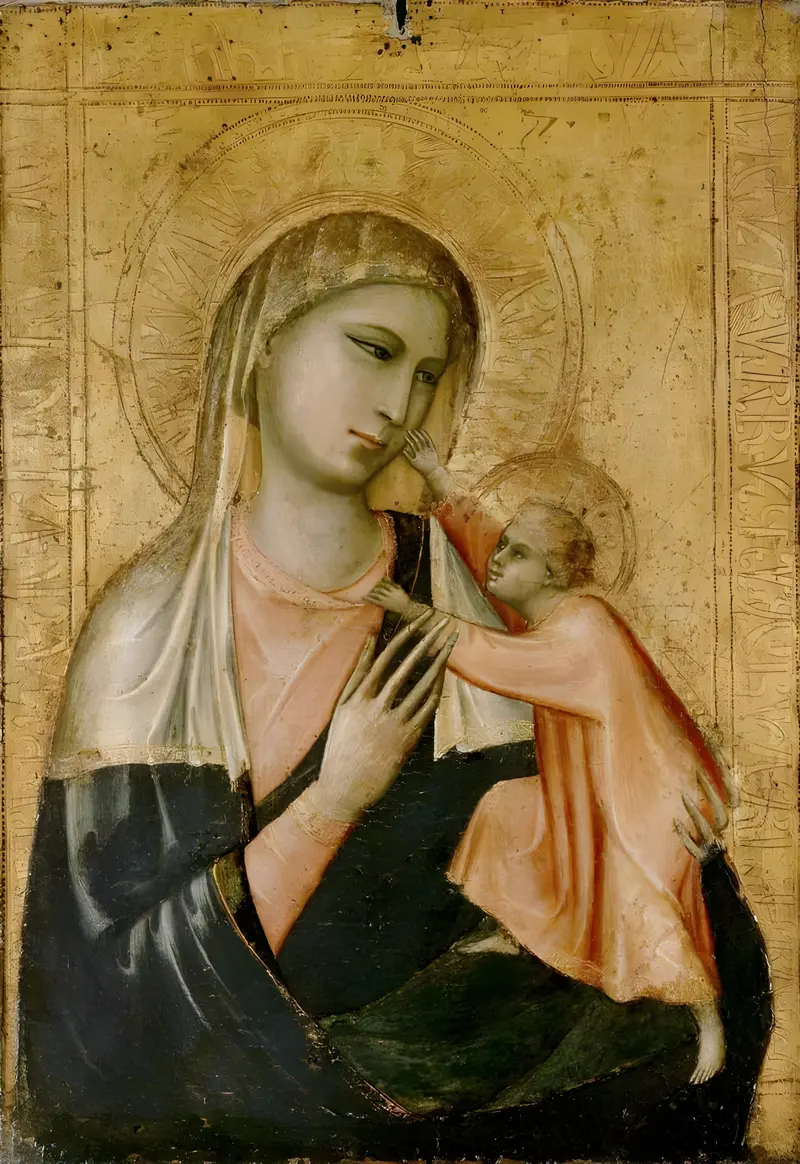
The Virgin and Child
Giotto di Bondone
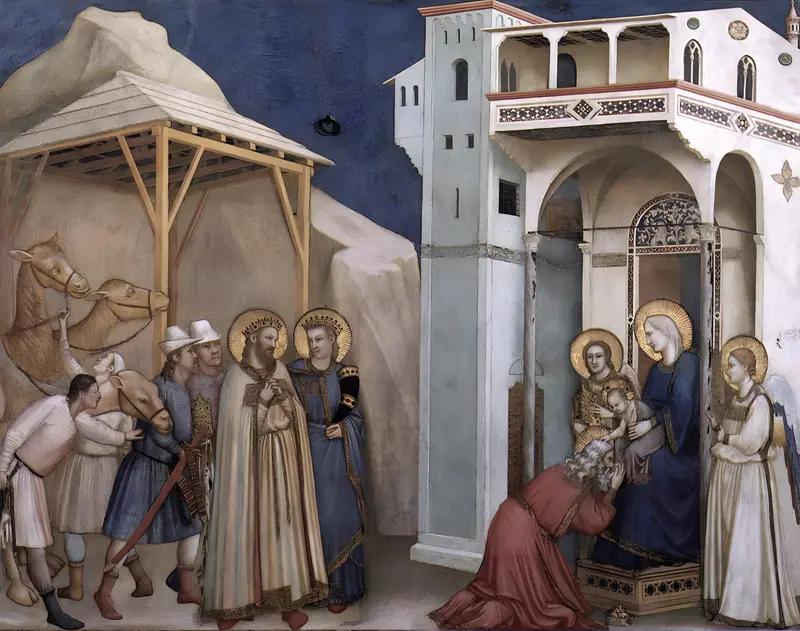
Anbetung der Könige
Giotto di Bondone
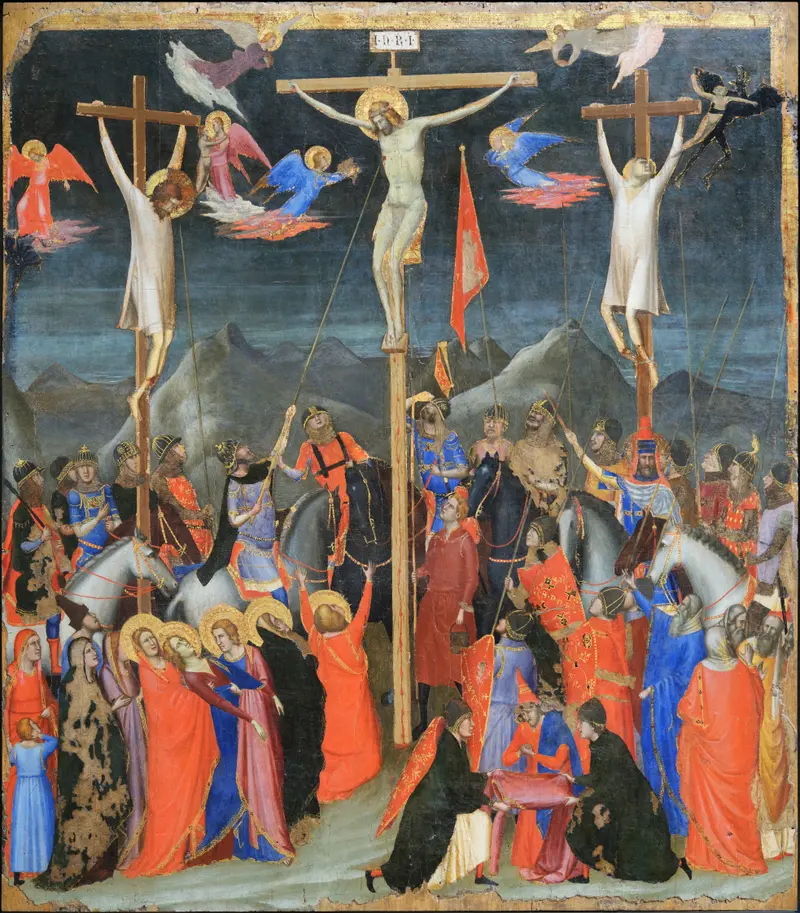
Crucifixion
Giotto di Bondone
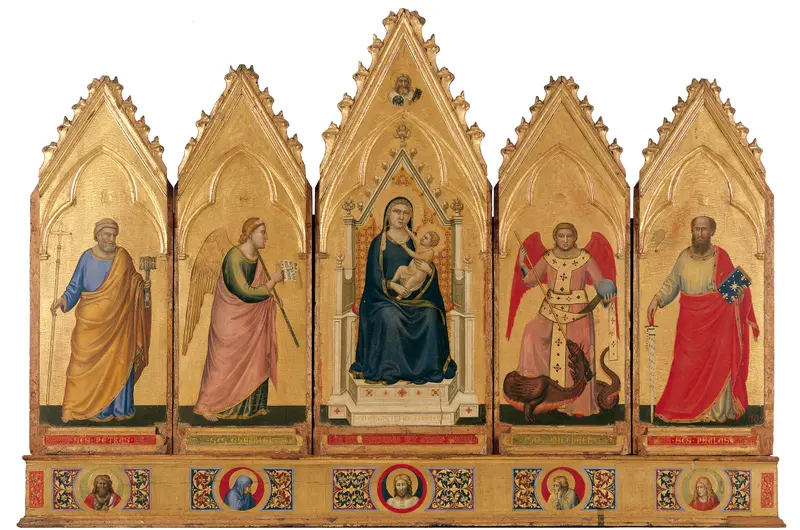
Bologna Polyptych
Giotto di Bondone
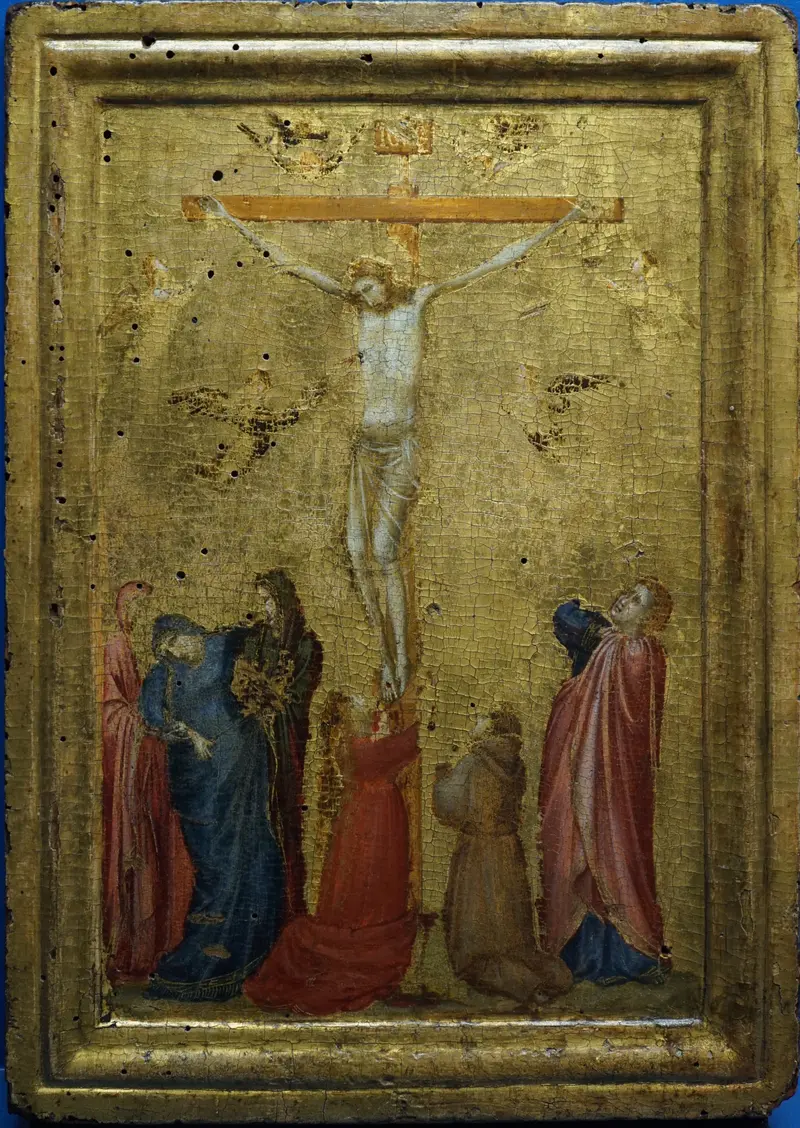
Calvary and Francis of Assisi
Giotto di Bondone





