
Bologna Polyptych — History & Facts
In the city of Bologna, the arrival of Giotto di Bondone’s Bologna Polyptych in 1333 marked a rare moment: a Florentine master working outside his native sphere, commissioned for a major church in a rival city. The work’s original home, the church of Santa Maria degli Angeli, sought to assert its prestige by enlisting the most innovative painter of the age. This polyptych—now dispersed, with panels in museums across Europe—remains a puzzle for art historians, who debate the exact arrangement and even the full list of surviving panels.
Its fame in its own day is attested by the chronicler Giovanni da Bologna, who recorded the crowds who flocked to see it. At the center of the surviving panels, the Virgin sits enthroned, her gaze direct yet gentle, the Christ Child perched on her lap with a gesture of blessing. Saints stand in solemn rows, each rendered with individualized features and richly patterned garments, their halos catching the light in delicate gold. Giotto’s figures, solid and weighty, break from the flat abstraction of earlier altarpieces: their bodies cast shadows, their faces show emotion, and their gestures suggest a silent conversation.
Unlike the ethereal saints of Duccio or the Byzantine icons still common in Italy, Giotto’s holy figures inhabit real space, their humanity inviting the viewer’s empathy. The use of architectural framing in the polyptych’s upper panels hints at the new naturalism that would soon sweep through Italian painting. The Bologna Polyptych stands at a turning point in Giotto’s career, created when his reputation was at its height and his innovations were reshaping religious art. Though the original ensemble was dismantled centuries ago—its panels scattered by Napoleonic seizures and later sales—scholars have painstakingly traced their provenance, reuniting them in exhibitions and catalogues.
The work’s medium remains uncertain, as few technical studies have been possible, but its impact is clear: it brought the revolution of Florentine painting to the heart of Emilia-Romagna. Today, the surviving panels are prized highlights in the collections of Bologna, Paris, and Washington, reminders of a moment when art, faith, and civic pride converged in the hands of Giotto di Bondone.
More Artworks by Giotto di Bondone
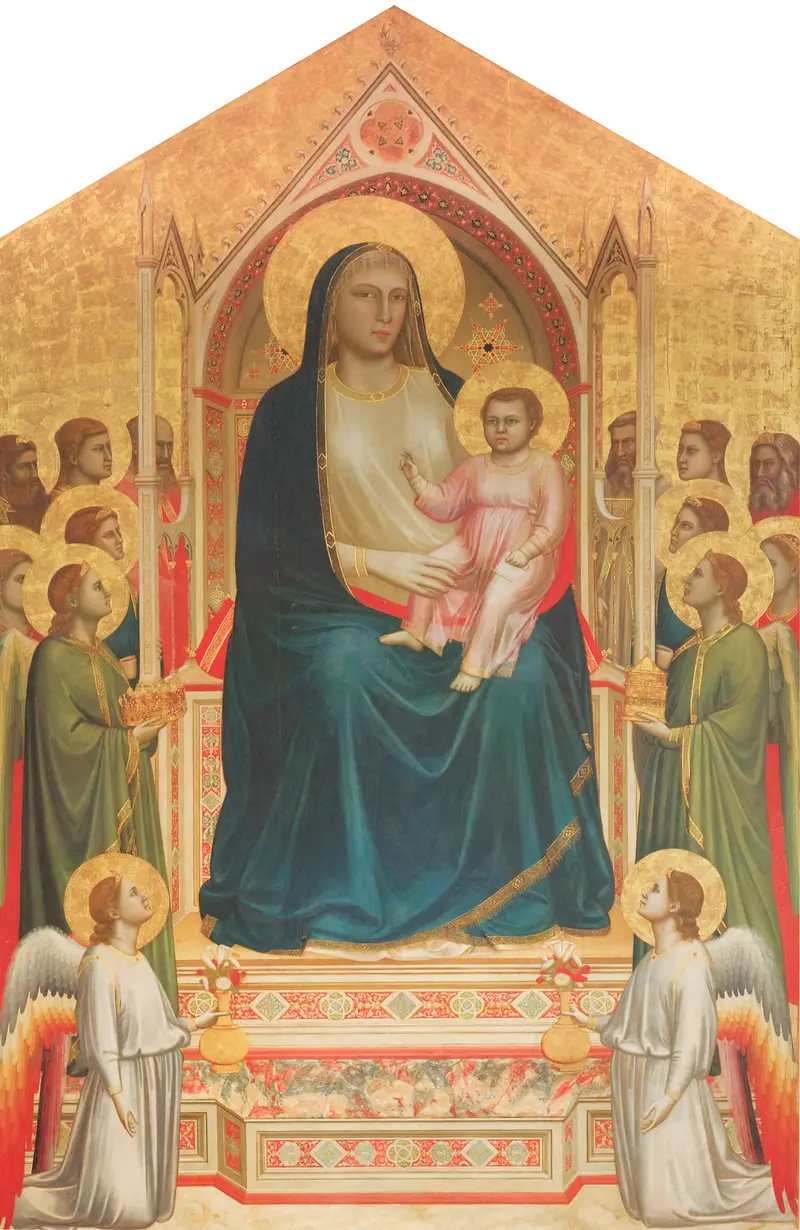
Ognissanti Madonna
Giotto di Bondone
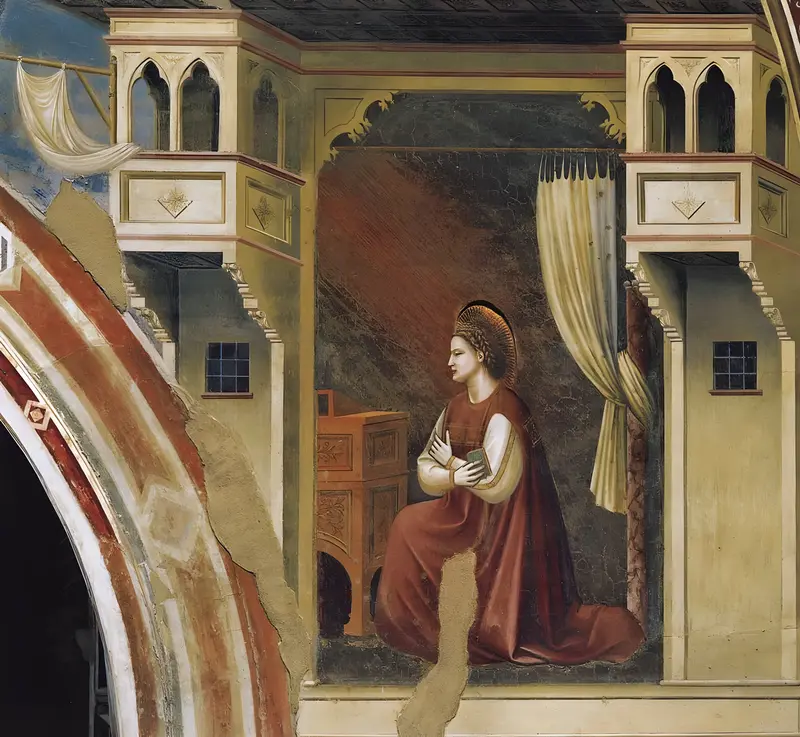
The Virgin of the Annunciation
Giotto di Bondone
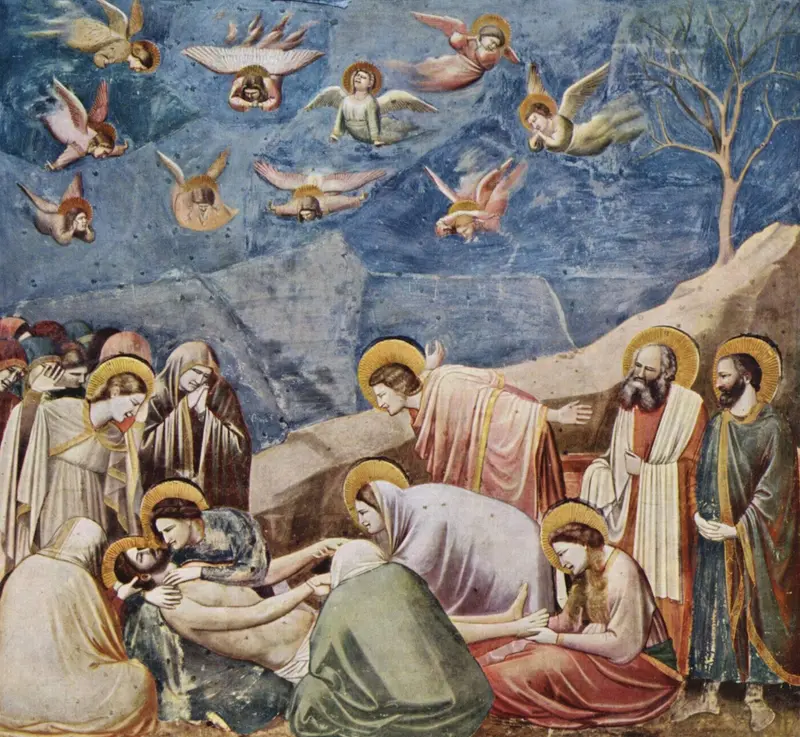
Lamentation (The Mourning of Christ)
Giotto di Bondone
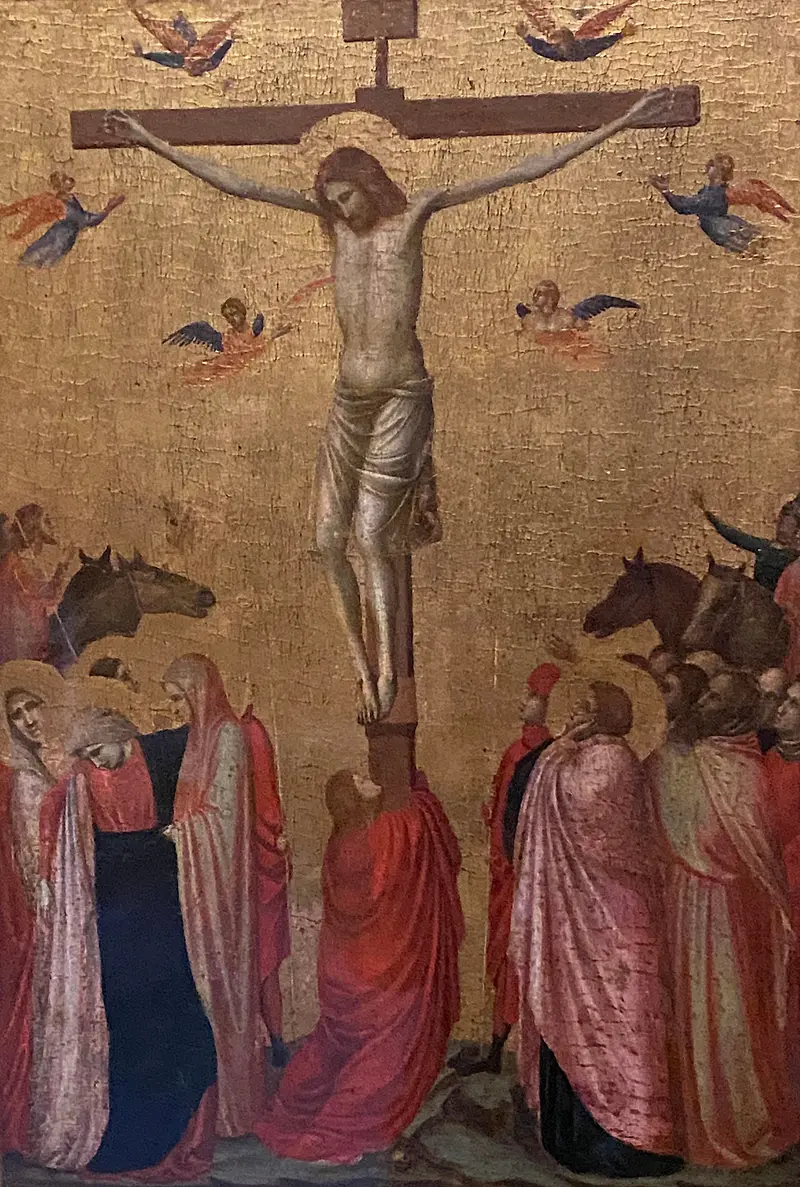
Crucifixion of Strasbourg
Giotto di Bondone
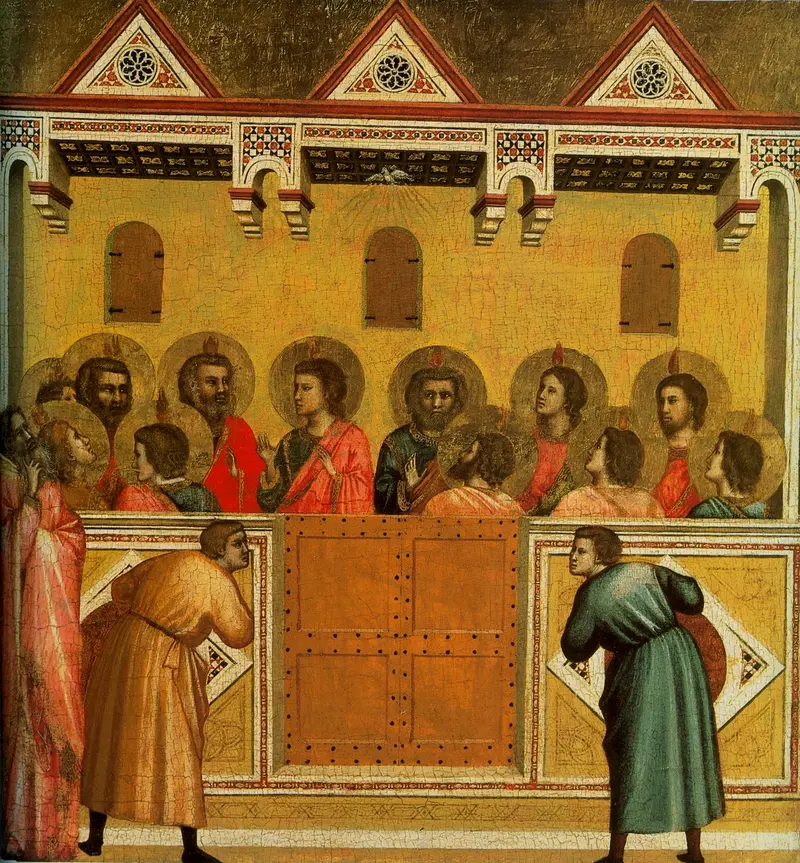
Pentecost
Giotto di Bondone
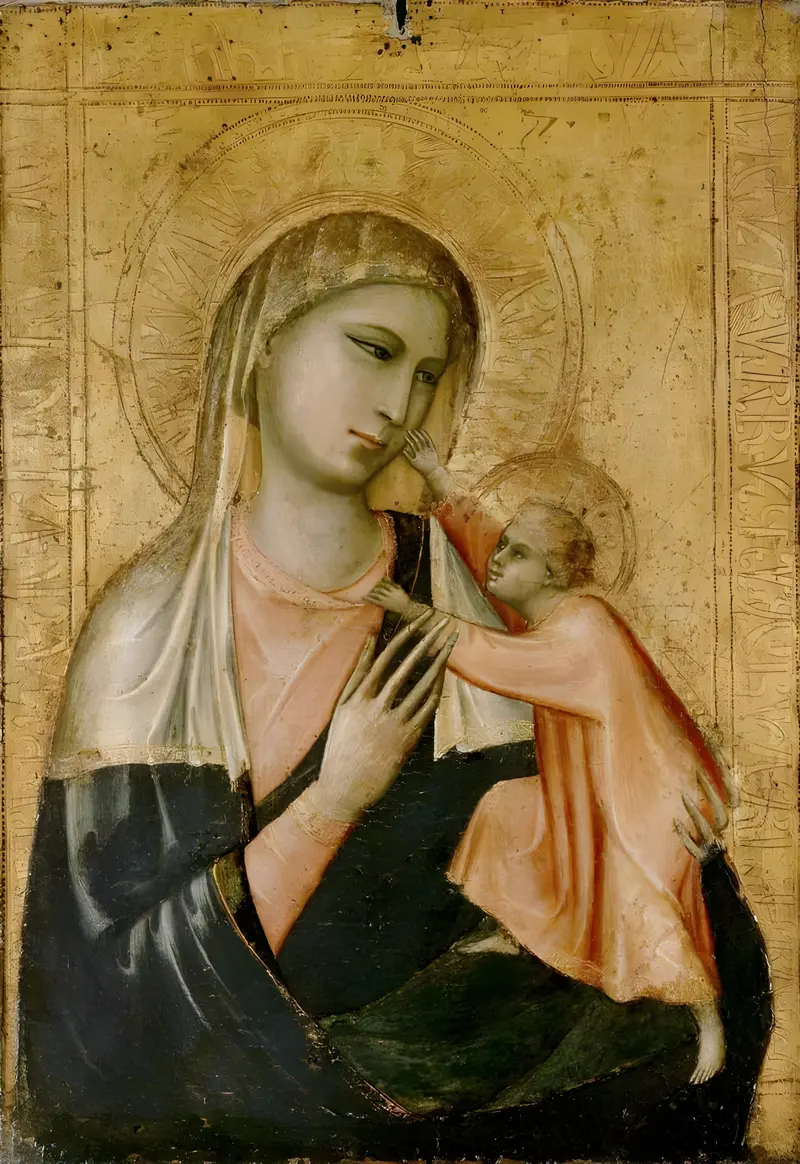
The Virgin and Child
Giotto di Bondone
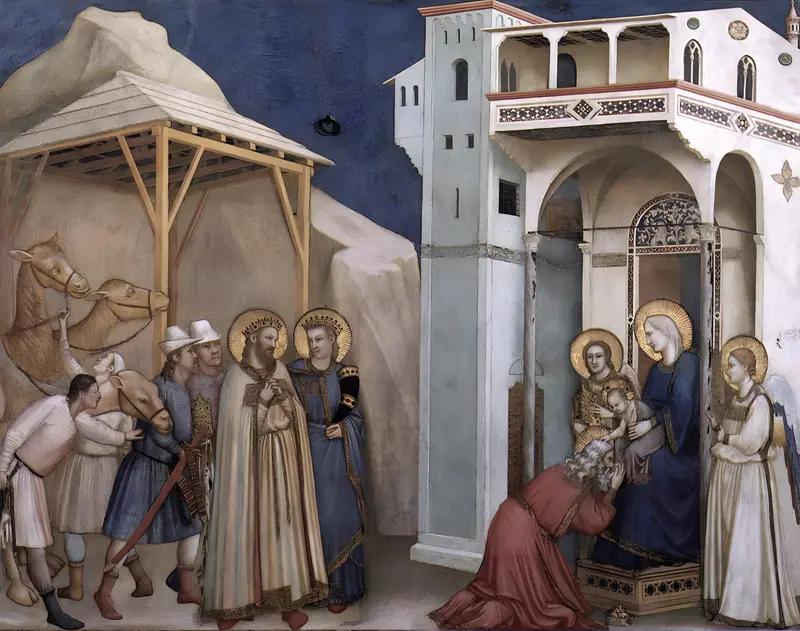
Anbetung der Könige
Giotto di Bondone
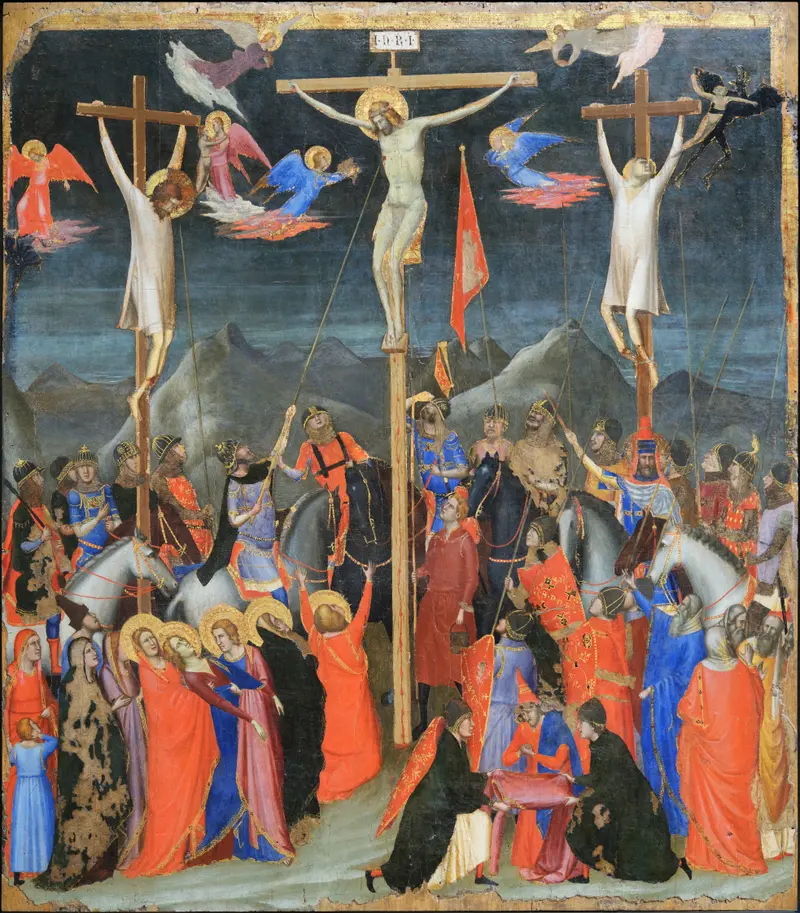
Crucifixion
Giotto di Bondone
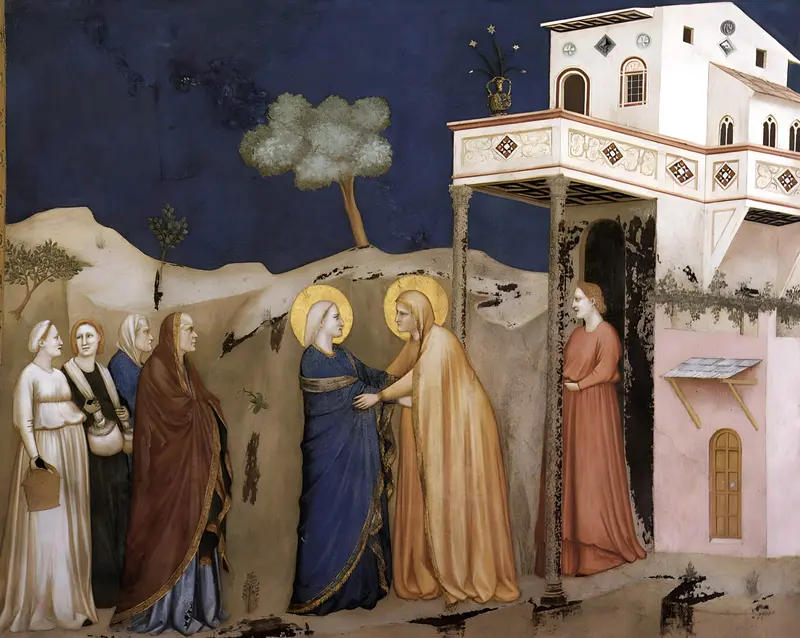
The Visitation
Giotto di Bondone
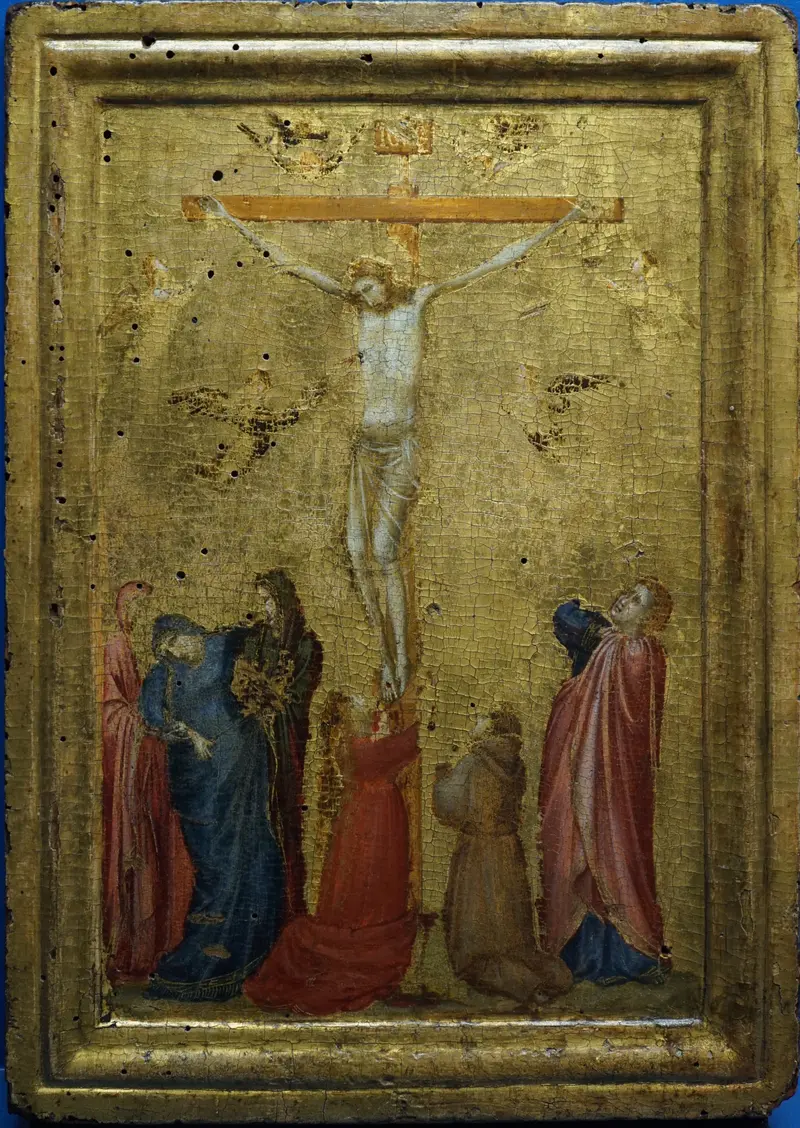
Calvary and Francis of Assisi
Giotto di Bondone





