
The Virgin of the Annunciation — History & Facts
In 1306, the walls of the Scrovegni Chapel in Padua were transformed by the hand of Giotto di Bondone, whose fresco cycle would forever change the course of Western painting. Among these, The Virgin of the Annunciation stands out as one of the earliest depictions to give the Virgin Mary a sense of psychological presence—her reaction is not just shown, but felt. This image marks a turning point: for the first time, viewers could witness the drama of the Annunciation as if it were unfolding before them, not as a distant icon but as a living moment.
The commission itself was an act of penitence by Enrico Scrovegni, who sought to atone for his family's sins by sponsoring this chapel and its groundbreaking art. At the instant Giotto selects, the angel Gabriel has just arrived, and Mary recoils in surprise, her body subtly twisting away while her hand rises in a gesture of both fear and acceptance. The drapery of her robe falls in heavy, believable folds, a departure from the flat, stylized forms of earlier medieval painting. A shaft of light, painted with deliberate clarity, connects Gabriel’s words to Mary’s heart, symbolizing the divine message.
Unlike the serene, distant Virgins of earlier Byzantine icons, Giotto’s Mary is a young woman caught off guard, her humanity made visible. Compare this to Simone Martini’s Annunciation (1333), where the gold ground and elegant lines preserve a sense of formality—Giotto’s approach is more direct, more immediate. The exact medium of The Virgin of the Annunciation remains uncertain, though it is generally considered a fresco, in keeping with the rest of the Scrovegni Chapel cycle. Over the centuries, the chapel has survived periods of neglect, restoration, and scholarly debate, but Giotto’s innovations have never faded from view.
Today, visitors to Padua can still stand before this image, witnessing the birth of a new kind of painting—one rooted in observation and emotion. For Giotto, this work was part of his most ambitious project, one that would influence generations of artists from Masaccio to Michelangelo. The painting remains in situ, a testament to the enduring power of narrative and the artist’s revolutionary vision.
Sources: Wikidata Q61989282 · Image source (Wikimedia Commons)
More Artworks by Giotto di Bondone
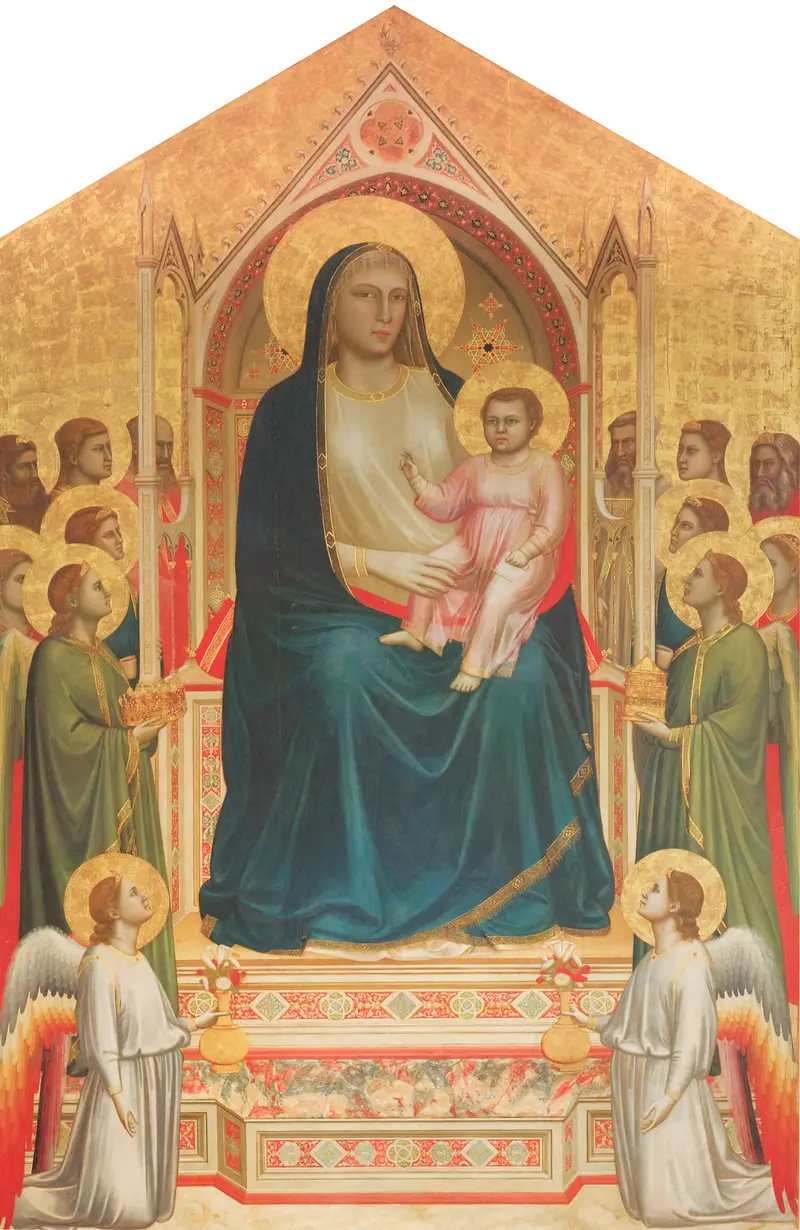
Ognissanti Madonna
Giotto di Bondone
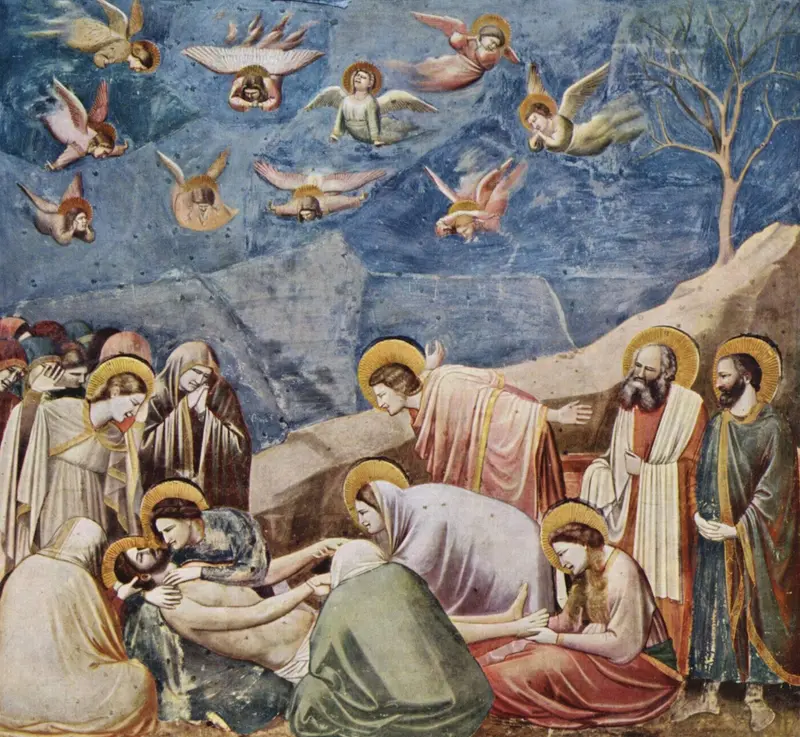
Lamentation (The Mourning of Christ)
Giotto di Bondone
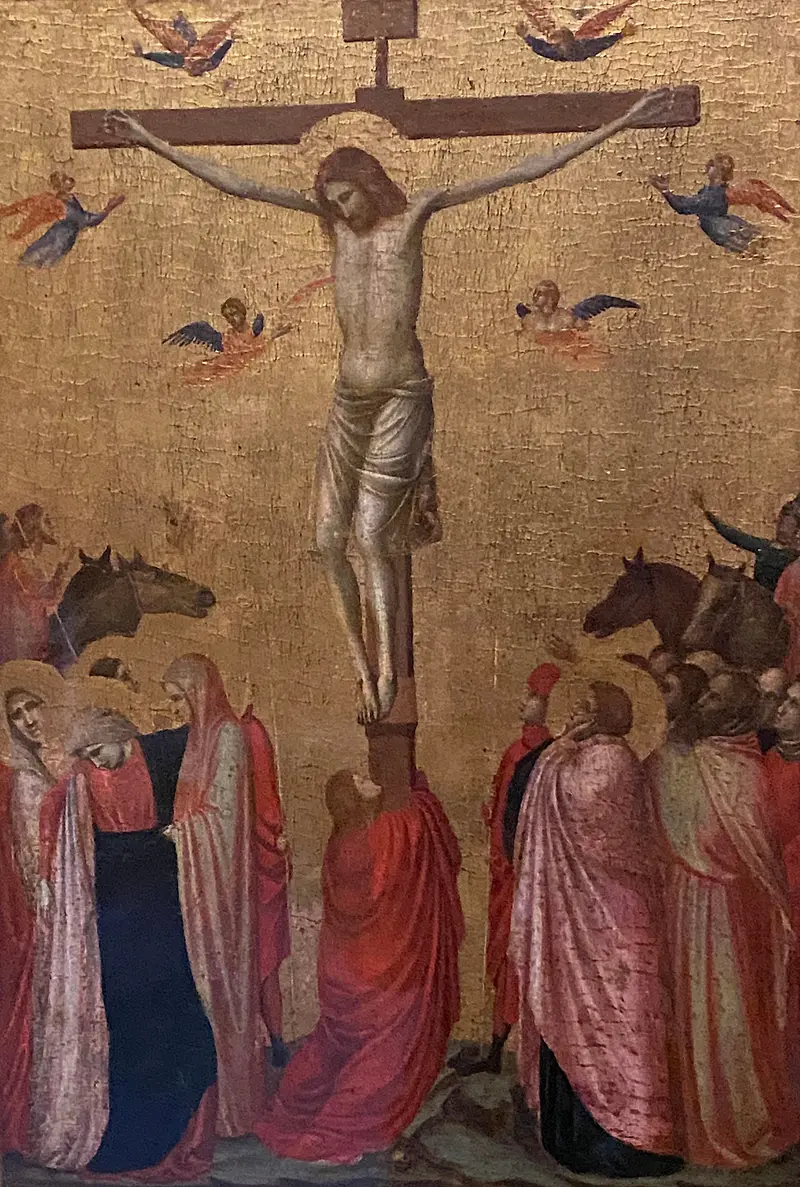
Crucifixion of Strasbourg
Giotto di Bondone
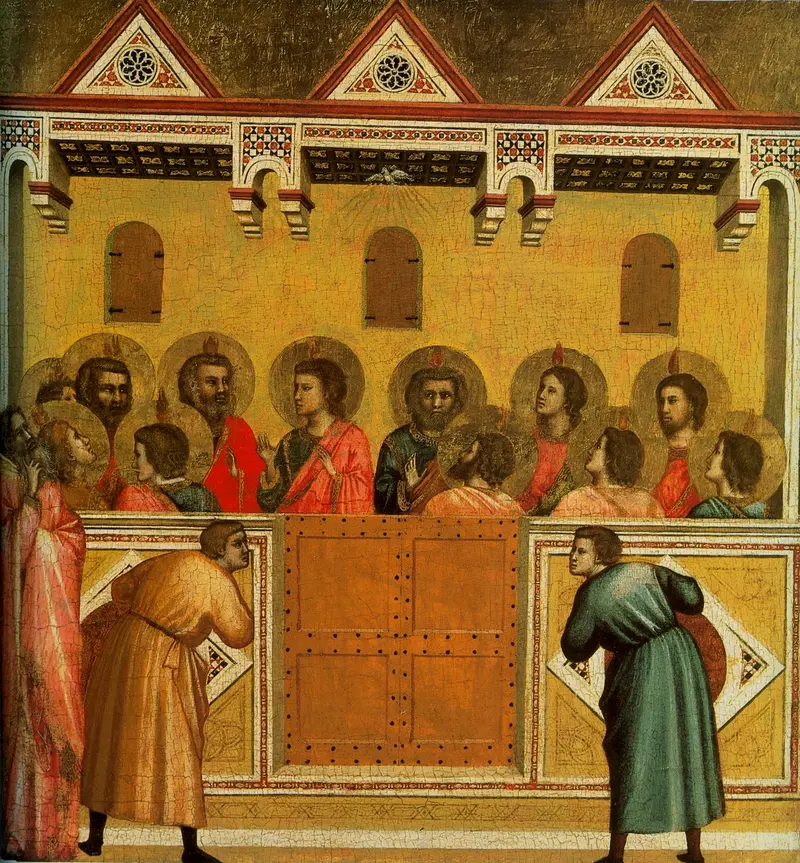
Pentecost
Giotto di Bondone
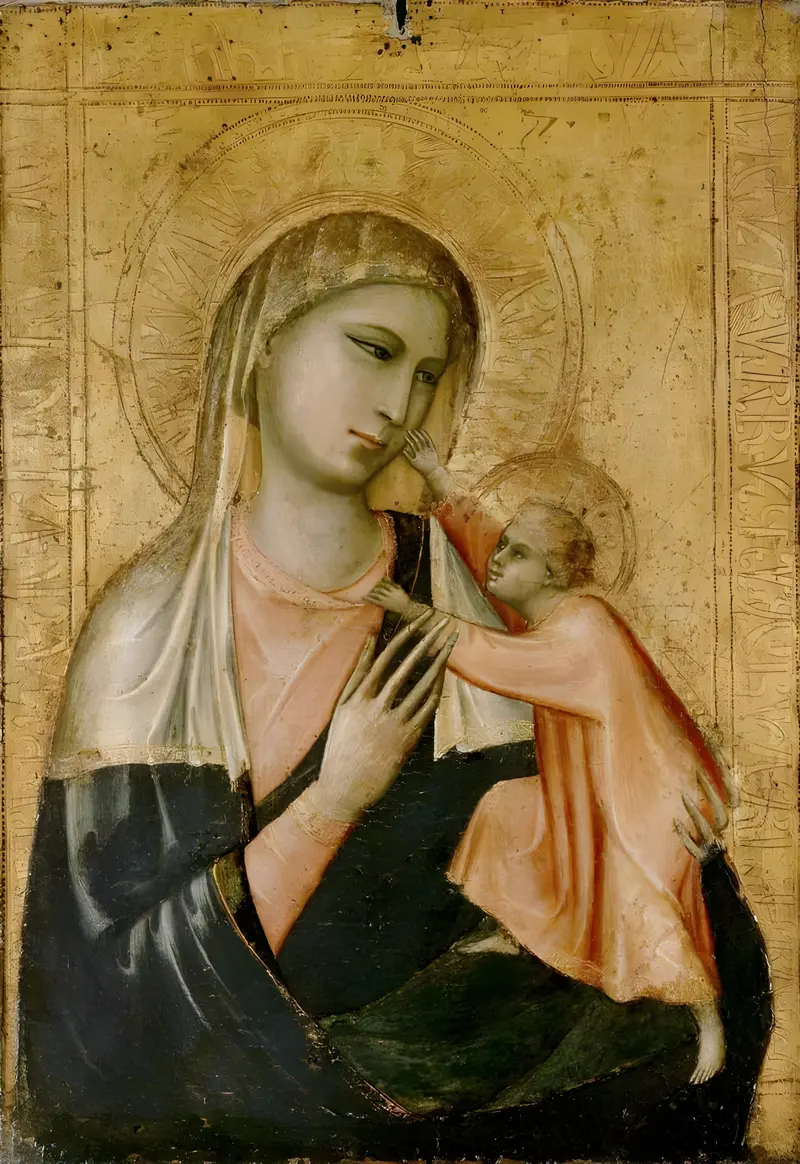
The Virgin and Child
Giotto di Bondone
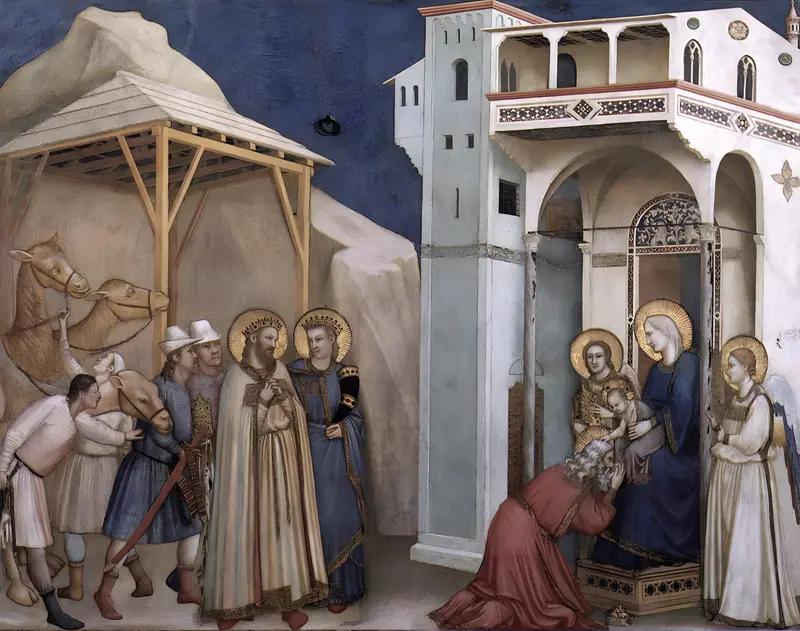
Anbetung der Könige
Giotto di Bondone
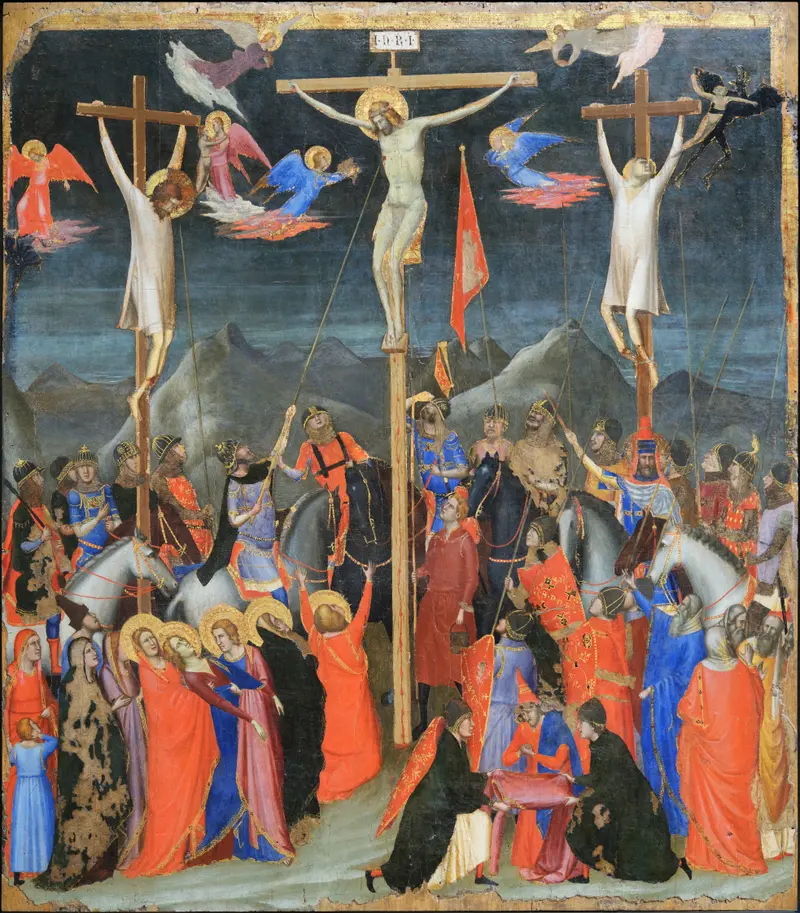
Crucifixion
Giotto di Bondone
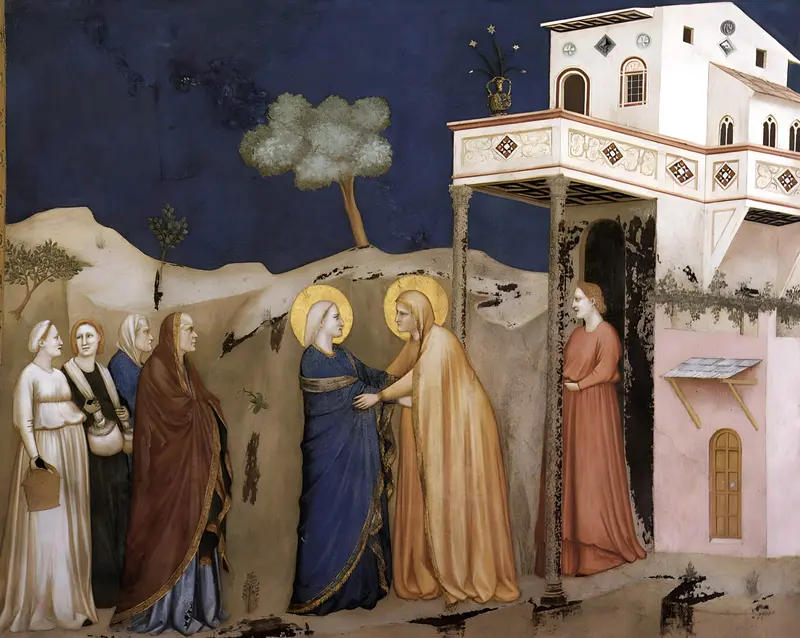
The Visitation
Giotto di Bondone
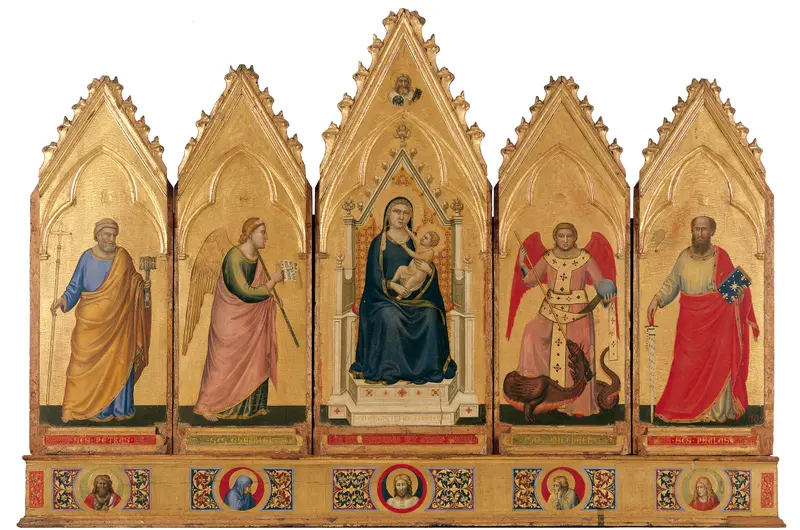
Bologna Polyptych
Giotto di Bondone
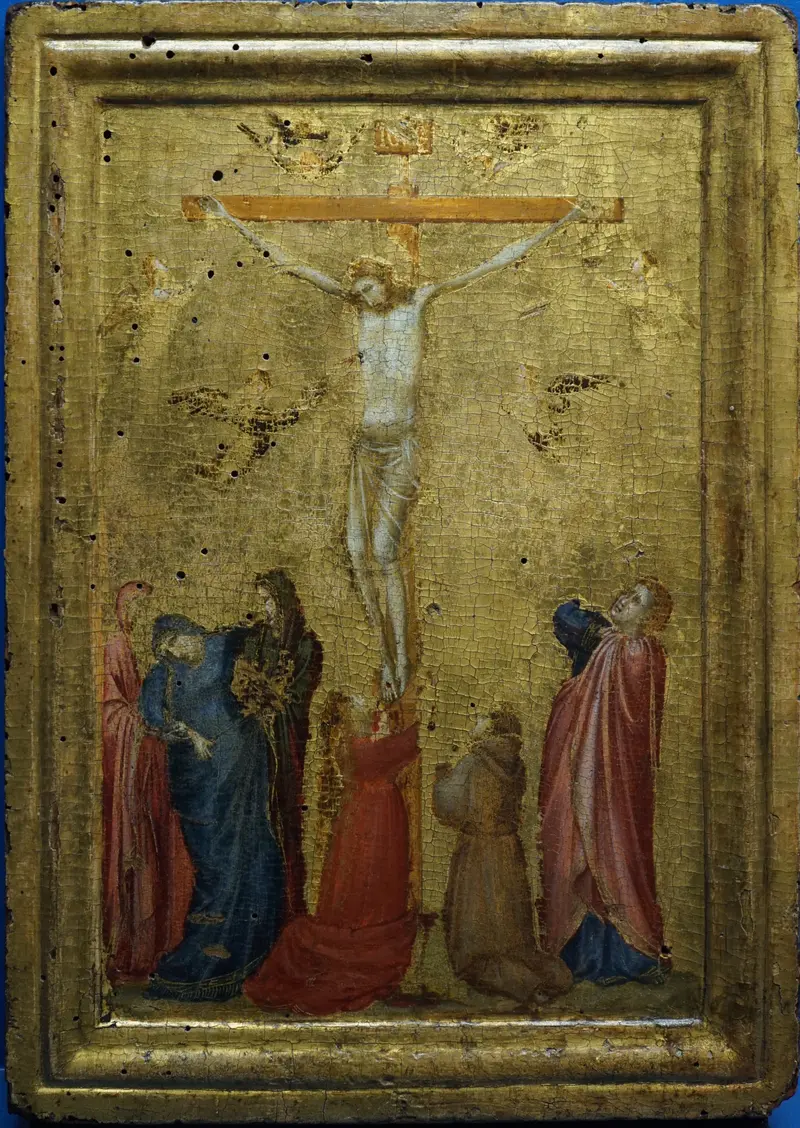
Calvary and Francis of Assisi
Giotto di Bondone





