
Palisades on the Hudson — History & Facts
In the stillness of nature, illusion and reality intertwine, creating a world ripe for exploration. Look to the left at the gentle rise of the Palisades, their rugged contours softened by a hazy atmosphere. Notice the interplay of sunlight filtering through the trees, casting intricate shadows that dance on the river's surface. The muted palette of greens and browns evokes a serene harmony, while the delicate strokes suggest the whisper of a breeze, inviting you to engage with the tranquility of the moment. Beneath the surface, a tension simmers in the chiaroscuro of light and dark.
The vibrant brushwork contrasts with the calmness of the landscape, hinting at the transient nature of time and perception. The distant river reflects the sky’s changing hues, suggesting an illusion of depth that invites contemplation on the nature of reality and the ephemeral beauty of the world. Each element — from the curving river to the looming cliffs — holds a story, urging viewers to question what lies beneath the surface of the visible. In 1866, Palisades on the Hudson emerged from the hands of George Inness during his time in New Jersey, a period marked by his exploration of transcendentalism in art.
As he grappled with personal loss and a quest for spiritual depth, Inness turned to the American landscape, drawing on its beauty to express deeper philosophical insights. This work reflects a transformative moment in his career, as he sought to convey not just a scene, but an experience that resonates with the viewer’s inner world.
More Artworks by George Inness
Browse all →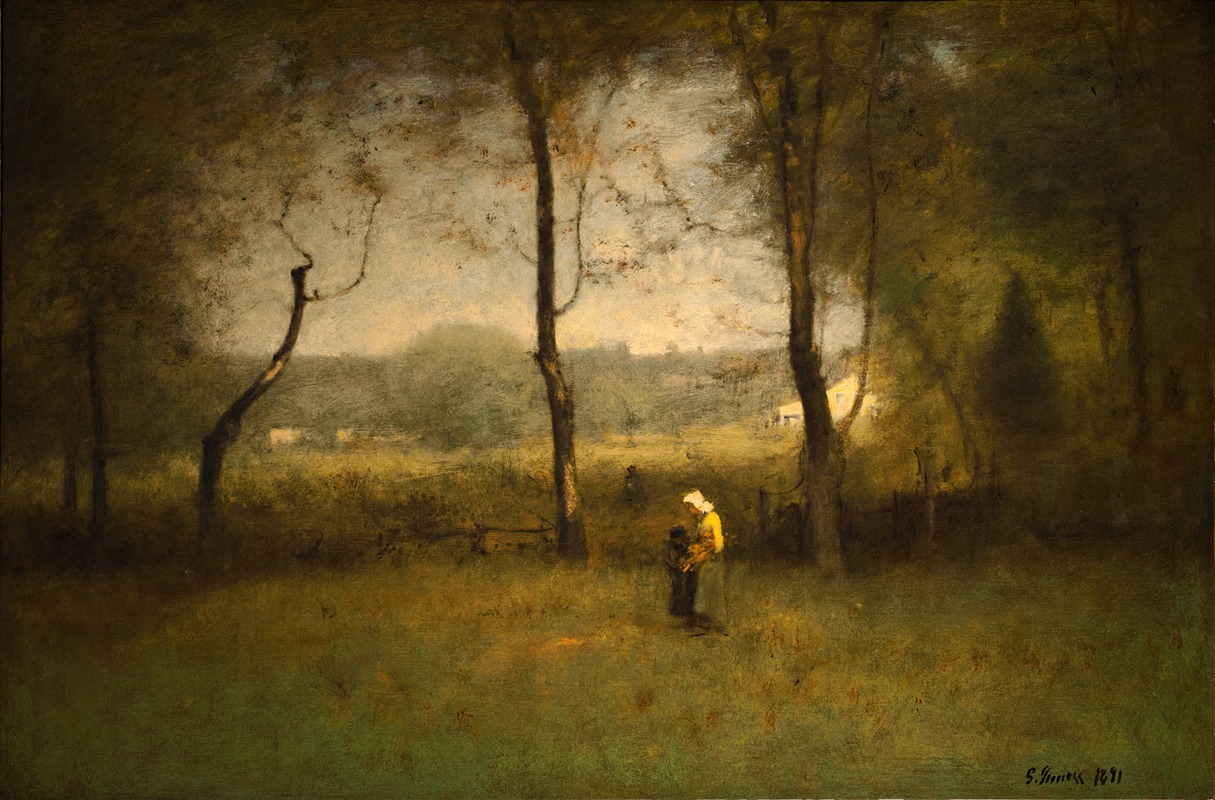
Autumn Woods
George Inness
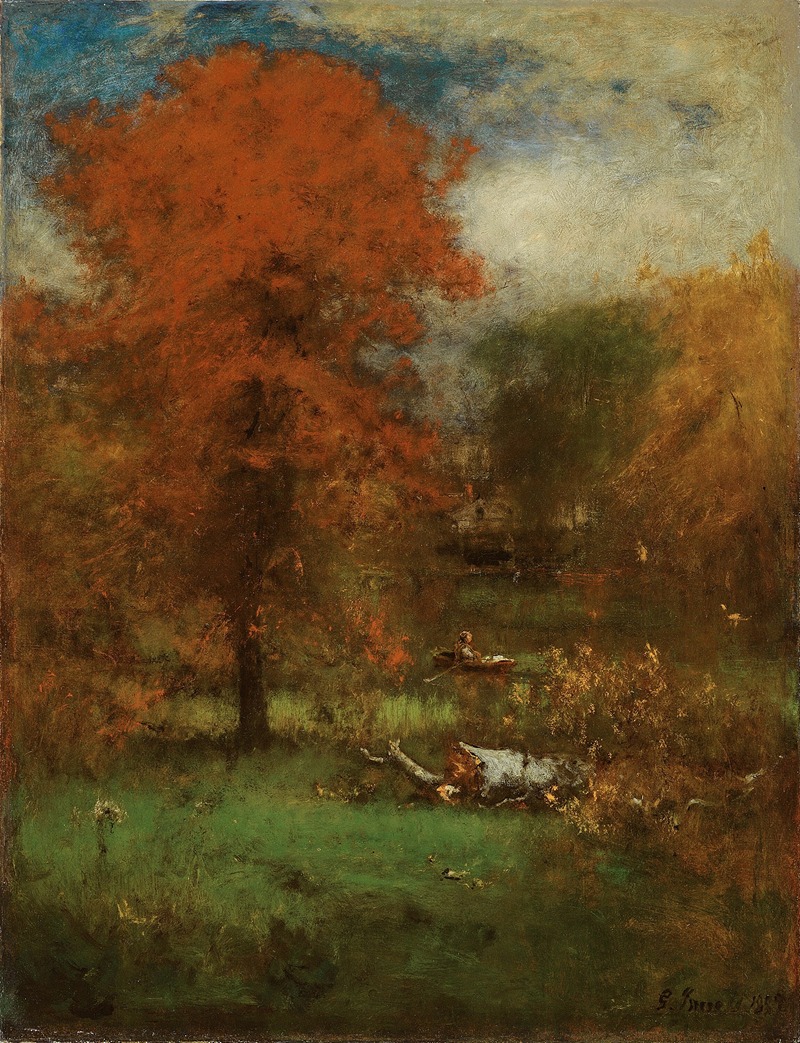
The Mill Pond
George Inness
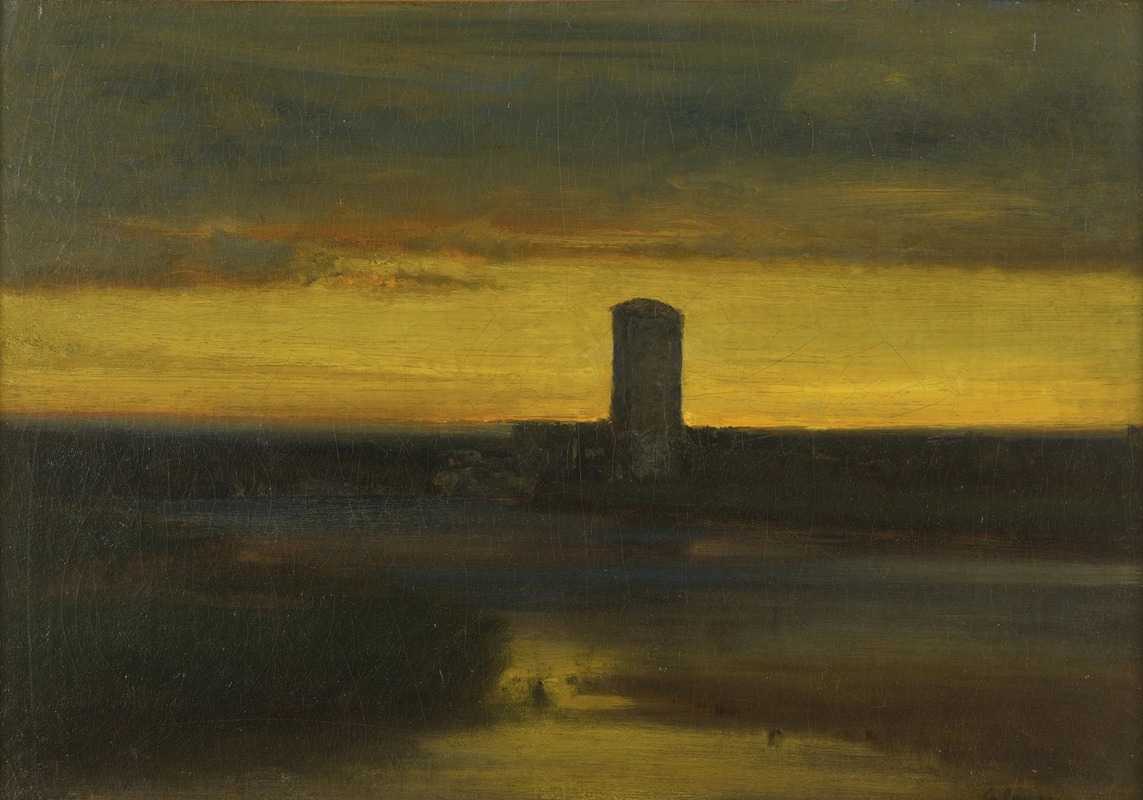
Afterglow
George Inness
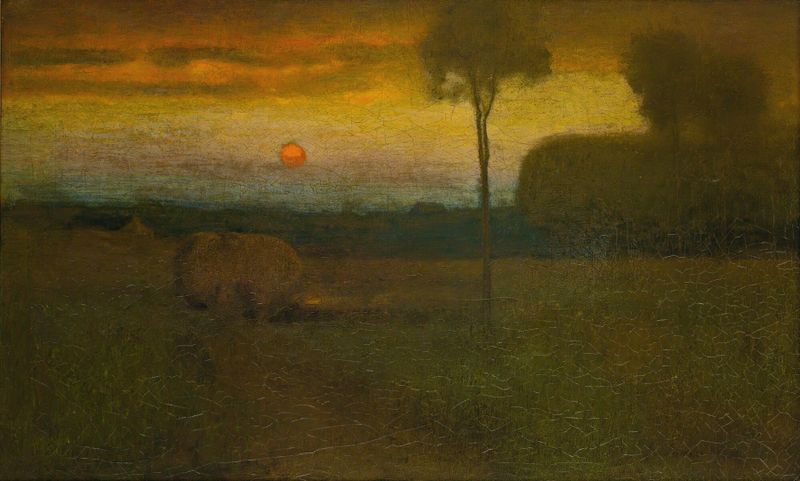
Landscape (Evening Landscape)
George Inness

Montclair
George Inness

View in Berkshire County, Massachusetts, Clearing Off after a September Storm
George Inness

October
George Inness
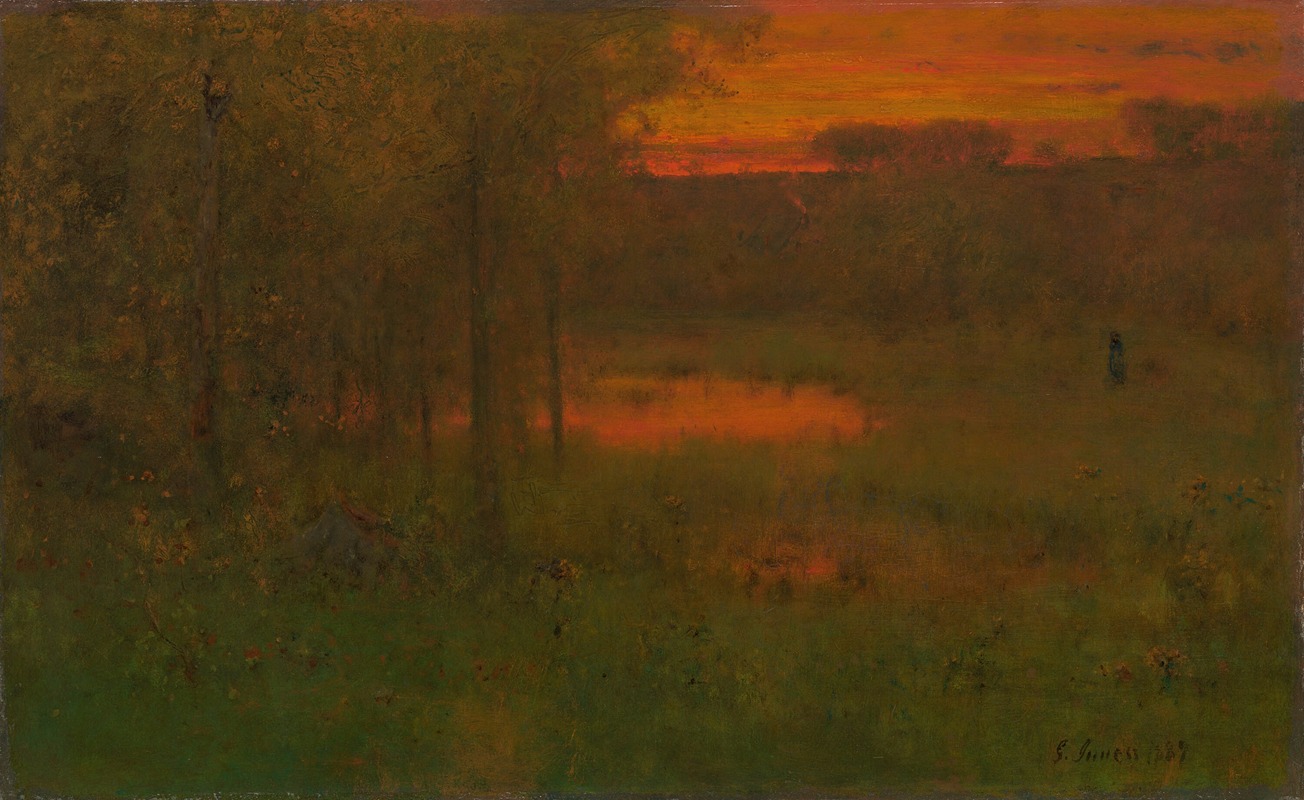
Landscape, Sunset
George Inness
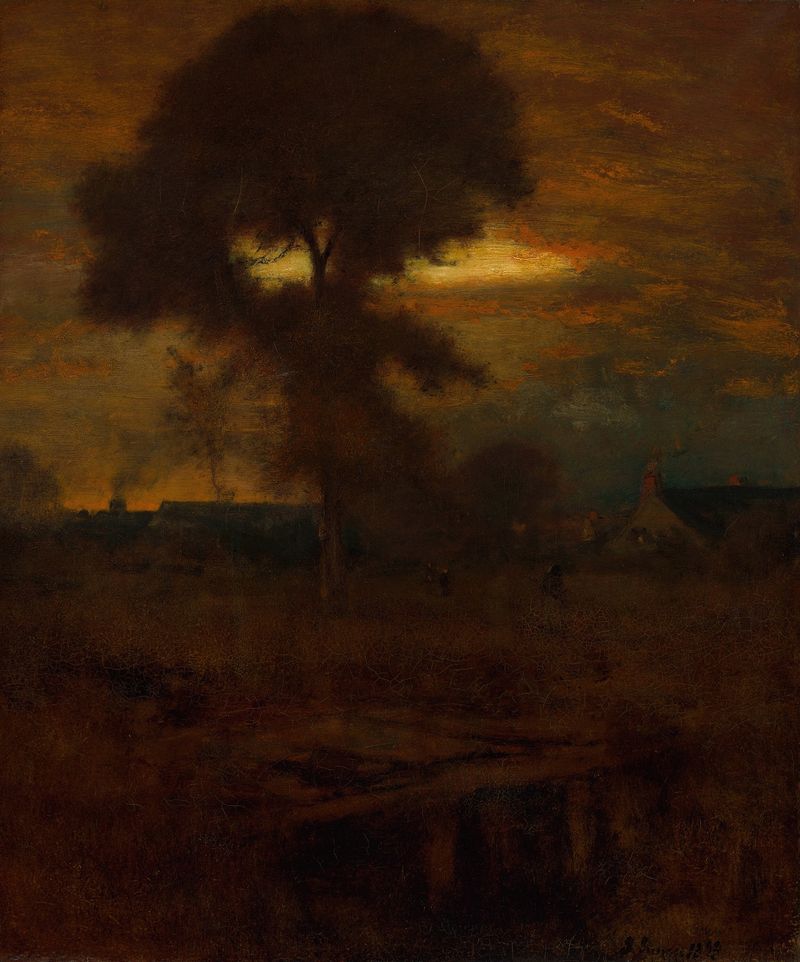
Afterglow
George Inness
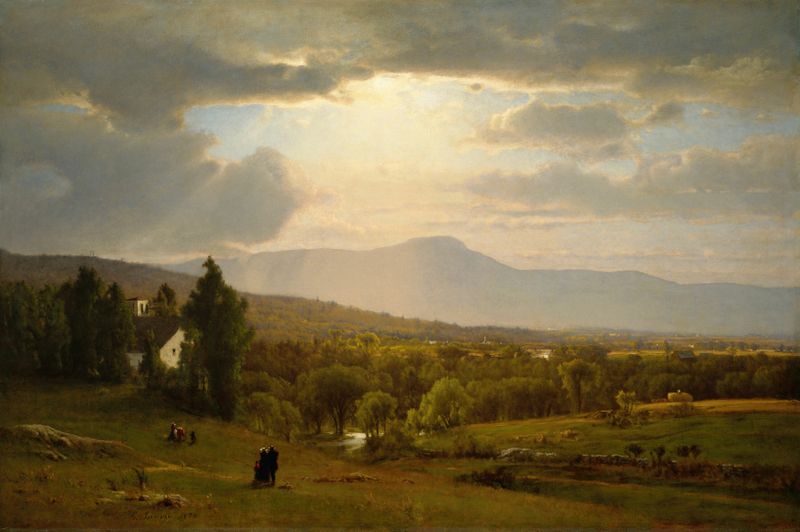
Catskill Mountains
George Inness





