Pallas Athene — History & Facts
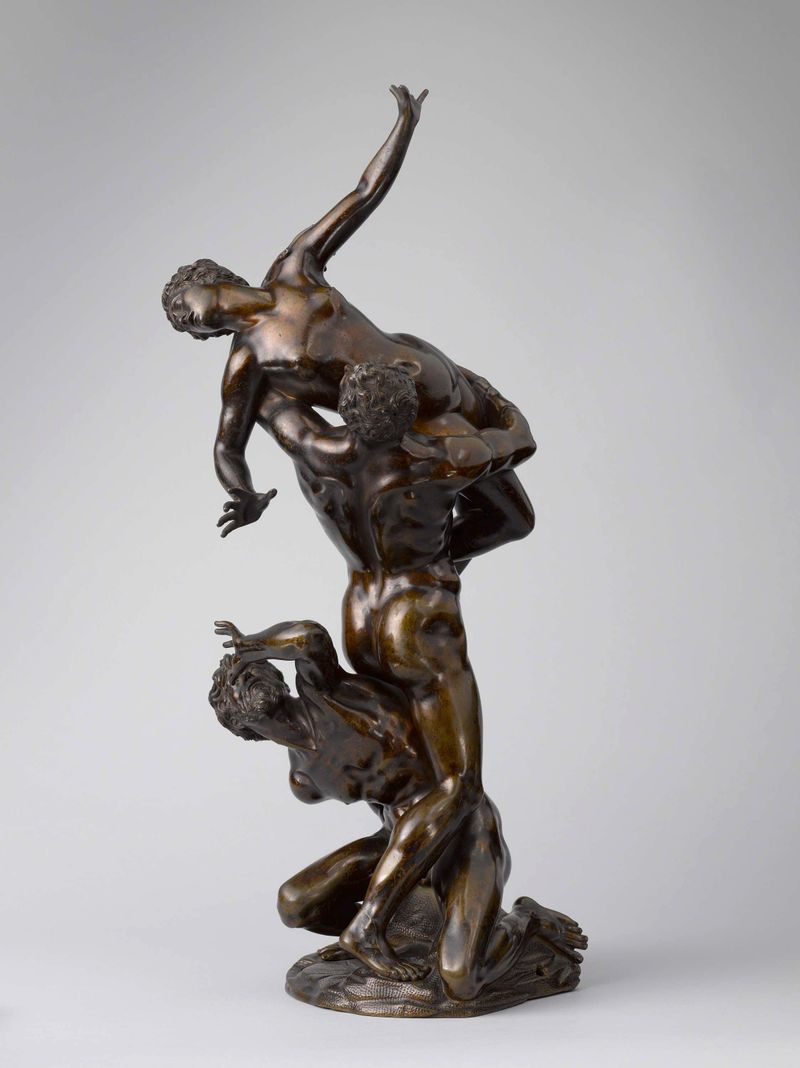
In the realm of destiny, what choices remain when all paths converge? Look closely at the central figure of the painting, where a resolute Athena stands tall, her gaze steady and unwavering. Notice the intricate details of her armor, reflecting the skillful brushwork that van Leyden employs to bring each element to life. The rich palette of earthy tones and golden highlights not only accentuates her strength but also harmonizes beautifully with the delicate flora that surrounds her.
The composition guides your eye through a dance of light and shadow, evoking a sense of ethereal calm amidst the weight of her presence. Yet, beyond the surface lies a tapestry of meaning. The juxtaposition of the serene goddess against the chaotic world of war hints at the duality of wisdom and conflict. Athena, often regarded as the embodiment of reason, carries both the weight of destiny and the burden of choices made in the heat of battle.
The small details, such as the owl perched nearby, symbolize knowledge—reminding viewers that with enlightenment comes the responsibility of action and consequence. Created between 1528 and 1532 during a time of great transition in Northern Europe, the artist crafted Pallas Athene while navigating the burgeoning influences of humanism and a renewed interest in classical themes. Lucas van Leyden, a notable figure of the Northern Renaissance, was particular about his subjects, reflecting the socio-political currents of his time. His work embodies a bridge between the medieval and the modern, encapsulating the essence of destiny and the choices that shape our lives.
More Artworks by Lucas van Leyden
Browse all →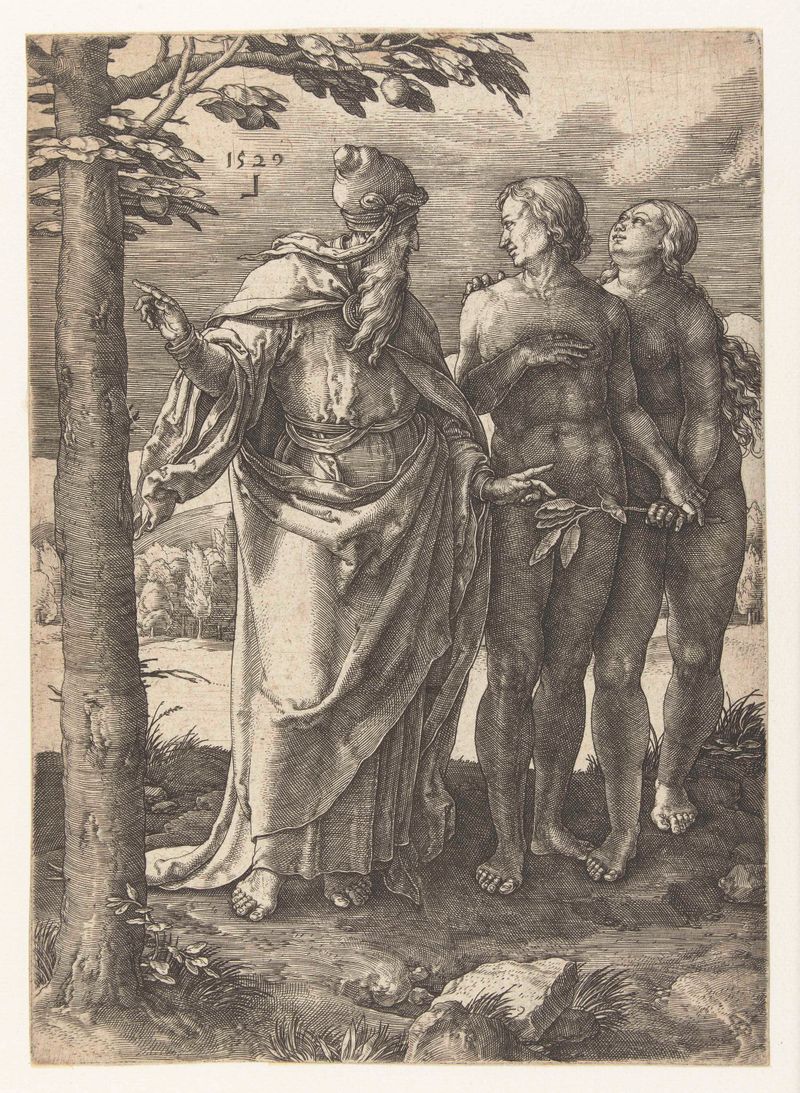
Het eerste verbod
Lucas van Leyden
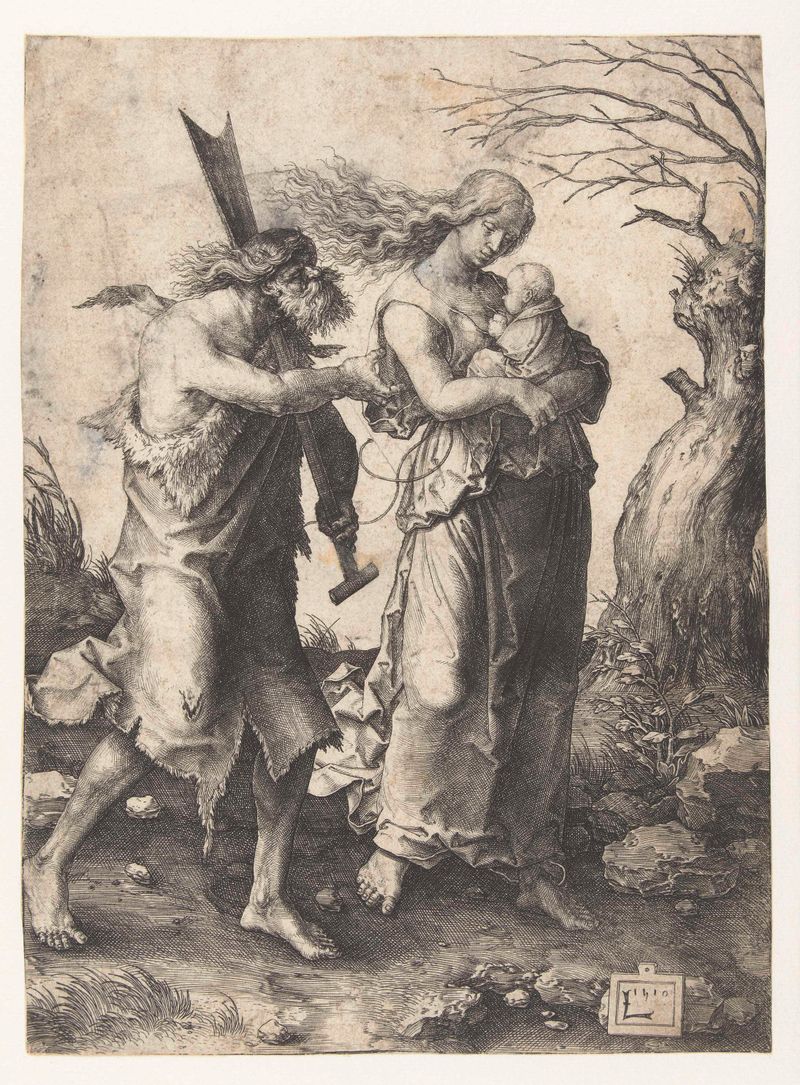
Adam en Eva na de verdrijving uit het paradijs
Lucas van Leyden
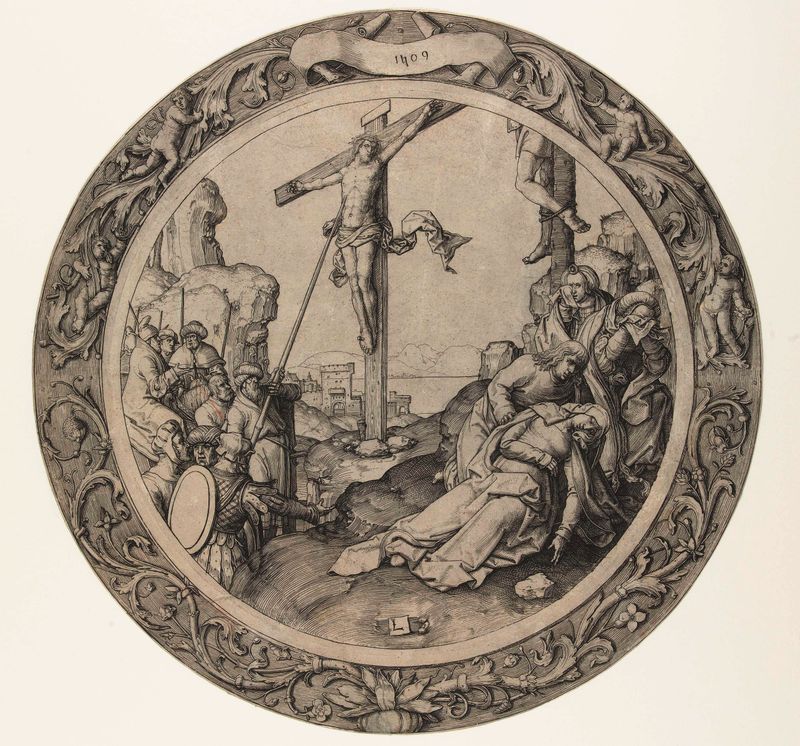
De kruisiging
Lucas van Leyden
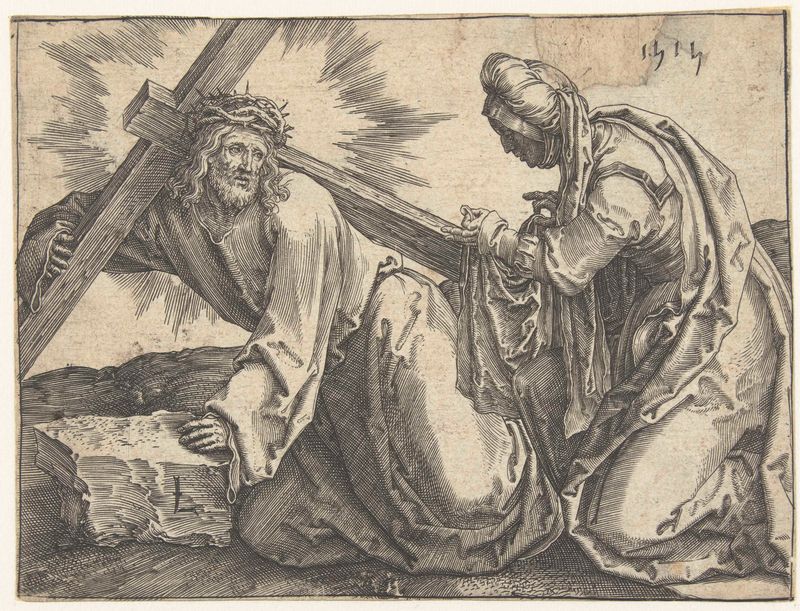
Kruisdraging
Lucas van Leyden
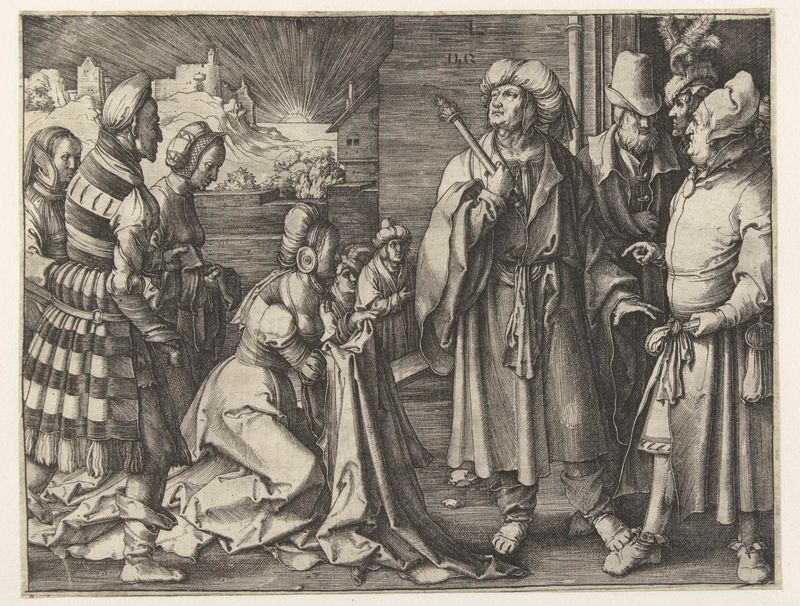
De vrouw van Potifar beschuldigt Jozef
Lucas van Leyden
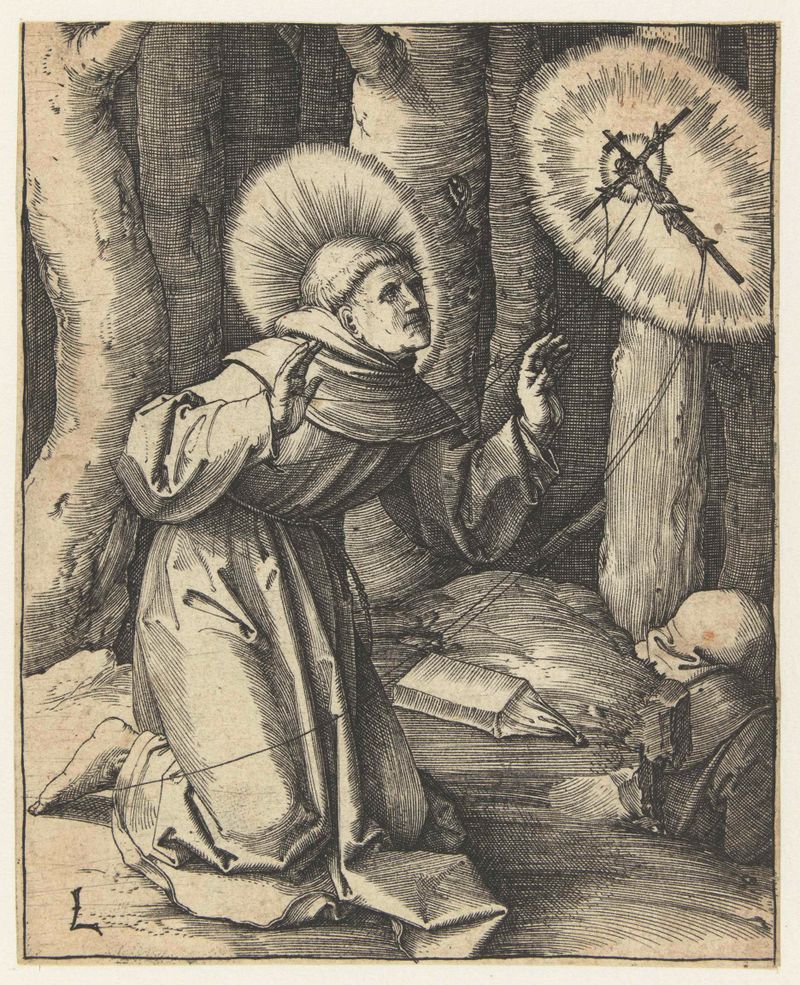
De stigmatisatie van de heilige Franciscus
Lucas van Leyden
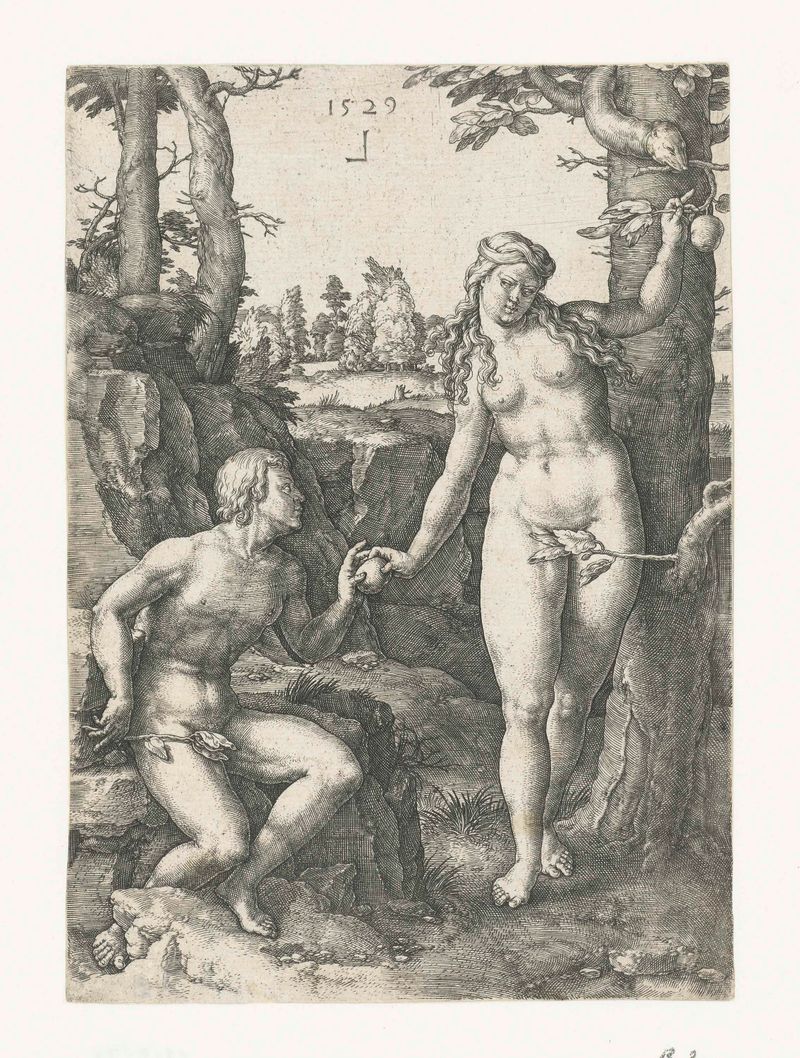
De zondeval
Lucas van Leyden
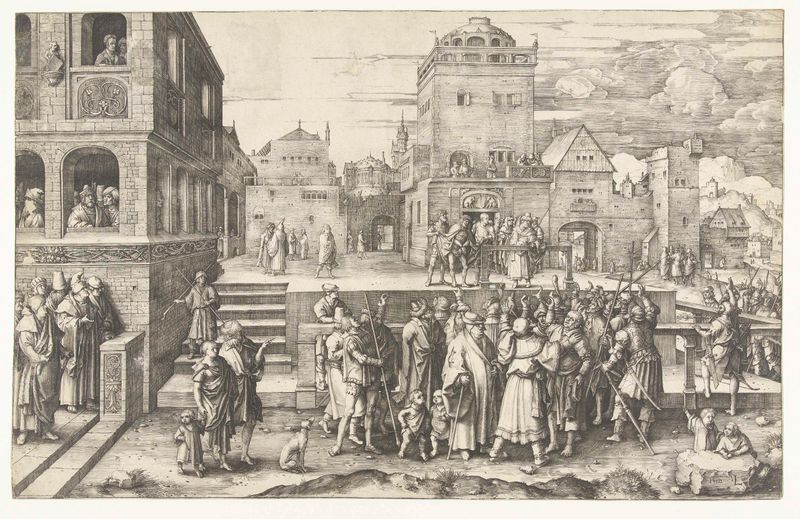
De grote Ecce Homo
Lucas van Leyden
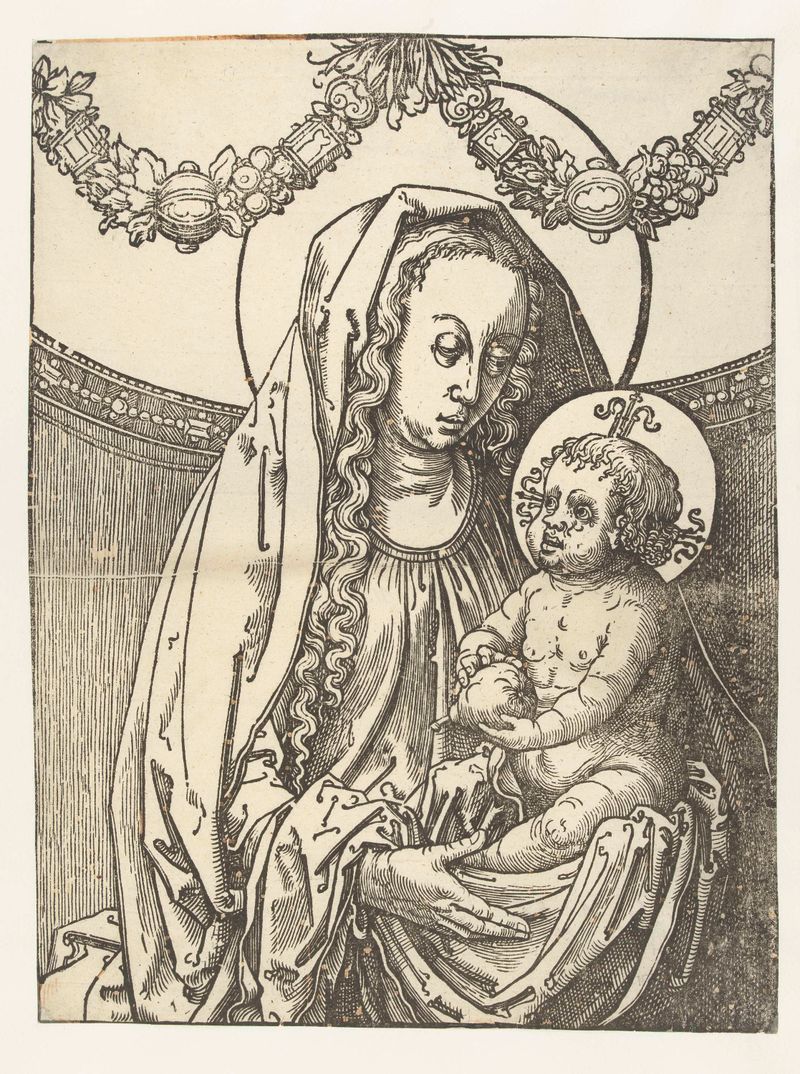
Maria met kind
Lucas van Leyden

Doornenkroning
Lucas van Leyden