Pallas Athene — History & Facts
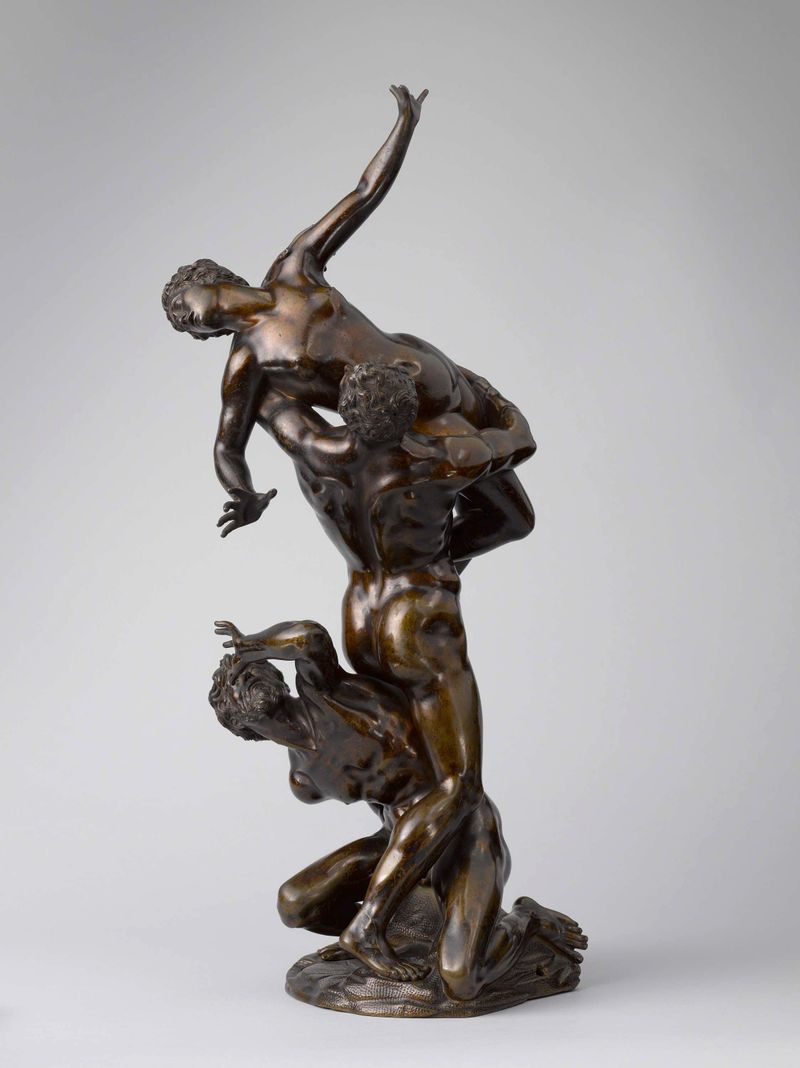
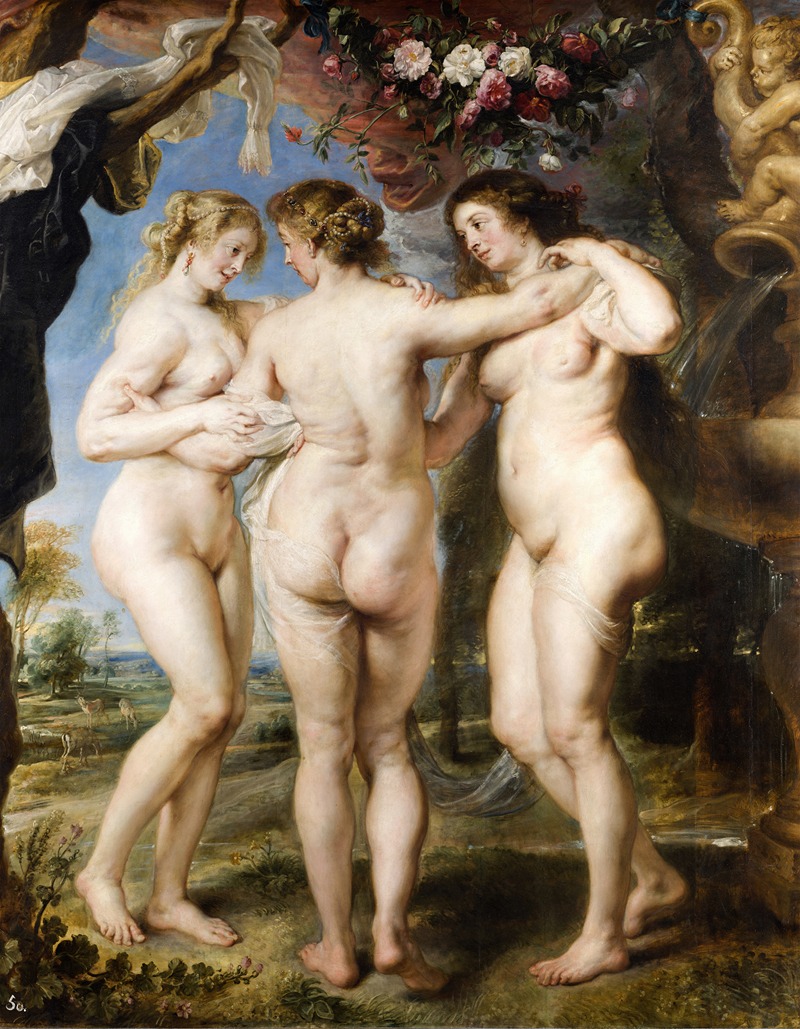
In a world teetering on the brink of transformation, the legacy of artistry speaks a language that transcends time and circumstance. Look closely at the figure at the center, where the illuminated goddess Pallas Athene stands, draped in rich, flowing fabrics that catch the light’s tender embrace. Her piercing gaze draws you in, while the intricate details of her armor reflect the meticulous craftsmanship of the artist. Notice the subtle interplay of colors; the warm golds and deep blues form a striking contrast, symbolizing both wisdom and valor.
Each brushstroke seems deliberate, guiding your eyes to the delicate textures and ornate embellishments that speak of both power and serenity. Beneath the surface of the composition lies a tapestry of meanings. Athene, the personification of wisdom, serves not just as a protector but also as a reminder of the enduring strength of intellect over brute force. The juxtaposition of her classical attributes against the backdrop of an evolving Europe reflects the tension between tradition and progress.
Moreover, her poised demeanor encapsulates the ideal of a legacy shaped by knowledge and virtue, urging viewers to consider their own contributions to the tapestry of history. Lucas van Leyden created this significant work between 1528 and 1532, during a period marked by the flourishing of Renaissance art and the growing influence of humanist thought. At this time, he was establishing himself as a master printmaker and painter in the Netherlands, navigating the shifting artistic landscape that celebrated both religious themes and classical antiquity. This piece stands as a testament to his ability to blend these influences, capturing not just the essence of a mythological figure, but a deeper narrative about the power of legacy in the human experience.
More Artworks by Lucas van Leyden
Browse all →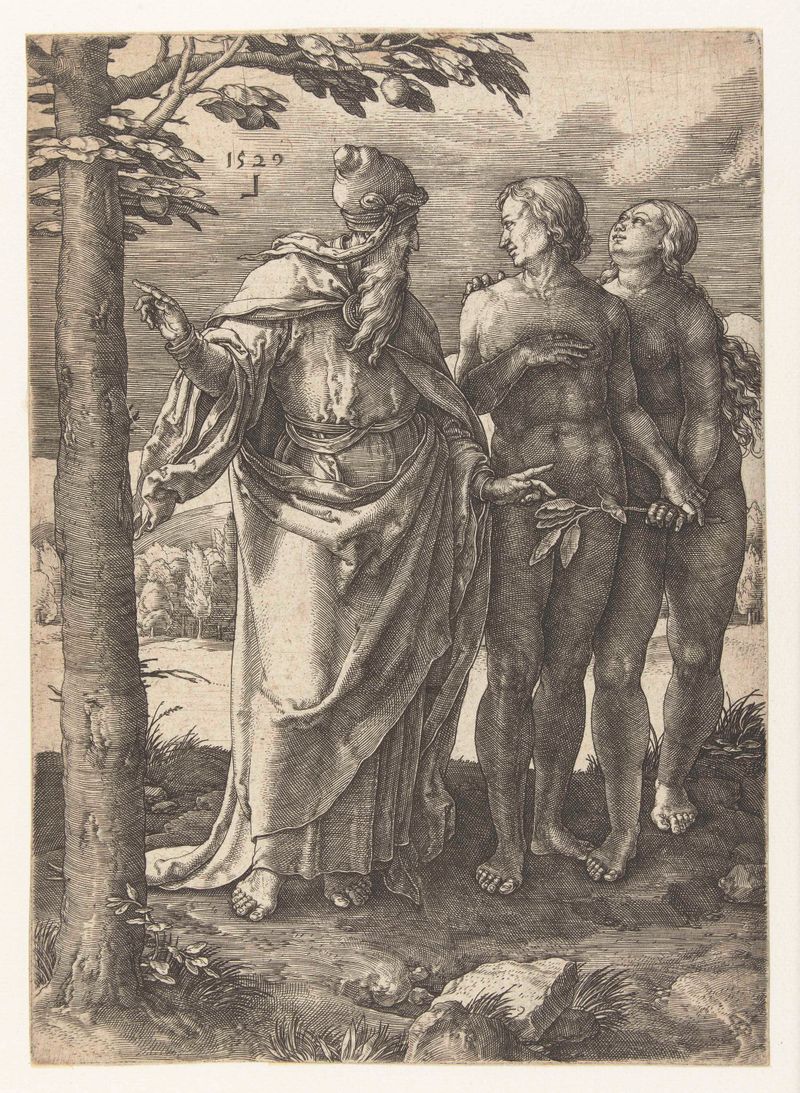
Het eerste verbod
Lucas van Leyden
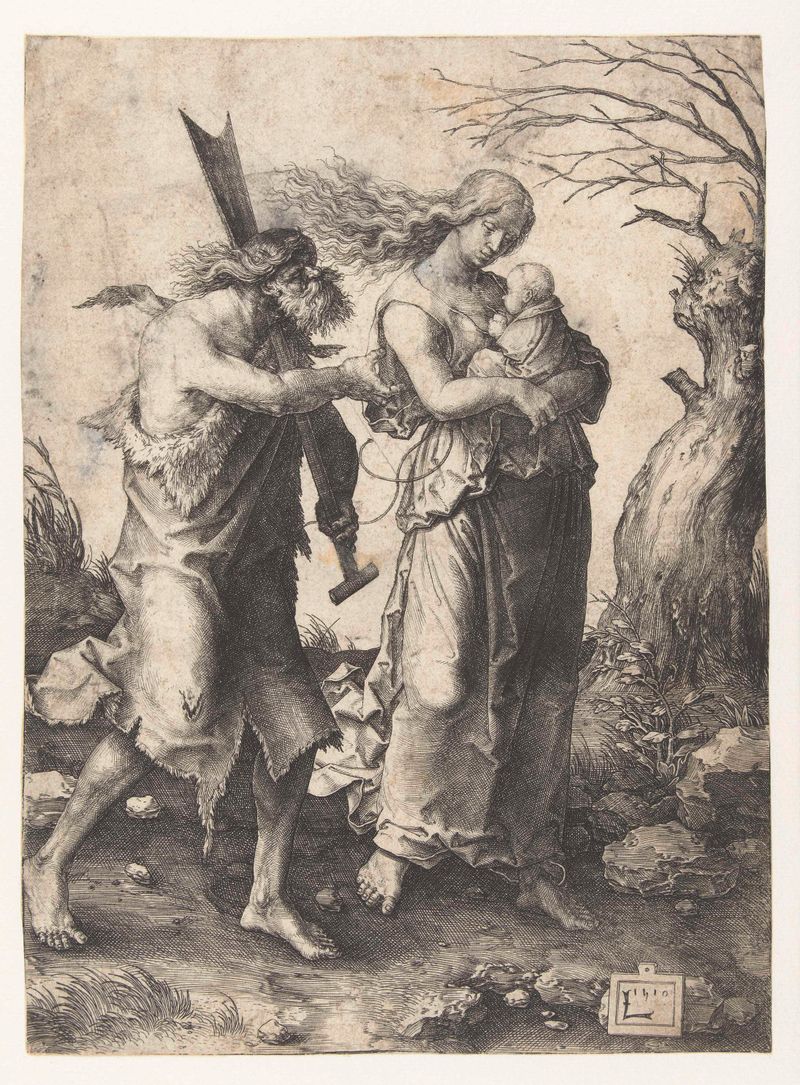
Adam en Eva na de verdrijving uit het paradijs
Lucas van Leyden
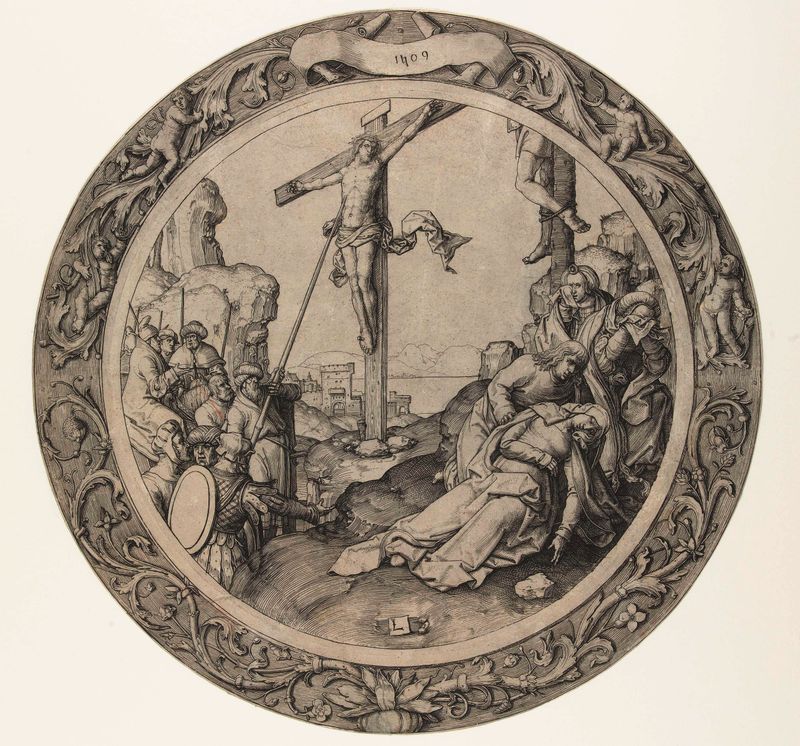
De kruisiging
Lucas van Leyden
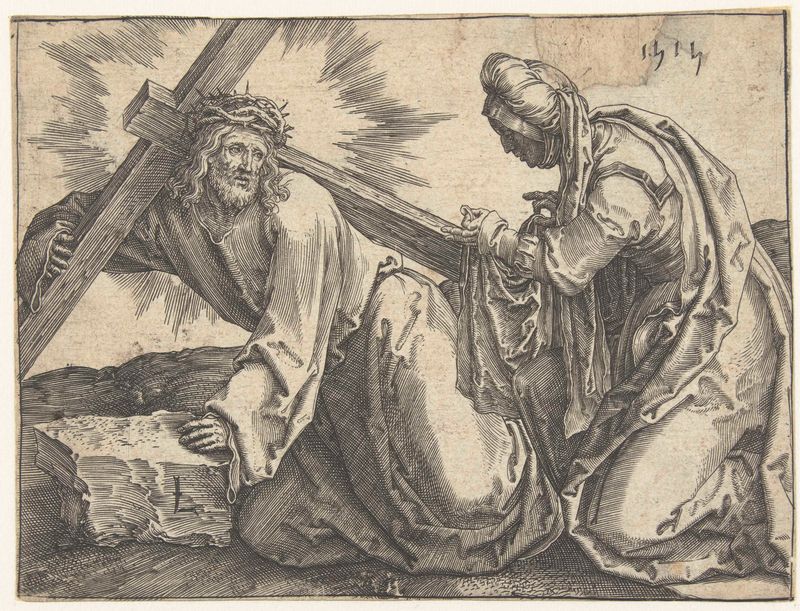
Kruisdraging
Lucas van Leyden
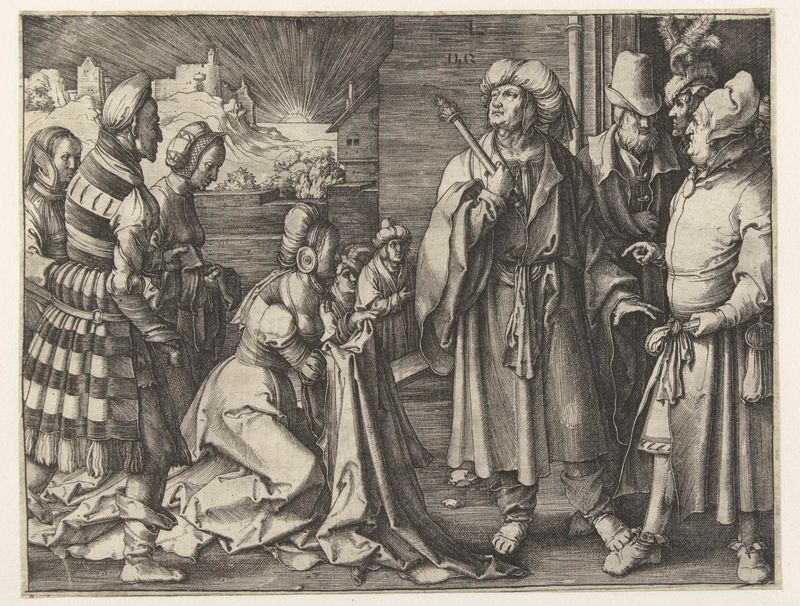
De vrouw van Potifar beschuldigt Jozef
Lucas van Leyden
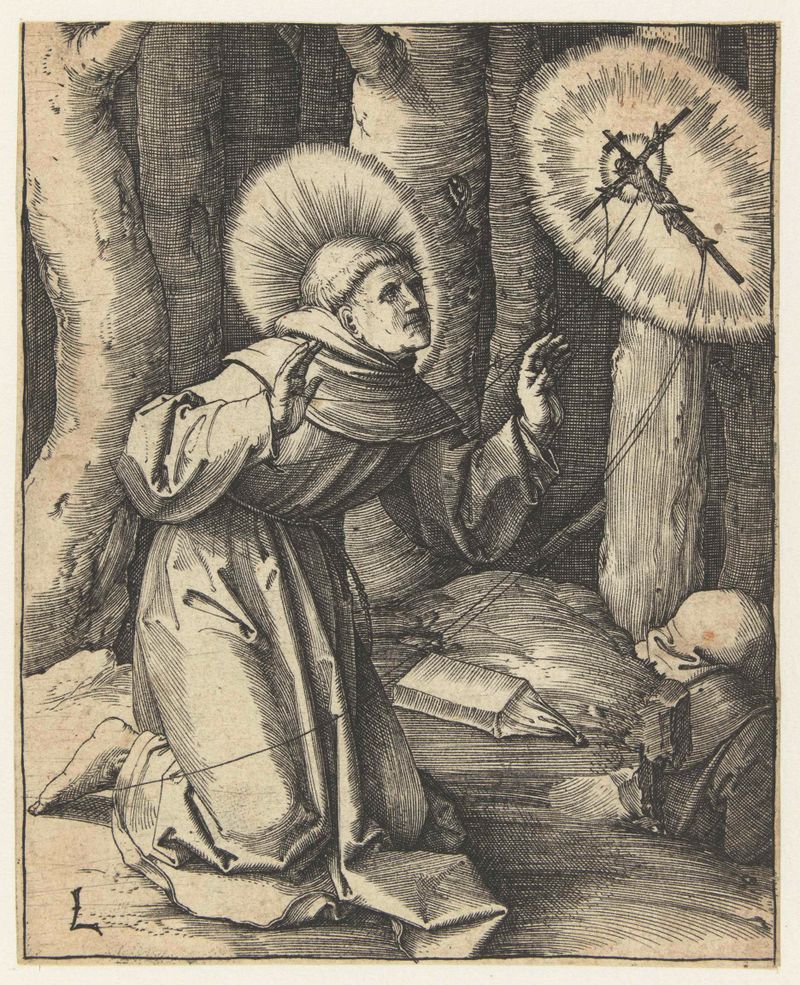
De stigmatisatie van de heilige Franciscus
Lucas van Leyden
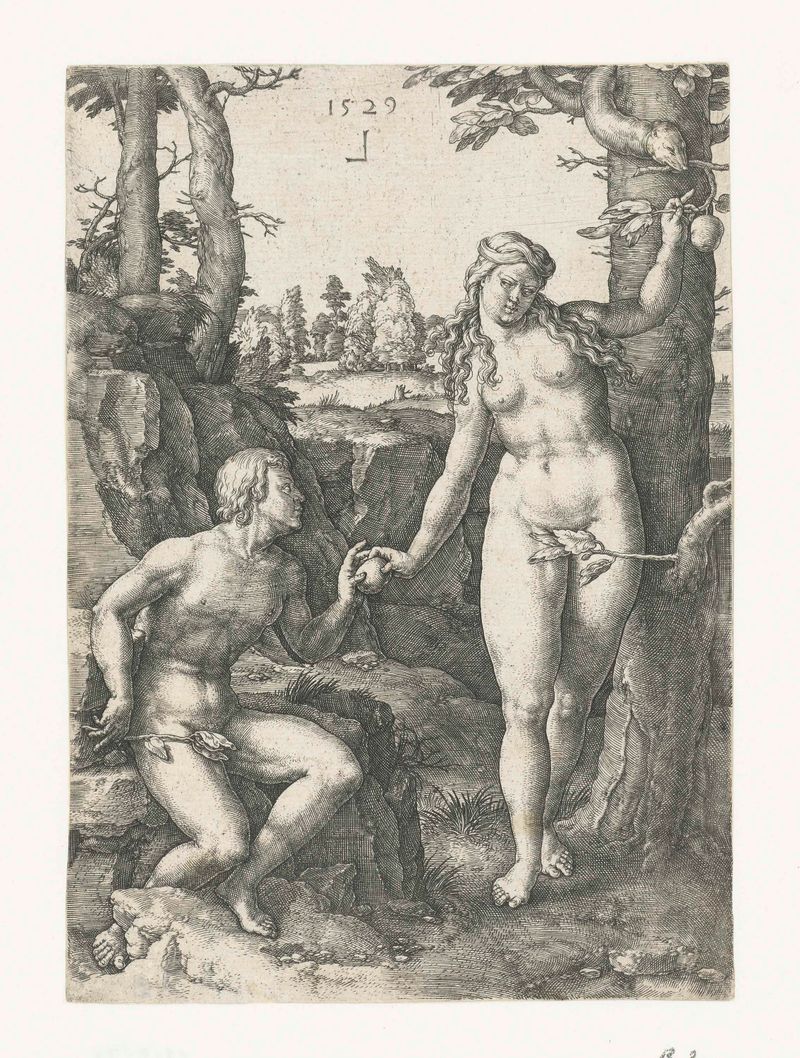
De zondeval
Lucas van Leyden
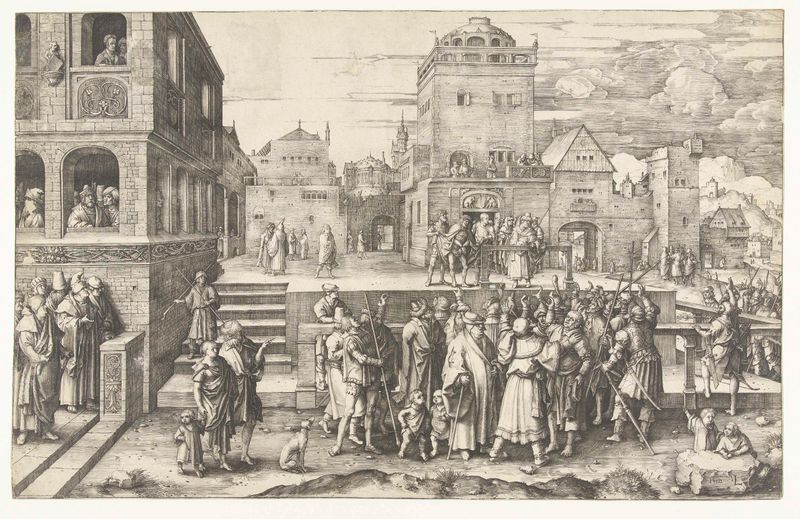
De grote Ecce Homo
Lucas van Leyden
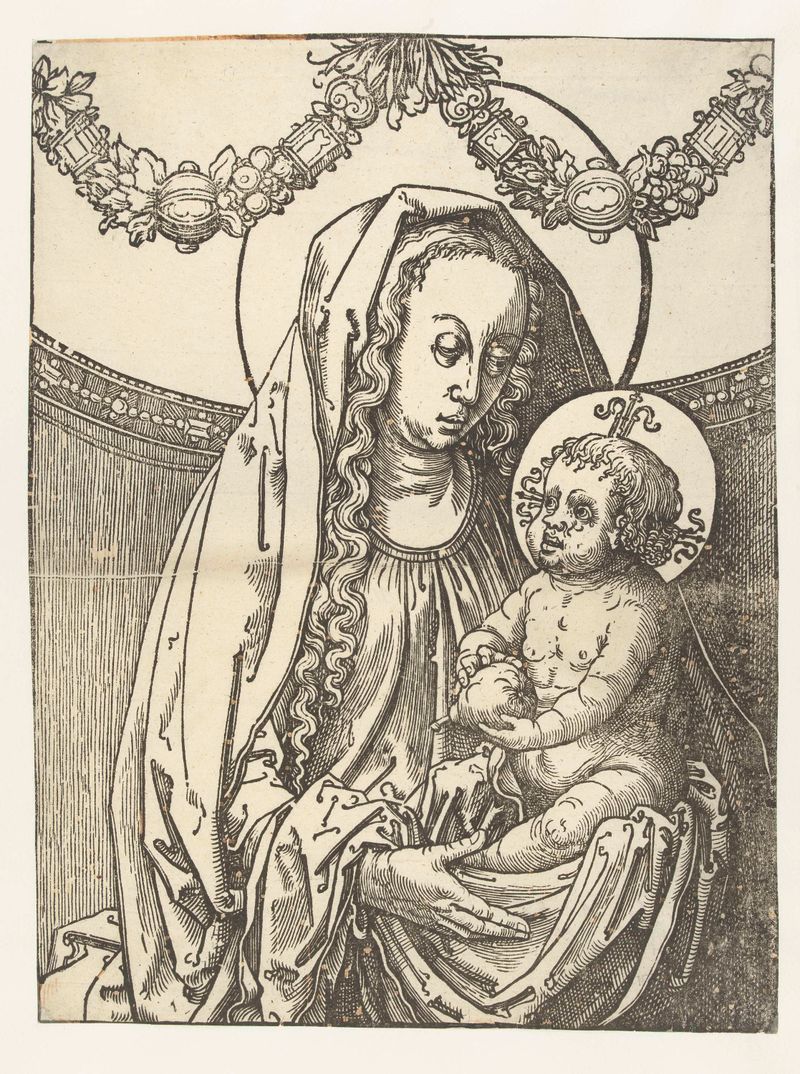
Maria met kind
Lucas van Leyden

Doornenkroning
Lucas van Leyden