
Paolo and Francesca — History & Facts
Two bodies twist together in a darkness so deep it seems to swallow the world around them, their pale limbs emerging like a vision half-remembered. The figures—locked in a moment of agony or passion—are painted with raw, almost sculptural force, their wounds rendered in stark red that draws the eye again and again. One collapses backward, the other braces as if shielding or recoiling, and the drapery clings to their forms like a shroud.
Every gesture here is urgent: the outflung arm, the contorted torso, the way shadow devours detail and leaves only the essentials of flesh, pain, and closeness. Böcklin’s palette is muted, the background nearly void, so that all the drama is concentrated in the bodies themselves—a scene that feels both mythic and immediate. Painted in 1893, Paolo and Francesca belongs to a world where artists like Arnold Böcklin mined literature and legend for images that could speak to the anxieties and fascinations of their own era. The tragic lovers Paolo and Francesca, drawn from Dante’s Inferno, were a favorite subject for 19th-century artists, symbolizing forbidden love and the price of passion.
While history has kept few traces of this particular work’s journey, its presence in the collection of the Schweizerisches Institut für Kunstwissenschaft places it within the broader context of Symbolism—a movement that sought to evoke emotion and meaning through suggestion and mood rather than direct narrative. Böcklin’s vision, stripped of ornament and set against a void, invites the viewer to linger in the moment of crisis, searching for meaning in the interplay of light, flesh, and shadow.
More Artworks by Arnold Böcklin

Die Toteninsel III
Arnold Böcklin
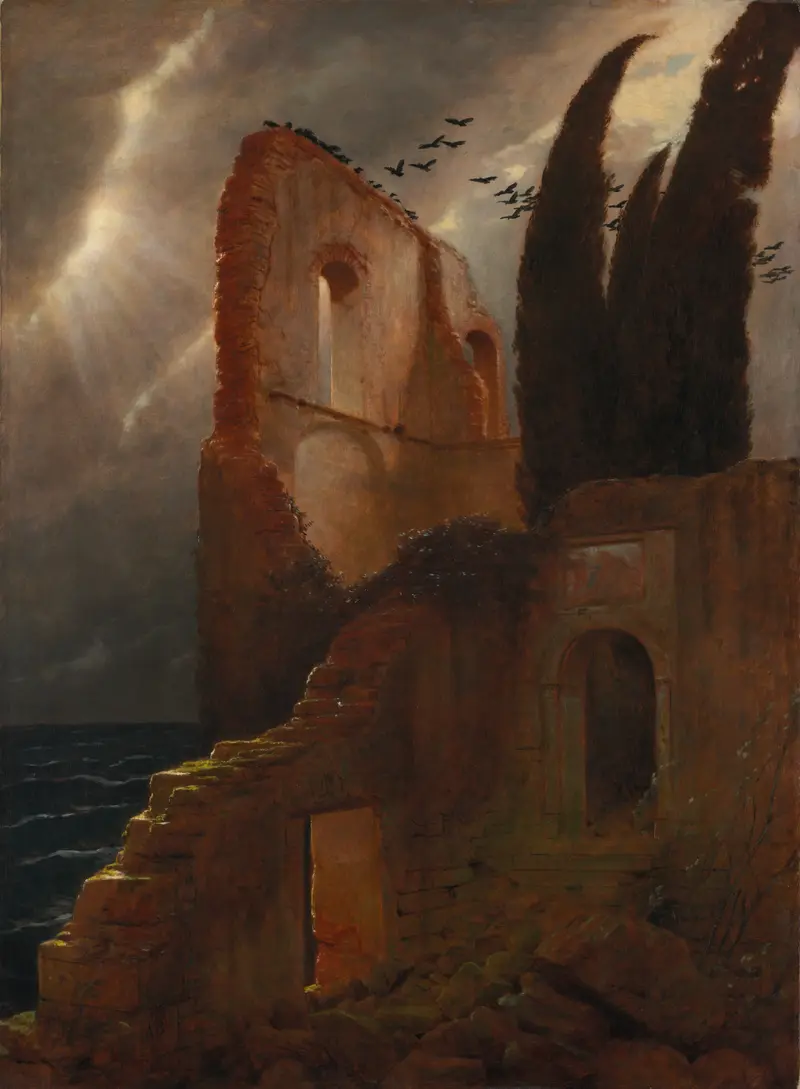
Ruin by the Sea
Arnold Böcklin
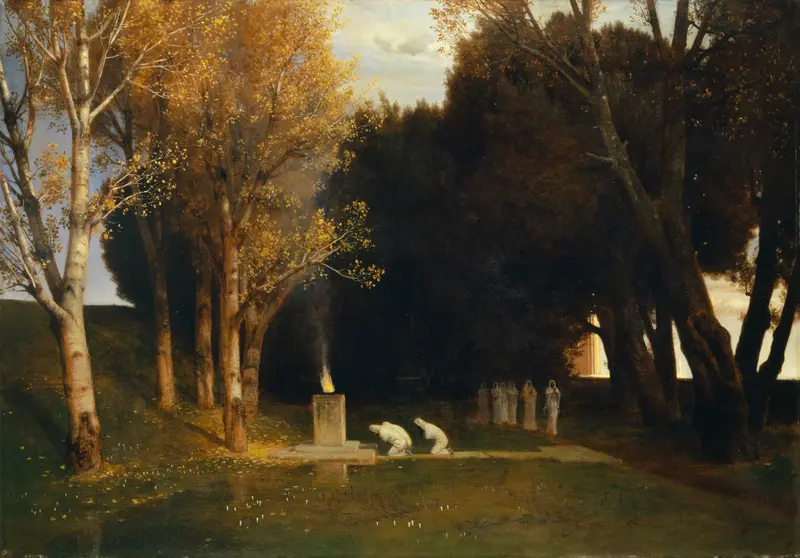
The Sacred Grove
Arnold Böcklin
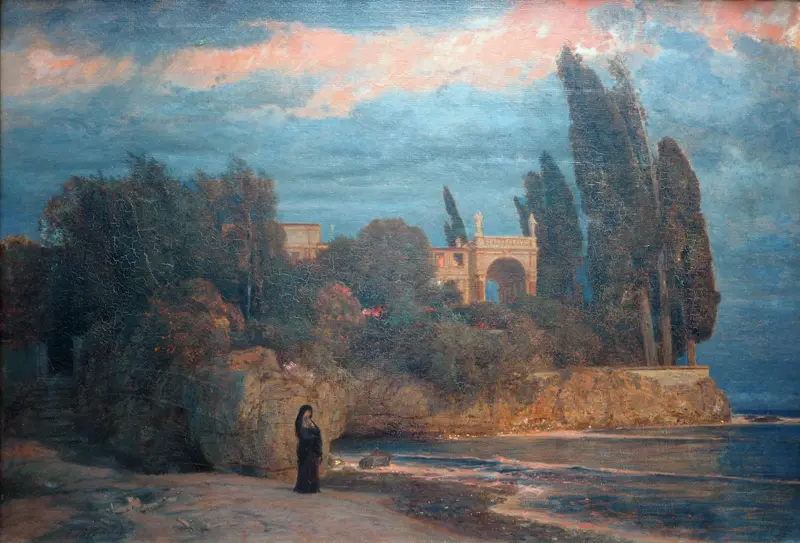
Villa by the Sea
Arnold Böcklin
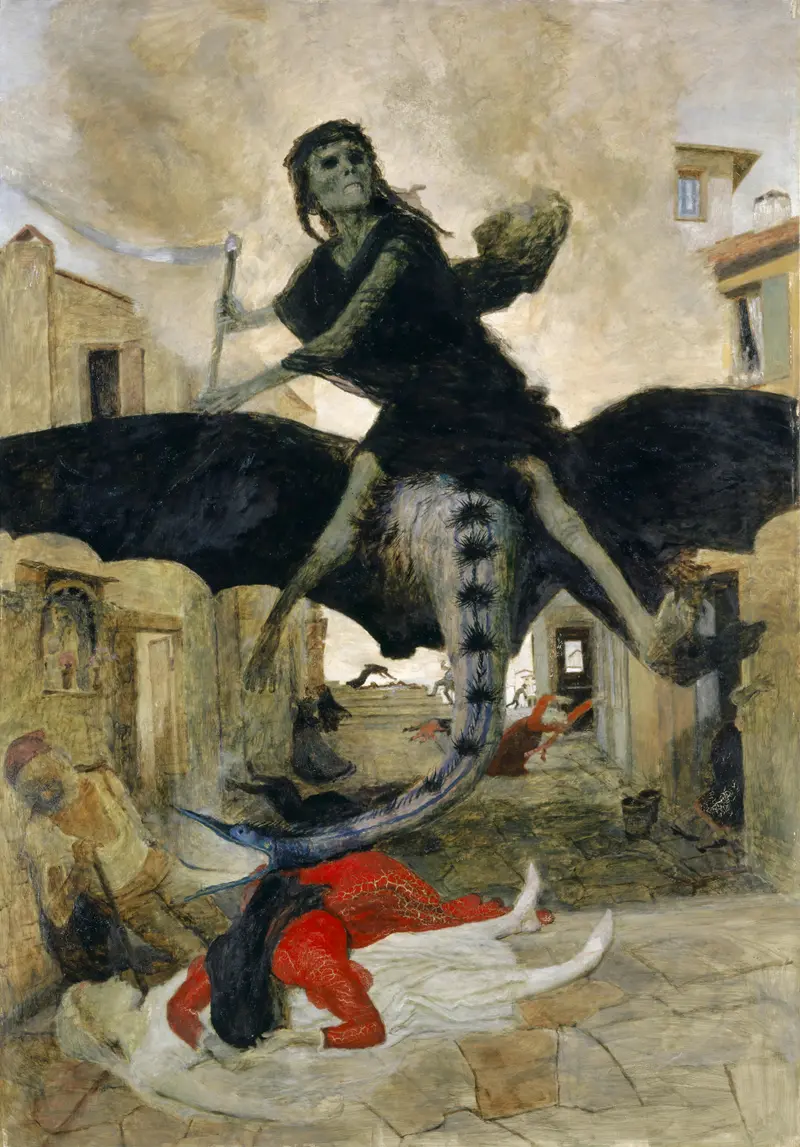
The Plague
Arnold Böcklin
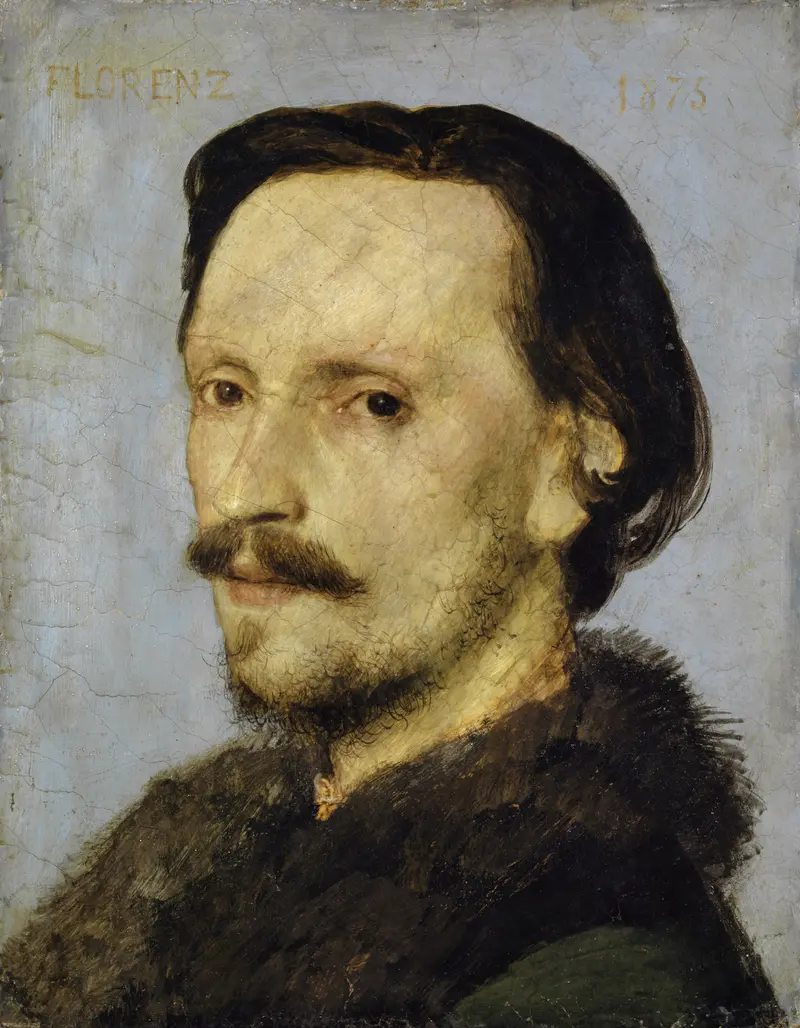
Böcklin Bildnis des Kunsthistorikers Adolph Bayersdorfer, 1875
Arnold Böcklin
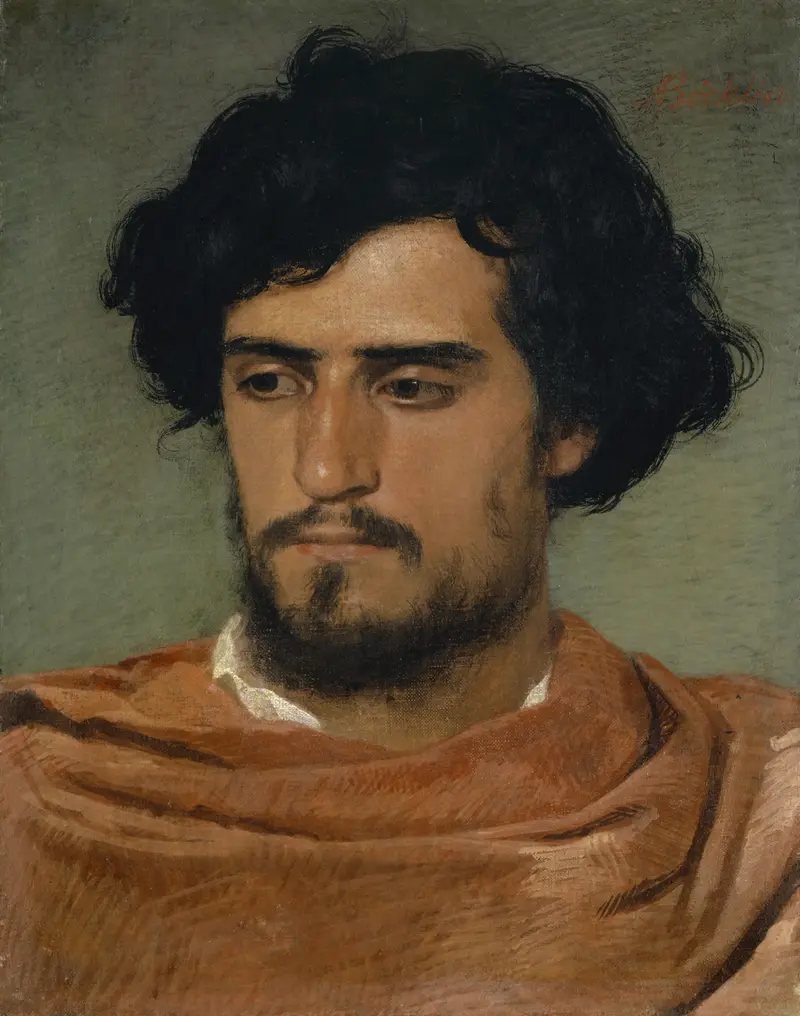
Head of a Roman
Arnold Böcklin
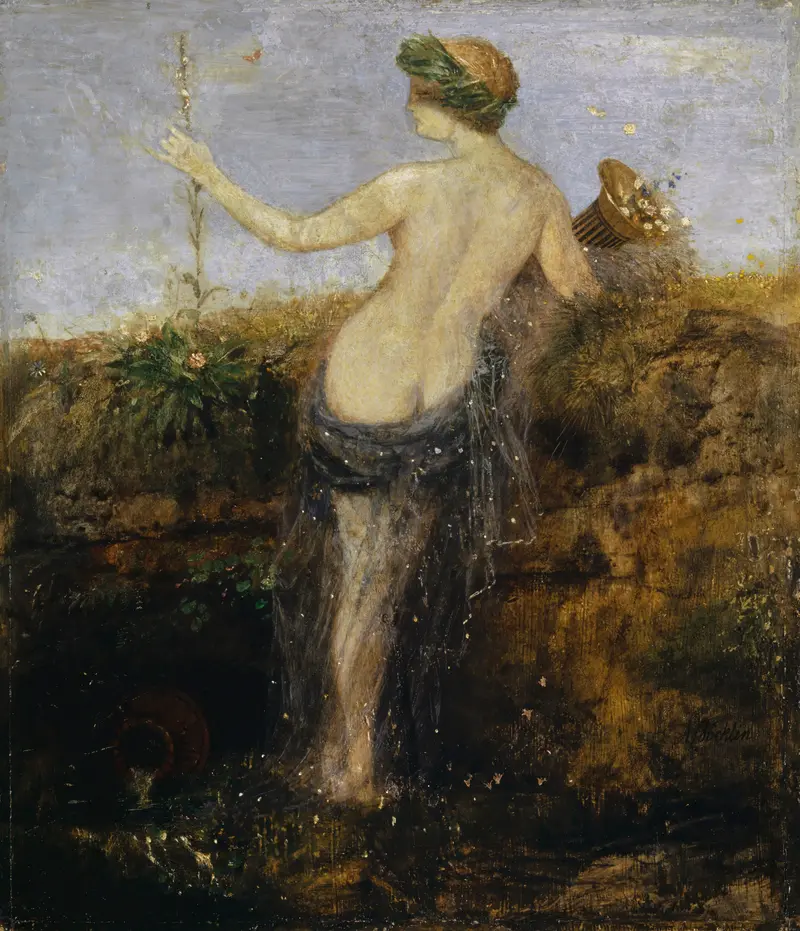
Nymphe with Horn of Plenty
Arnold Böcklin
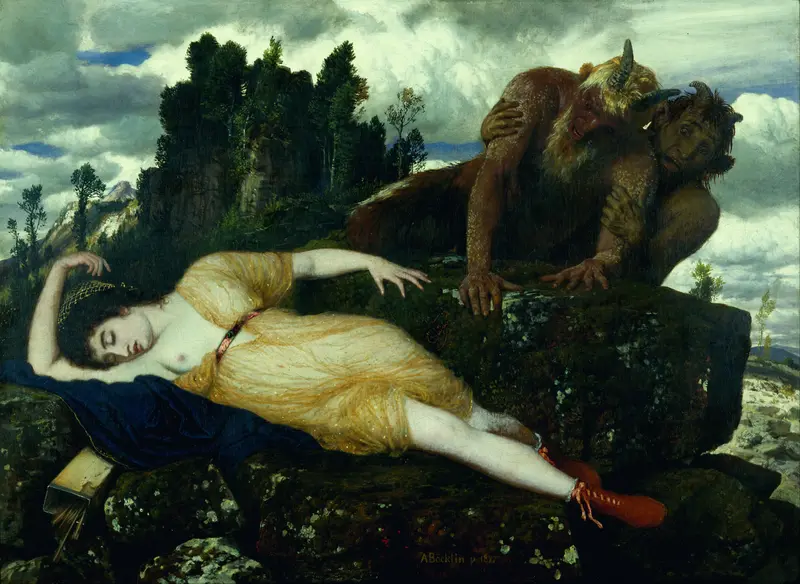
Sleeping Diana Watched by Two Fauns
Arnold Böcklin
Spring (Songs of Spring)
Arnold Böcklin





