
Parable Of The Wheat And The Tares — History & Facts
When Abraham Bloemaert painted Parable Of The Wheat And The Tares, he joined a select group of Northern European artists drawn to this enigmatic biblical parable. The story’s popularity soared in the late 16th and early 17th centuries, when religious divisions ran deep across Europe. Bloemaert’s interpretation stands out for its careful balance of allegory and realism, and for the way it invites viewers to reflect on the boundary between good and evil—an ever-relevant theme in his own turbulent era. The scene unfolds in a sunlit field, where sturdy stalks of wheat rise alongside the deceptive tares—plants that look nearly identical until harvest.
At the heart of the painting, laborers bend to their work, their gestures caught between diligence and uncertainty, echoing Christ’s warning not to uproot the tares lest the wheat be harmed. In the background, the sower’s figure is a subtle nod to the parable’s origin in the Gospel of Matthew. Bloemaert’s use of warm, golden light highlights the wheat, while the darker tones in the tares suggest hidden danger.
Unlike Pieter Bruegel the Elder’s more chaotic and moralizing approach to biblical parables, Bloemaert’s version is contemplative, inviting the viewer to ponder rather than judge. The precise origins of this painting remain uncertain; neither its commissioner nor its earliest home is clearly documented. As with many works by Bloemaert, it reflects the artist’s lifelong engagement with religious themes and his role as a leading figure in the Utrecht school. Over the centuries, the painting has been admired for its technical skill and subtle storytelling, though it has not achieved the fame of some of Bloemaert’s altarpieces.
Today, it stands as a testament to the enduring power of biblical narrative in Dutch art, its journey from studio to gallery a quiet one, yet its message as resonant as ever.
More Artworks by Abraham Bloemaert

Adam and Eve
Abraham Bloemaert
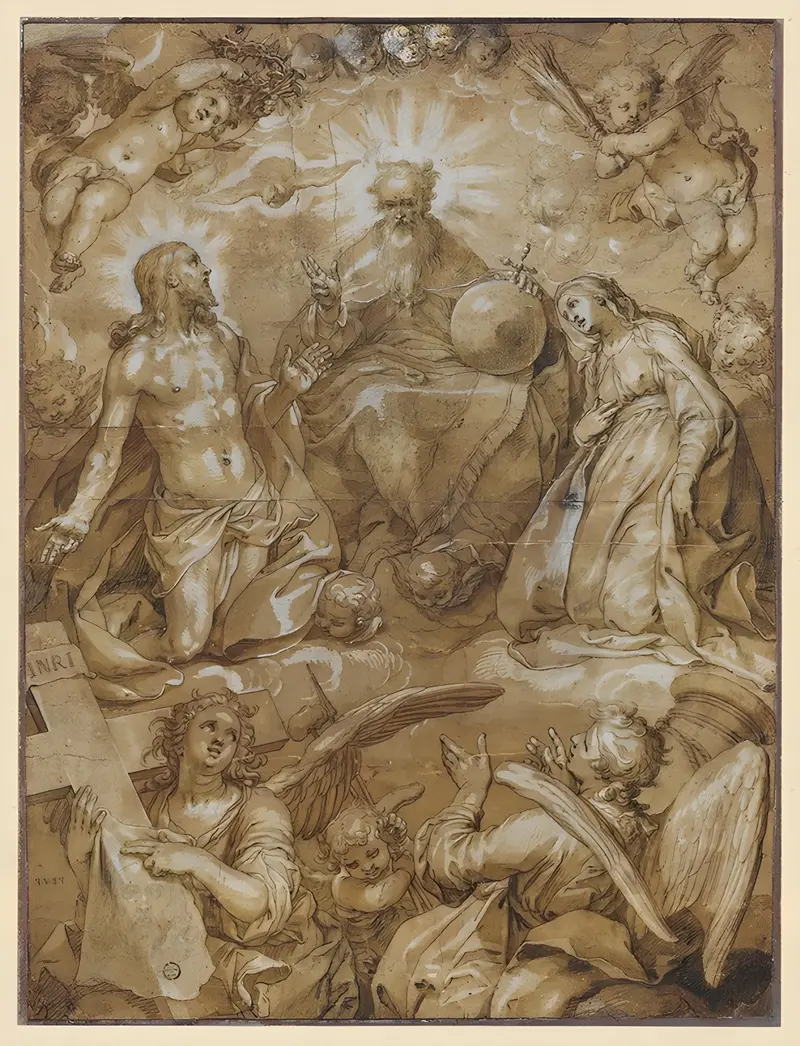
Intercession of Christ and Mary before God the Father
Abraham Bloemaert
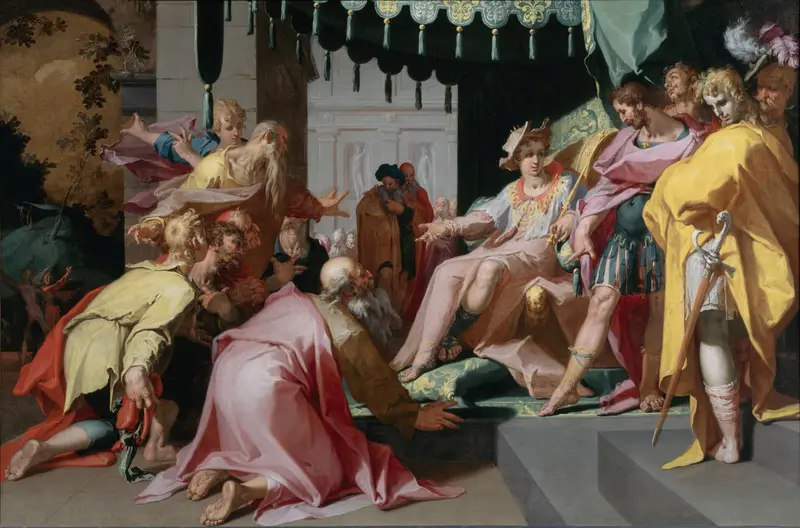
Joseph and his Brothers
Abraham Bloemaert
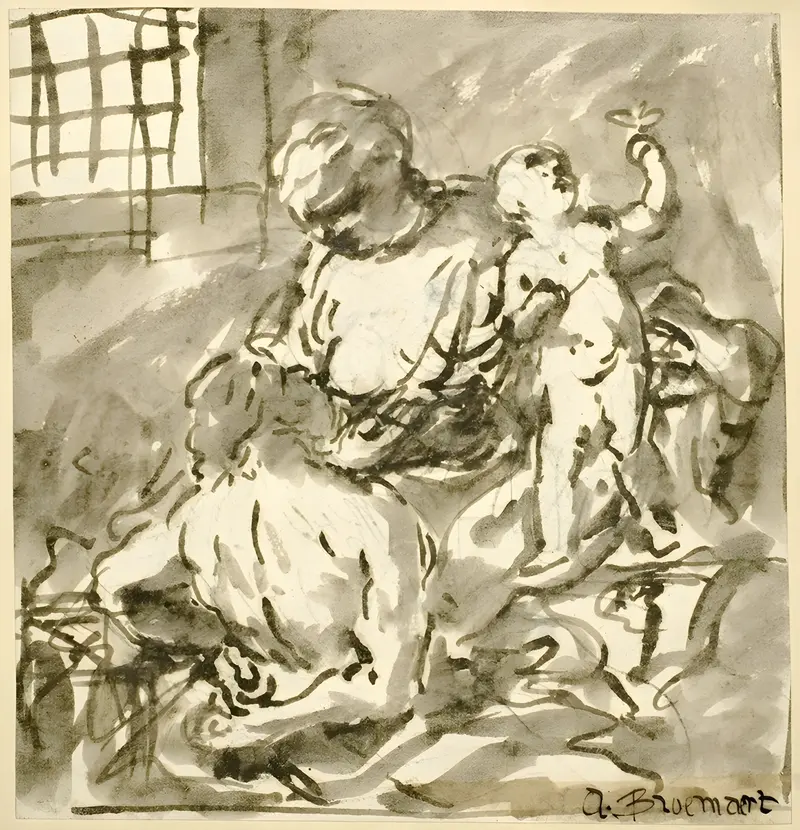
Caritas Romana
Abraham Bloemaert
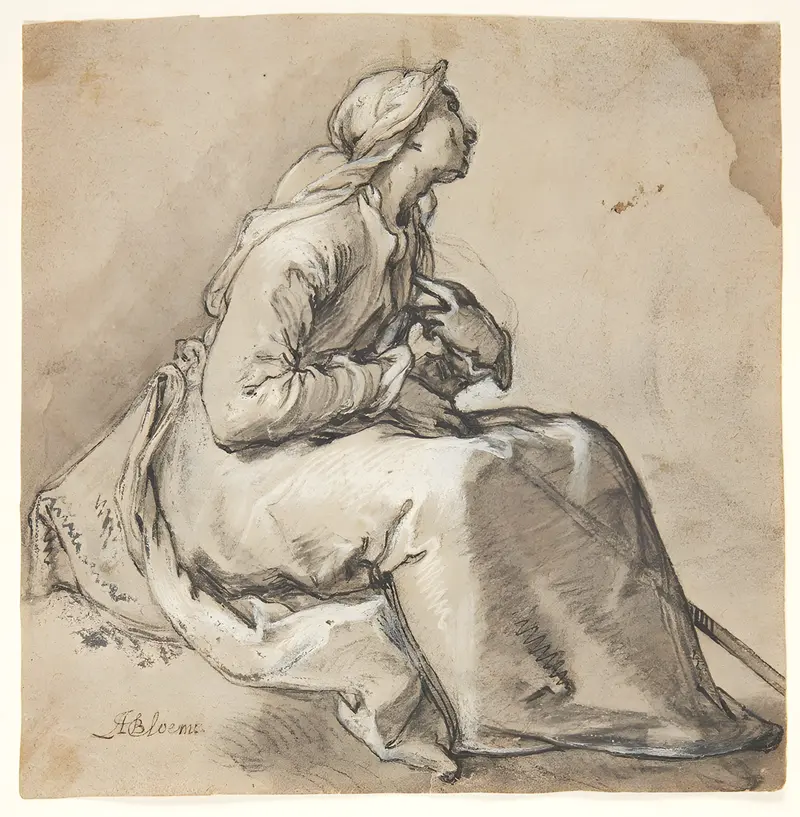
A seated woman facing right
Abraham Bloemaert
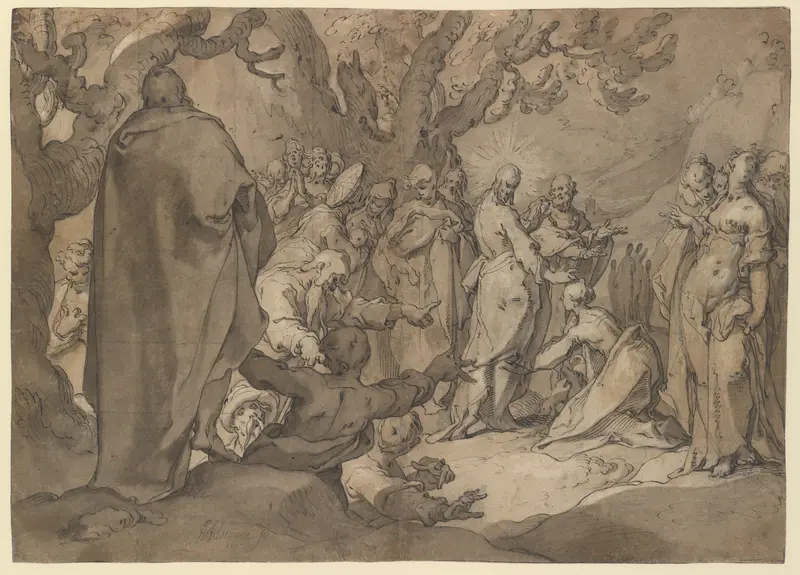
Christ and the Canaanite Women
Abraham Bloemaert
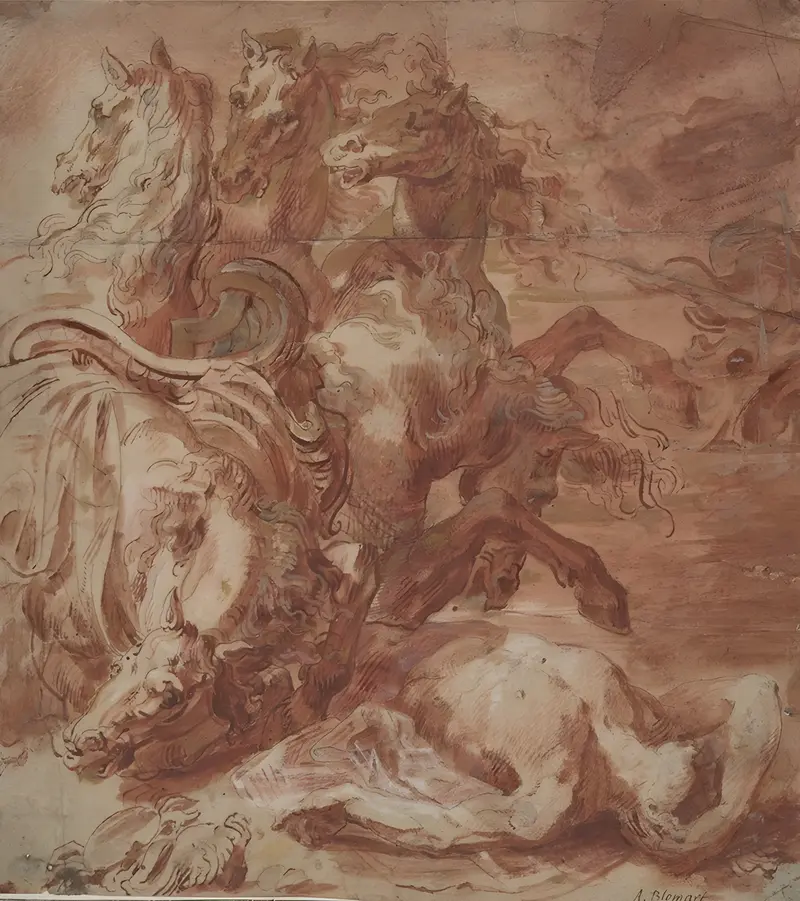
Hippolytus
Abraham Bloemaert
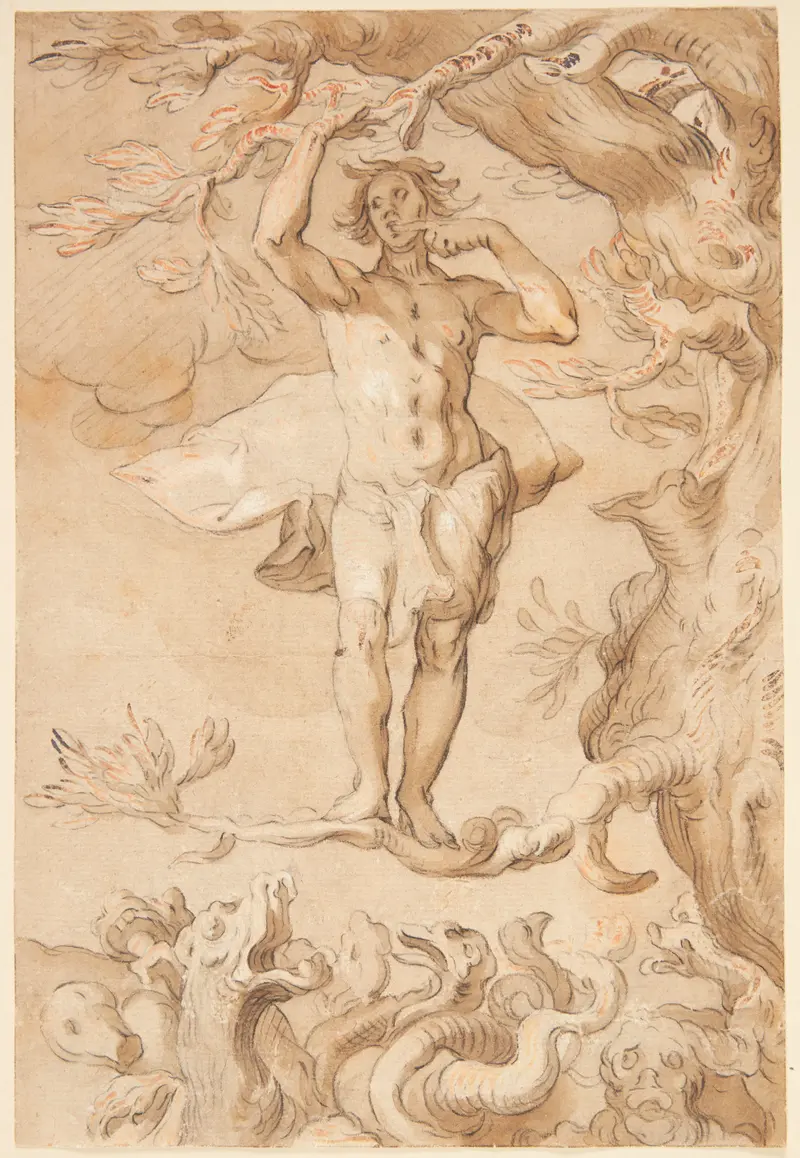
Den menneskelige glædes skrøbelighed En mand, der jages af en drage, klynger sig til en gren, mens han slikker honning af sin finger
Abraham Bloemaert

Moses Striking the Rock
Abraham Bloemaert
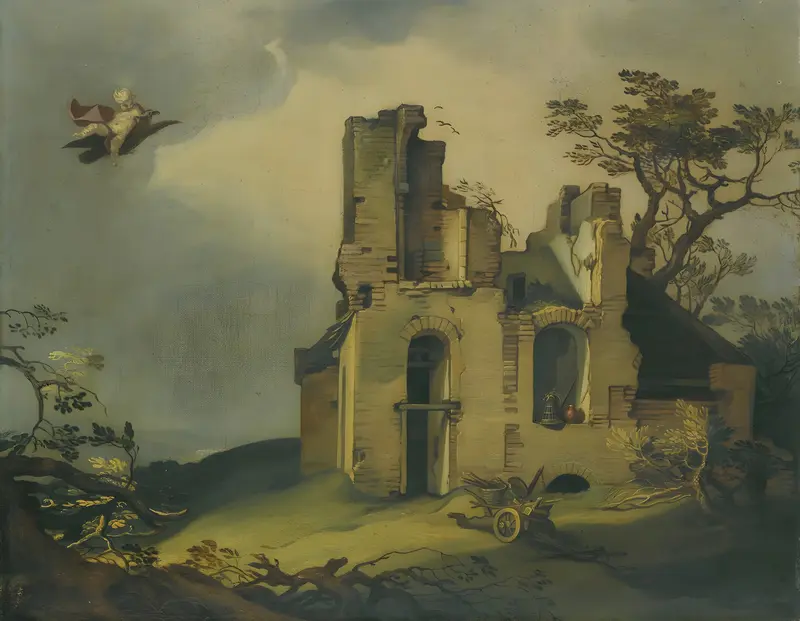
A Landscape With Ruins, With The Rape Of Ganymede
Abraham Bloemaert





