
park scene — History & Facts
A swirl of color and movement draws the viewer instantly into the heart of park scene by Adolphe Joseph Thomas Monticelli. The figures seem to emerge from the canvas itself, their forms only half-defined, as if caught in the act of becoming. Light pools around the central group, guiding the eye to a cluster of elegantly dressed women and children, their gestures animated and intimate.
Monticelli’s brushwork is thick and impulsive, almost sculptural, lending the scene a sense of immediacy and warmth. The dappled palette and blurred contours suggest not a literal park, but the memory of one—a place where laughter and conversation dissolve into the golden haze of a summer afternoon. Monticelli, working in nineteenth-century France, was known for his highly textured surfaces and vibrant colors, qualities that would later influence the early Impressionists. Paintings like this were often created for a rising bourgeois clientele eager to decorate their salons with scenes of leisure and sociability.
Yet, unlike the crisp clarity of academic painting, Monticelli’s approach is all about sensation and atmosphere, echoing the new freedoms of modern life. The date and medium of this particular work remain unknown, and history has kept few traces of its journey, but its presence in a private collection today is a testament to the enduring allure of Monticelli’s vision. Stand before it a moment longer, and you may find yourself drawn into its luminous, shifting world.
More Artworks by Adolphe Monticelli

Portrait of a Lady
Adolphe Monticelli
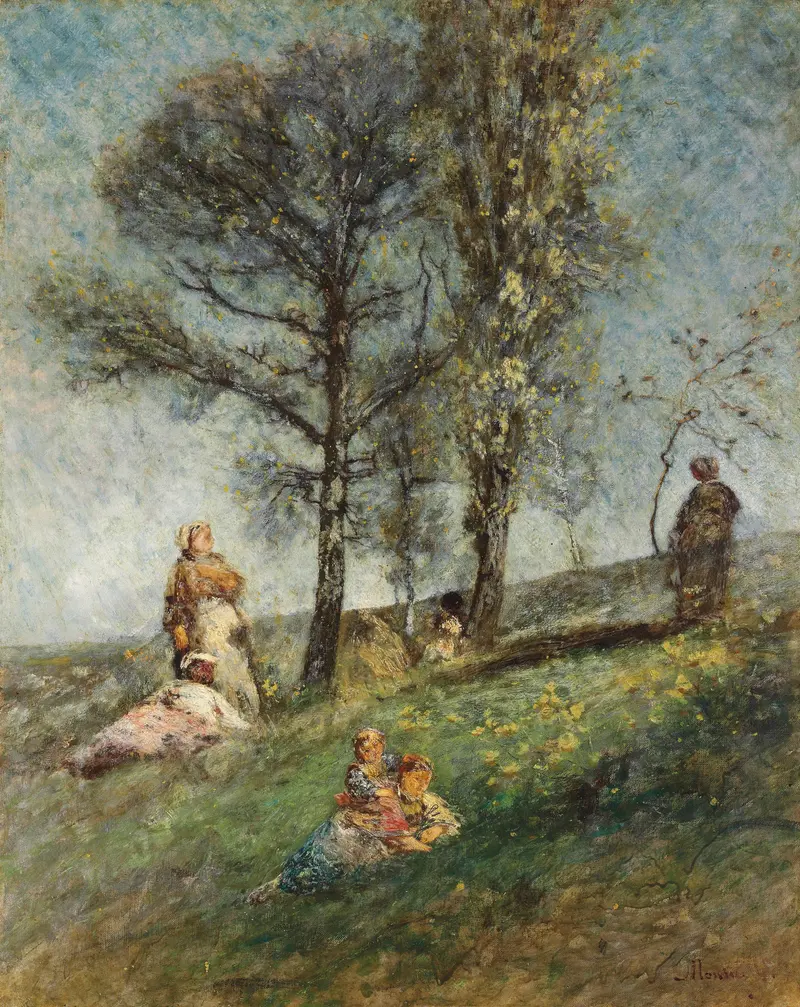
A Young Family Under Trees On A Hill
Adolphe Monticelli

Fête d'Après-Midi
Adolphe Monticelli
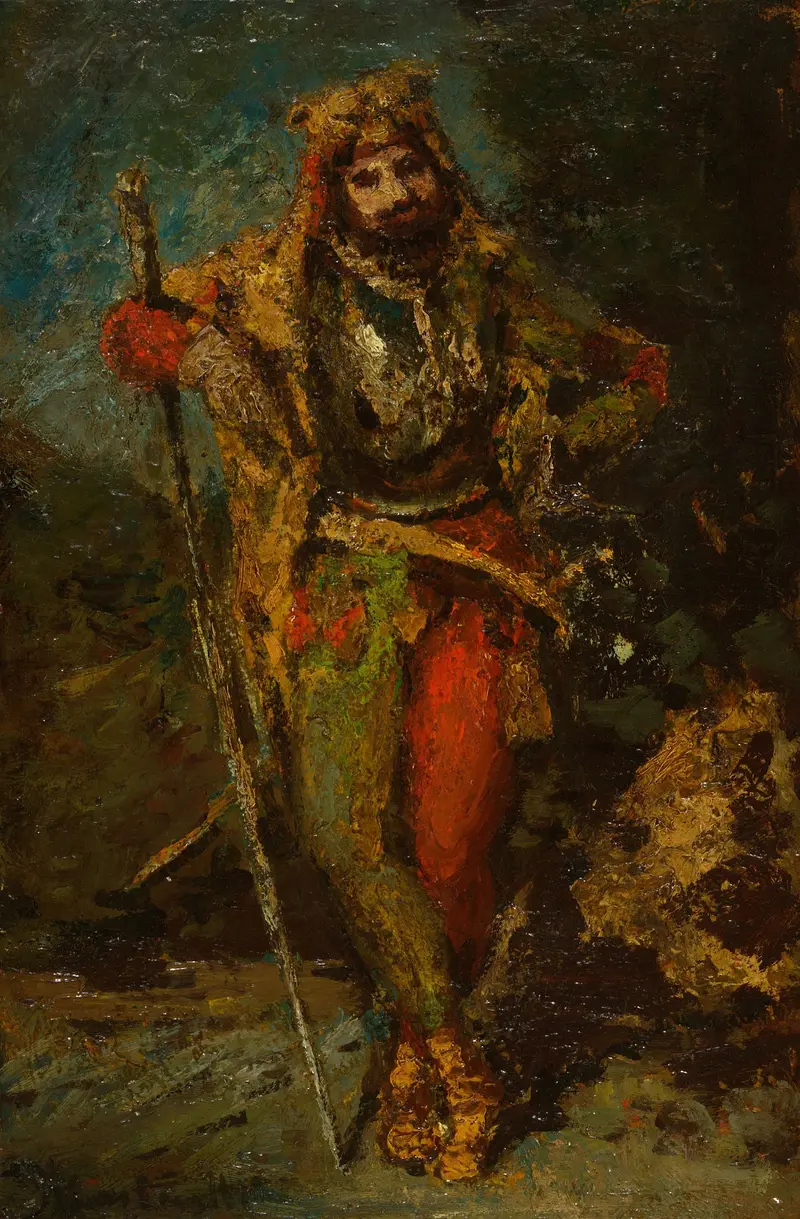
Mephisto from the Opera Faust
Adolphe Monticelli
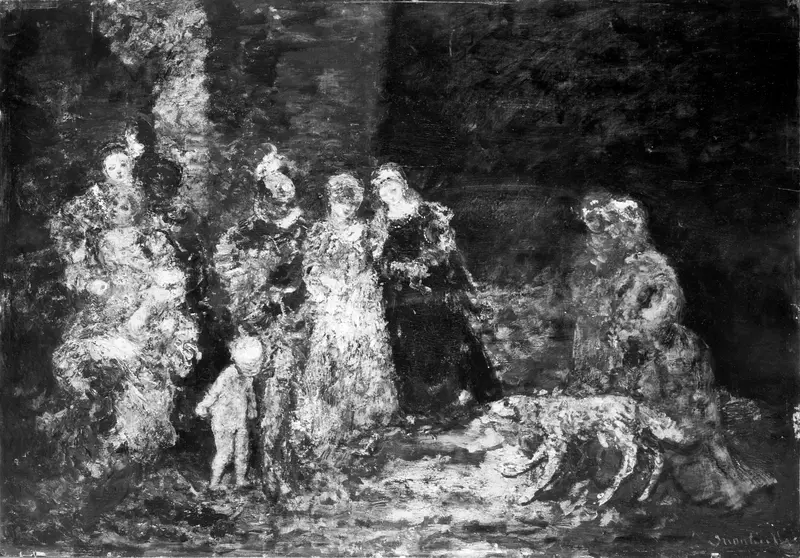
The Fairies
Adolphe Monticelli
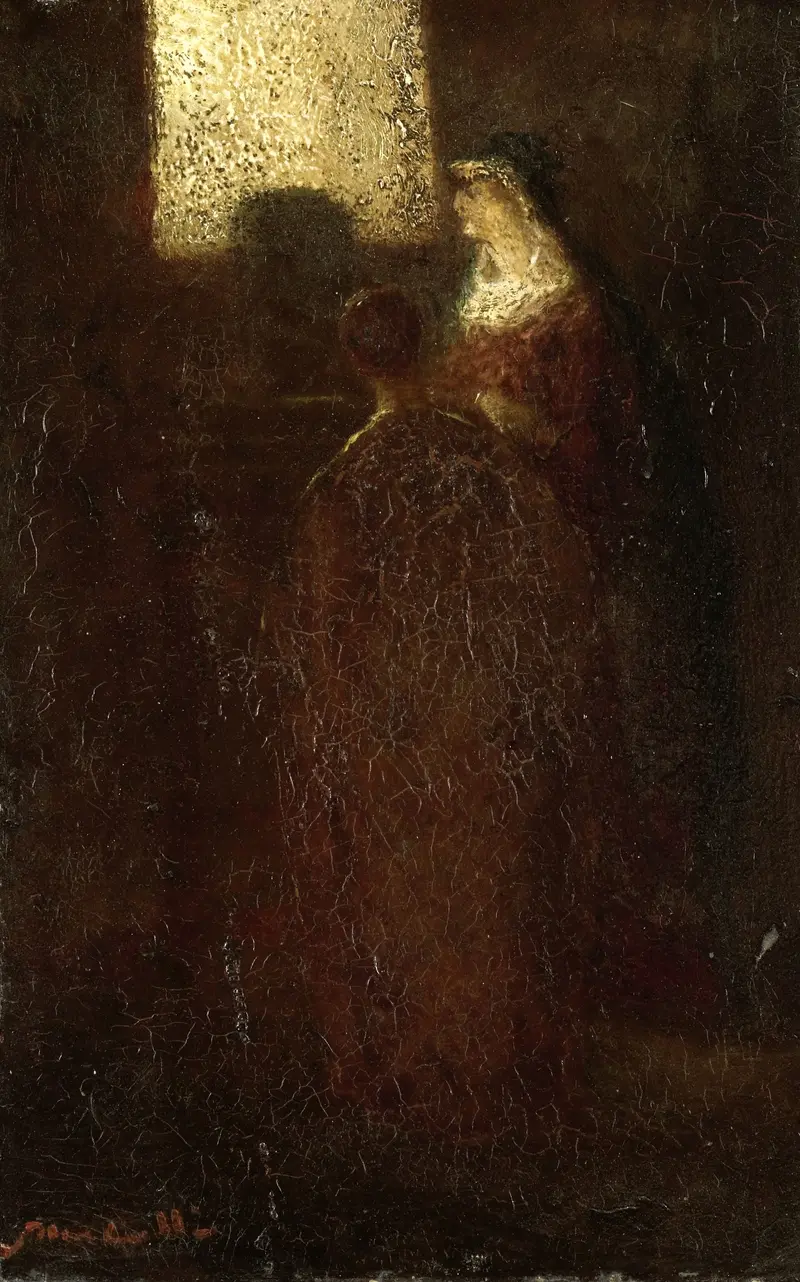
Aan het altaar
Adolphe Monticelli
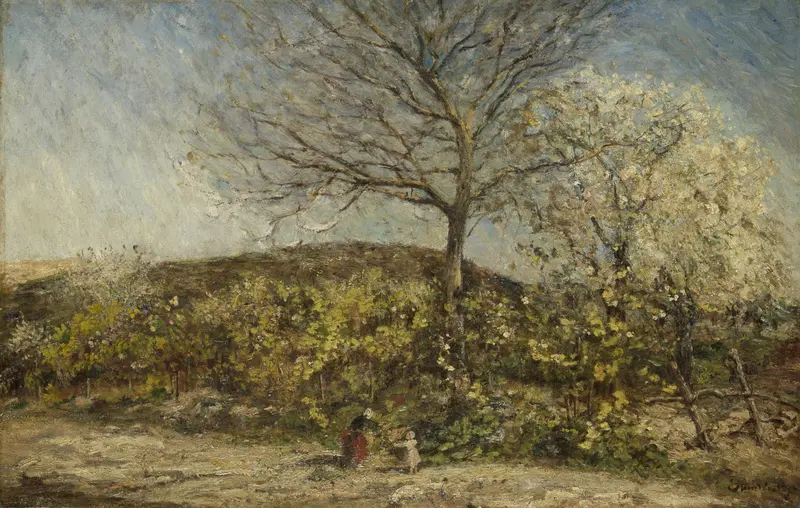
Landschap met bloeiende boomgaard
Adolphe Monticelli
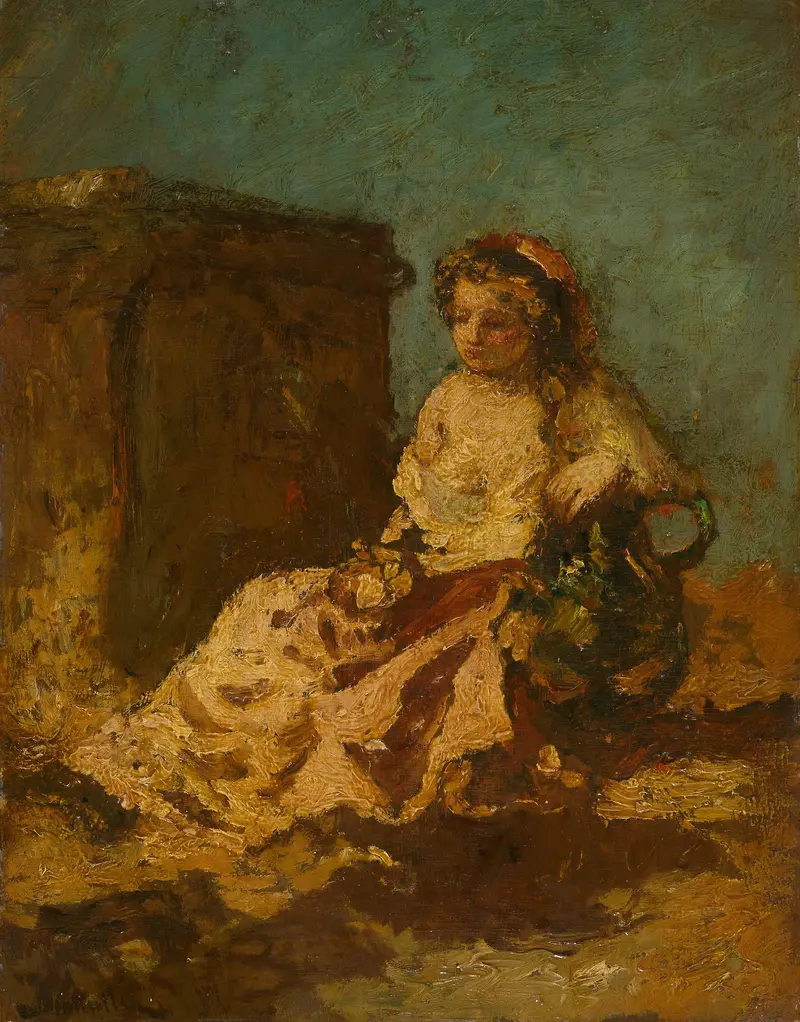
Meditation (Seated Woman)
Adolphe Monticelli
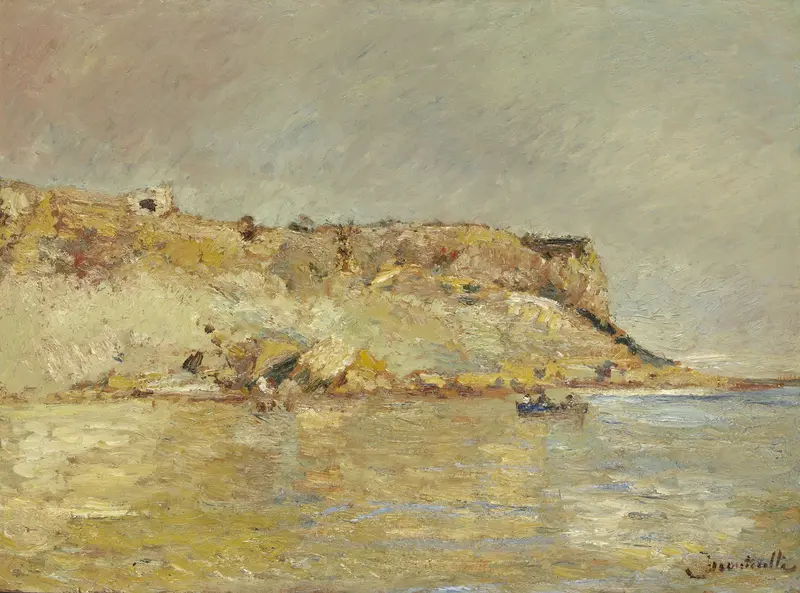
Coastal Mountains
Adolphe Monticelli
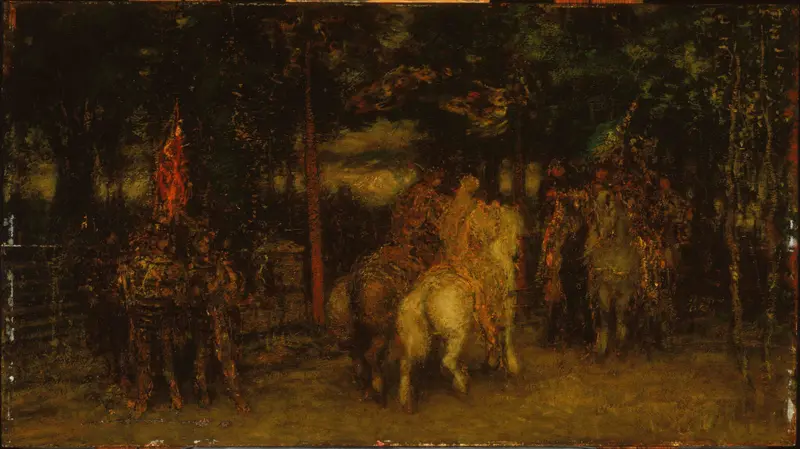
Landscape with Figures
Adolphe Monticelli
More Landscape Art

The Starry Night
Vincent van Gogh

View of Delft
Johannes Vermeer

Water Lilies
Claude Monet

The Grand Canal, Venice, looking north-west from the Ca' Corner to the Ca' Contarini degli Scrigni, with the campanile of Santa Maria della Carità
Canaletto

Windsor Castle
Canaletto

The Grand Canal looking North-East from the Palazzo Dolfin-Manin to the Rialto Bridge
Canaletto