
Pasture near Cherbourg (Normandy) — History & Facts
What if silence could speak through light? In the stillness of Pasture near Cherbourg, a world unfolds where the unvoiced tensions of rural life resonate profoundly through the interplay of nature and labor. Look to the foreground, where vibrant greens and soft earth tones blend seamlessly, creating a natural tapestry that draws the eye. Here, the subtle brushstrokes simulate the gentle sway of grass in the breeze, while the diffuse sunlight breaks through clouds, casting a serene glow. Notice how the distant horizon, edged with a warm light, beckons with promise yet carries a hint of foreboding.
This evocative use of color and detail invites viewers to linger in contemplation, both enchanted and apprehensive. In this pastoral setting, the juxtaposition of tranquility and solitude suggests an underlying narrative of betrayal. The idyllic landscape may mask the hardships of labor and the emotional distance between man and nature. The solitary figure, absorbed in their task, seems to embody the quiet struggle of existence, reminding us that even the most picturesque scenes can conceal profound truths about isolation and longing. During the early 1870s, Jean-François Millet painted this work against a backdrop of rapid change in France, marked by industrialization and societal upheaval.
Living in Barbizon, Millet found inspiration in the rural life surrounding him, seeking to elevate the dignity of peasant labor through his art. This painting reflects his commitment to capturing the essence of human experience within the natural world, a testament to his belief in the beauty and significance of everyday toil.
More Artworks by Jean-François Millet
Browse all →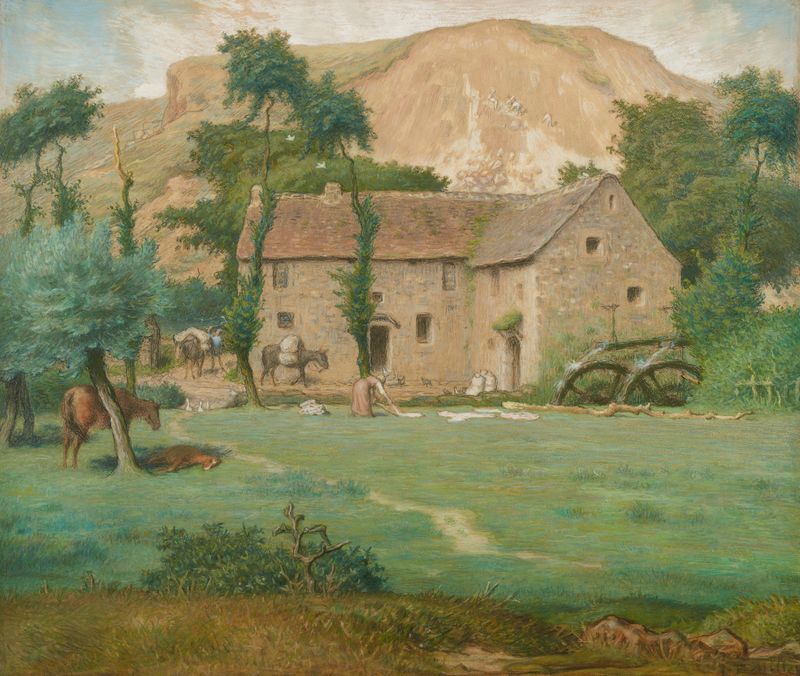
Watermill at the Foot of a Mountain, Allier
Jean-François Millet
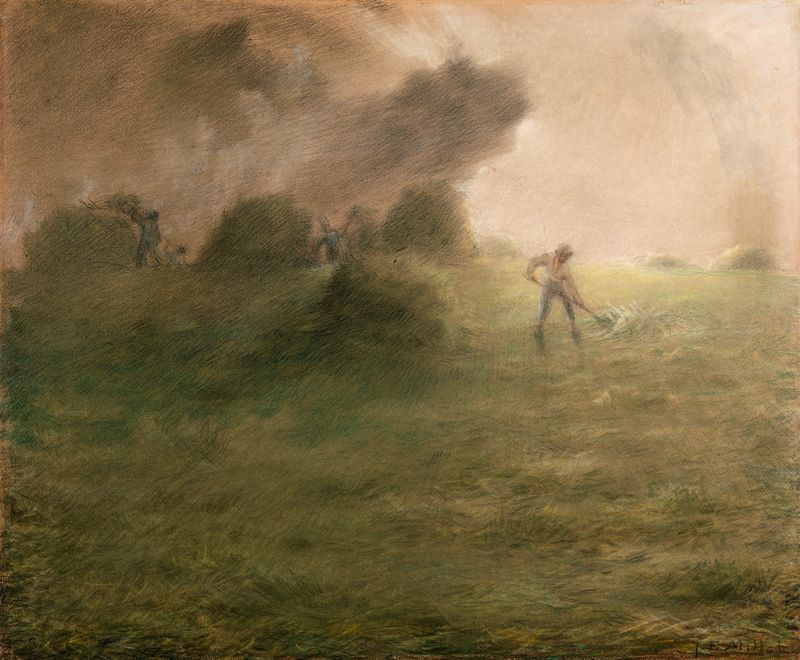
A Storm during Haymaking
Jean-François Millet
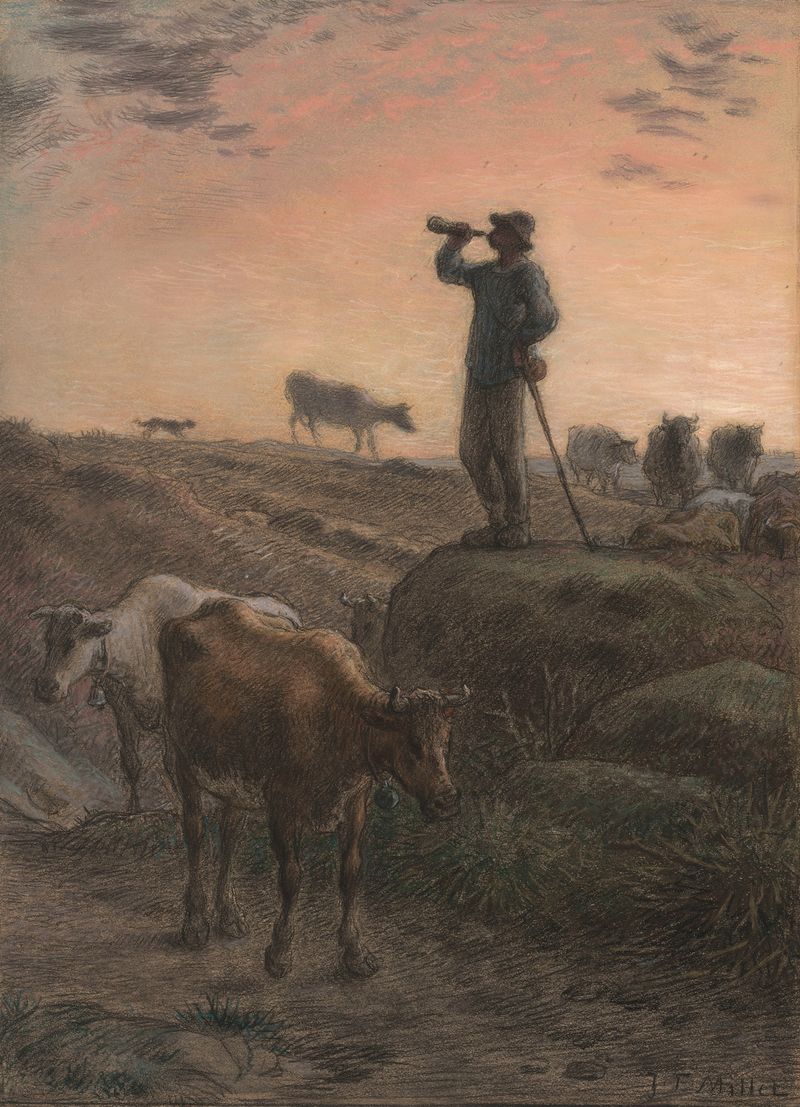
Calling Home the Cows
Jean-François Millet
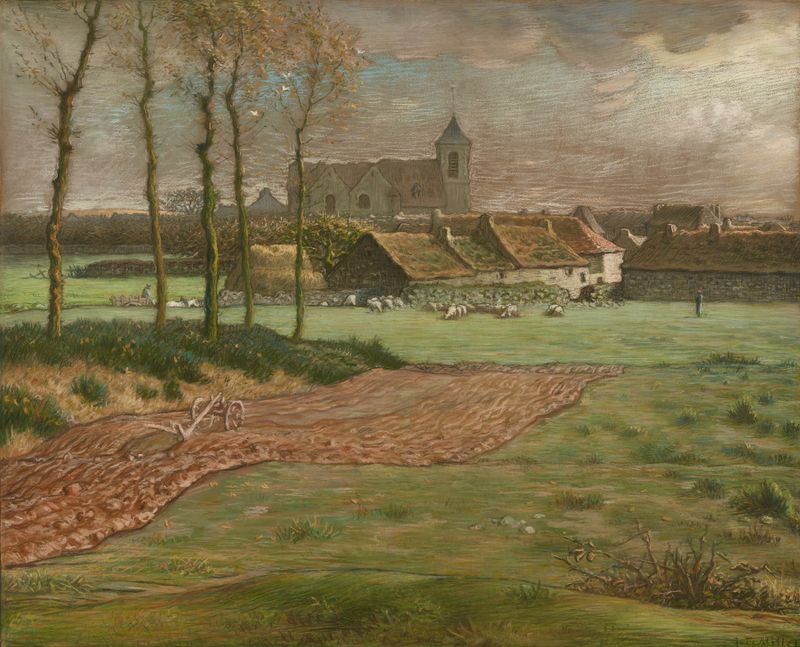
The Church at Chailly
Jean-François Millet
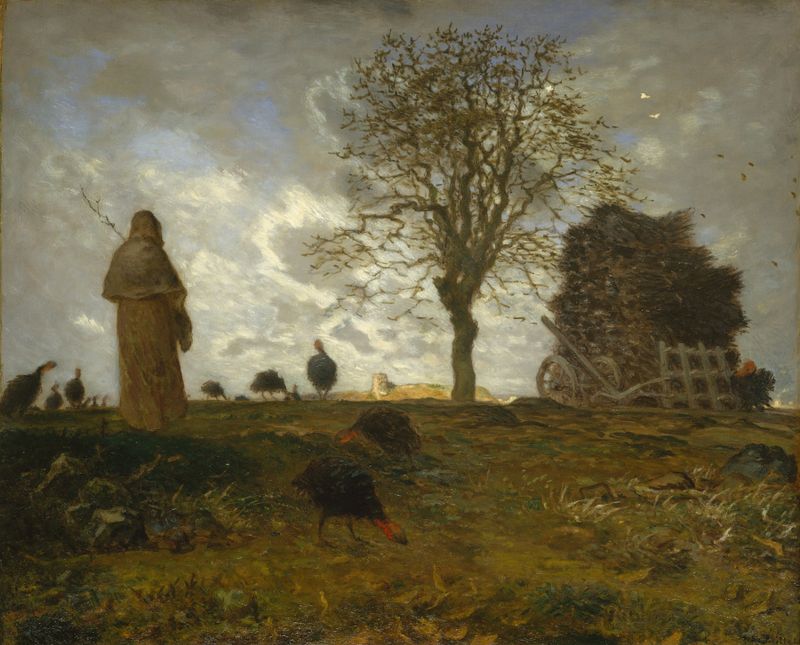
Autumn Landscape with a Flock of Turkeys
Jean-François Millet
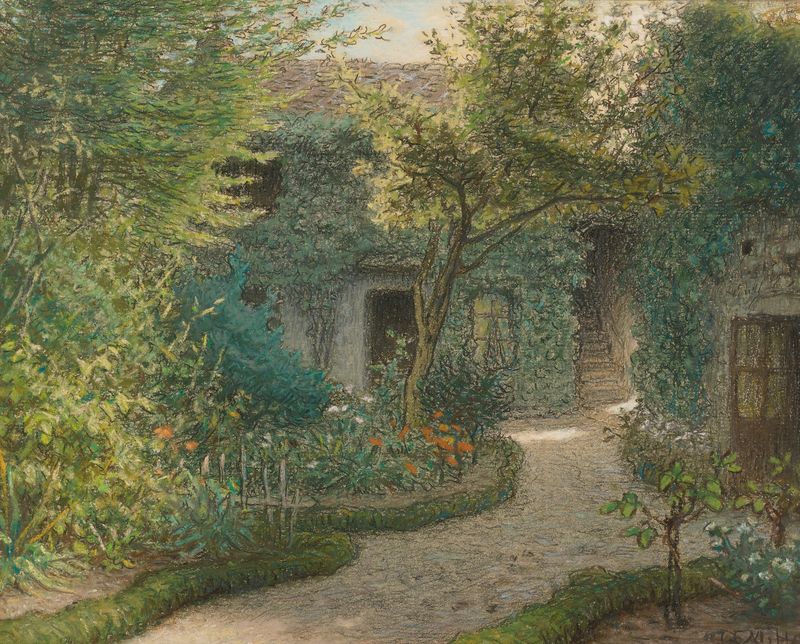
Théodore Rousseau’s House In Barbizon
Jean-François Millet
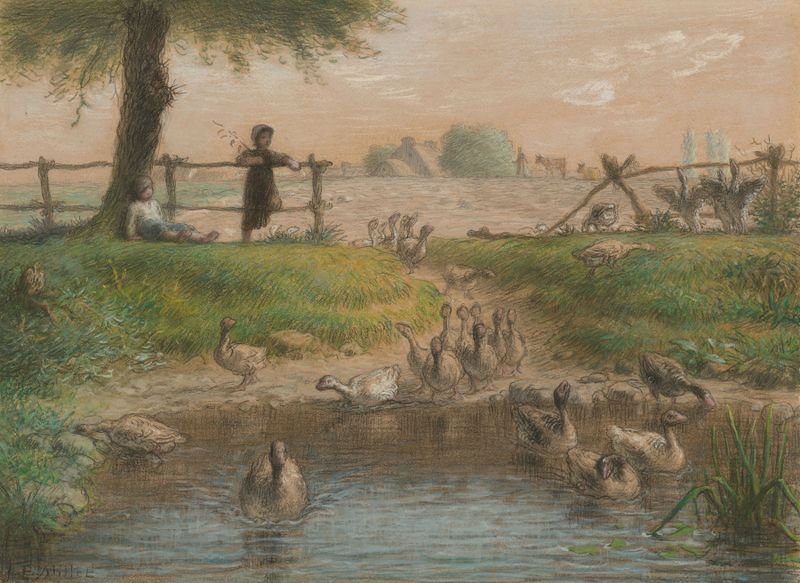
Peasant Children at Goose Pond
Jean-François Millet
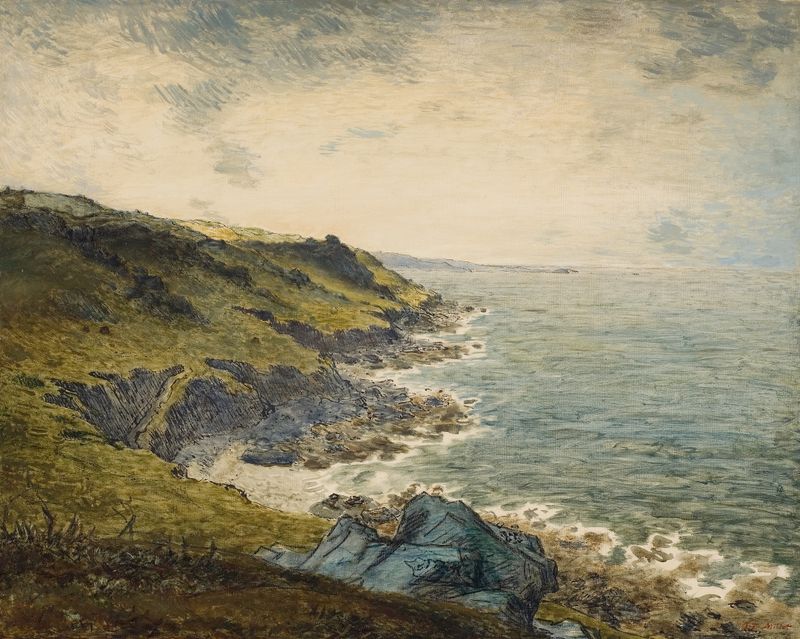
The Coast at Gréville
Jean-François Millet
Shepherds Resting
Jean-François Millet
The Old Mill
Jean-François Millet





