Discover insights about this artwork
Patitcha — History & Facts
In Patitcha, Henri Matisse employs a vibrant palette dominated by rich reds, blues, and yellows. The composition features abstracted figures that seem to dance across the canvas. The background is filled with bold patterns that enhance the lively atmosphere of the piece.
This work reflects Matisse's signature style of using color to convey emotion and movement. The painting is executed in oil on canvas, showcasing Matisse's skillful brushwork and layering techniques. The dimensions are approximately 100 x 80 cm, making it a substantial piece that commands attention. The use of color and form is characteristic of Matisse's modernist approach, emphasizing flatness and decorative elements.
Viewers can appreciate the intricate details and the interplay of colors upon closer inspection. Patitcha was created during a period when Matisse was exploring the boundaries of color and form. This work exemplifies his shift towards a more abstract representation of reality, moving away from traditional depictions. An interesting fact about this painting is that it reflects Matisse's fascination with the culture and art of North Africa, which influenced many of his works during this time.
The painting is currently housed at the Musée d'Orsay, a fitting location for such a vibrant piece.
More Artworks by Henri Matisse
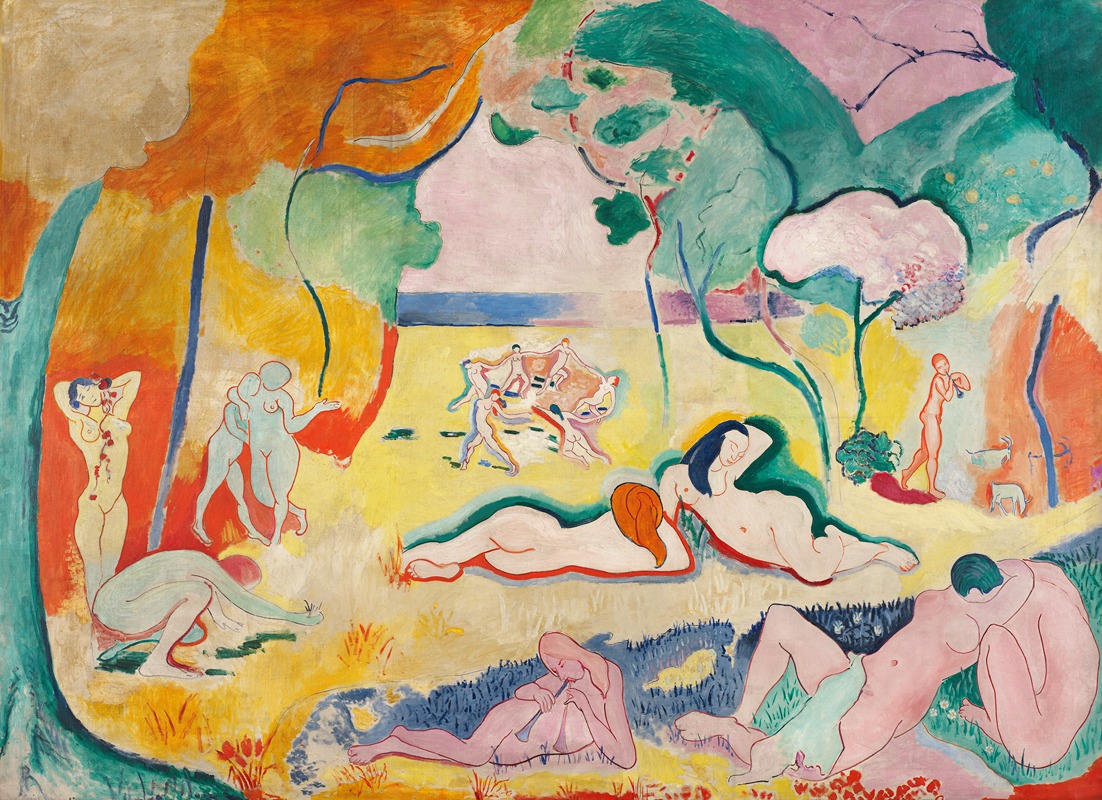
Le Bonheur de vivre, also called The Joy of Life
Henri Matisse
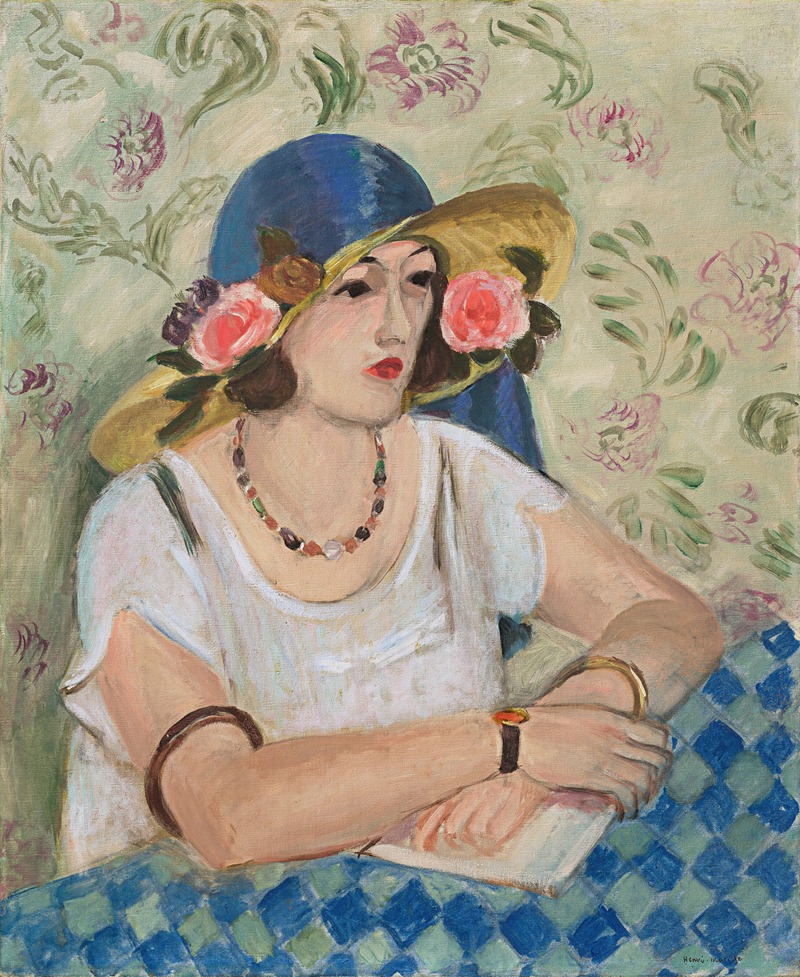
Femme au chapeau fleuri
Henri Matisse
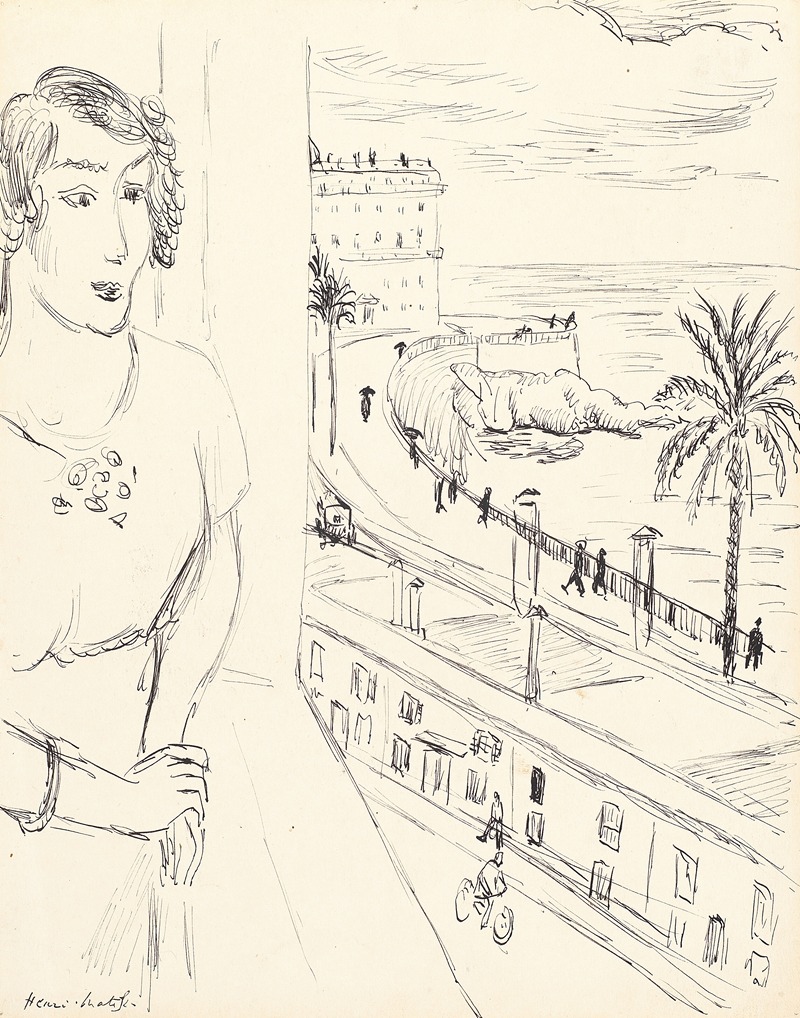
Femme près de la fenêtre, Nice
Henri Matisse
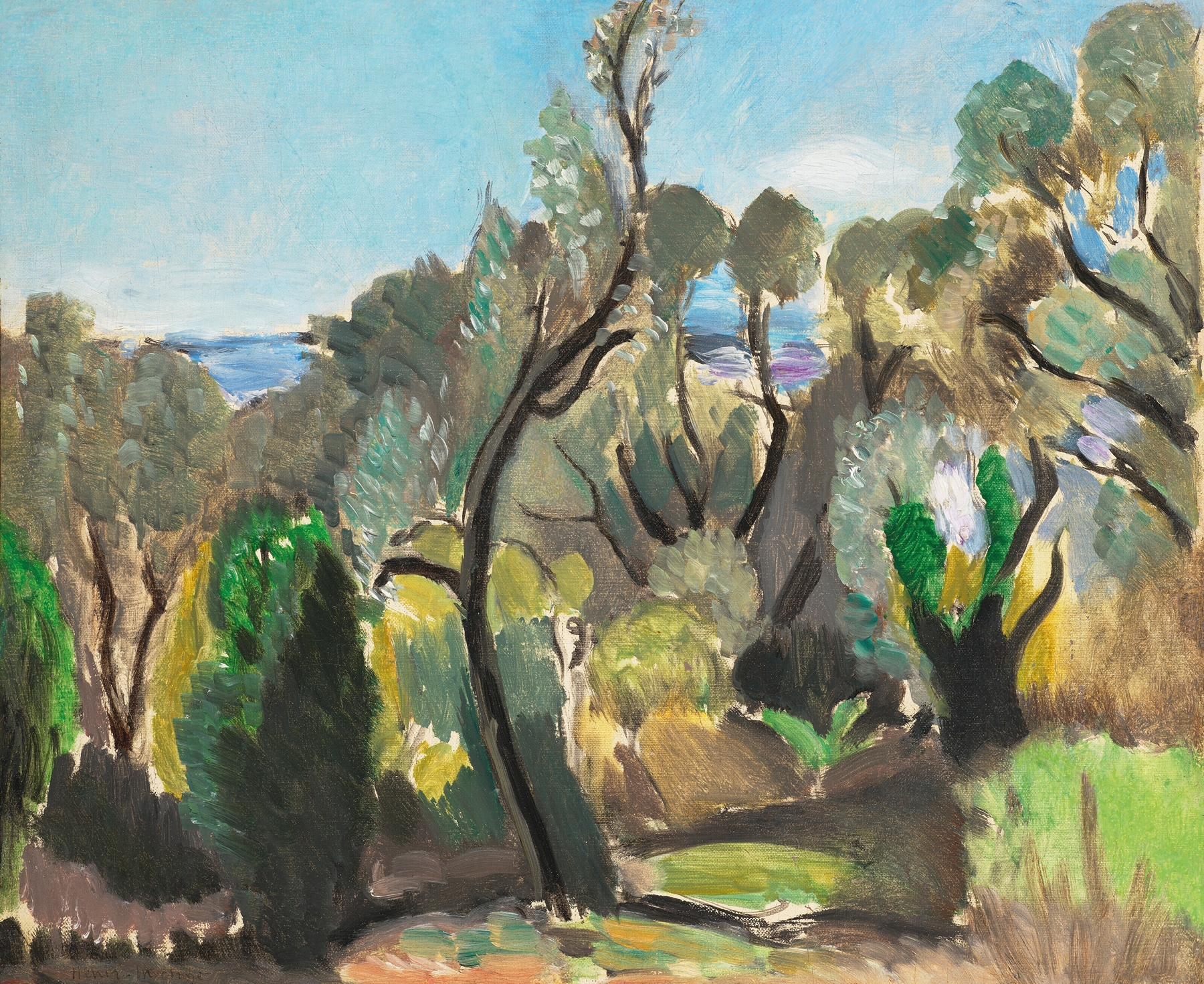
Paysage aux environs de Nice ou Les Oliviers ou Coin du Mont-Boron
Henri Matisse
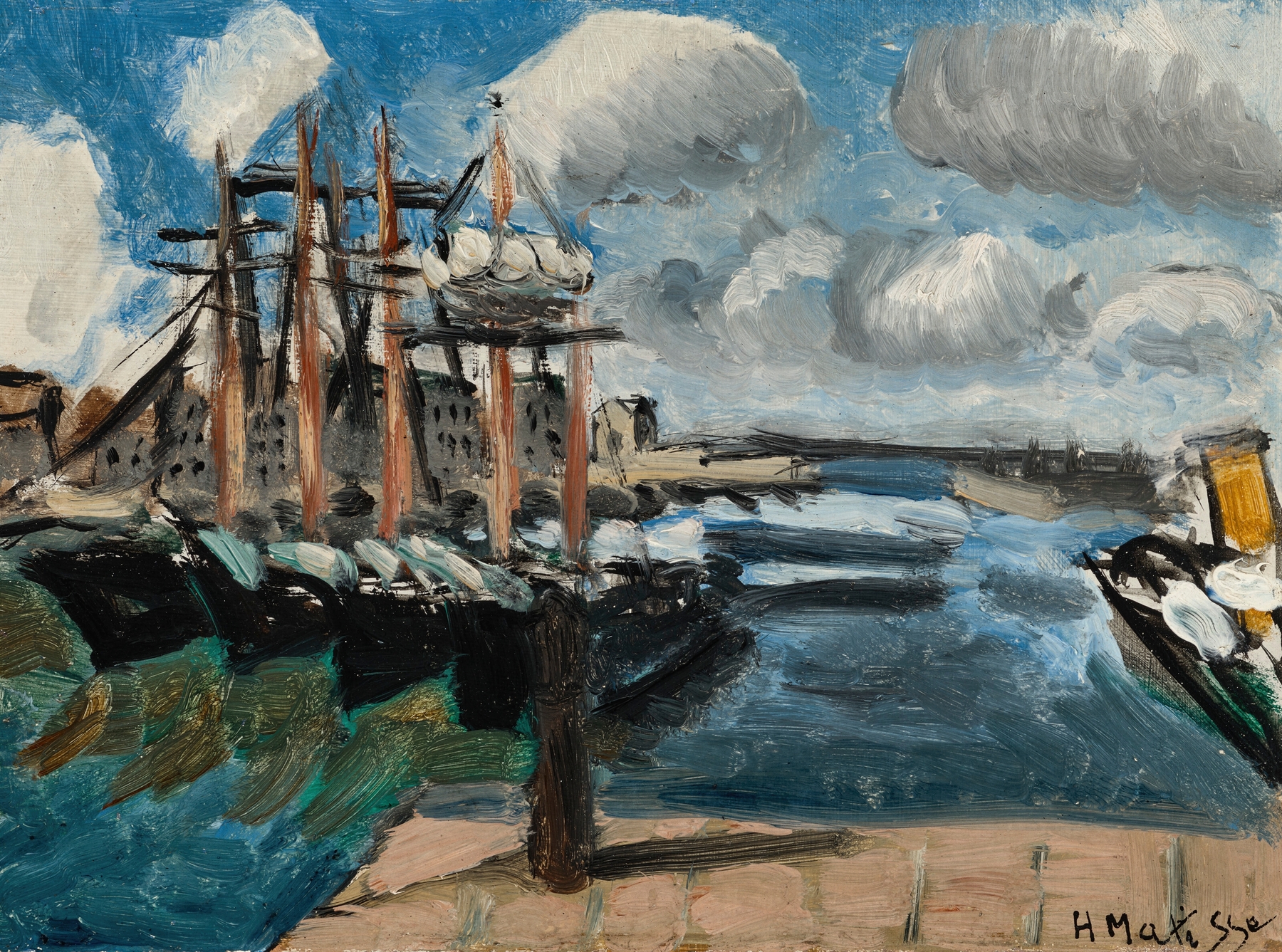
Port de Cherbourg
Henri Matisse
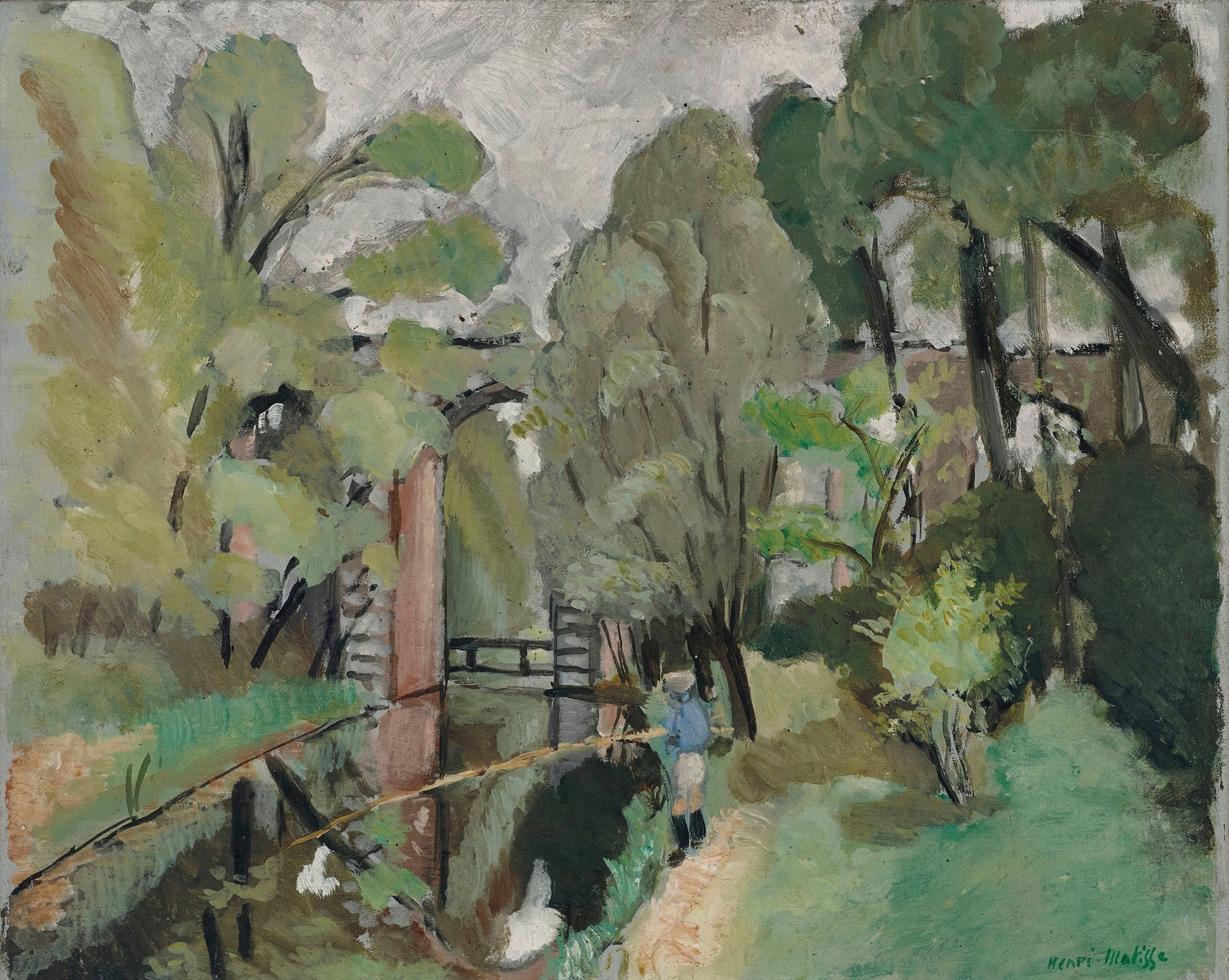
Le Petit pêcheur, Maintenon
Henri Matisse
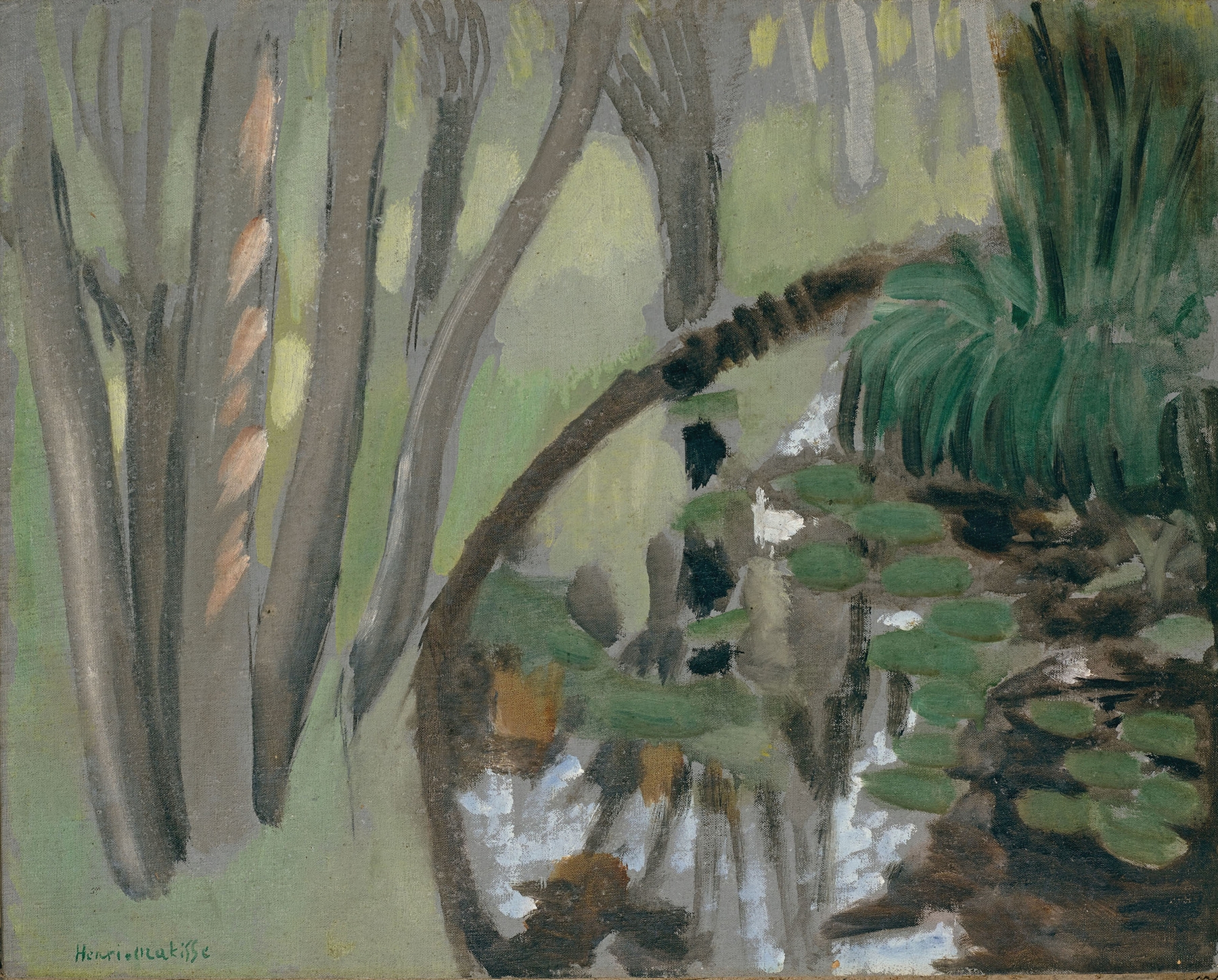
Le ruisseau, Maintenon
Henri Matisse
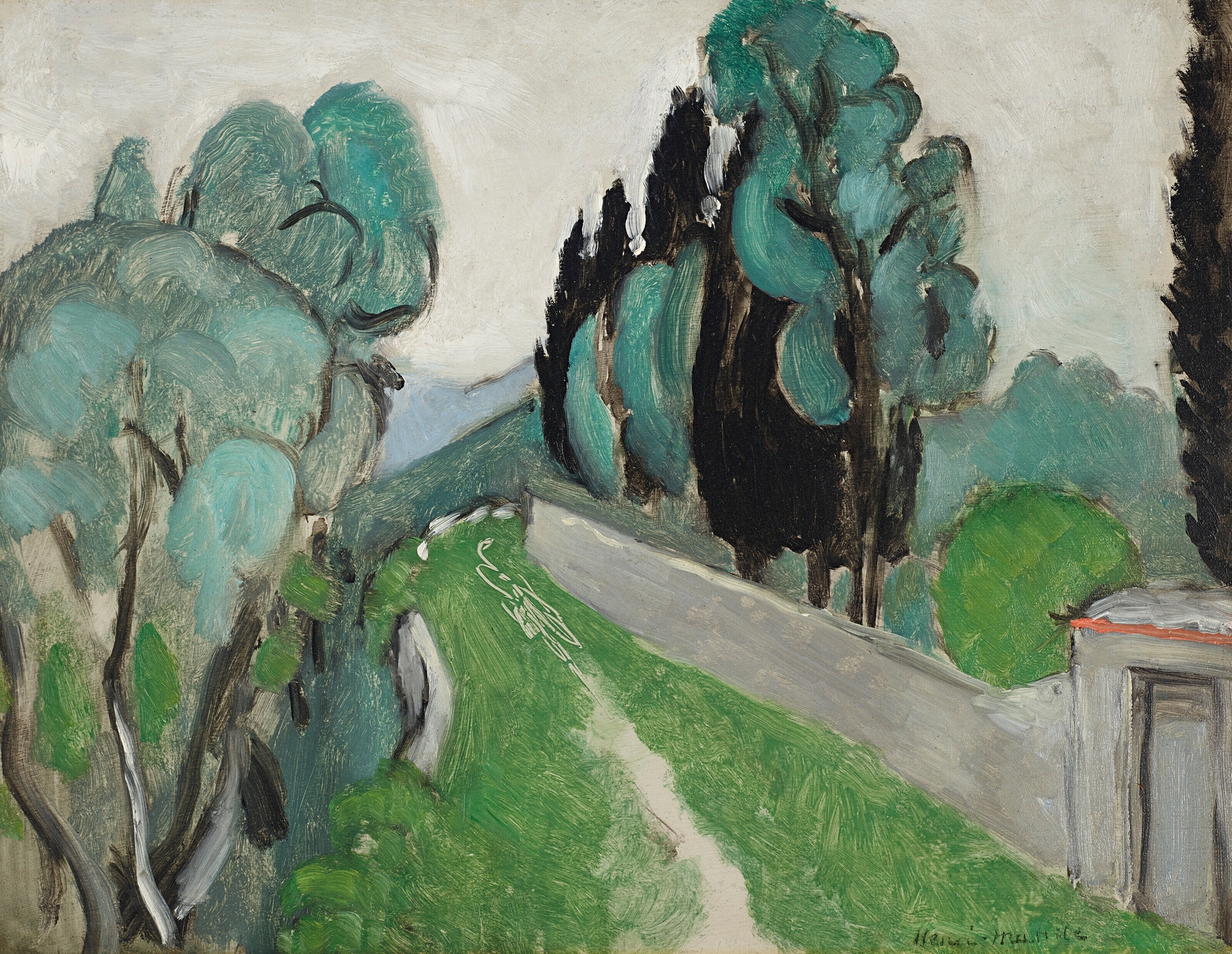
Paysage avec cyprès et oliviers aux environs de Nice
Henri Matisse
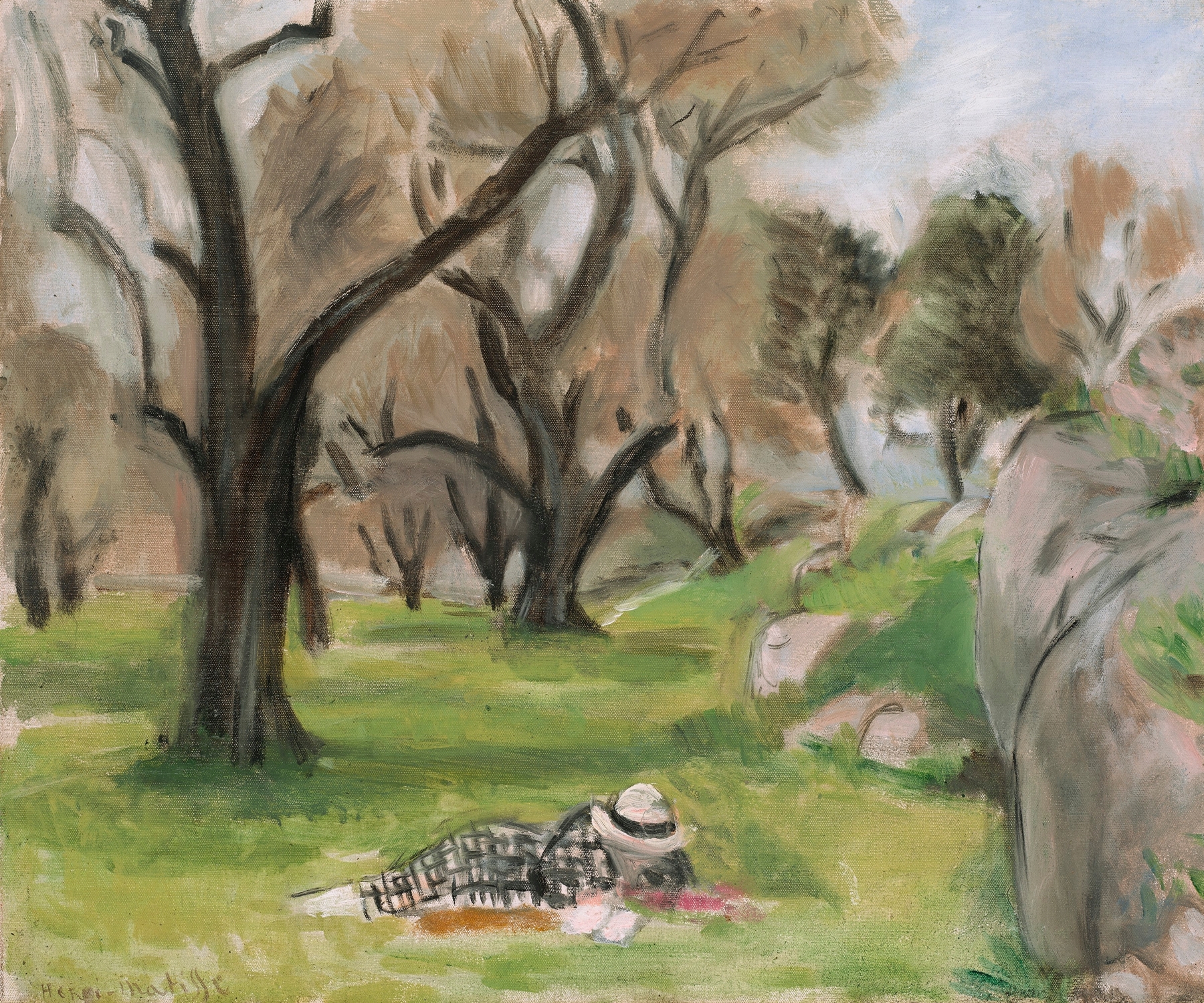
Paysage du Midi
Henri Matisse
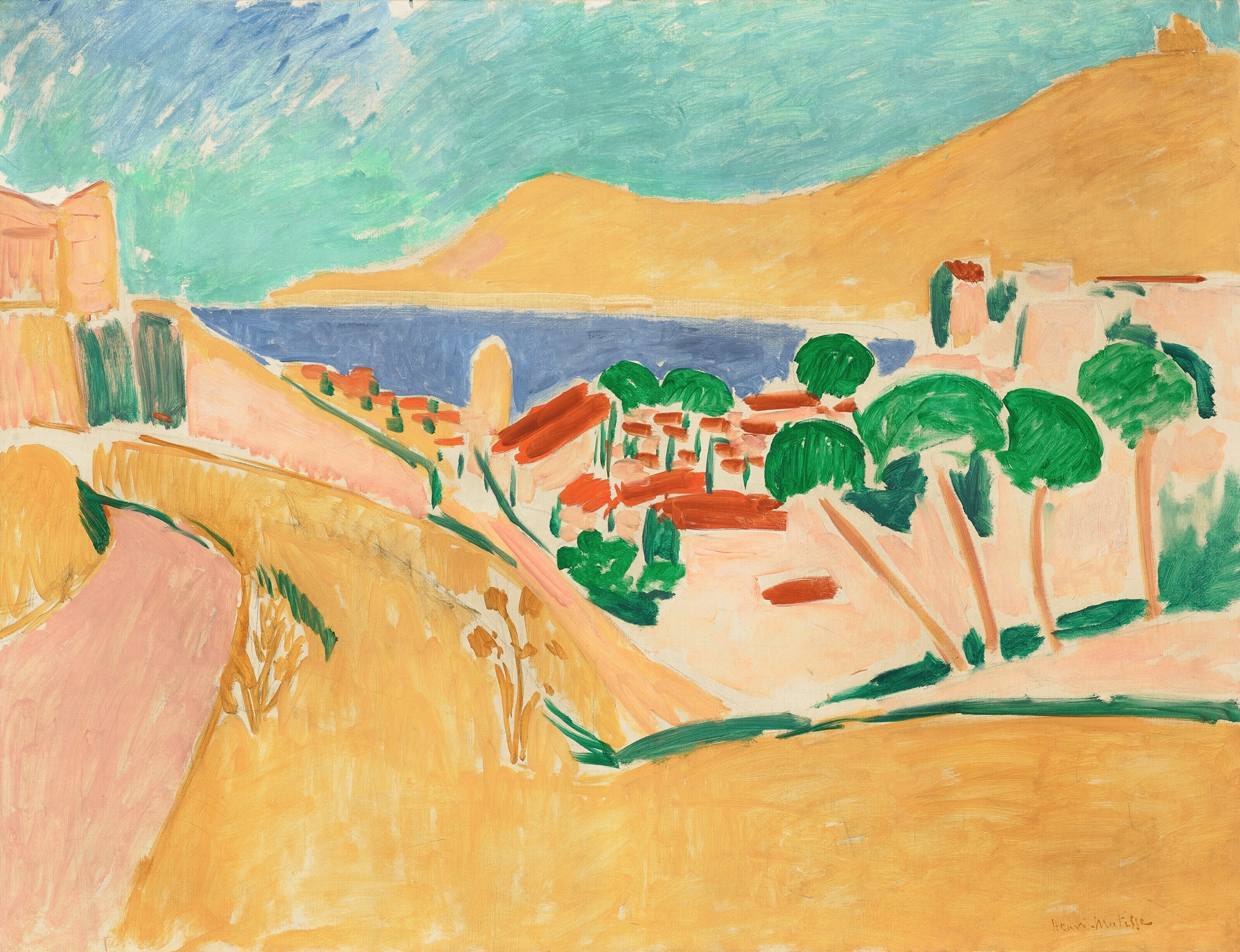
Collioure en août
Henri Matisse