
Paysage — History & Facts
When did color learn to lie? In the quiet embrace of Paysage, hues whisper tales of serenity, where green fields and gentle hills blend into soft blues, inviting contemplation and reflection. It prompts us to consider the deeper truths beneath the surface, luring the viewer into a world both familiar and elusive. Look to the center of the canvas, where the vibrant green of the foliage bursts forth, bringing life to the serene landscape. The brushstrokes vary in thickness and intensity, revealing a tension between spontaneity and precision.
Notice how the light dances across the landscape, illuminating the trees and casting delicate shadows that hint at the time of day, while the gentle curves of the hills create a rhythmic flow, guiding the eye through the tranquil composition. As you delve deeper, observe the contrast between the vivid colors and the muted tones that surround them. This interplay evokes a sense of duality, suggesting both vibrancy and calmness coexisting within the natural world. The subtle layering of paint not only enhances texture but also reflects the artist's inner dialogue—a search for balance amidst emotional turmoil.
Each stroke reveals a moment of clarity, urging us to pause and appreciate the harmony present in nature. Created in 1866, during a period when Cézanne was exploring his distinctive style in Aix-en-Provence, Paysage represents a pivotal moment in his artistic journey. At this time, the artist was grappling with his identity, influenced by the burgeoning Impressionist movement while striving for his unique voice. Surrounded by a rapidly changing world, he sought solace in the landscapes that inspired him, capturing their essence with a nuanced approach that would define his legacy.
More Artworks by Paul Cezanne
Browse all →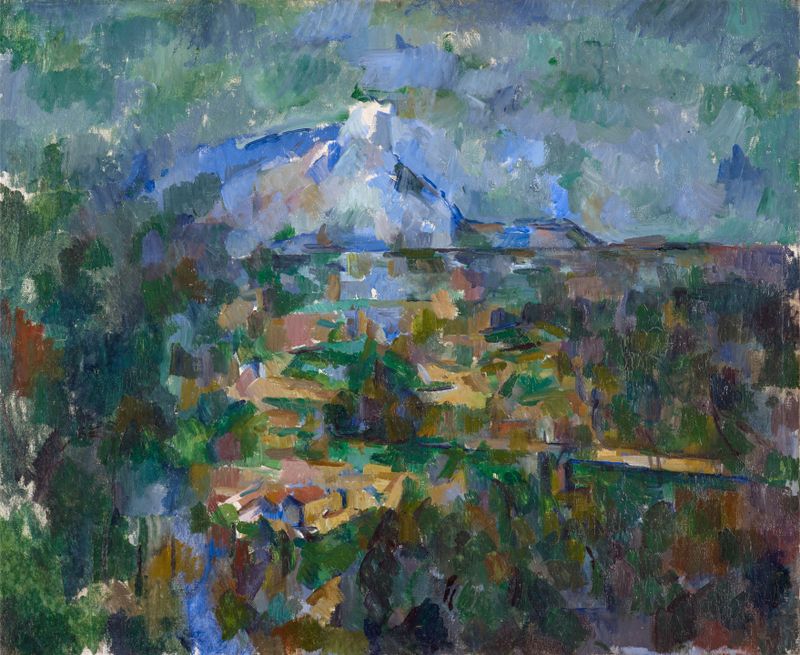
The Mont Sainte-Victoire Seen From Les Lauves
Paul Cezanne
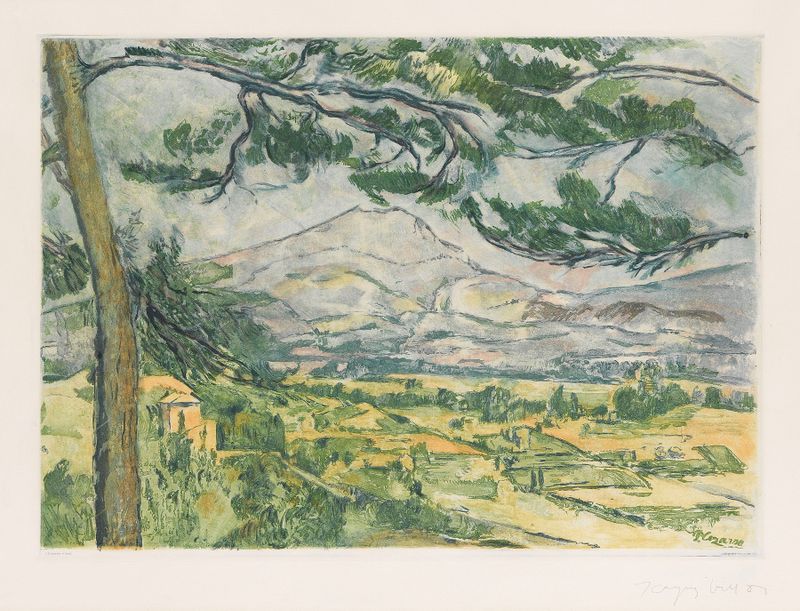
La Montagne Sainte-Victoire
Paul Cezanne
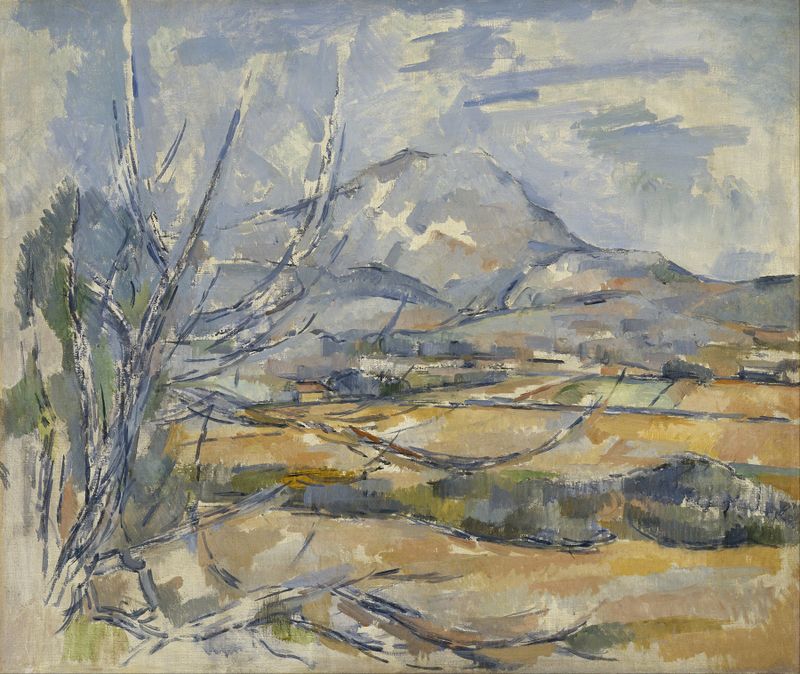
Montagne Sainte-Victoire
Paul Cezanne
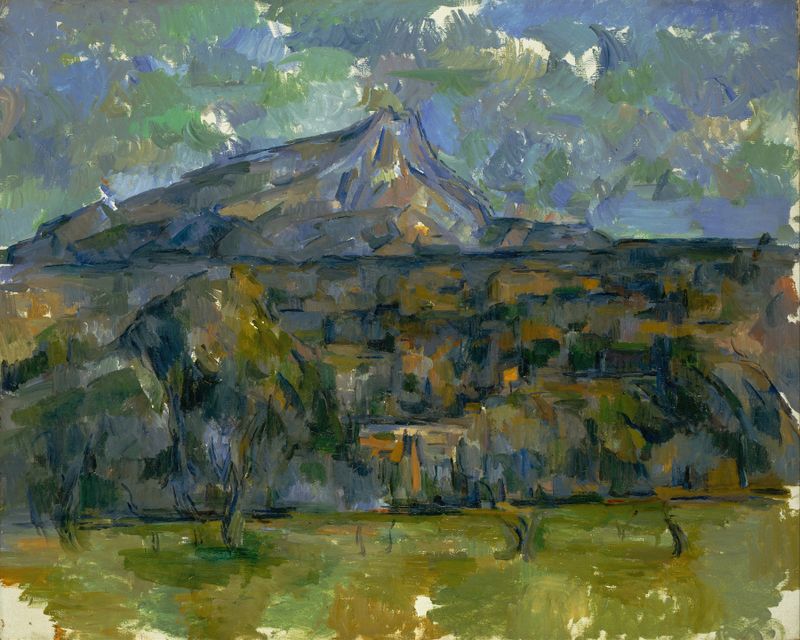
Mont Sainte-Victoire
Paul Cezanne
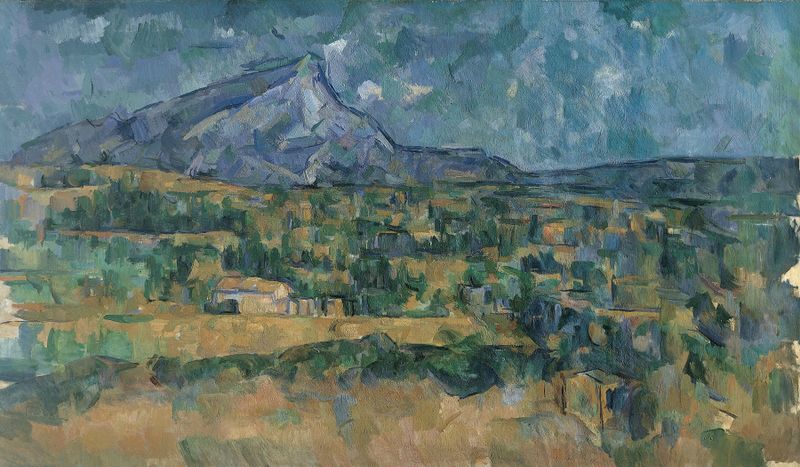
Mont Sainte-Victoire
Paul Cezanne
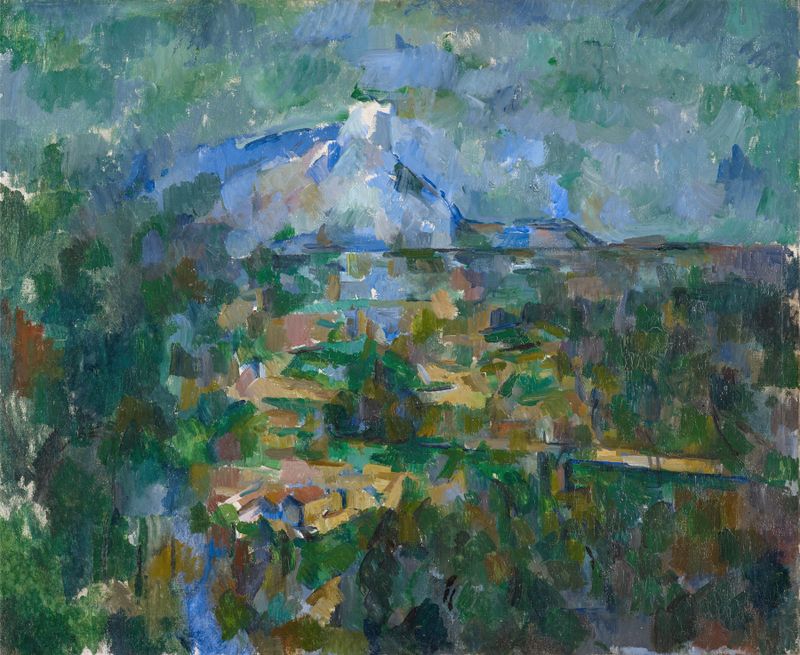
View of Mount Sainte-Victoire from Les Lauves
Paul Cezanne
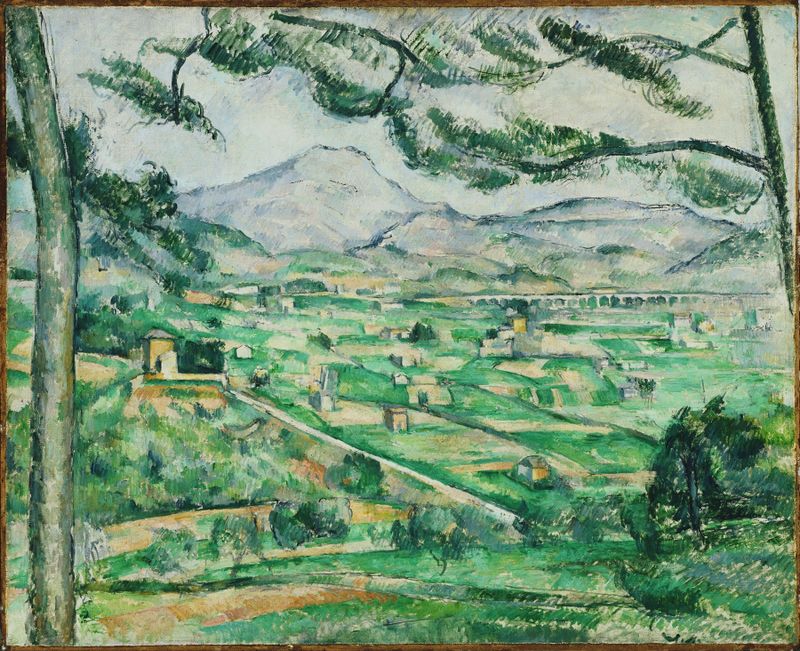
Mont Sainte-Victoire 2
Paul Cezanne

The Basket of Apples
Paul Cezanne

Mount Sainte-Victoire
Paul Cezanne
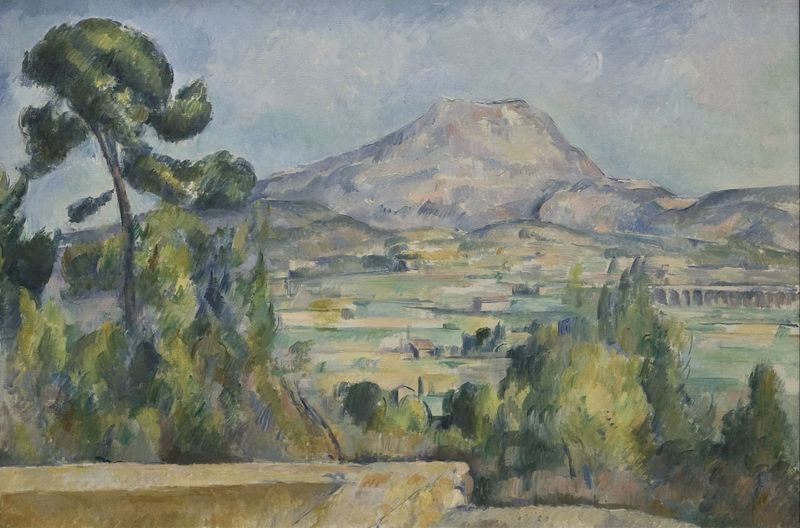
Montagne Saint-Victoire
Paul Cezanne





