
Paysage au piquet — History & Facts
When Georges Seurat painted Paysage au piquet in 1882, he was just beginning to experiment with the radical ideas that would soon make him famous. This work is often cited by art historians as a crucial stepping stone toward his invention of Pointillism, the technique that would later define Post-Impressionism. Unlike his later, meticulously dotted canvases, here Seurat is still searching—testing the boundaries of color and brushwork, and quietly challenging the conventions of landscape painting in France.
The painting’s title, which translates as "Landscape with a Stake," hints at its modest subject: a simple countryside scene, yet one rendered with a new, analytical eye. In Paysage au piquet, Seurat captures a quiet moment in the French countryside, where a single wooden stake interrupts the gentle sweep of fields and sky. The stake itself stands as a curious marker—perhaps a boundary, perhaps a signpost—drawing the viewer’s attention to the intersection of human presence and nature. The brushwork is loose but deliberate, with patches of color laid side by side, foreshadowing the systematic dots of his later work.
The muted palette and the calm, almost mathematical composition recall the landscapes of Camille Corot, but Seurat’s approach is more experimental: he seeks not just to record a view, but to explore how light and color interact on the canvas. The early history of Paysage au piquet is not well documented, typical for Seurat’s works before his rise to prominence. Painted when he was still a student, likely in or near Paris, the canvas was probably kept in the artist’s studio until his later exhibitions brought him recognition. Today, the painting is valued as a rare glimpse into Seurat’s formative years, when he was laying the groundwork for the innovations that would change modern art.
It remains an important piece for understanding the evolution of Post-Impressionism, bridging the gap between the traditions of the Barbizon School and the scientific rigor that would define Seurat’s mature style.
More Artworks by Georges Seurat
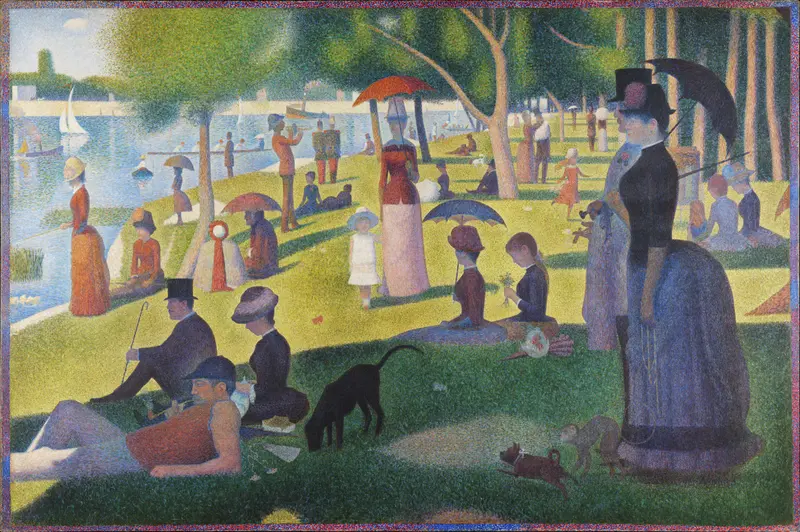
A Sunday Afternoon on the Island of La Grande Jatte
Georges Seurat
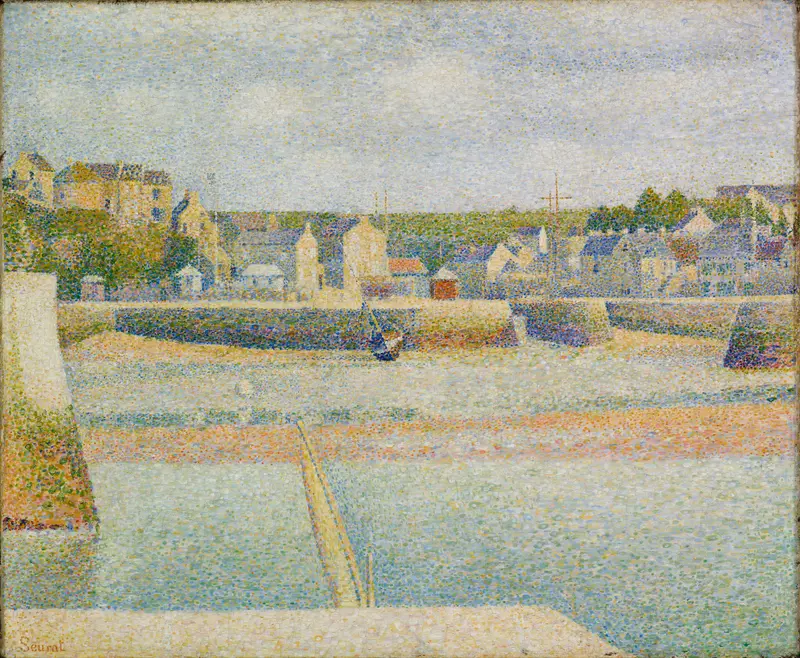
Port-en-Bessin, The Outer Harbor (Low Tide)
Georges Seurat
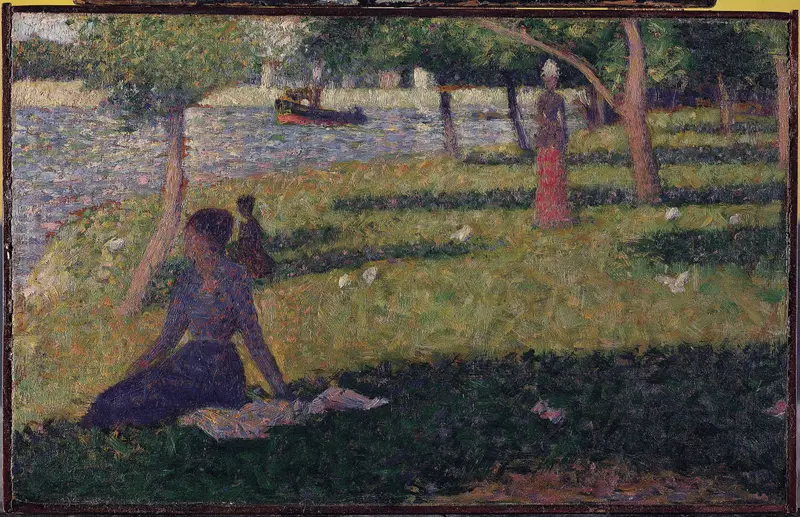
Étude pour ‘La Grande Jatte’ (Study for ‘La Grande Jatte’)
Georges Seurat
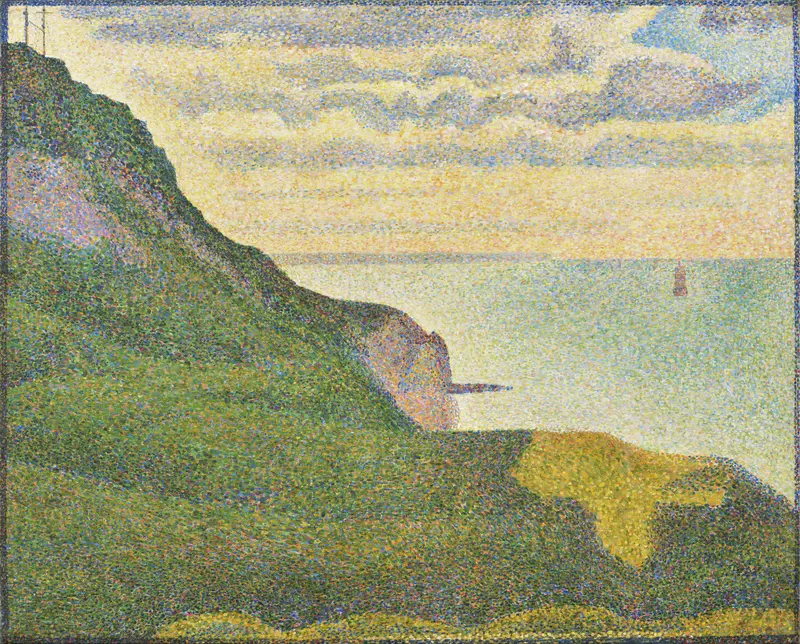
Seascape at Port-en-Bessin,Normandy
Georges Seurat
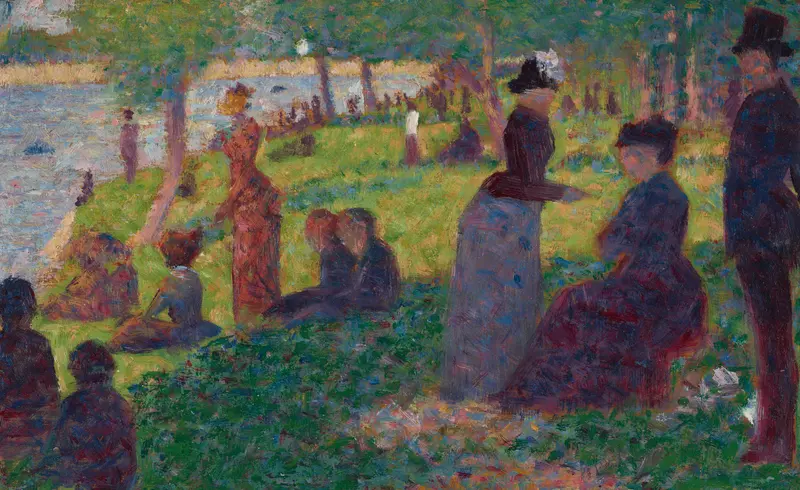
Oil Sketch for "A Sunday on La Grande Jatte — 1884"
Georges Seurat
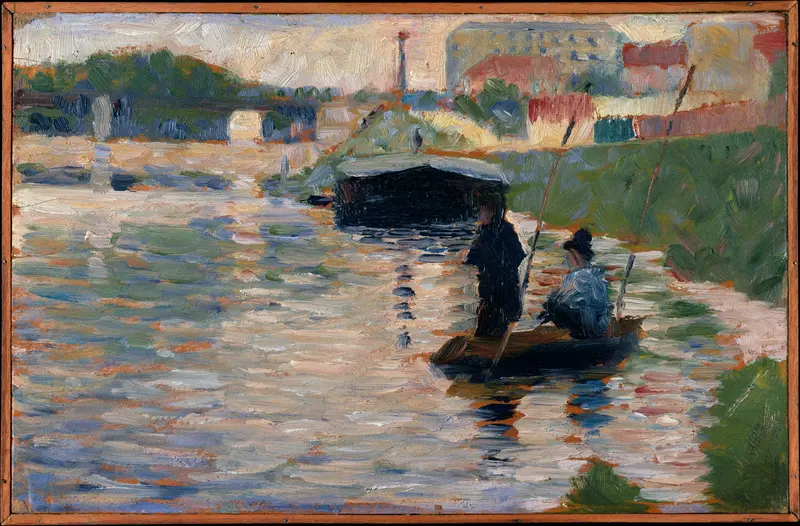
View of the Seine
Georges Seurat
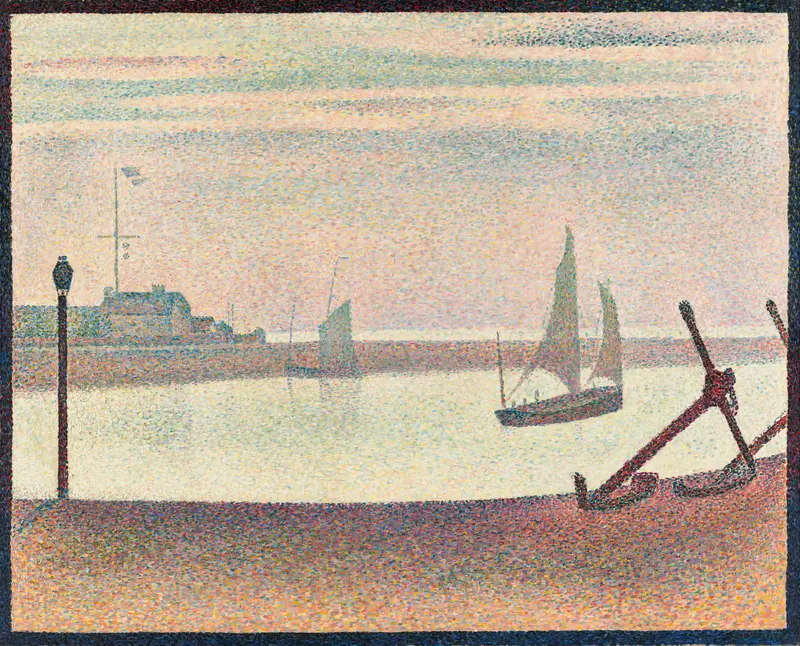
The Channel at Gravelines, Evening
Georges Seurat
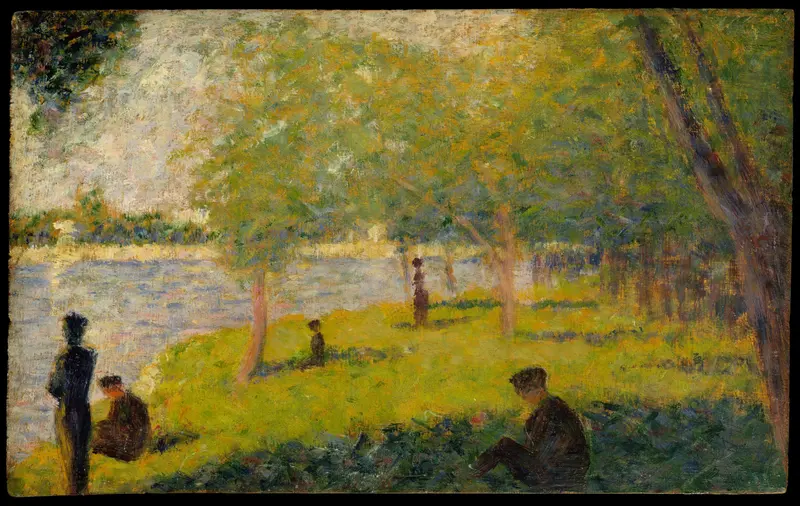
Study for ‘A Sunday on La Grande Jatte’
Georges Seurat
Study for A Sunday on La Grande Jatte
Georges Seurat
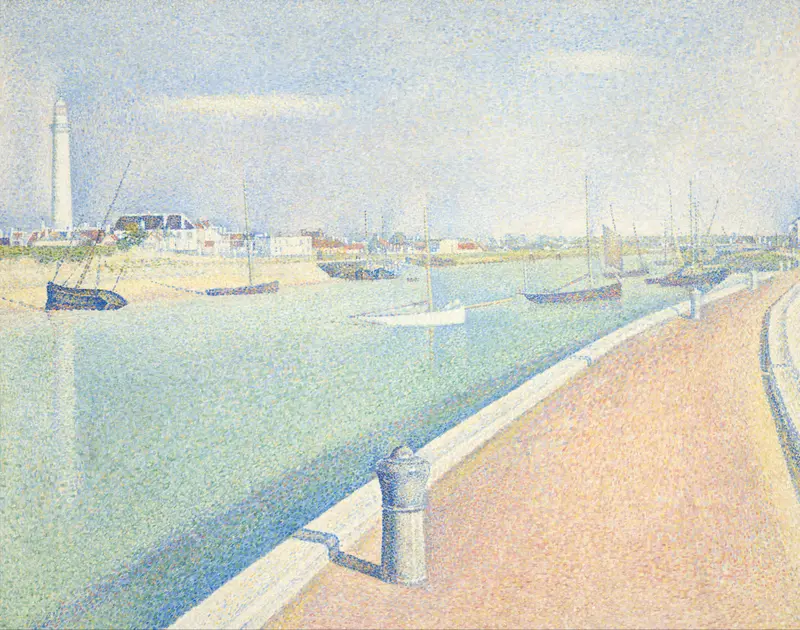
The Channel of Gravelines, Petit Fort Philippe
Georges Seurat
More Landscape Art

The Starry Night
Vincent van Gogh

View of Delft
Johannes Vermeer

Water Lilies
Claude Monet

The Grand Canal, Venice, looking north-west from the Ca' Corner to the Ca' Contarini degli Scrigni, with the campanile of Santa Maria della Carità
Canaletto

Windsor Castle
Canaletto

The Grand Canal looking North-East from the Palazzo Dolfin-Manin to the Rialto Bridge
Canaletto