
Paysage avec étang musée du Louvre — History & Facts
A single figure sits quietly at the edge of a pond, dwarfed by the towering trees and the vast, cloud-brushed sky above. The eye is drawn first to the luminous reflection on the water, where the golden foliage and gentle blue sky mingle in the stillness of the surface. The winding path curves softly around the pond, inviting the viewer to wander deeper into the woods, while the careful placement of light and shadow creates a sense of depth and calm.
Birds wheel high above, their presence a reminder of the living world beyond the hush of the forest. Every element in the scene seems chosen to slow the viewer’s gaze, to encourage a moment of quiet observation. Painted sometime between 1600 and 1650, this landscape belongs to a period when artists like Alexander Keirincx were redefining how nature could be seen and valued in art. In the Low Countries, such scenes were often commissioned by wealthy patrons eager to bring the tranquility of the countryside into their homes, a testament to the growing appreciation for the natural world.
The genre flourished as artists found new ways to capture atmosphere and light, shifting away from religious or historical themes to celebrate the everyday beauty of woods, water, and sky. This particular work, now documented in the collection of the Louvre and photographed in 2021, stands as a quiet witness to that transformation—a painted invitation to lose oneself in the gentle play of light and leaf.
More Artworks by Alexander Keirincx

River Landscape with Oak Forest
Alexander Keirincx
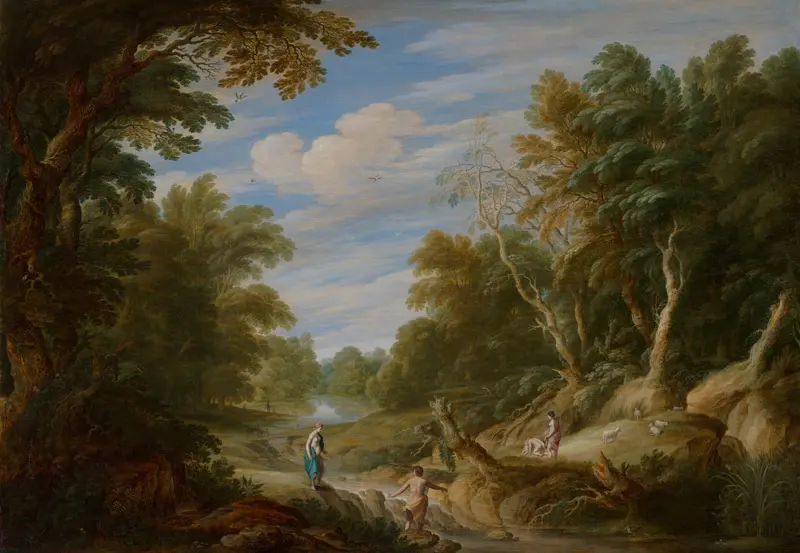
Wooded Landscape with Figures
Alexander Keirincx
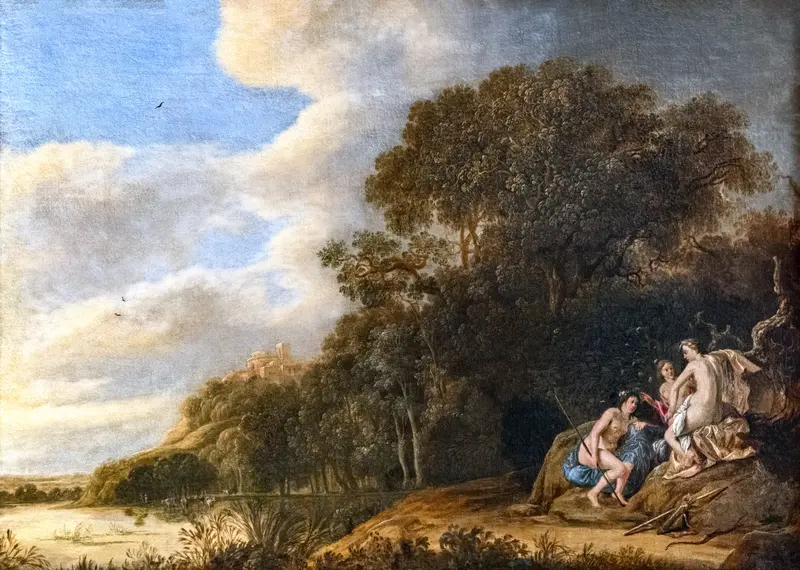
Rest of the nymphs
Alexander Keirincx
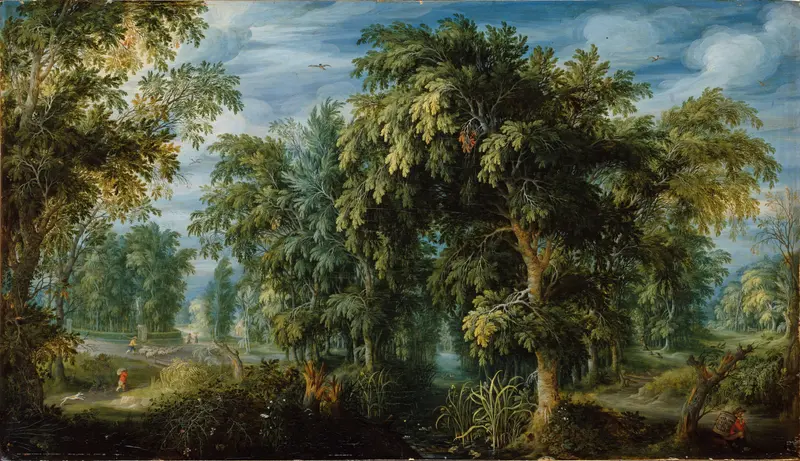
Forest landscape
Alexander Keirincx
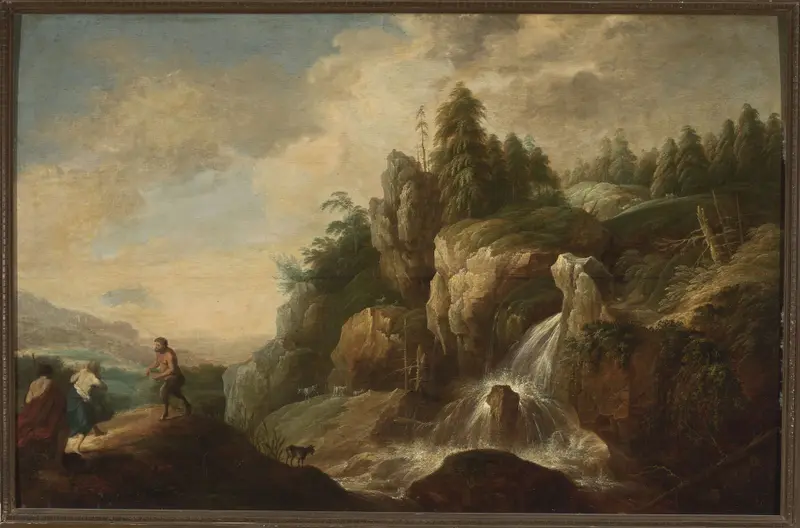
Landscape at a waterfall
Alexander Keirincx
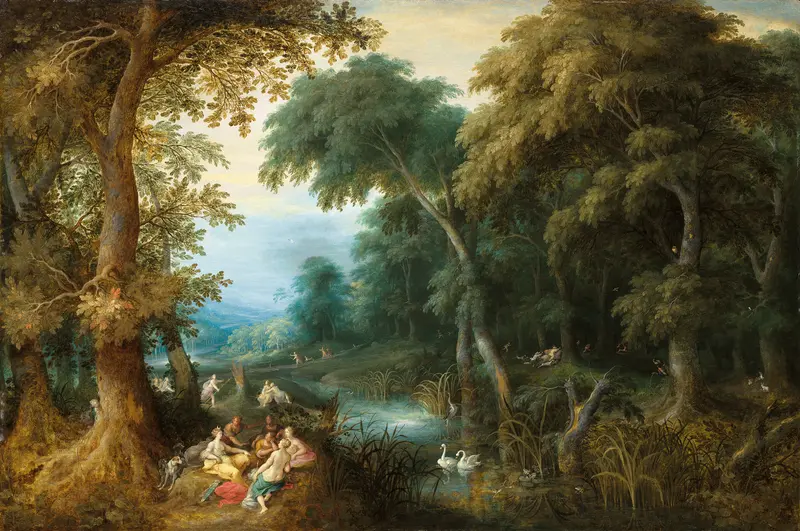
Diana and her nymphs in a wooded landscape
Alexander Keirincx
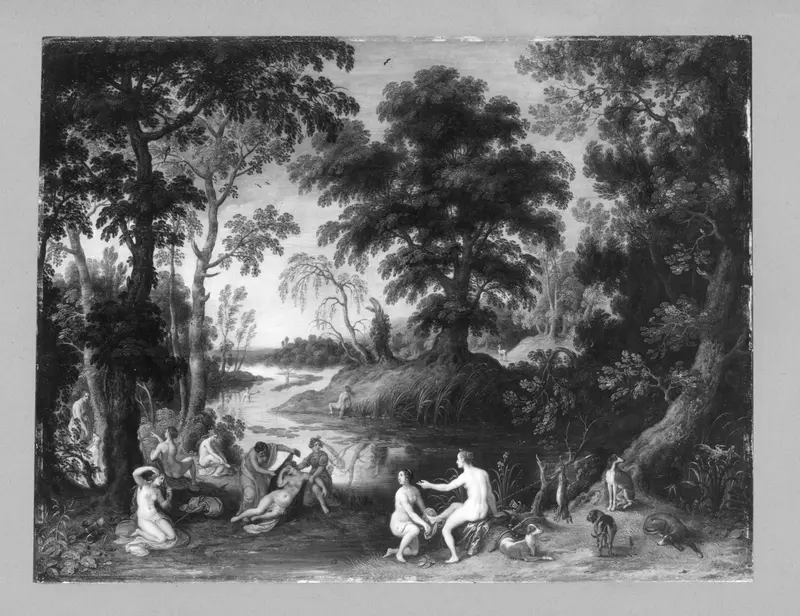
the error of Calisto
Alexander Keirincx
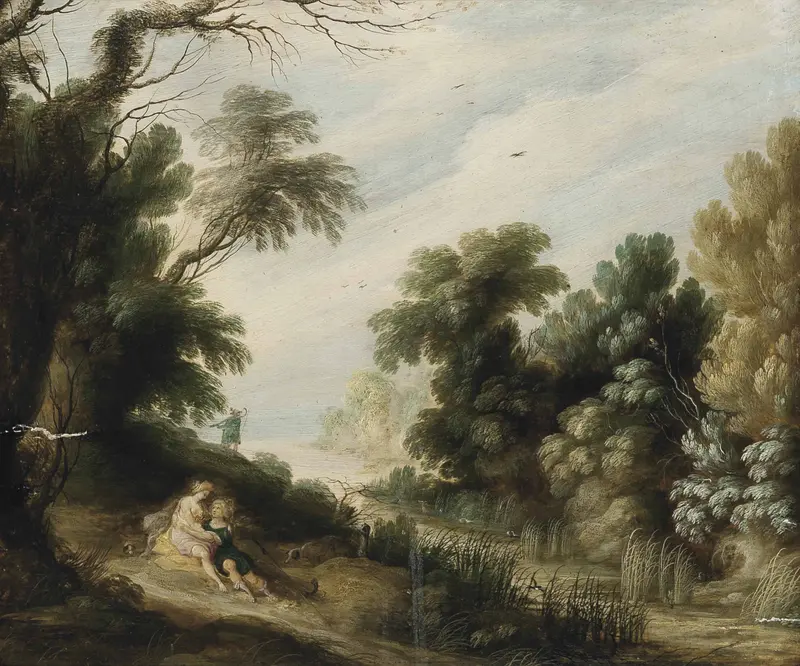
Wooded river landscape with Venus and Adonis
Alexander Keirincx
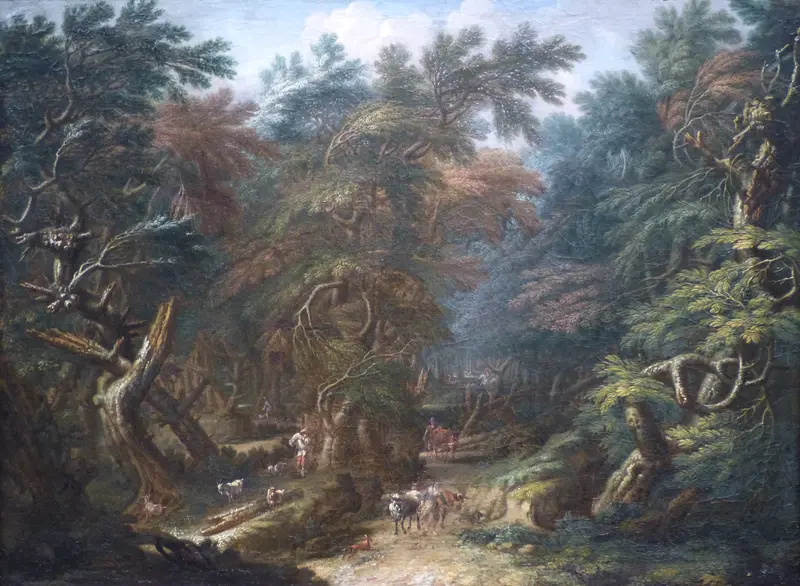
Paysage boisé avec bergers et chasse au cerf
Alexander Keirincx
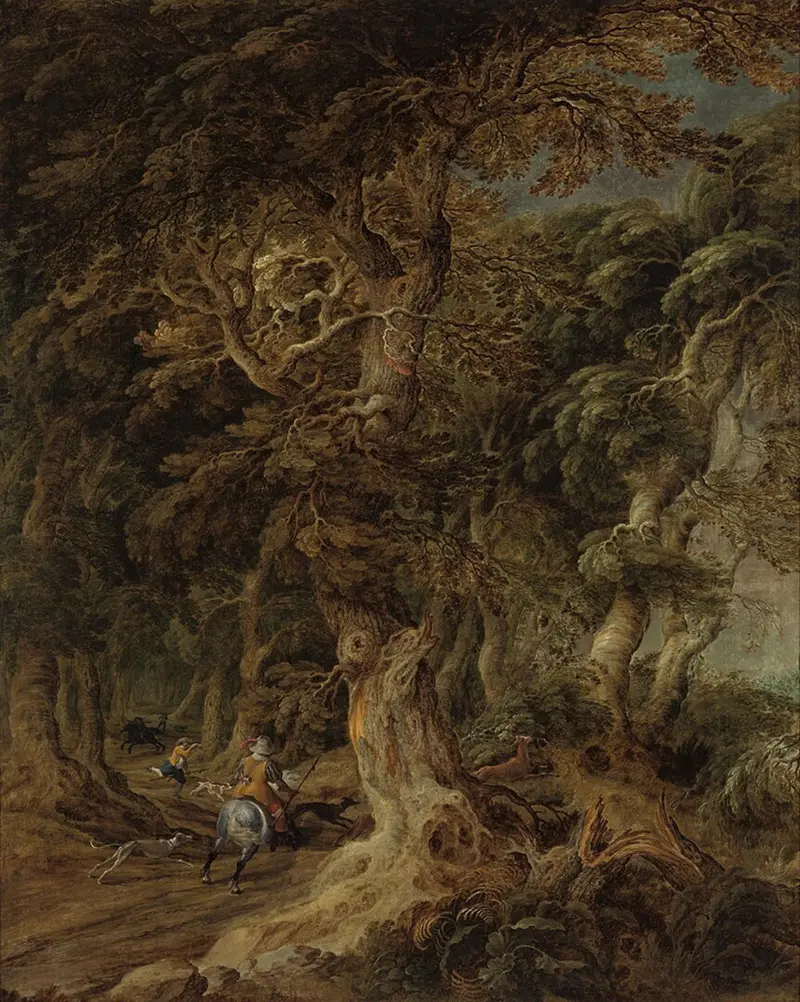
Forest View with Large Oak
Alexander Keirincx
More Landscape Art

The Starry Night
Vincent van Gogh

View of Delft
Johannes Vermeer

Water Lilies
Claude Monet

The Grand Canal, Venice, looking north-west from the Ca' Corner to the Ca' Contarini degli Scrigni, with the campanile of Santa Maria della Carità
Canaletto

Windsor Castle
Canaletto

The Grand Canal looking North-East from the Palazzo Dolfin-Manin to the Rialto Bridge
Canaletto