
Paysage avec une vachère — History & Facts
What secret hides in the quiet of the canvas? In Paysage avec une vachère, a serene pastoral scene invites contemplation, whispering tales of solitude and connection between man and nature. Look to the left at the gentle curve of the hillside where an earthy palette of greens and browns melds effortlessly, evoking the serenity of the countryside. Notice how the soft light filters through the clouds, casting ethereal shadows on the ground and illuminating the figure of the cowherd as she stands amidst the tranquil landscape. The brushstrokes dance with a fluidity that captures the essence of the moment, blending realism with an impressionistic touch that breathes life into the stillness. Delve deeper into the details and observe the juxtaposition of the solitary figure against the vastness of nature.
The cowherd, draped in humble attire, embodies a sense of endurance while her posture conveys both watchfulness and contemplation. Meanwhile, the distant trees frame this intimate scene, hinting at the broader world beyond yet emphasizing the quietude of her existence. This contrast between isolation and connection resonates deeply, reflecting the unspoken dialogue between humanity and the natural realm. In 1872, Pissarro painted Paysage avec une vachère during his time in rural France, where he sought to capture the essence of everyday life through a lens of Impressionism.
This period was marked by his dedication to portraying the beauty of landscapes while reflecting on the changing dynamics of society. With the rise of industrialization, Pissarro’s commitment to the pastoral life represented a yearning for simplicity and a return to nature, a theme that would continue to permeate his work.
More Artworks by Camille Pissarro
Browse all →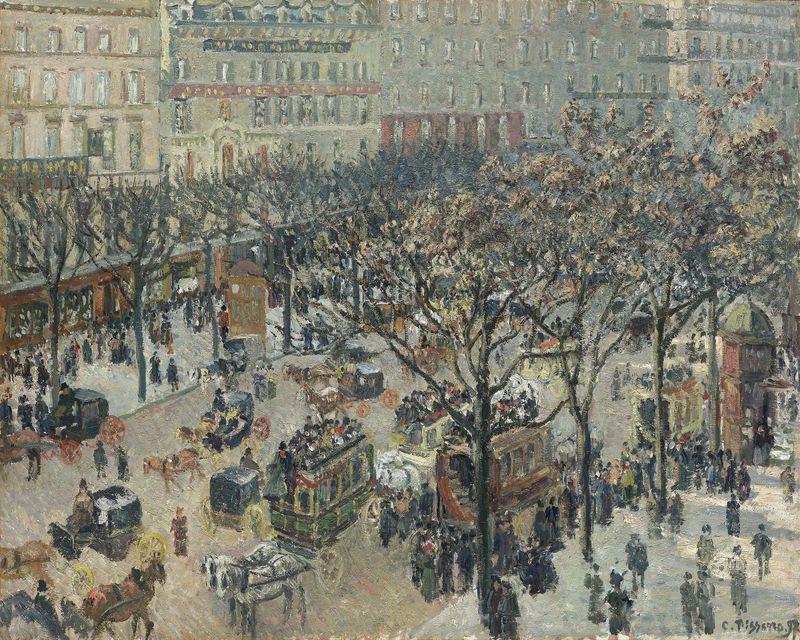
Boulevard des Italiens,Morning_Sunlight
Camille Pissarro
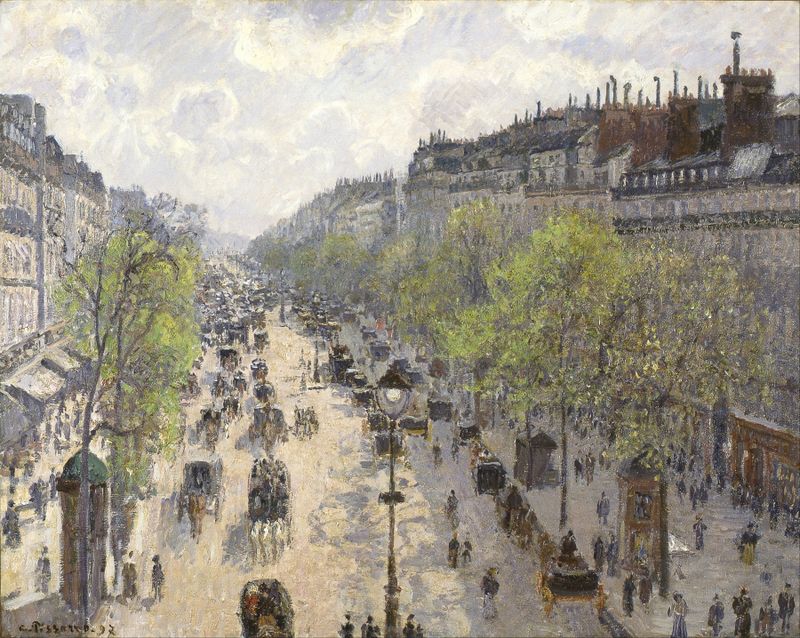
Boulevard Montmartre, Spring
Camille Pissarro
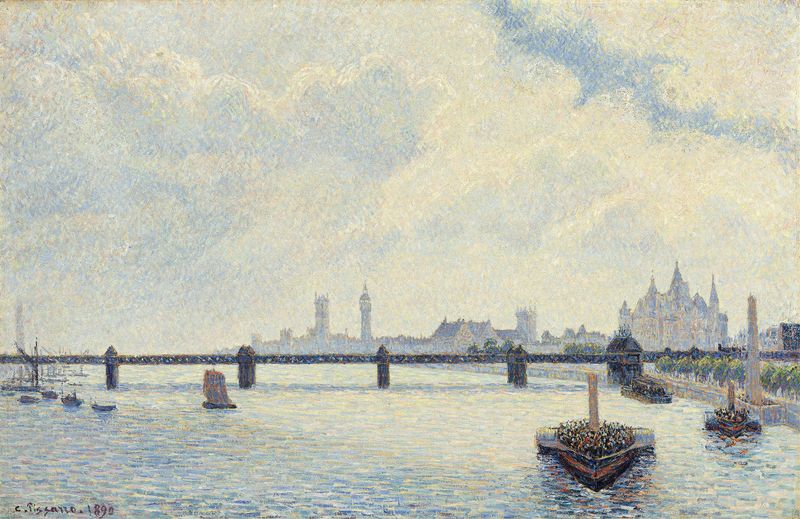
Charing Cross Bridge,London
Camille Pissarro
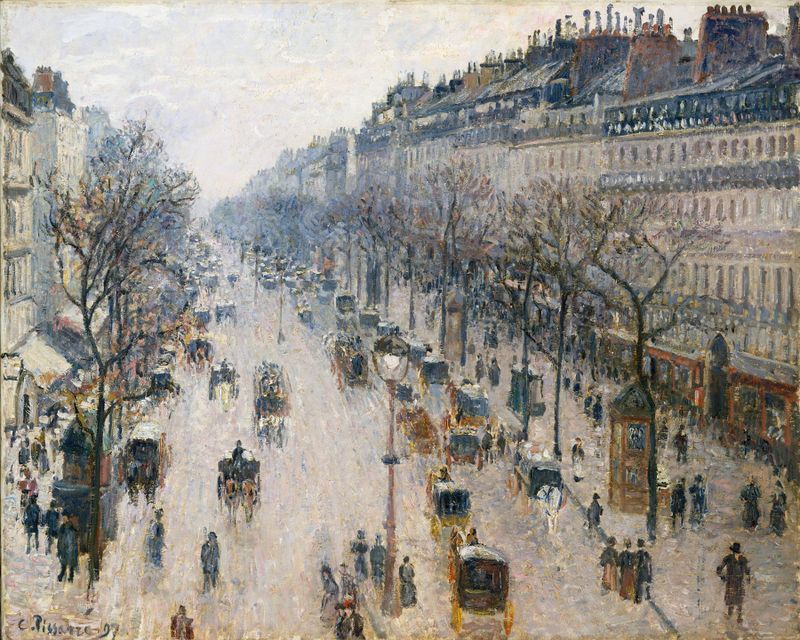
The Boulevard Montmartre on a Winter Morning
Camille Pissarro
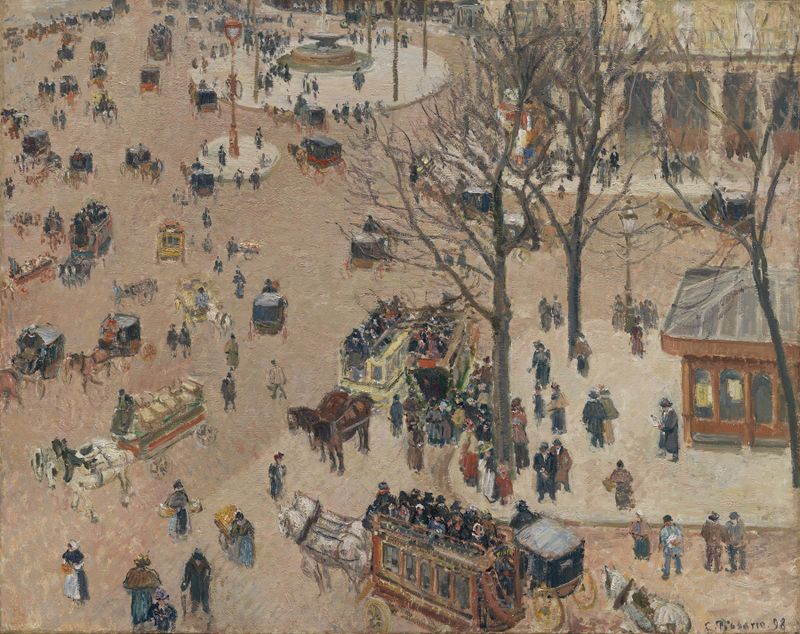
La Place du Théâtre Français
Camille Pissarro

Rue Saint-Lazare, Paris
Camille Pissarro
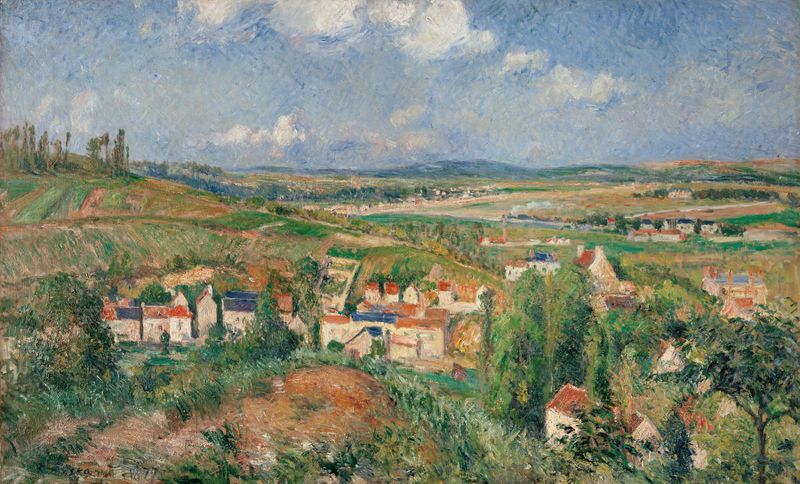
L’hermitage En Été, Pontoise
Camille Pissarro

Place du Theatre Francais,Fog Effect
Camille Pissarro
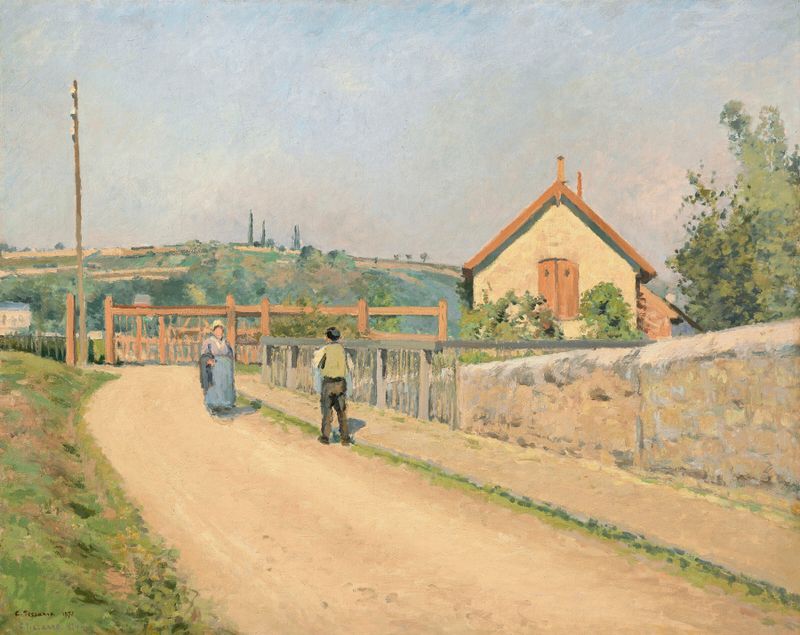
La barrière du chemin de fer, aux Pâtis près Pontoise
Camille Pissarro
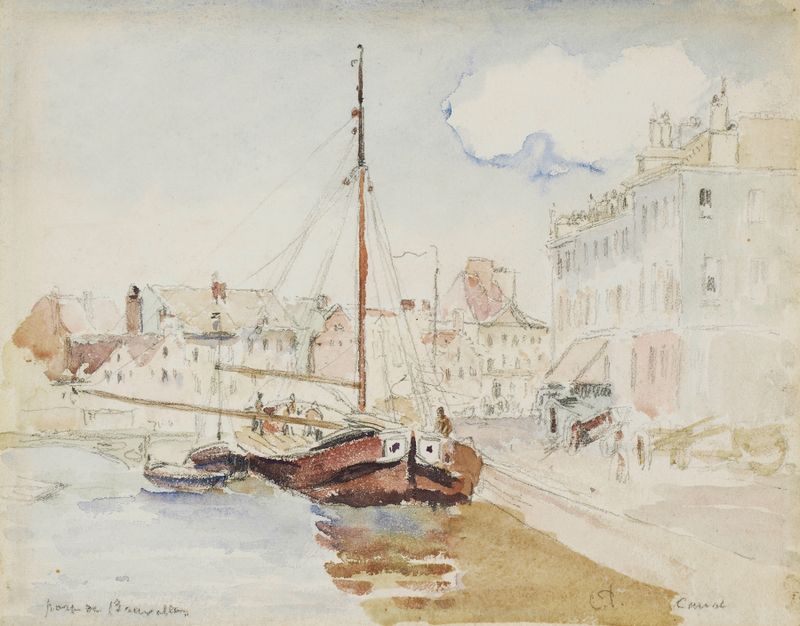
Port de Bruxelles
Camille Pissarro





