
Paysage D’hiver — History & Facts
What if silence could speak through light? In Paul Cézanne's Paysage D’hiver, the stillness of a winter landscape resonates, drawing viewers into a world where every brushstroke whispers of illusion and reality intertwined. Look to the foreground, where the gentle undulations of the snowy terrain contrast the rigid lines of bare trees. The cool blues and whites meld with warm, earthy tones, inviting exploration of the scene's depth. Notice how the light cascades across the canvas, illuminating subtle variations in texture that evoke a chilly, crisp air.
Cézanne’s careful layering invites your eye to traverse the expanse of this winter wonderland, where each element holds its place amid the tranquil composition. Beneath the serene surface lies a complex interplay of tension and harmony. The stark silhouettes of trees stand as guardians of solitude, while the soft, organic shapes of snow suggest the fleeting nature of winter. This juxtaposition of rigidity and softness creates a dialogue, revealing the artist's contemplation of permanence and transience.
Each element, from the shadows to the highlights, contributes to the illusion of a world both still and alive. Cézanne painted Paysage D’hiver in 1885 during a transformative period in his career, grappling with Impressionism while forging his own distinctive style. Working in Aix-en-Provence, he faced both personal challenges and the rising tide of modern art that was redefining traditional perspectives. This painting reflects not only his mastery of form and color but also a pivotal moment in which he sought to capture the essence of reality through the lens of his evolving vision.
More Artworks by Paul Cezanne
Browse all →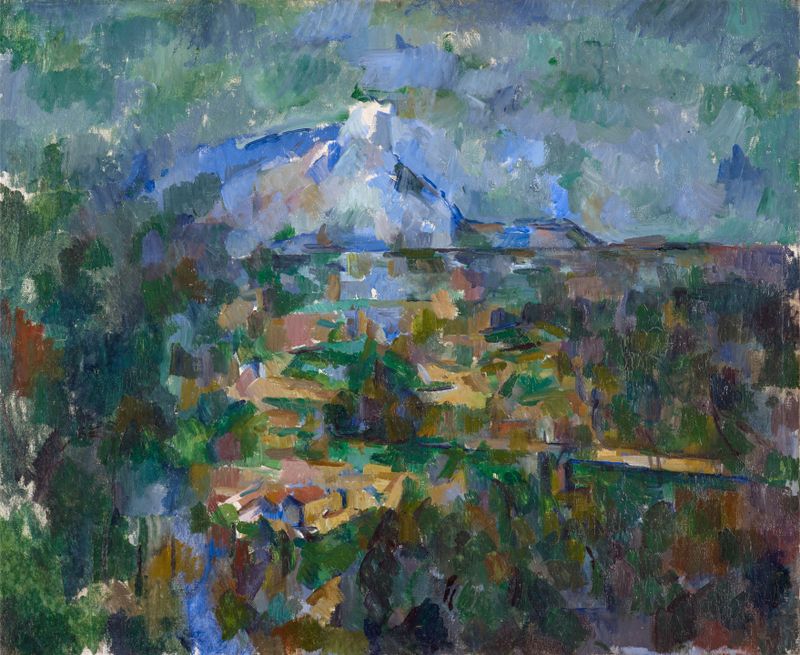
The Mont Sainte-Victoire Seen From Les Lauves
Paul Cezanne
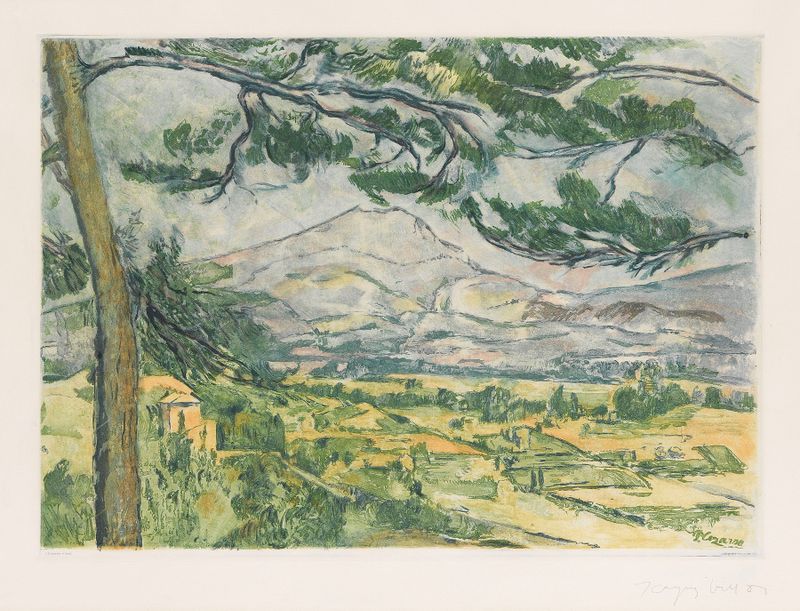
La Montagne Sainte-Victoire
Paul Cezanne
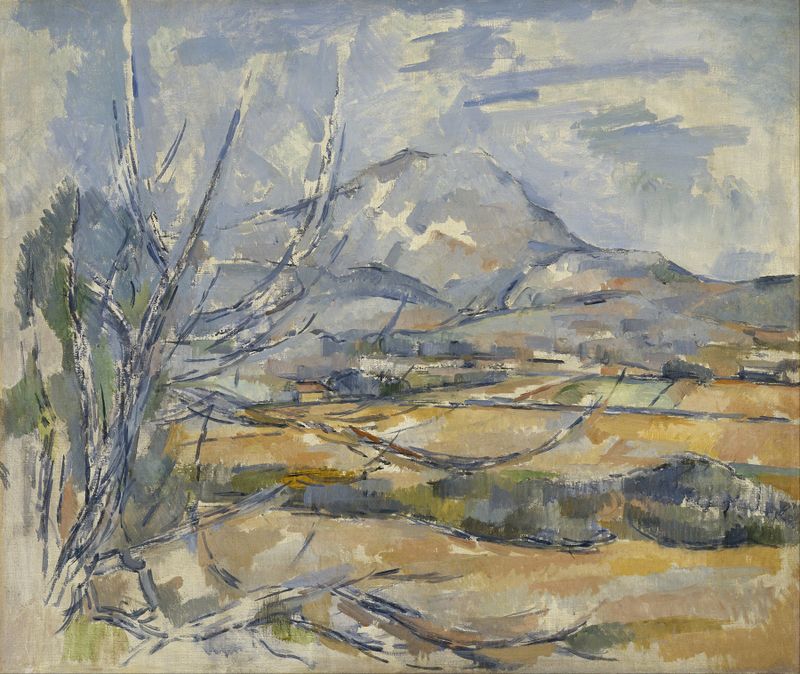
Montagne Sainte-Victoire
Paul Cezanne
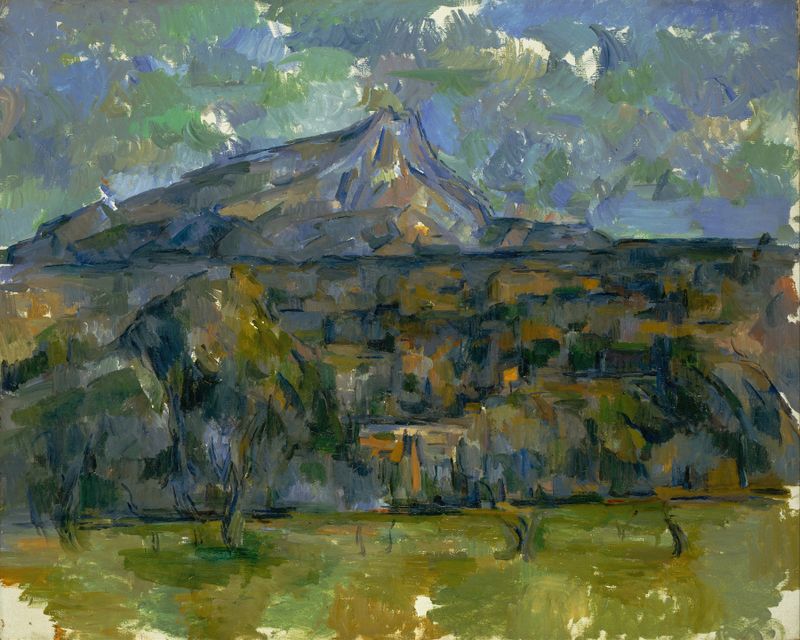
Mont Sainte-Victoire
Paul Cezanne
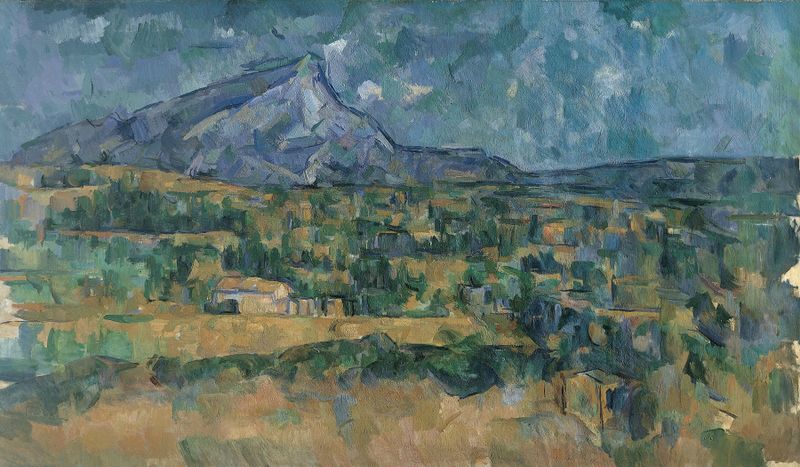
Mont Sainte-Victoire
Paul Cezanne
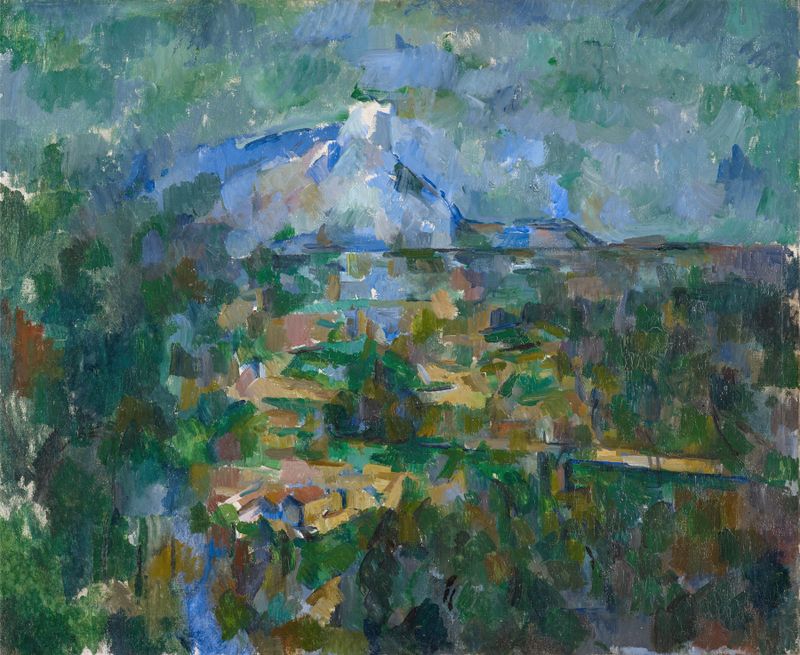
View of Mount Sainte-Victoire from Les Lauves
Paul Cezanne
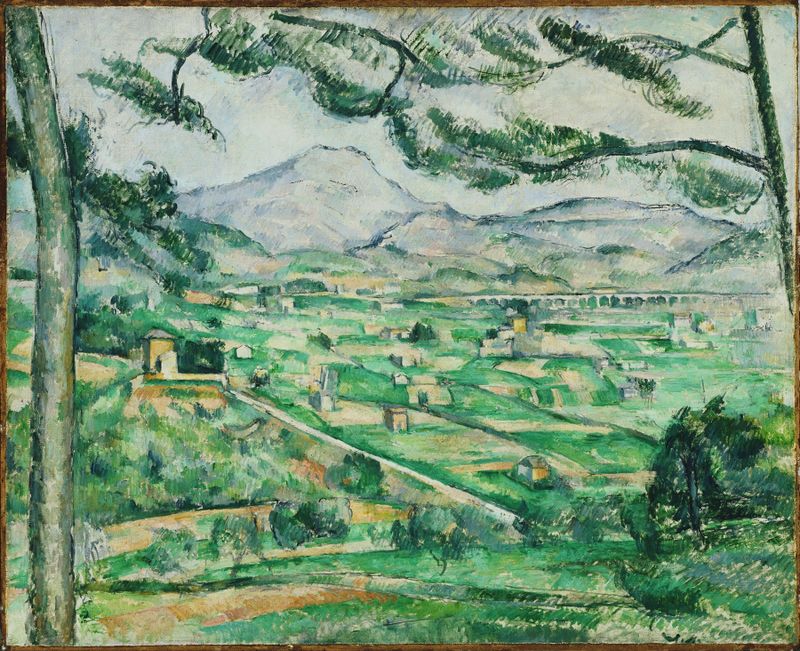
Mont Sainte-Victoire 2
Paul Cezanne

The Basket of Apples
Paul Cezanne

Mount Sainte-Victoire
Paul Cezanne
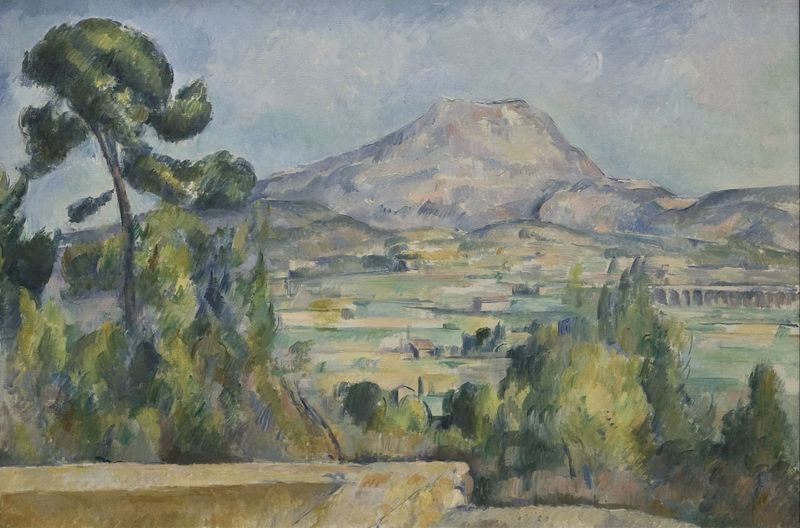
Montagne Saint-Victoire
Paul Cezanne





