
Paysage Du Midi — History & Facts
Can beauty exist without sorrow? In Paysage Du Midi, a serene landscape painted by Paul Cézanne, the answer lingers in the air, as vibrant colors whisper of joy and the shadows hint at unspoken melancholy. Look to the horizon where warm ochres meet deep greens, guiding your eye across rolling hills punctuated by clusters of trees. Notice the way the light dances over the canvas, illuminating the textured brushstrokes that create a palpable rhythm, almost like wind rustling through leaves. The composition, with its layered perspective, invites the viewer to step into this Mediterranean vista, where each hue seems to pulse with life. Yet beneath this idyllic surface lies a tension—a juxtaposition of harmony and solitude.
The bold strokes convey a sense of movement, while the quiet, almost vacant sky evokes an unsettling stillness that invites contemplation. The distant mountains loom like silent witnesses, reminding us that beauty is often intertwined with a deeper emotional landscape, where joy is tinged with the weight of existence. Cézanne painted this work in 1865, during a transformative period in his life, as he sought to carve his identity within the evolving Impressionist movement. At this time, he was grappling with personal challenges and an artistic desire to capture the essence of nature.
This painting reflects his transition, marking a pivotal moment where he began to merge emotion with observation, laying the groundwork for his later masterpieces.
More Artworks by Paul Cezanne
Browse all →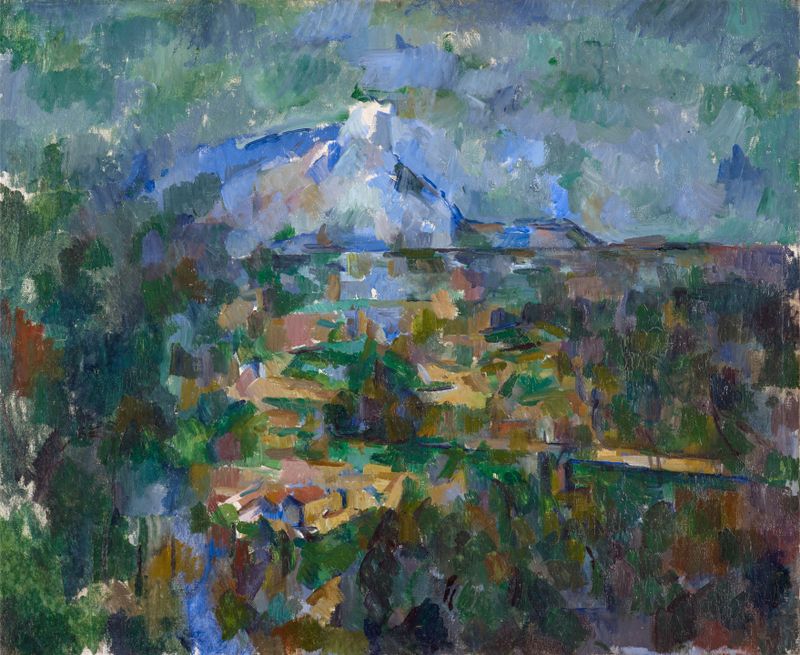
The Mont Sainte-Victoire Seen From Les Lauves
Paul Cezanne
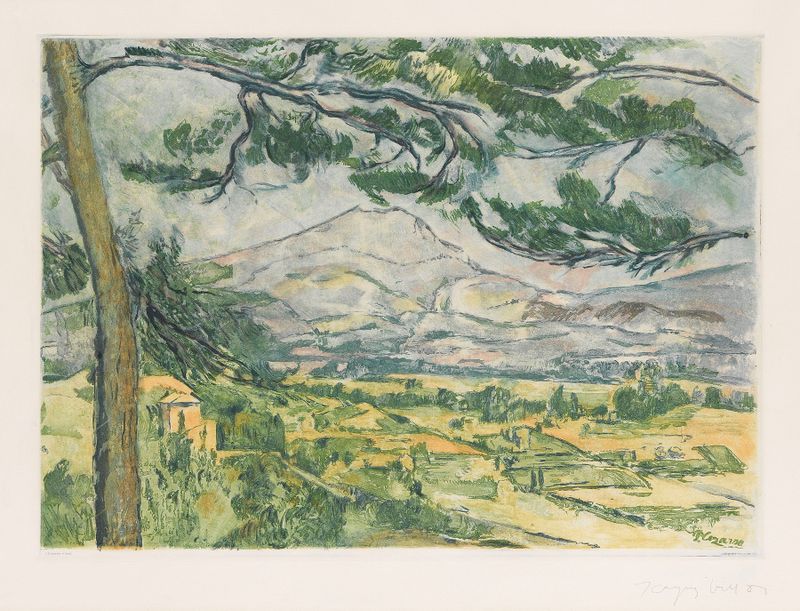
La Montagne Sainte-Victoire
Paul Cezanne
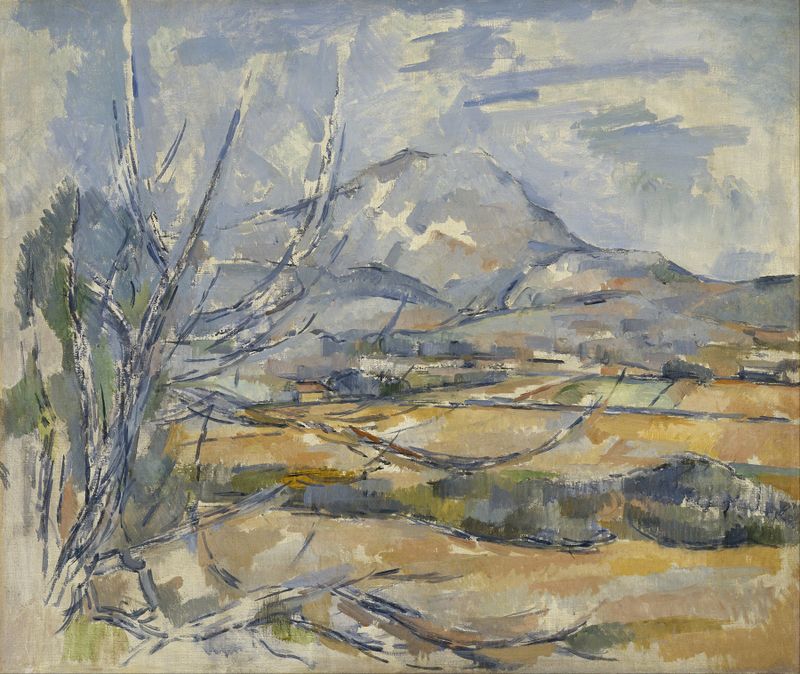
Montagne Sainte-Victoire
Paul Cezanne
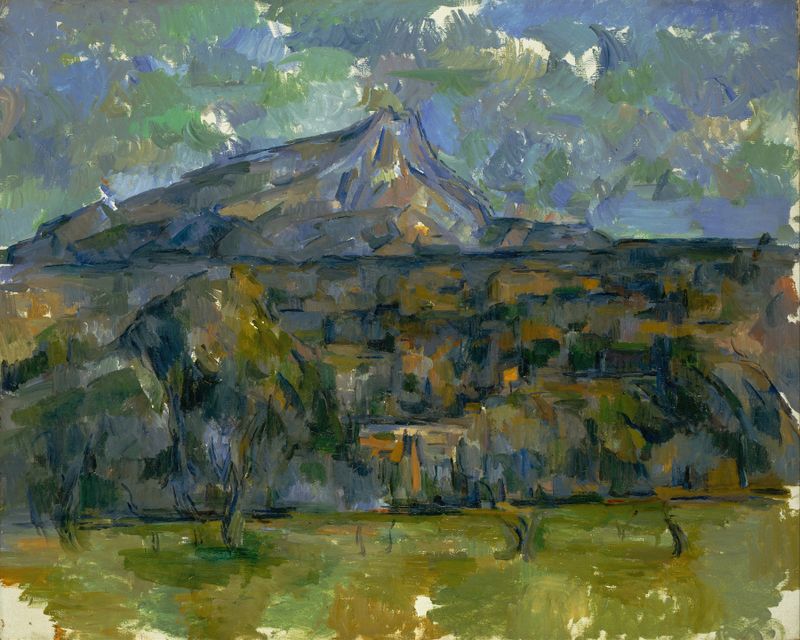
Mont Sainte-Victoire
Paul Cezanne
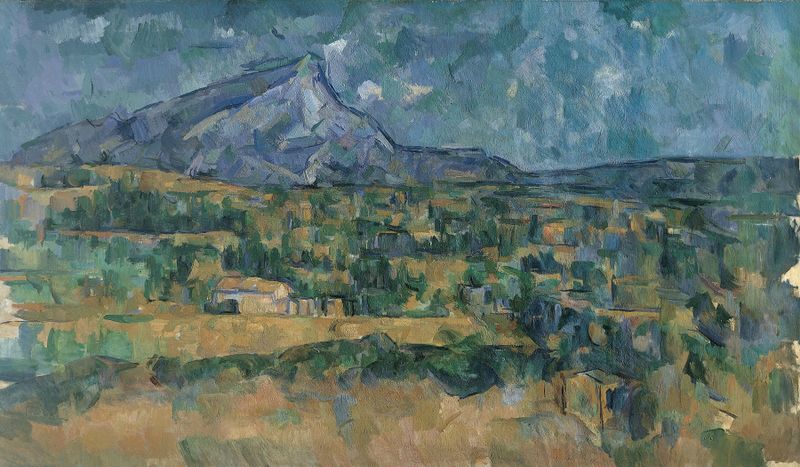
Mont Sainte-Victoire
Paul Cezanne
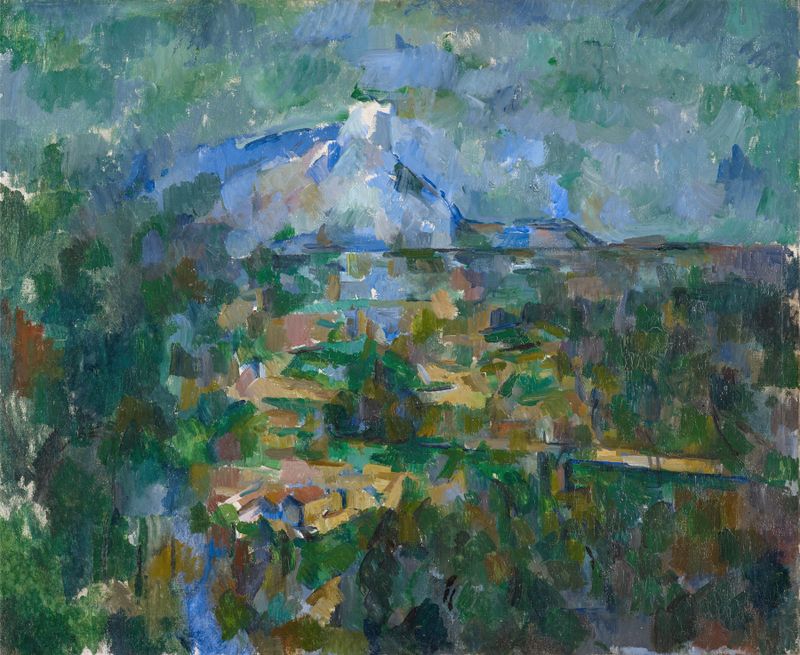
View of Mount Sainte-Victoire from Les Lauves
Paul Cezanne
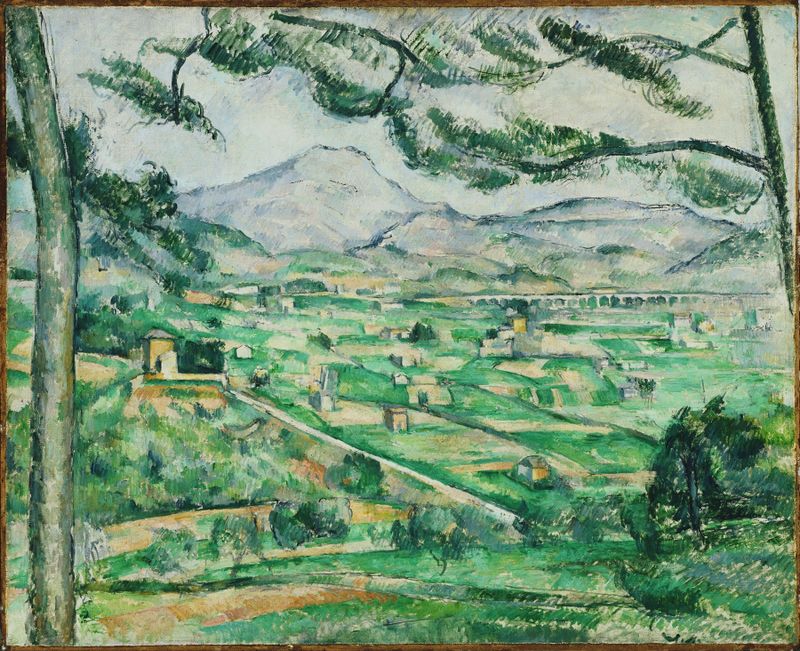
Mont Sainte-Victoire 2
Paul Cezanne

The Basket of Apples
Paul Cezanne

Mount Sainte-Victoire
Paul Cezanne
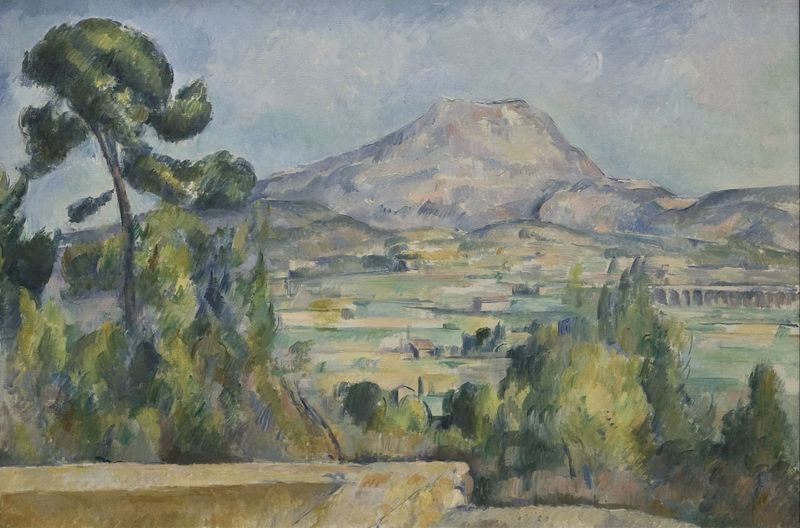
Montagne Saint-Victoire
Paul Cezanne





