
Paysage rose — History & Facts
When Paysage rose appeared in 1886, it marked one of the earliest moments when Georges Seurat applied his radical technique of pointillism to a pure landscape. While Seurat is celebrated for his grand urban scenes, this work stands out as a rare foray into countryside subject matter at the very moment he was finalizing his magnum opus, A Sunday Afternoon on the Island of La Grande Jatte. Critics at the final Impressionist Exhibition of 1886 were divided; some, like Félix Fénéon, saw in these landscapes “the promise of a new science of color.” The painting’s title, which translates as “Pink Landscape,” hints at the experimental use of color that would become Seurat’s signature. The scene captures a tranquil stretch of rural France at either dawn or dusk, the fields and sky suffused with a gentle pink glow.
The eye is drawn to the rhythmic arrangement of trees and hedges, each rendered in small, precise dots of pigment that blend from a distance into soft, vibrating hues. The pinks and greens are not naturalistic but carefully calculated, reflecting Seurat’s interest in optical theory and the emotional resonance of color. Unlike the bustling figures of La Grande Jatte, here the land itself is the protagonist, its forms simplified and harmonized.
Compared to the atmospheric landscapes of Claude Monet, Seurat’s approach is more analytical, each brushstroke a deliberate experiment in perception. The medium of Paysage rose is not definitively recorded, though it is likely oil on canvas, as with most of Seurat’s works from this period. Its early provenance is unclear; it was not among the large canvases that drew crowds in Paris, and for years it remained in private hands, surfacing only occasionally in exhibitions. Today, the painting is recognized as a key example of Seurat’s transition from Impressionism to the more systematic approach of Neo-Impressionism.
It offers a glimpse into the artist’s restless search for order and harmony in nature, and stands as a testament to a moment when the possibilities of color and form were being reimagined.
More Artworks by Georges Seurat
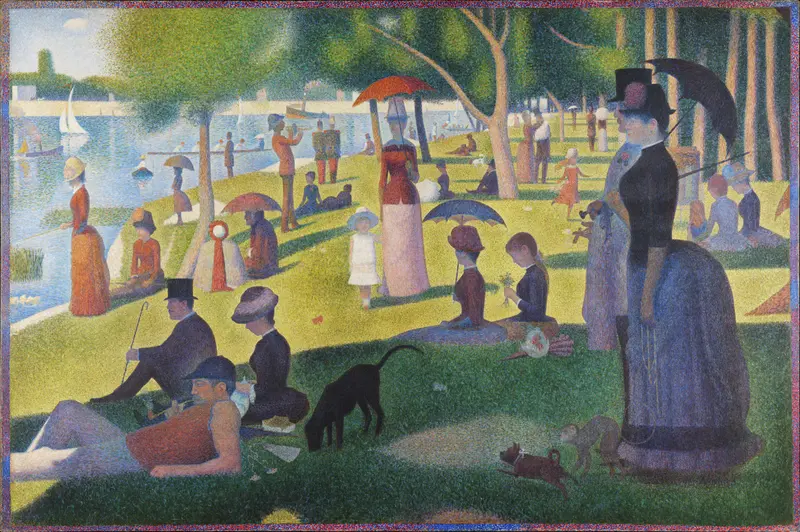
A Sunday Afternoon on the Island of La Grande Jatte
Georges Seurat
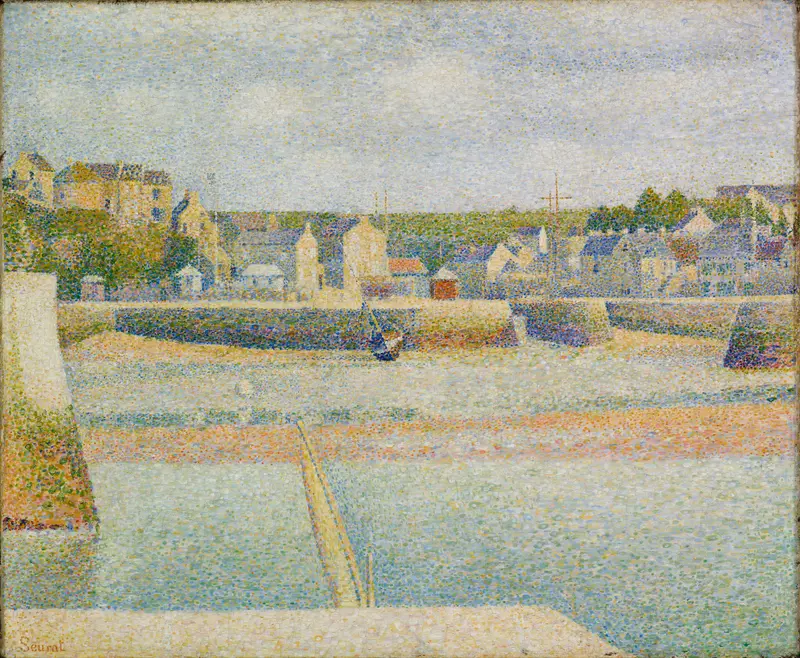
Port-en-Bessin, The Outer Harbor (Low Tide)
Georges Seurat
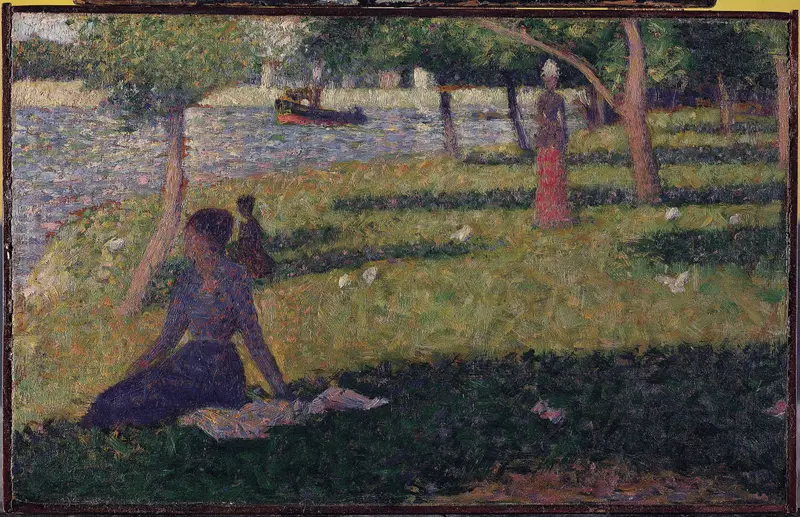
Étude pour ‘La Grande Jatte’ (Study for ‘La Grande Jatte’)
Georges Seurat
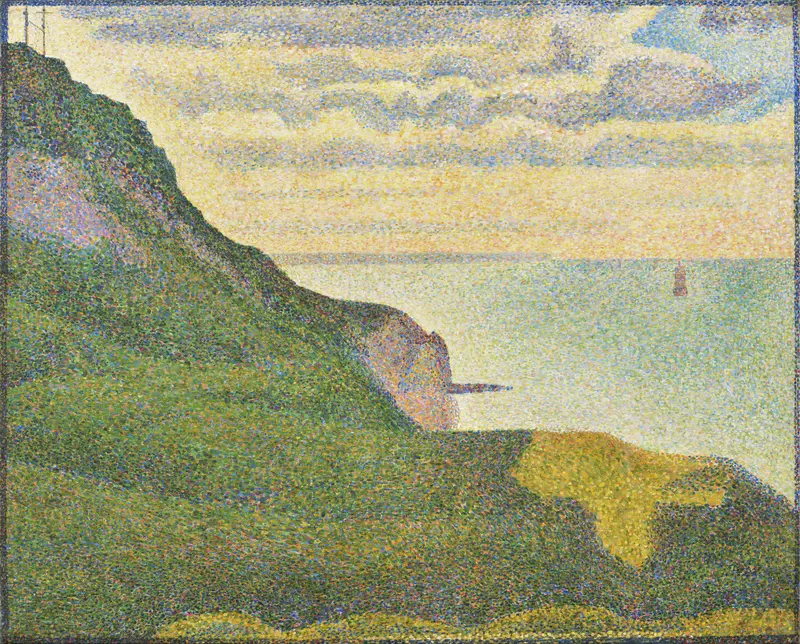
Seascape at Port-en-Bessin,Normandy
Georges Seurat
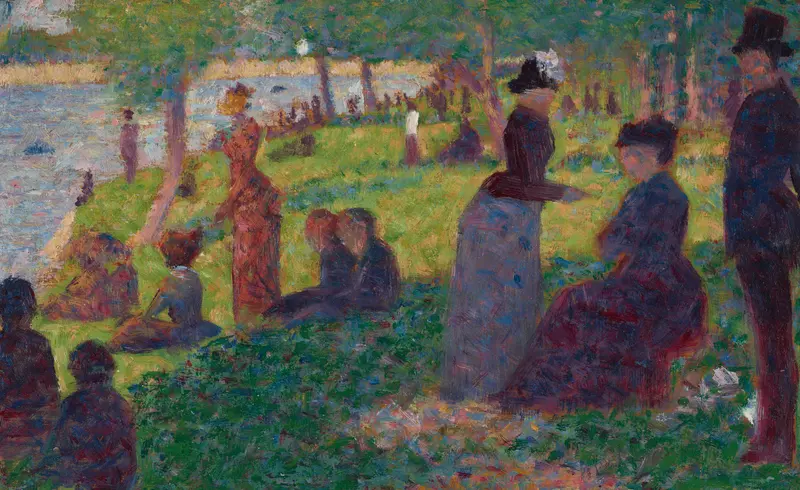
Oil Sketch for "A Sunday on La Grande Jatte — 1884"
Georges Seurat
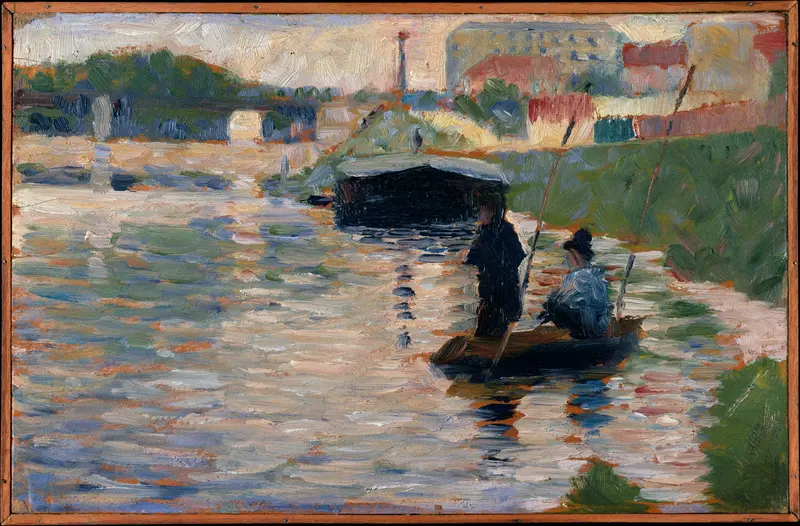
View of the Seine
Georges Seurat
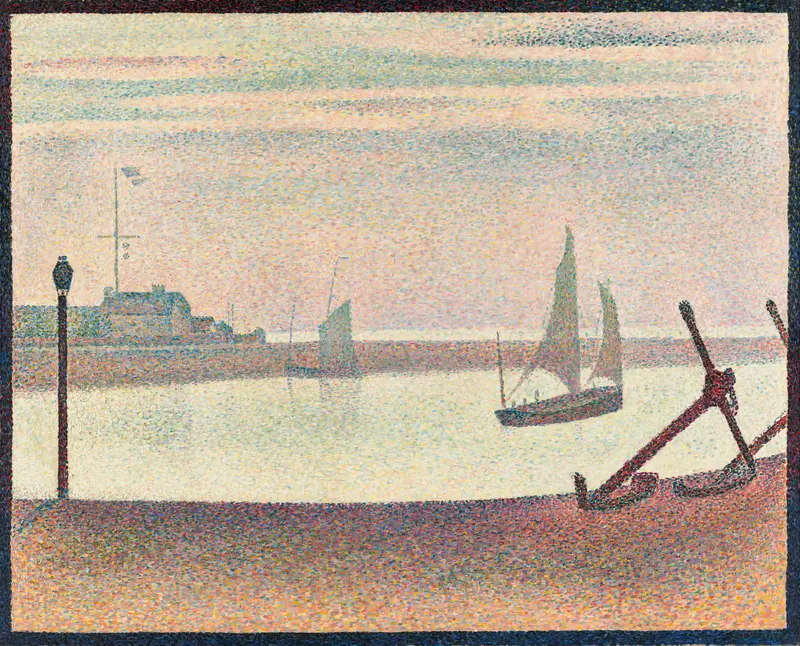
The Channel at Gravelines, Evening
Georges Seurat
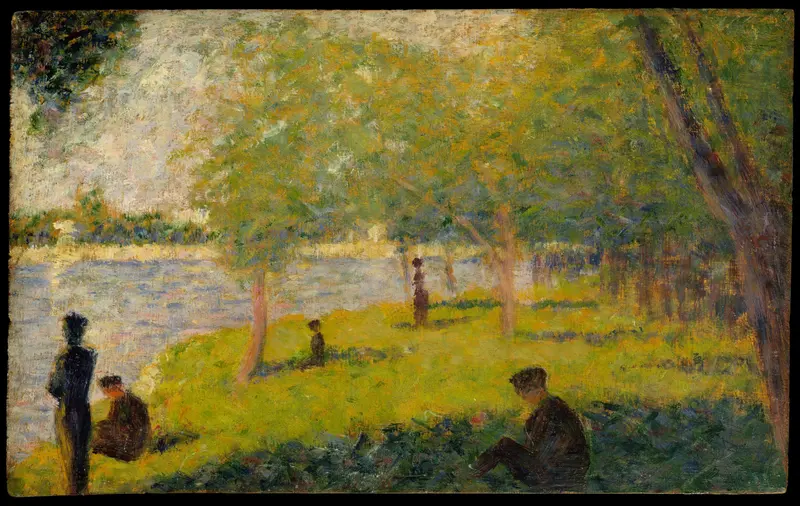
Study for ‘A Sunday on La Grande Jatte’
Georges Seurat
Study for A Sunday on La Grande Jatte
Georges Seurat
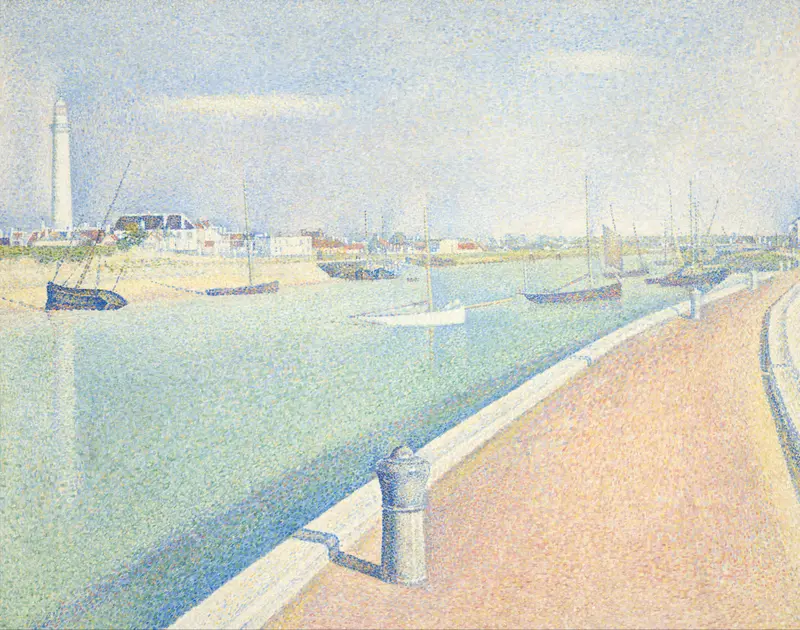
The Channel of Gravelines, Petit Fort Philippe
Georges Seurat
More Landscape Art

The Starry Night
Vincent van Gogh

View of Delft
Johannes Vermeer

Water Lilies
Claude Monet

The Grand Canal, Venice, looking north-west from the Ca' Corner to the Ca' Contarini degli Scrigni, with the campanile of Santa Maria della Carità
Canaletto

Windsor Castle
Canaletto

The Grand Canal looking North-East from the Palazzo Dolfin-Manin to the Rialto Bridge
Canaletto