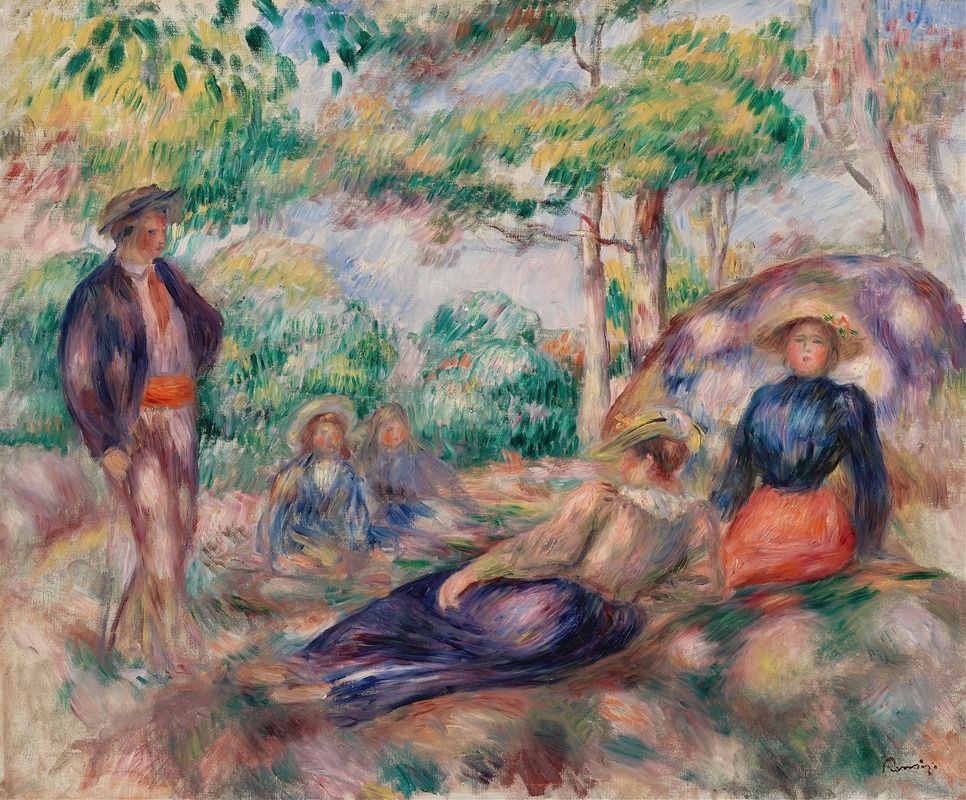
Discover insights about this artwork
Peasant digging — History & Facts
In Peasant Digging, Jean-François Millet captures a solitary figure of a peasant engaged in the act of digging. The colors are earthy, with browns and greens dominating the palette, reflecting the rural landscape. The setting is a field, likely representing the agrarian life of 19th-century France.
The peasant's posture conveys a sense of hard work and determination. The painting is executed in oil on canvas, a common medium for Millet's works. The brushwork is loose yet deliberate, allowing for a textured surface that enhances the realism of the scene. The dimensions are approximately 60 x 80 cm, making it a medium-sized painting that invites viewers to engage closely with the subject.
The use of light and shadow adds depth and dimension to the figure and the surrounding environment. Jean-François Millet was a key figure in the Realism movement, focusing on the lives of peasants and rural laborers. Peasant Digging exemplifies his commitment to portraying the dignity of labor and the struggles of the working class. An interesting fact about this work is that it reflects Millet's own background as the son of a farmer, which deeply influenced his artistic vision.
This painting remains a significant representation of the social changes occurring in France during the 19th century.
More Artworks by Jean-François Millet

Gleaners
Jean-François Millet

Starry Night
Jean-François Millet
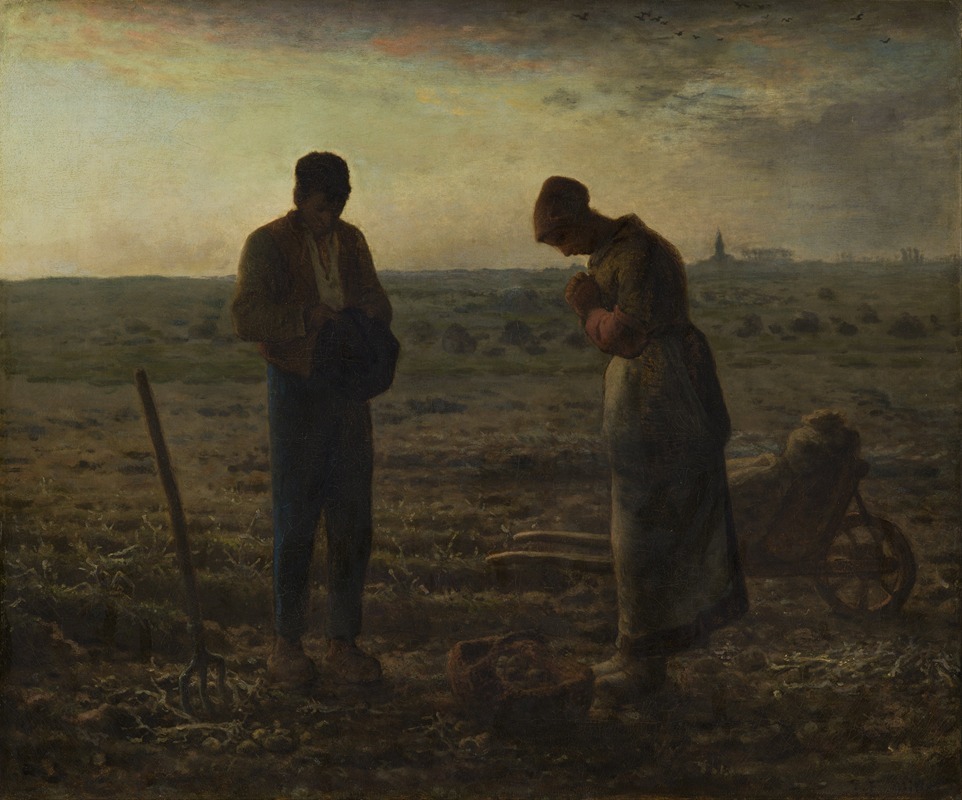
The Angelus
Jean-François Millet
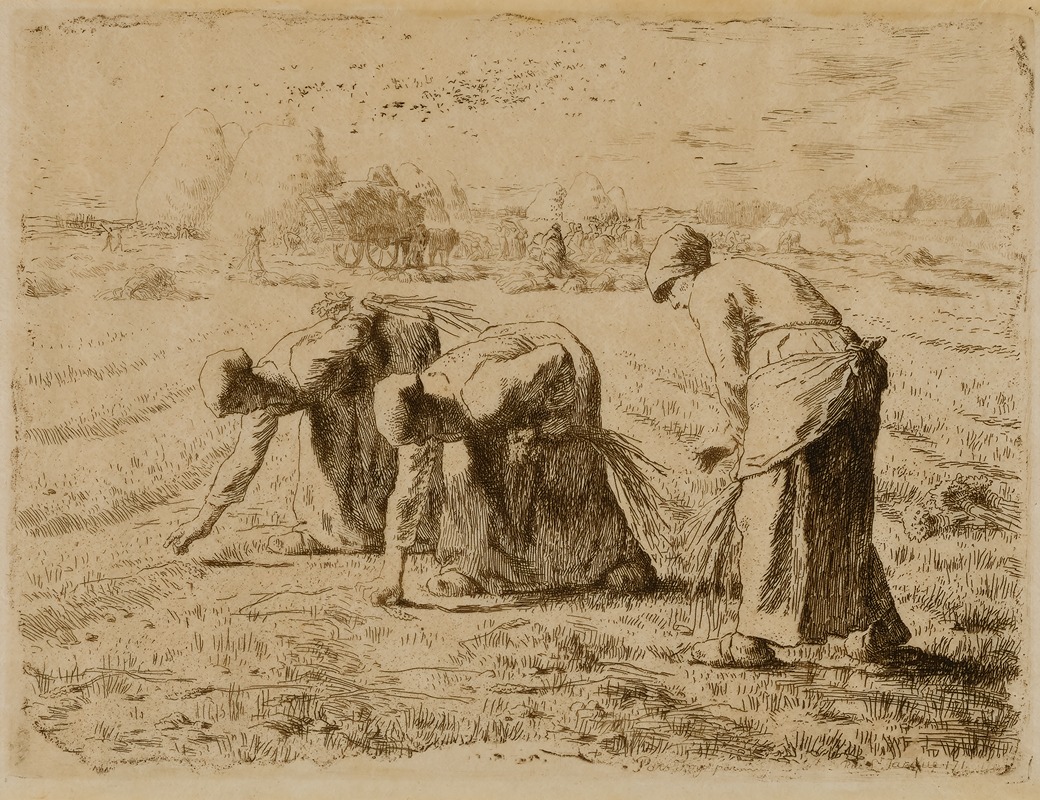
The Gleaners
Jean-François Millet
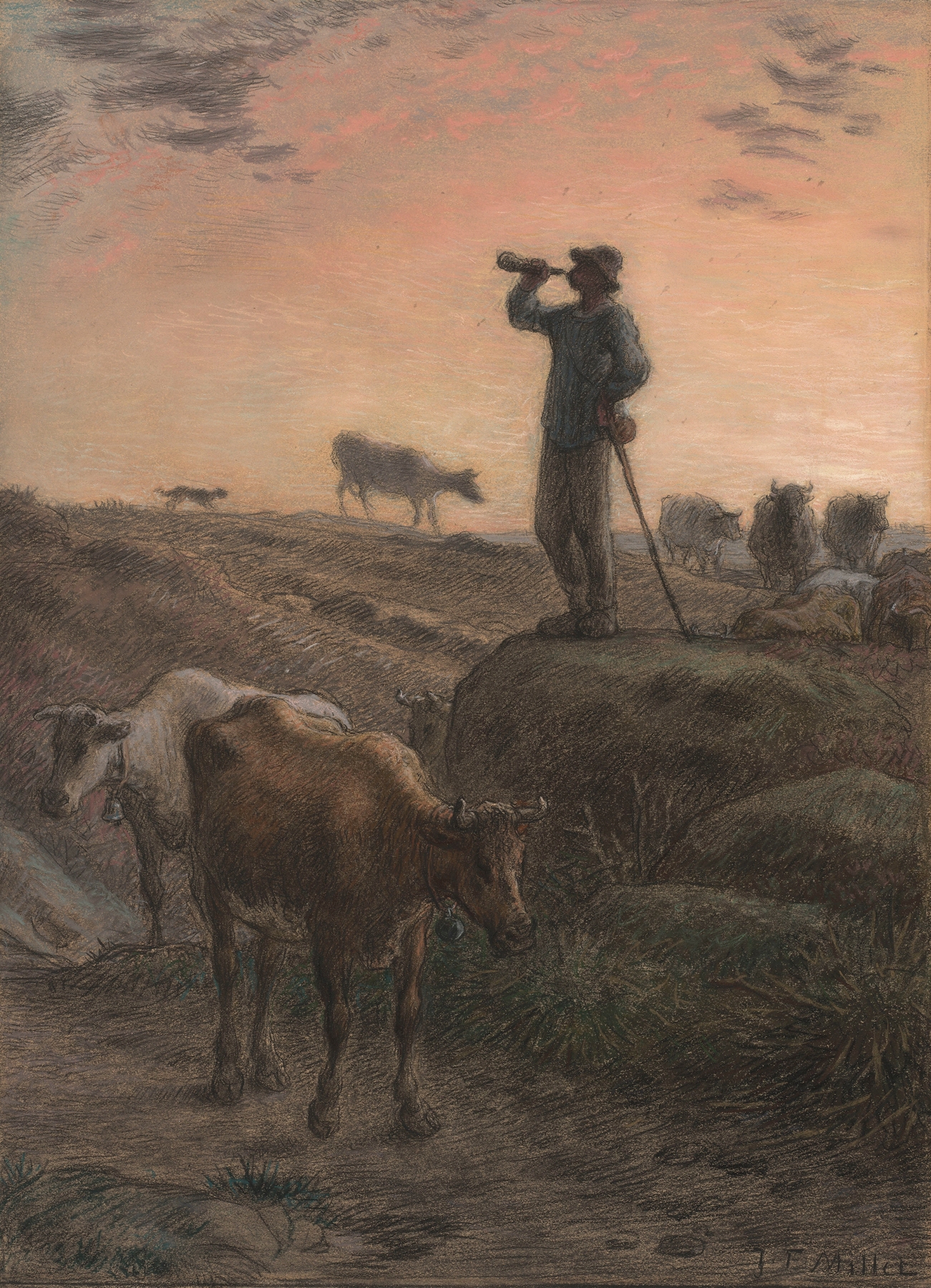
Calling Home the Cows
Jean-François Millet
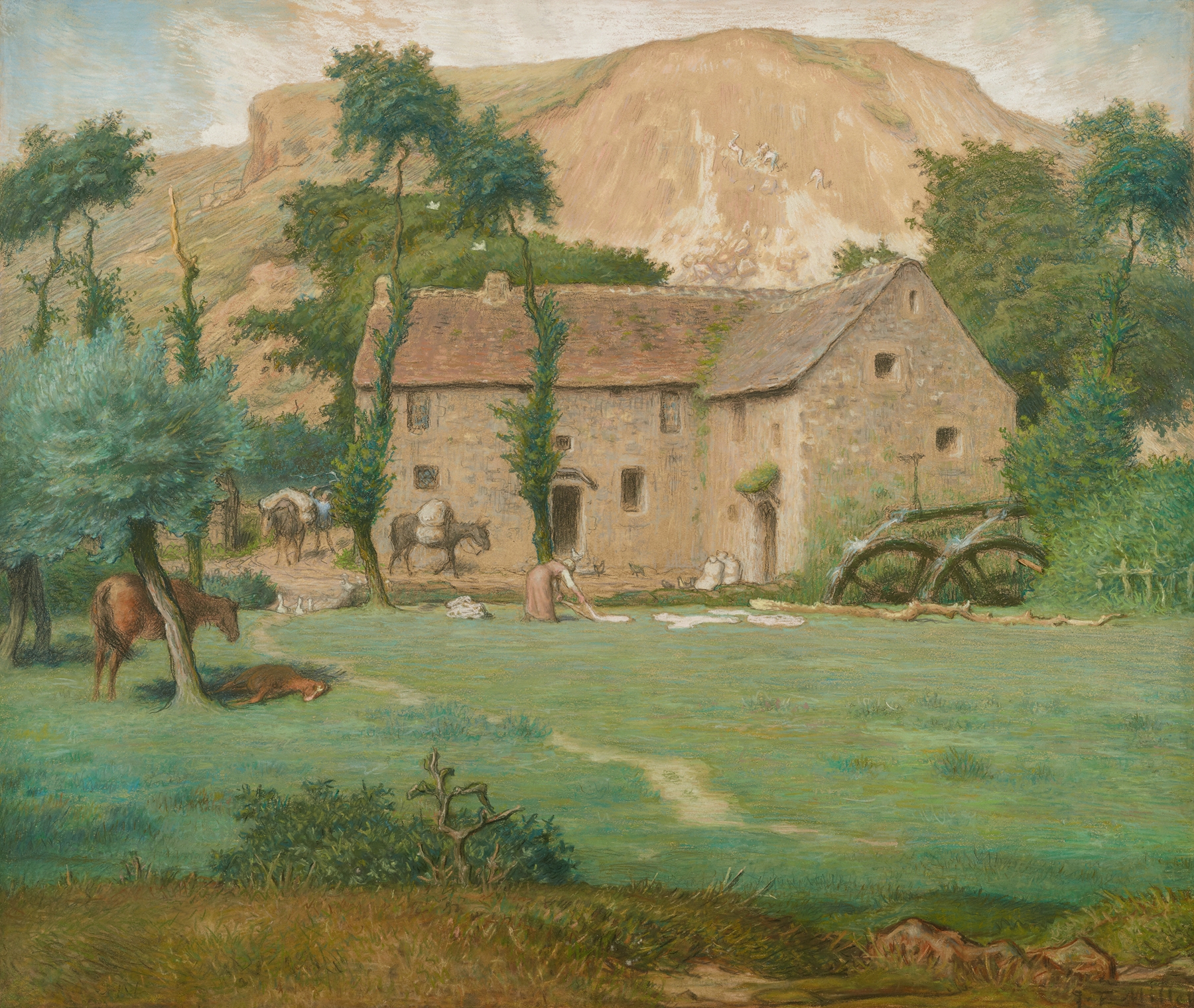
Watermill at the Foot of a Mountain, Allier
Jean-François Millet
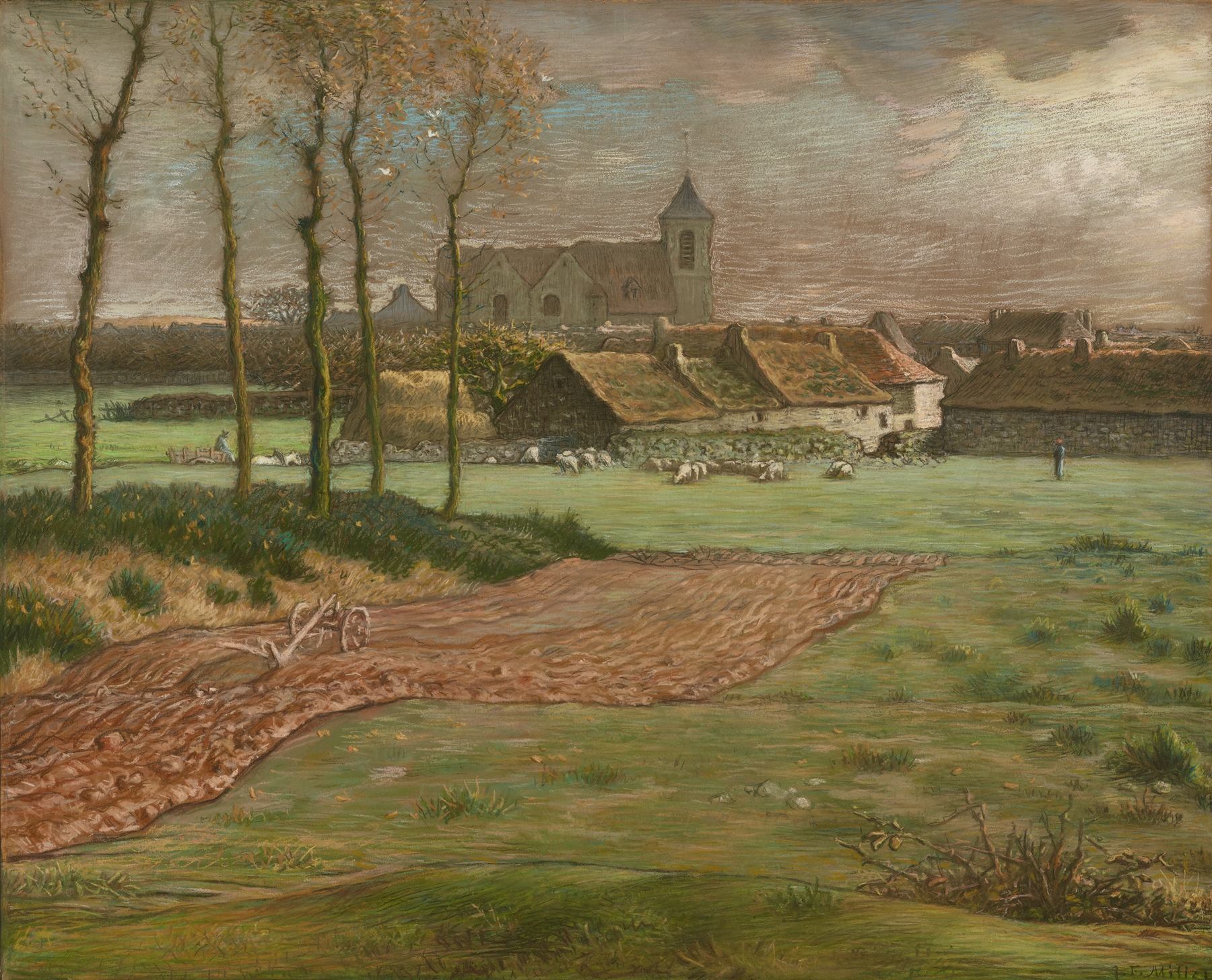
The Church at Chailly
Jean-François Millet
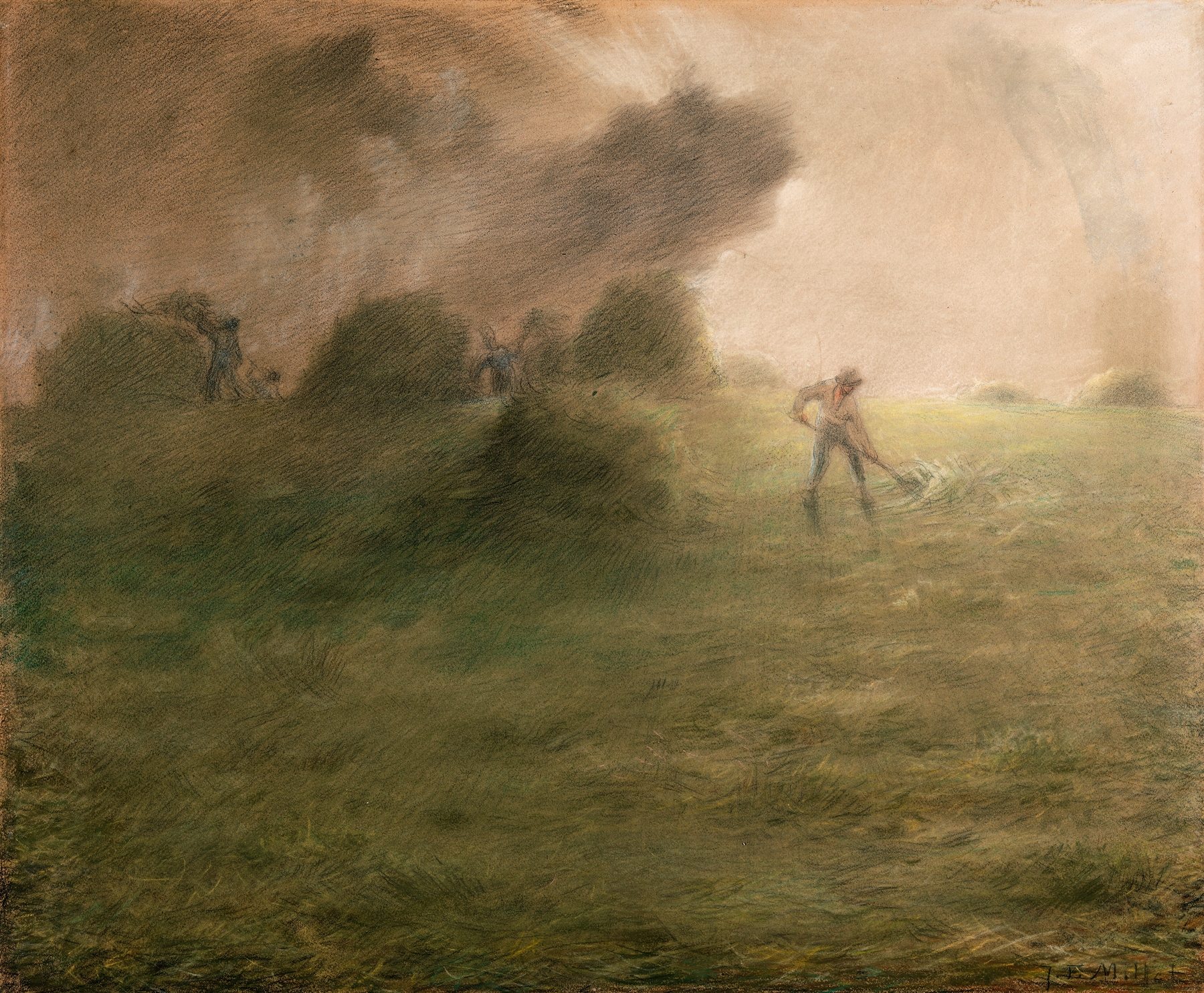
A Storm during Haymaking
Jean-François Millet
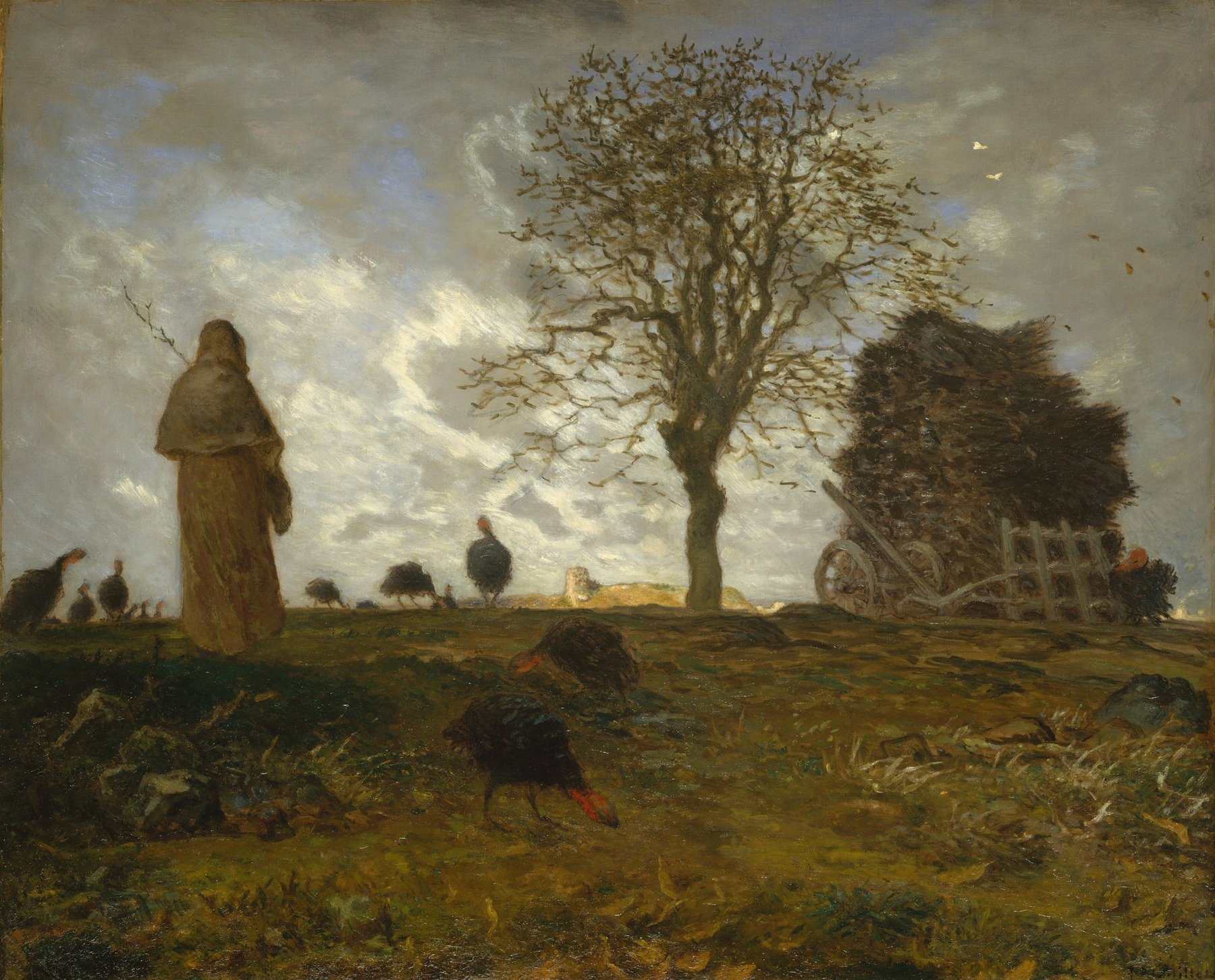
Autumn Landscape with a Flock of Turkeys
Jean-François Millet
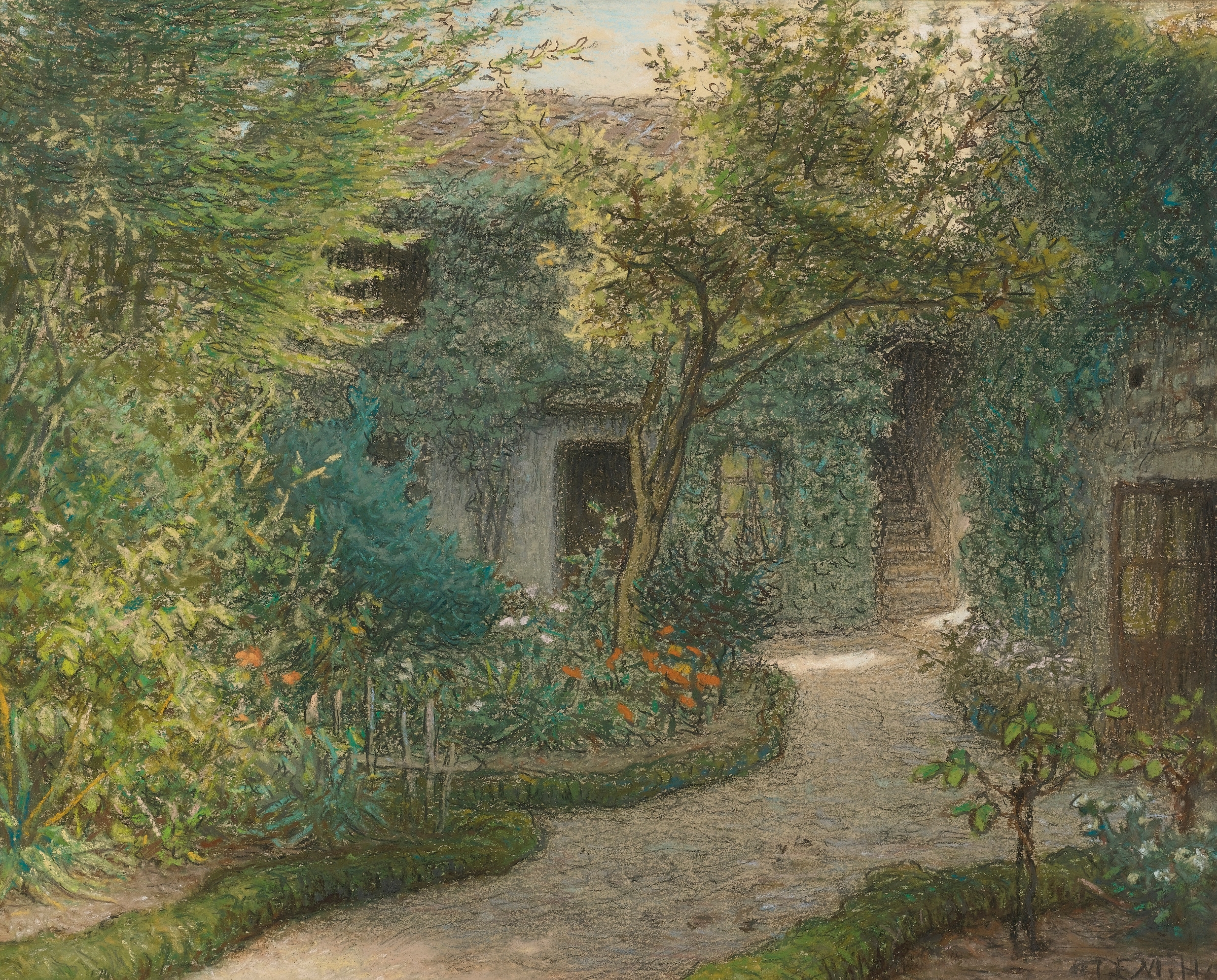
Théodore Rousseau’s House In Barbizon
Jean-François Millet