
Peasant girl before a shrine. — History & Facts
The first thing that draws the eye in Peasant girl before a shrine is the quiet drama of devotion set against a vast, sunlit landscape. The young woman stands with hands clasped in prayer, her head crowned with a riot of flowers and ribbons, her gaze lifted to a weathered roadside cross wreathed in tall hollyhocks. The artist leads us gently from the intricate embroidery of her apron to the wild tangle of green and pink, then out across the rolling fields to a distant town shimmering under a calm sky.
The scene is hushed, but alive: birds wheel overhead, and a small procession of villagers approaches along the path, hinting at a shared ritual just beyond the frame. Every detail—the pressed folds of her shawl, the delicate lace, the rough wood of the shrine—signals both the dignity of rural tradition and the intimacy of a private moment made public. Painted in 1894, this work belongs to a world where artists like Antoni Kozakiewicz turned their gaze to the rhythms and rituals of peasant life, capturing a Poland on the cusp of modernity yet anchored in centuries-old custom. Such images were cherished by collectors and national museums alike, serving both as records of vanishing ways and as quiet acts of cultural affirmation in a divided land.
The presence of this painting in the National Museum in Warsaw today is a testament to the enduring power of these scenes to speak across time—inviting us to linger, to read the landscape, and to imagine the prayers carried on the evening air.
More Artworks by Antoni Kozakiewicz

Gypsies
Antoni Kozakiewicz
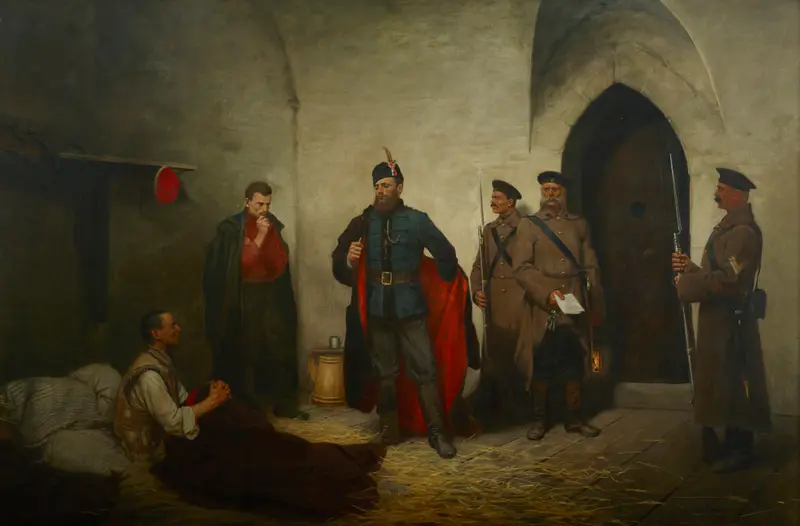
"I Don't Care What the Punishment Will Be"
Antoni Kozakiewicz
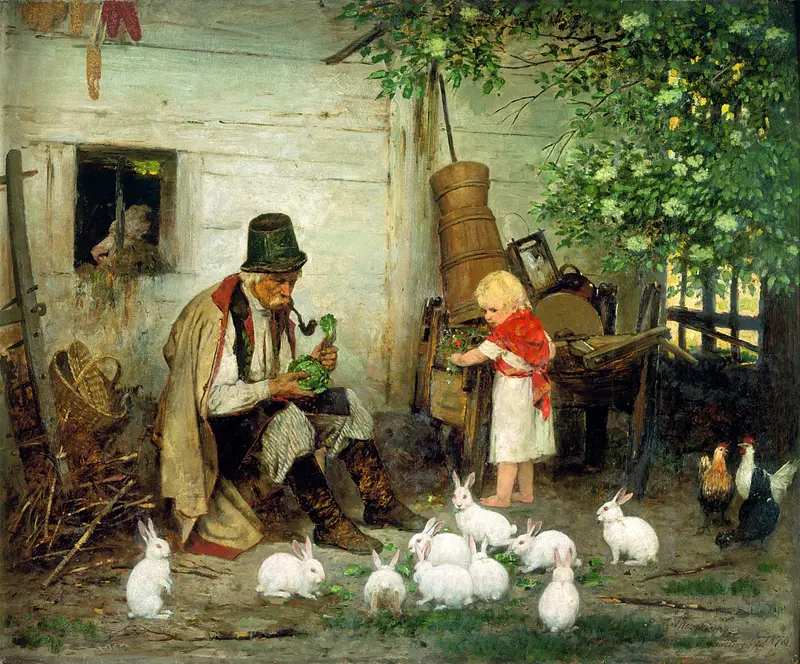
Maciej, król nad króle ("Pan Tadeusz", Księga VI)
Antoni Kozakiewicz
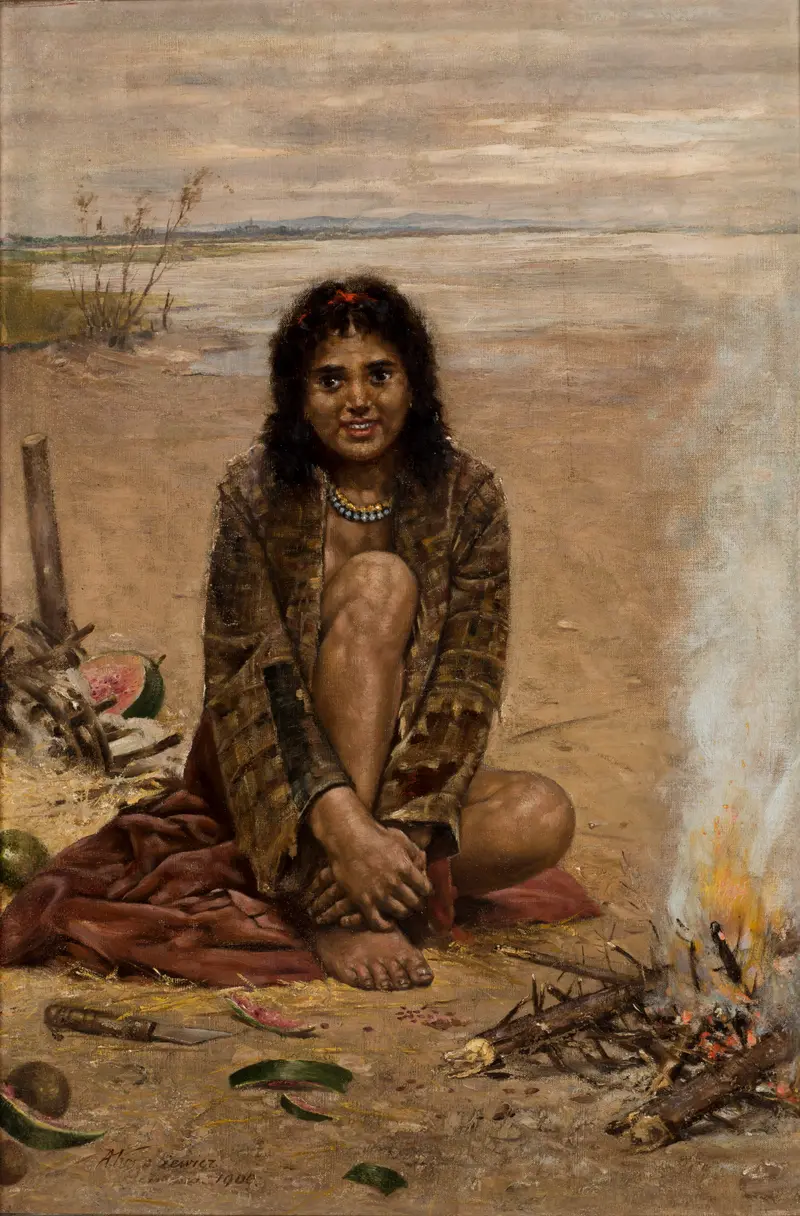
A Gypsy Woman
Antoni Kozakiewicz
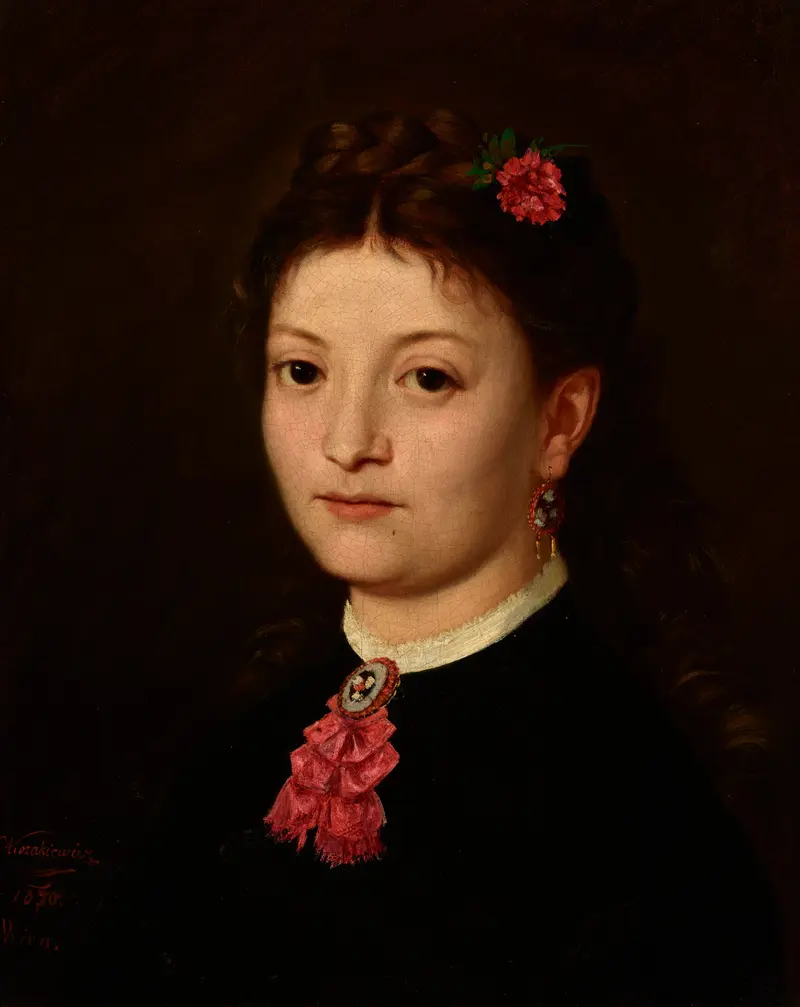
Portrait of a Young Woman
Antoni Kozakiewicz
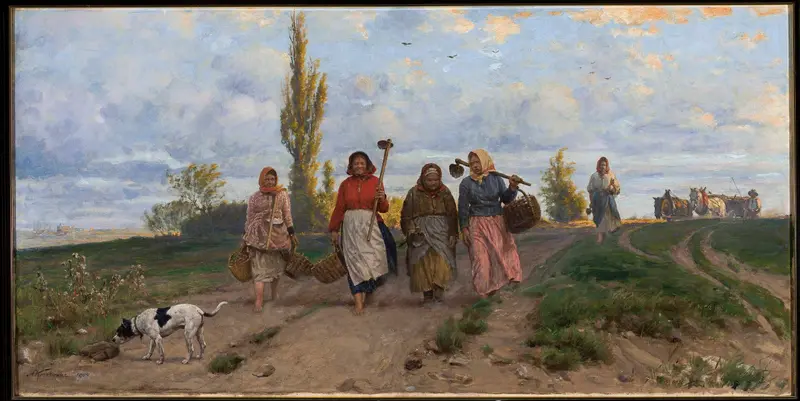
Women returning from the fields
Antoni Kozakiewicz
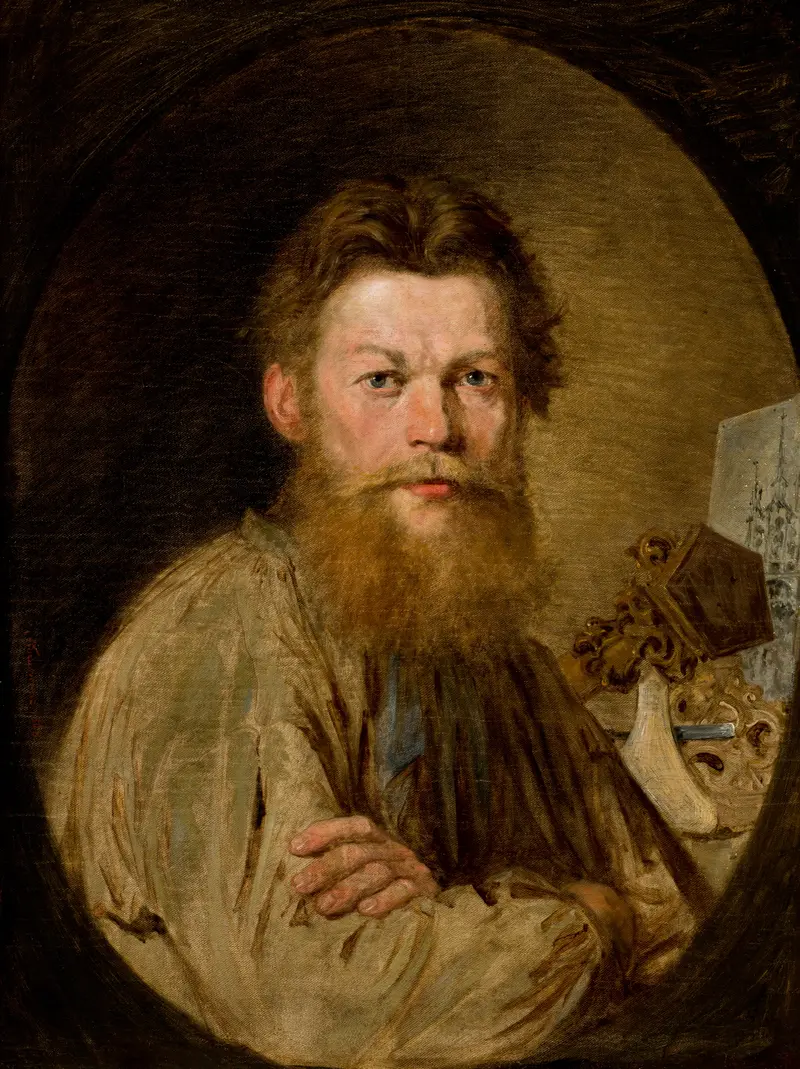
Portrait of Sculptor Kazimierz Wakulski
Antoni Kozakiewicz
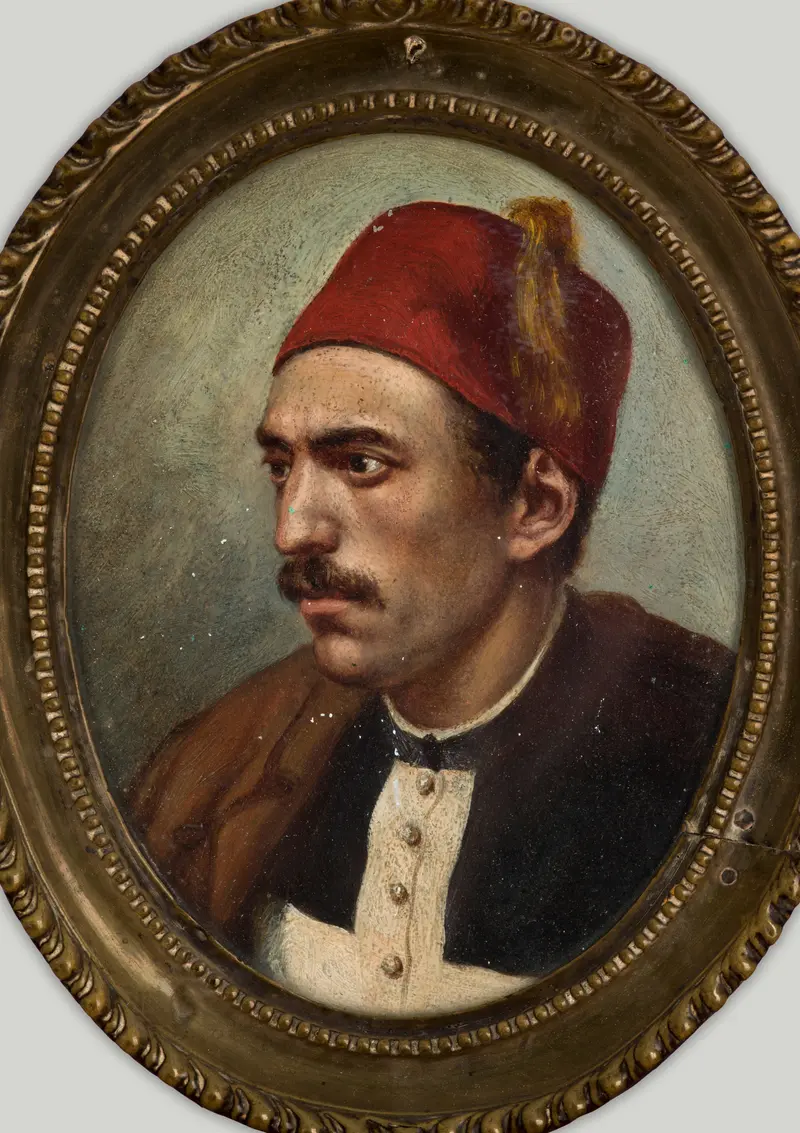
Portrait of General François de Rochebrune
Antoni Kozakiewicz
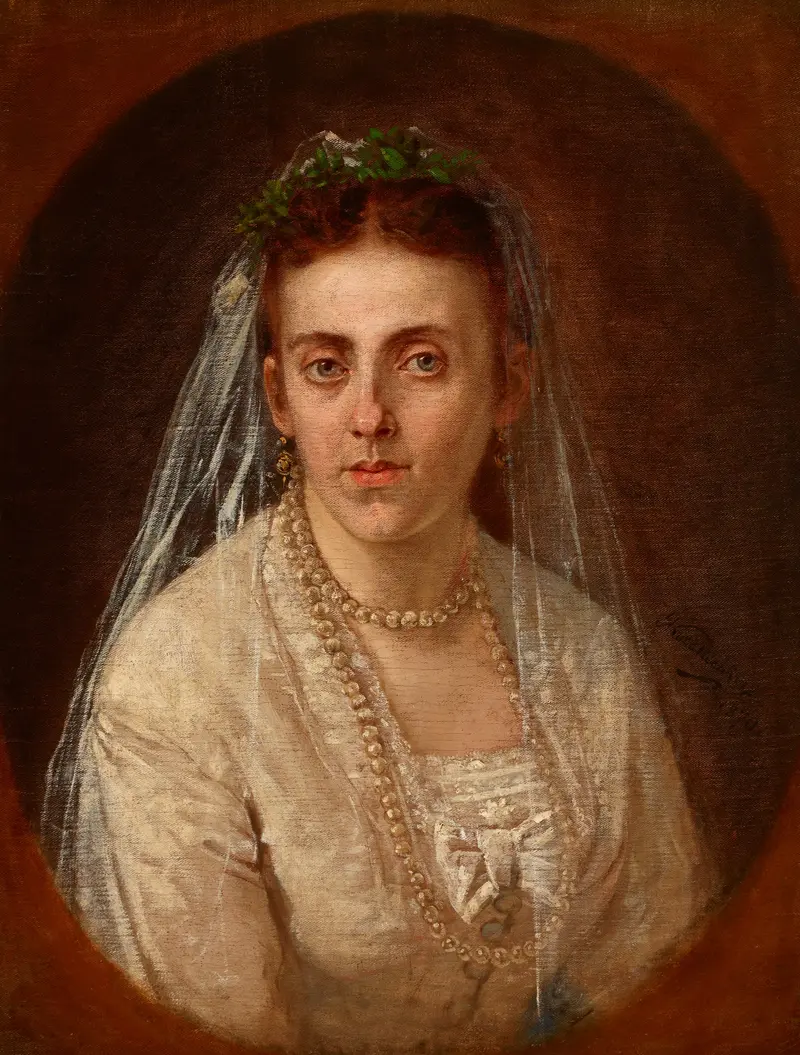
Portrait of Sydonia Wakulska
Antoni Kozakiewicz
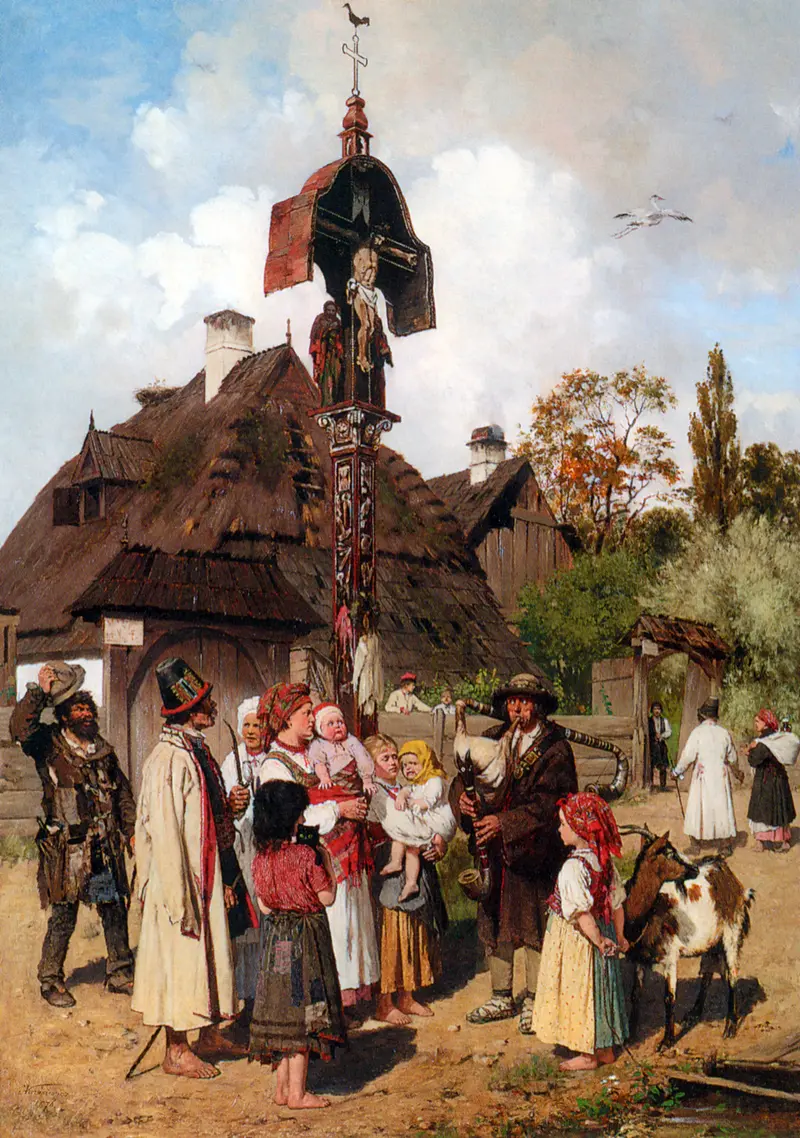
Koncert Kobziarza
Antoni Kozakiewicz
More Genre Scene Art

Banquet of the Officers of the St George Civic Guard
Frans Hals

Rembrandt and Saskia in the Scene of the Prodigal Son
Rembrandt van Rijn

Bal du moulin de la Galette
Pierre-Auguste Renoir

Quadrille at the Moulin Rouge
Henri de Toulouse-Lautrec

A Burial at Ornans
Gustave Courbet

When Will You Marry?
Paul Gauguin