Discover insights about this artwork
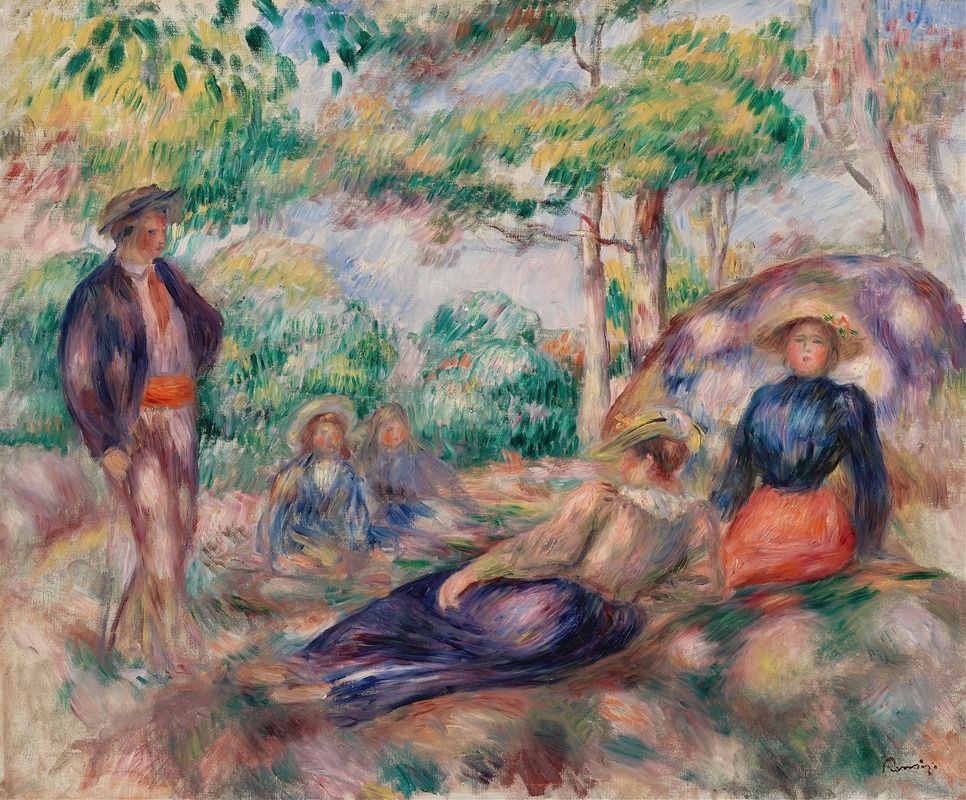
Peasants Going to Work — History & Facts
In Peasants Going to Work, Jean-François Millet captures a rural scene filled with earthy tones. The painting features several figures, primarily peasants, who are depicted in the act of laboring in the fields. The colors are muted, with browns, greens, and ochres dominating the palette, reflecting the natural environment.
The setting appears to be a vast, open landscape, emphasizing the connection between the workers and the land. The painting is executed in oil on canvas, a common medium for the time, allowing for rich texture and depth. Millet's brushwork is loose yet deliberate, creating a sense of movement among the figures. The composition is balanced, with the peasants arranged in a way that leads the viewer's eye across the canvas.
This technique enhances the narrative of labor and the daily life of rural workers. Jean-François Millet was a key figure in the Realism movement, focusing on the lives of ordinary people. Peasants Going to Work is significant as it reflects Millet's commitment to portraying the dignity of labor. Interestingly, this work was created during a time when industrialization was changing the landscape of rural life in France.
Millet's focus on peasants highlights the importance of agrarian life amidst these changes.
More Artworks by Jean-François Millet

Gleaners
Jean-François Millet

Starry Night
Jean-François Millet
The Angelus
Jean-François Millet
The Gleaners
Jean-François Millet
Calling Home the Cows
Jean-François Millet
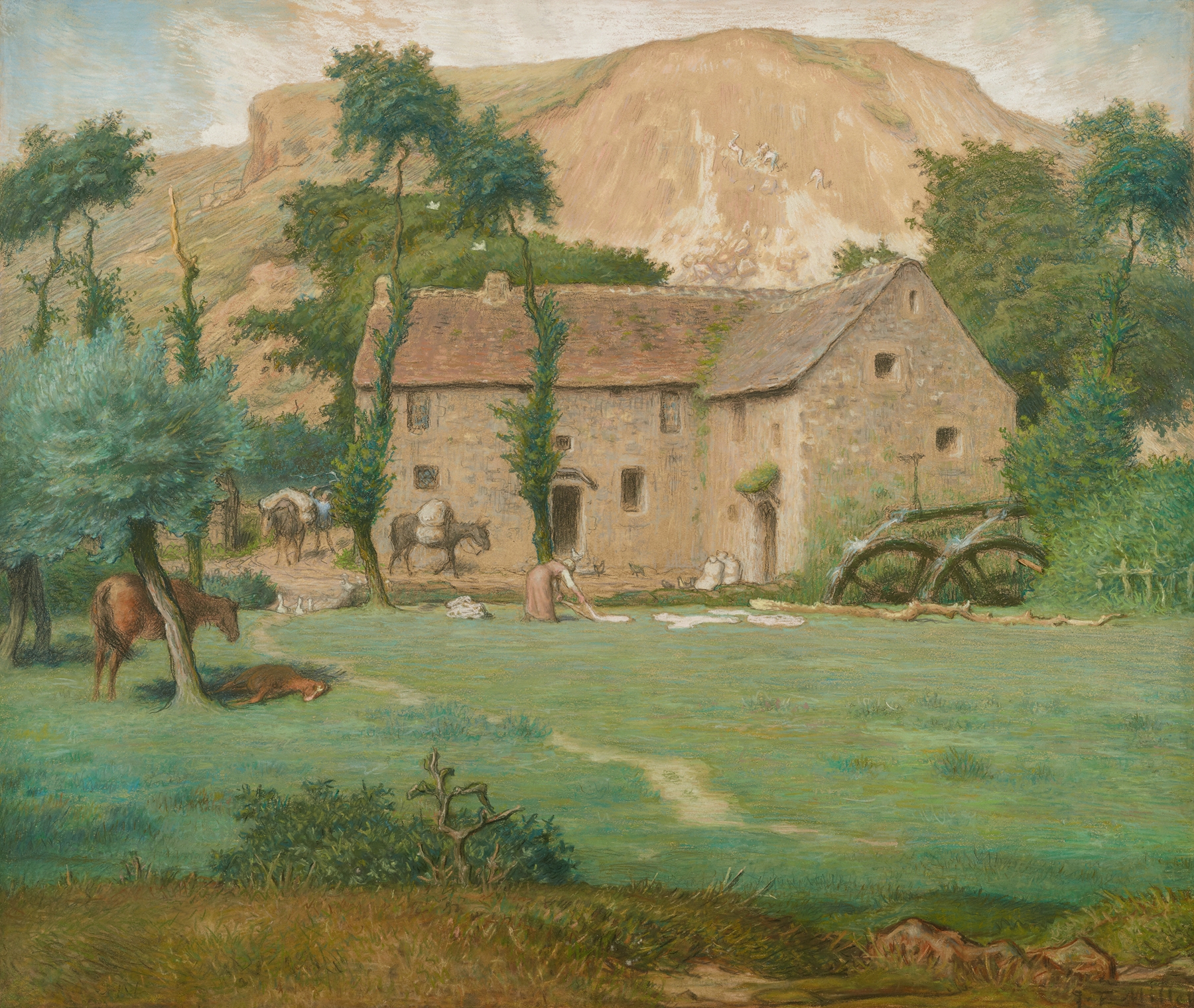
Watermill at the Foot of a Mountain, Allier
Jean-François Millet
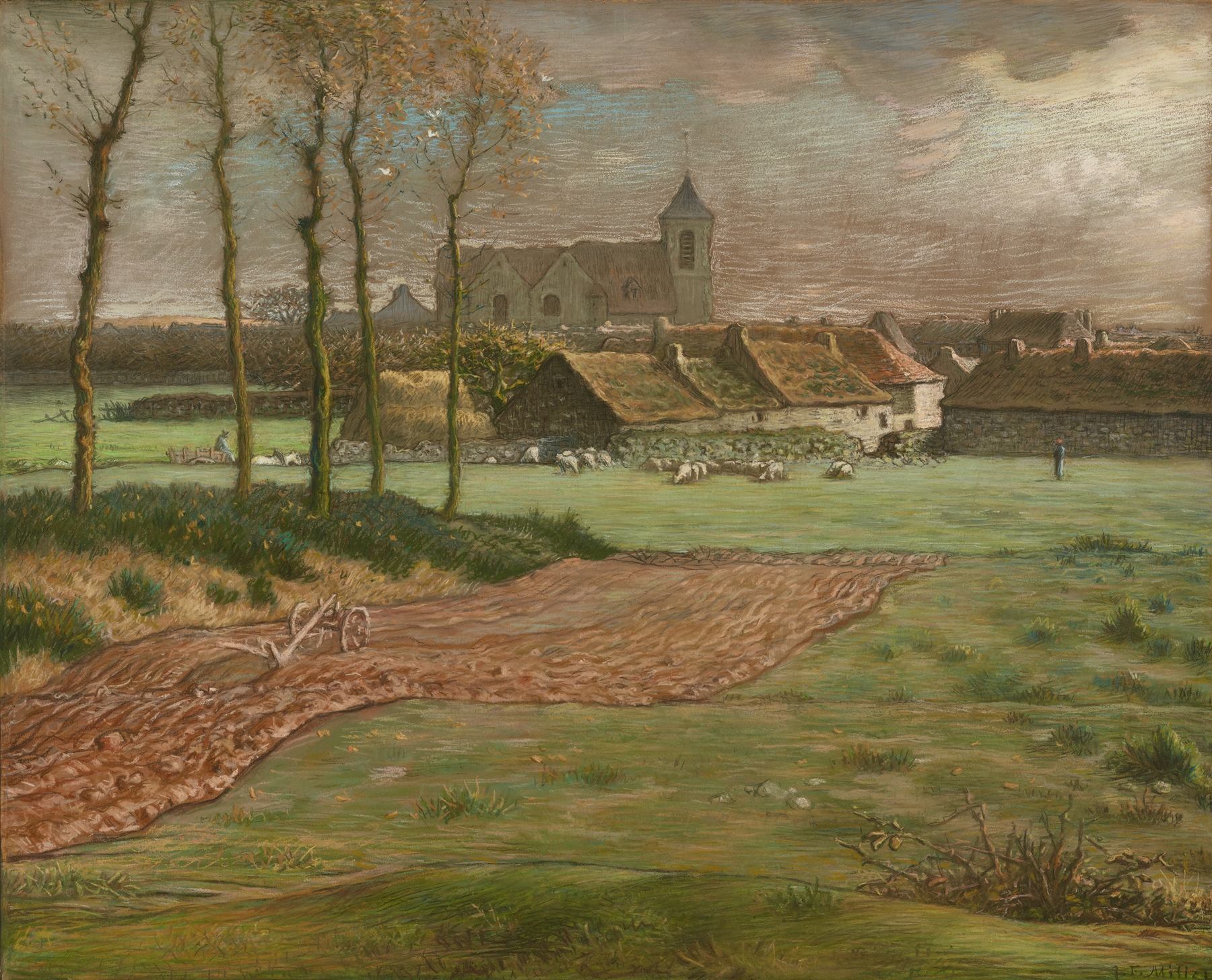
The Church at Chailly
Jean-François Millet
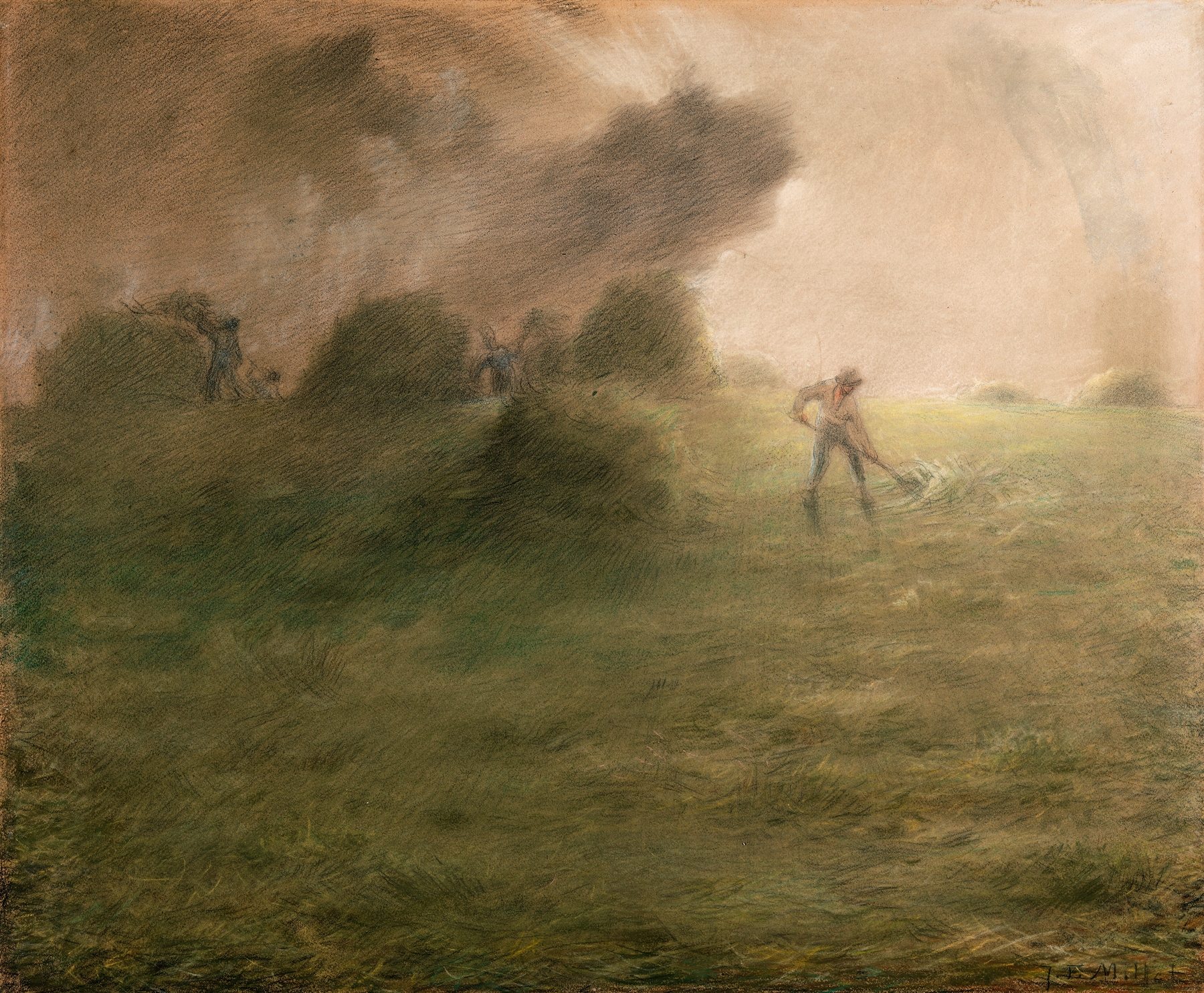
A Storm during Haymaking
Jean-François Millet
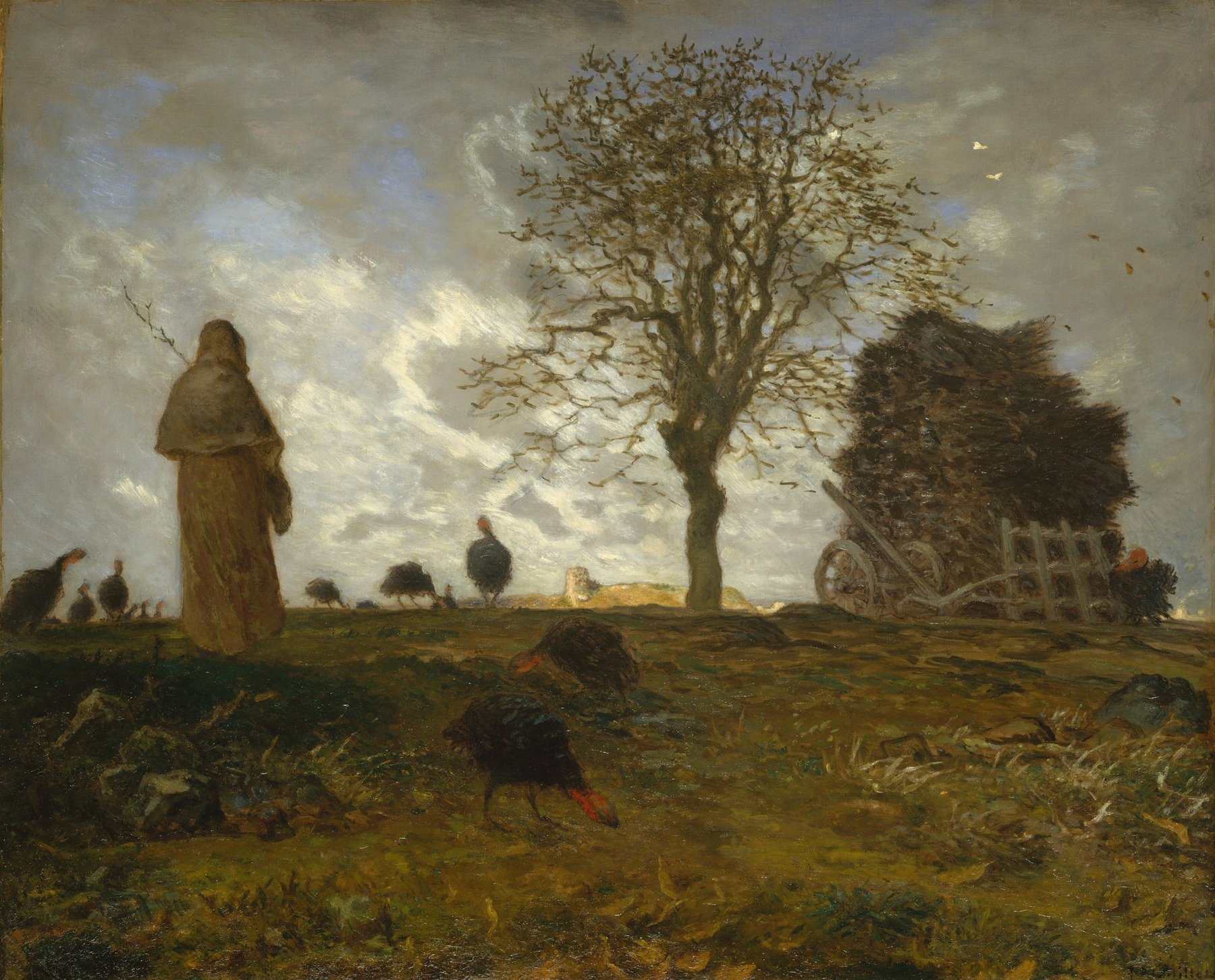
Autumn Landscape with a Flock of Turkeys
Jean-François Millet
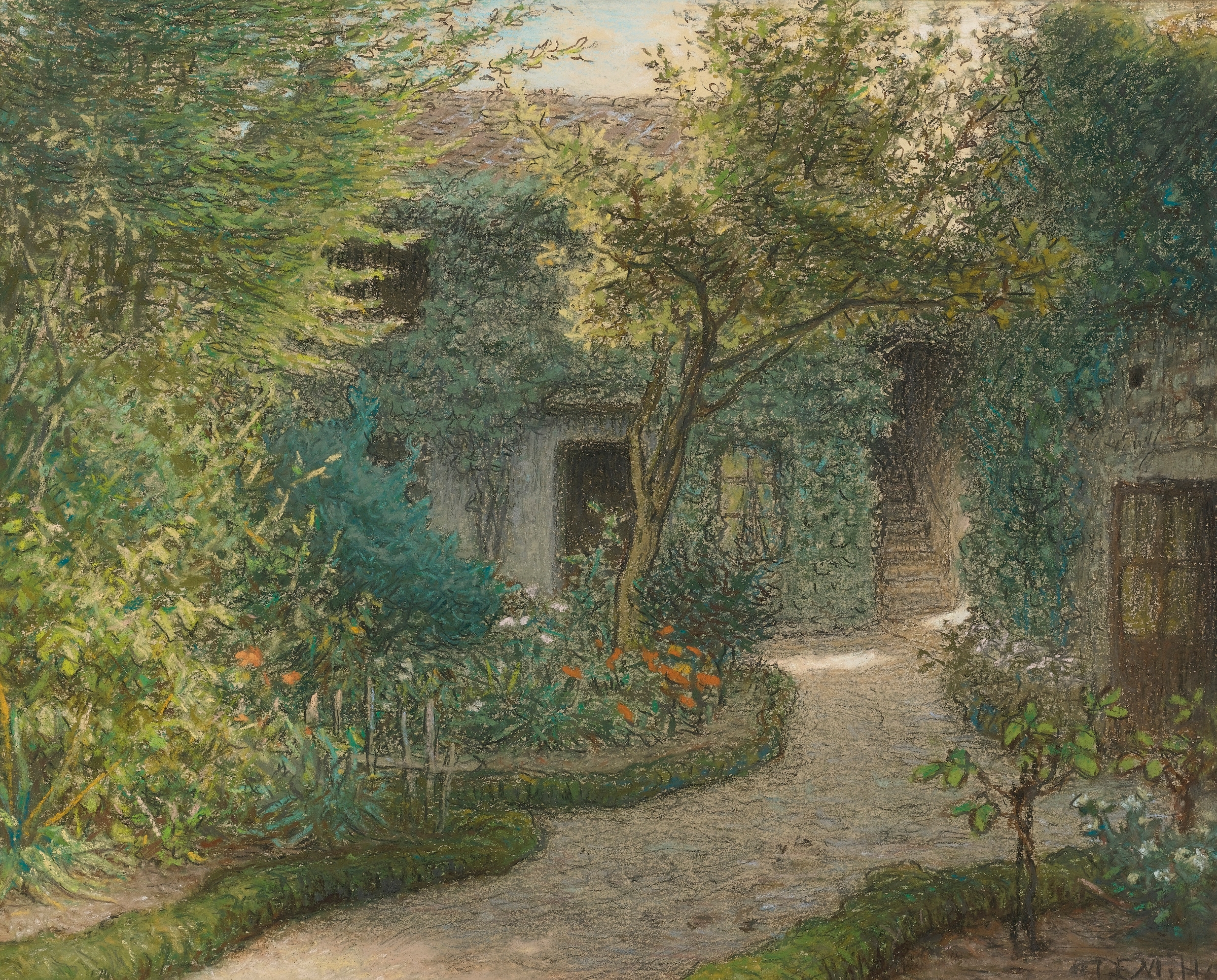
Théodore Rousseau’s House In Barbizon
Jean-François Millet