
Penmanmawr — History & Facts
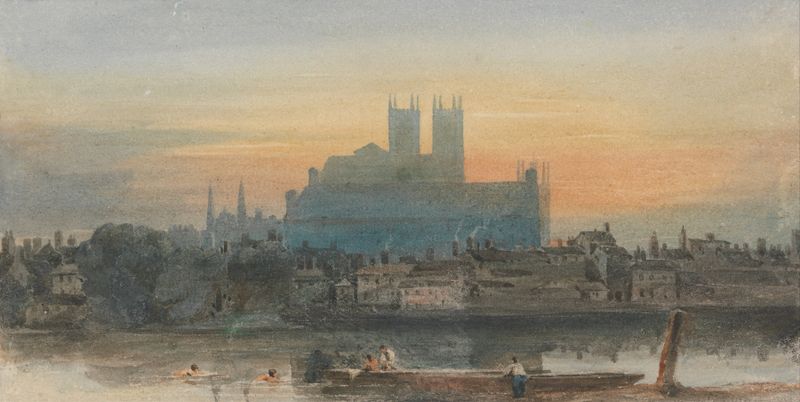
When did color learn to lie? In the gentle embrace of twilight, hues can mask the truth of a moment, inviting us to question our perceptions. The innocence portrayed in this landscape echoes the complexities of reality, weaving a delicate narrative that both captivates and confounds. Focus on the layers of soft blues and muted greens that envelop the canvas; the tranquil sky stretches into a vast expanse, while the meandering pathways draw your eye deeper into nature’s embrace. Notice the way light dances upon the hills, creating a sense of serenity amidst the intricate brushwork.
This technique, marked by a fluid mixture of realism and impressionism, evokes a dreamlike quality, inviting contemplation and reflection. Yet, within the calm scenery lies an undercurrent of tension. The interplay between shadow and light suggests an inevitable transition, a fleeting moment before the encroachment of night. The solitary figure in the foreground embodies both solitude and resilience, hinting at the weight of human experience against the backdrop of nature’s indifference.
This delicate balance between innocence and the looming unknown resonates throughout the piece. In 1855, David Cox was deeply immersed in the artistic evolution of the English landscape tradition while living in London. The year marked a period of personal strife, as he faced financial difficulties and the challenges of aging. Yet, amid these struggles, he continued to capture the beauty and poignancy of the natural world, reflecting both his inner turmoil and the broader changes in the art community around him.
More Artworks by David Cox
Browse all →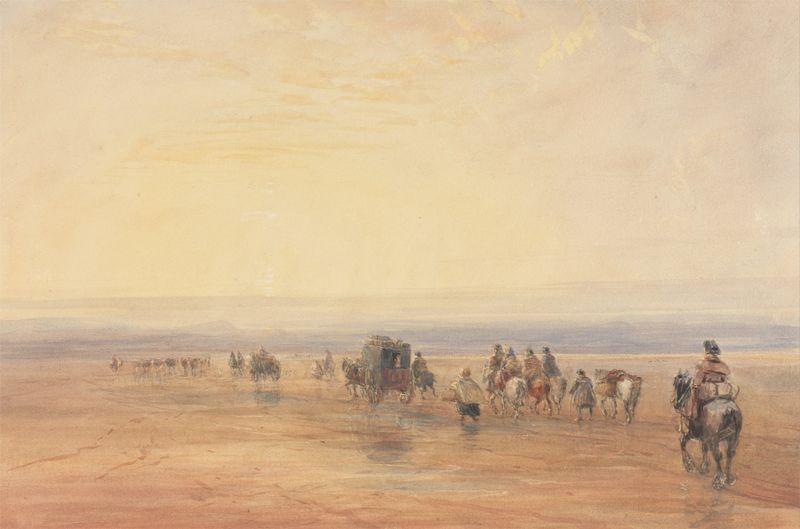
Crossing Lancaster Sands
David Cox
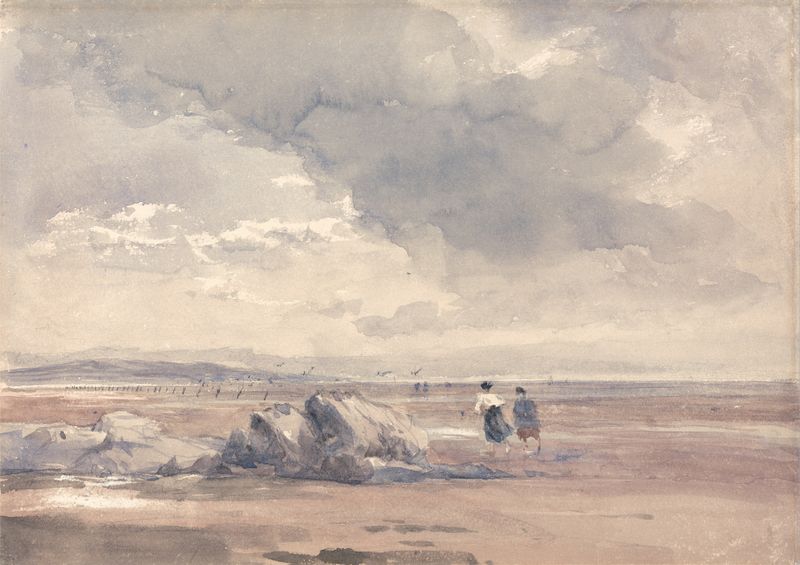
On Lancaster Sands, Low Tide
David Cox

Lincoln Cathedral from Brayford Pool
David Cox

View in Wales
David Cox
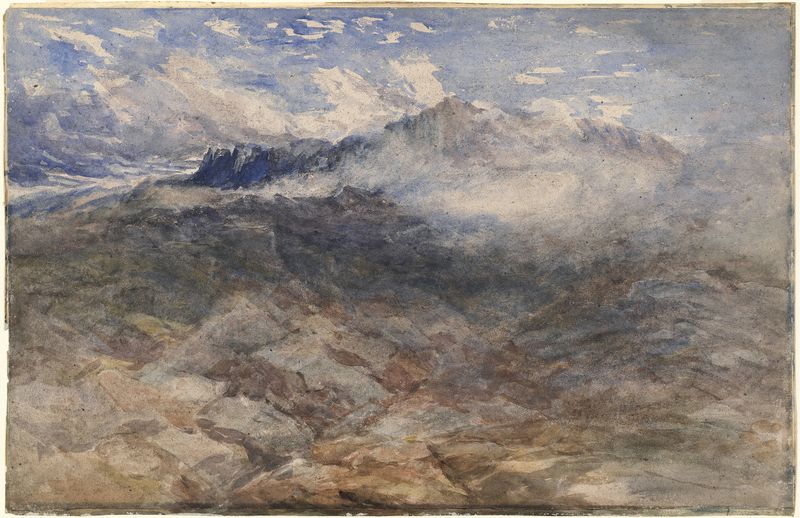
Mountain Heights, Cader Idris
David Cox

Bergen op Zoom
David Cox

Boating Before Lambeth Palace, London
David Cox
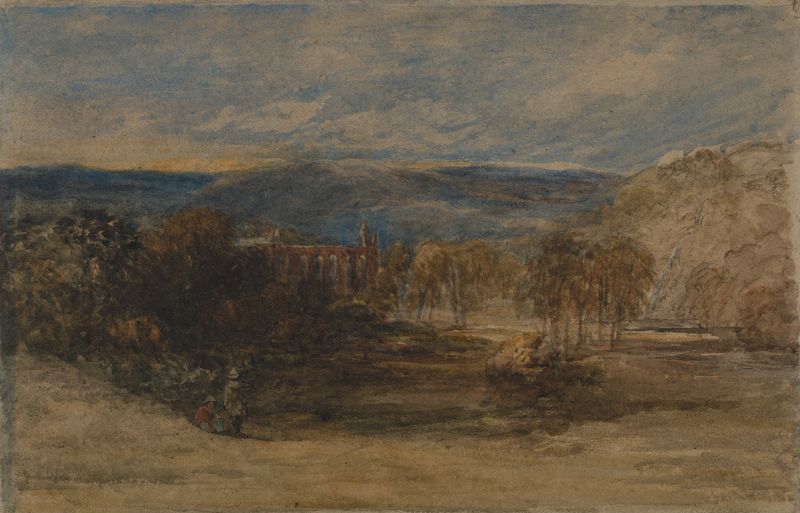
Bolton Abbey
David Cox

London Bridge
David Cox
Westminster from Lambeth
David Cox





