
Pesaro Altarpiece — History & Facts
In 1471, the quiet Adriatic town of Pesaro became the unlikely stage for a grand artistic experiment: its cathedral chapter commissioned Giovanni Bellini, then in his early thirties, to create an altarpiece that would rival the finest in Venice. This commission marked one of the earliest known public altarpieces by Bellini, a turning point not just for the artist but for Venetian painting itself. The work’s fame spread quickly, and by the 16th century, it was already being cited as a model for devotional art in the region.
Its innovative composition and luminous color would influence generations of painters, including Titian and Lorenzo Lotto. At the heart of the Pesaro Altarpiece stands the Madonna enthroned, serenely holding the Christ Child, flanked by saints whose identities are carefully chosen for the city’s patrons: St. Peter, St. Paul, St.
Jerome, and St. Francis. The moment is one of quiet intercession, as the saints present the kneeling donors—members of Pesaro’s ruling family—to the Virgin.
Richly embroidered textiles, a gleaming marble throne, and the delicate gold halos all signal both the sanctity and the worldly prestige of the scene. Unlike the more crowded, narrative-driven altarpieces of Vivarini, Bellini arranges his figures in a harmonious, almost architectural space, bathing them in soft, natural light that unites the divine and the human. The Pesaro Altarpiece remained in its original setting—the cathedral of Pesaro—for centuries, surviving wars and the shifting tides of taste. Over time, the painting’s attribution was never in doubt, as its style and signature bear all the hallmarks of Bellini’s early maturity.
Today, it is still housed in Pesaro Cathedral, drawing visitors who seek to trace the roots of Venetian Renaissance painting. The altarpiece stands as a testament to the ambitions of a small city and the rising genius of an artist who would soon transform the art of Venice.
More Artworks by Giovanni Bellini
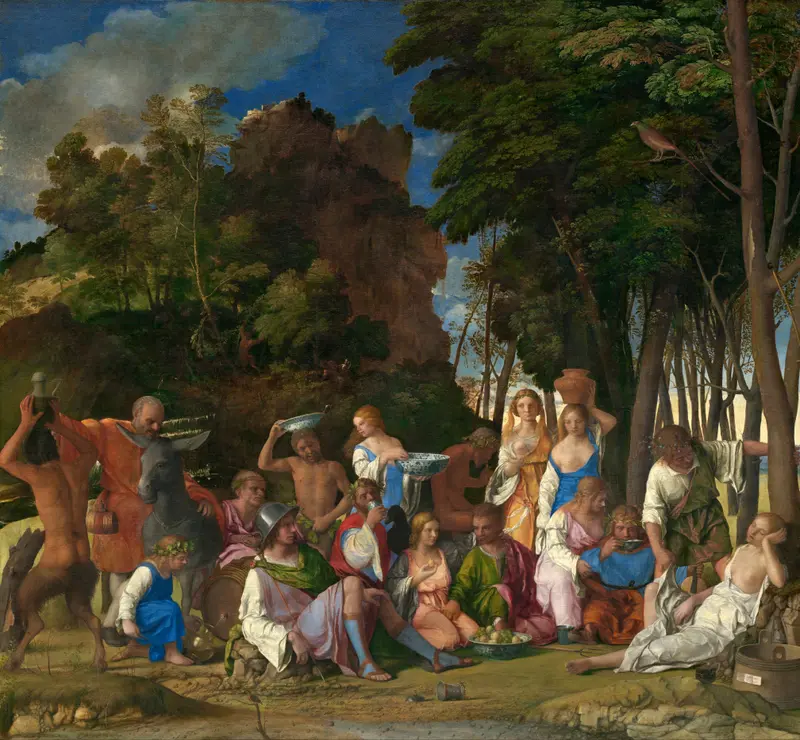
The Feast of the Gods
Giovanni Bellini

Madonna and Child enthroned with Saints and Angels
Giovanni Bellini
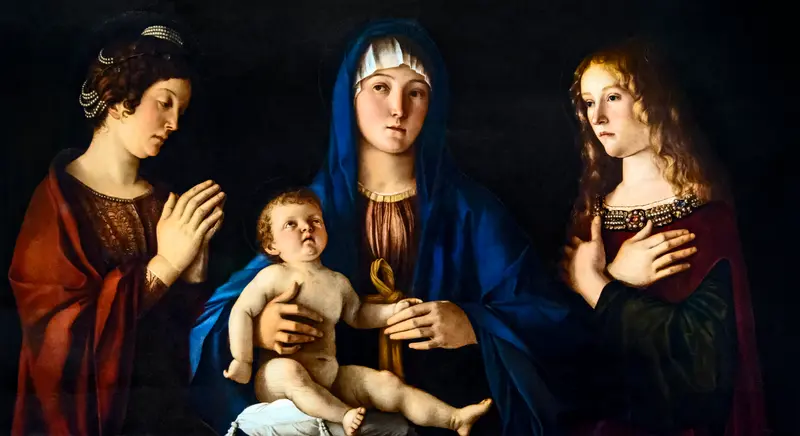
Madonna and Child between Saints Catherine and Mary Magdalene
Giovanni Bellini
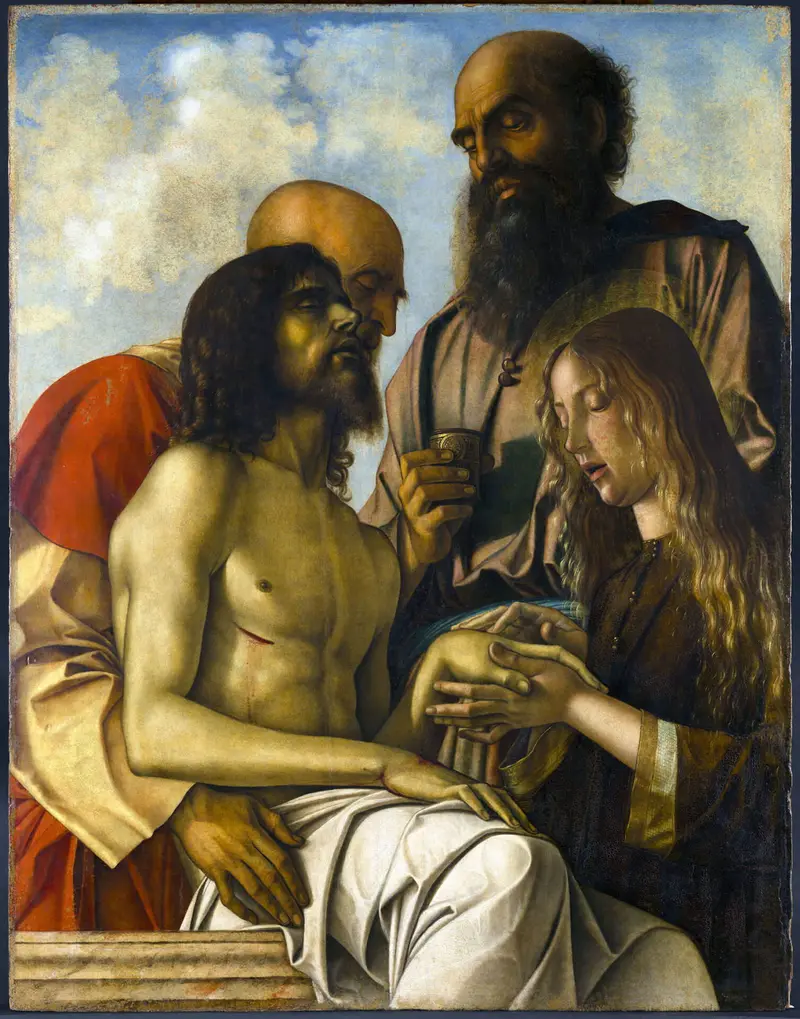
Lamentation over the Dead Christ
Giovanni Bellini
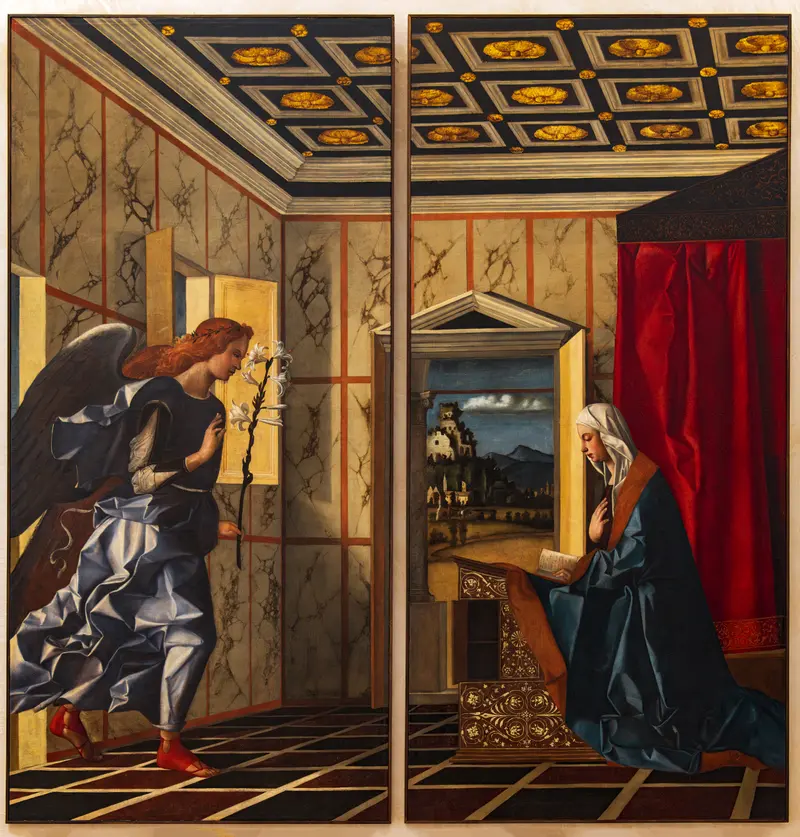
Annunciation
Giovanni Bellini
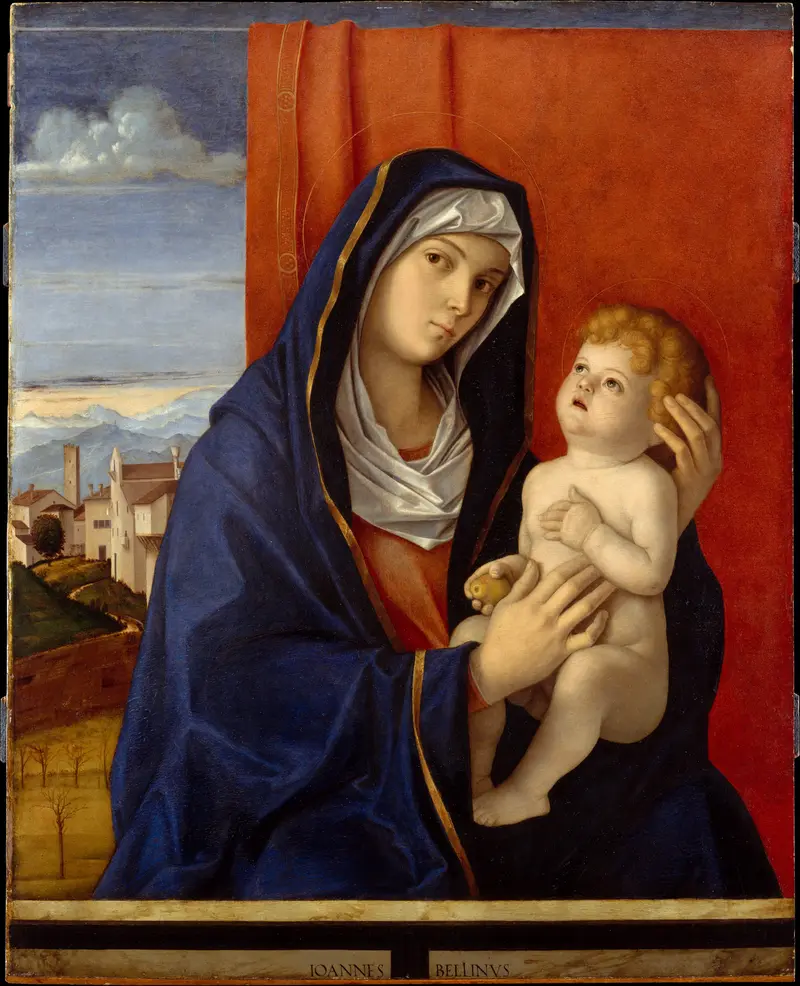
Madonna and Child
Giovanni Bellini
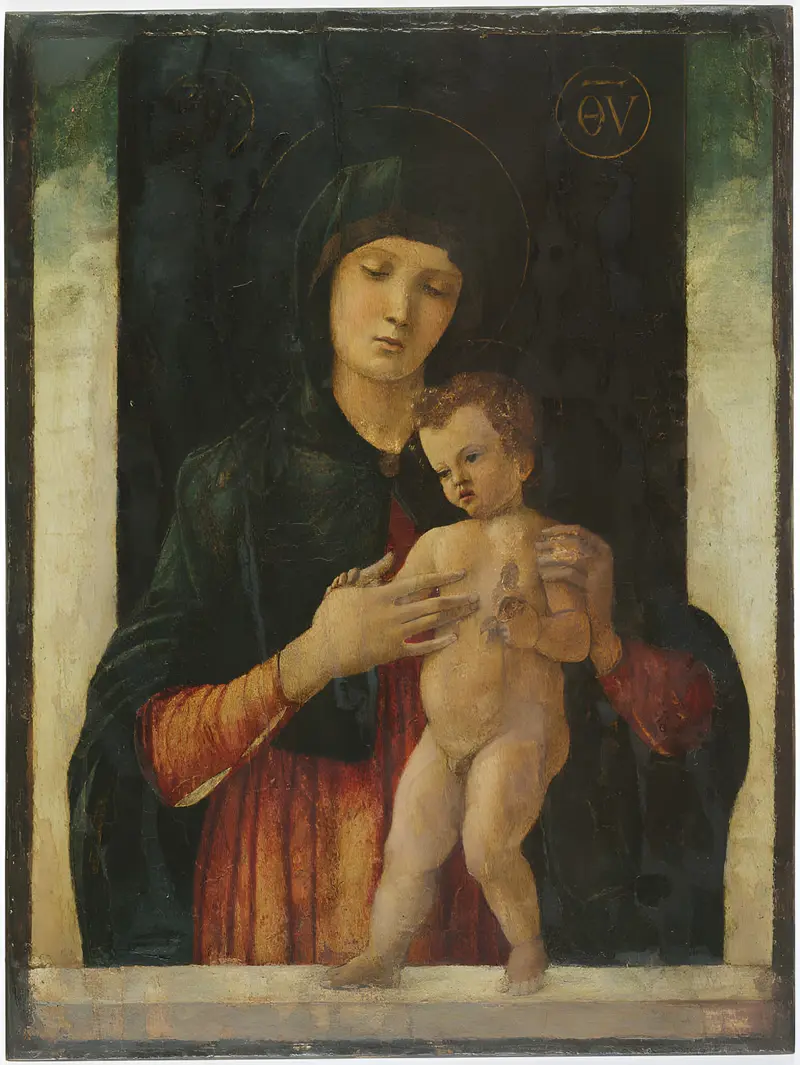
The Virgin and Child
Giovanni Bellini
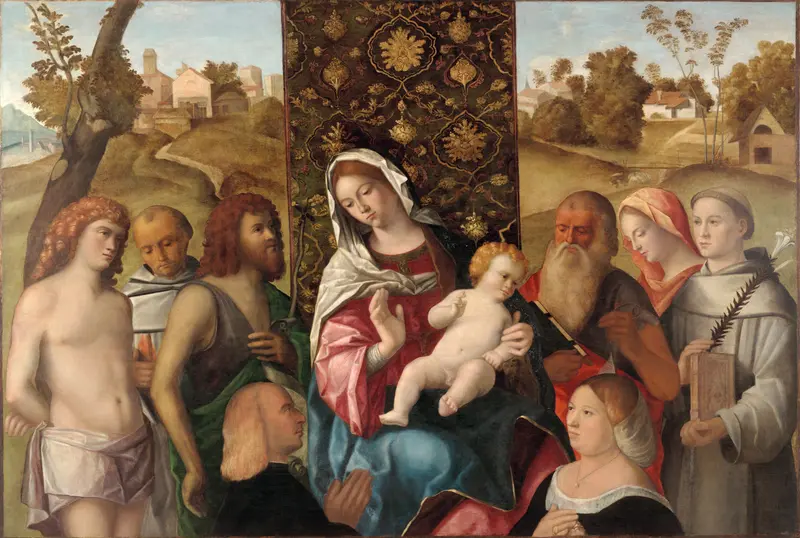
Virgin and Child with Saints Sebastian, Francis, John the Baptist, Jerome, an unidentified female saint, Saint Anthony of Padua and two donors
Giovanni Bellini
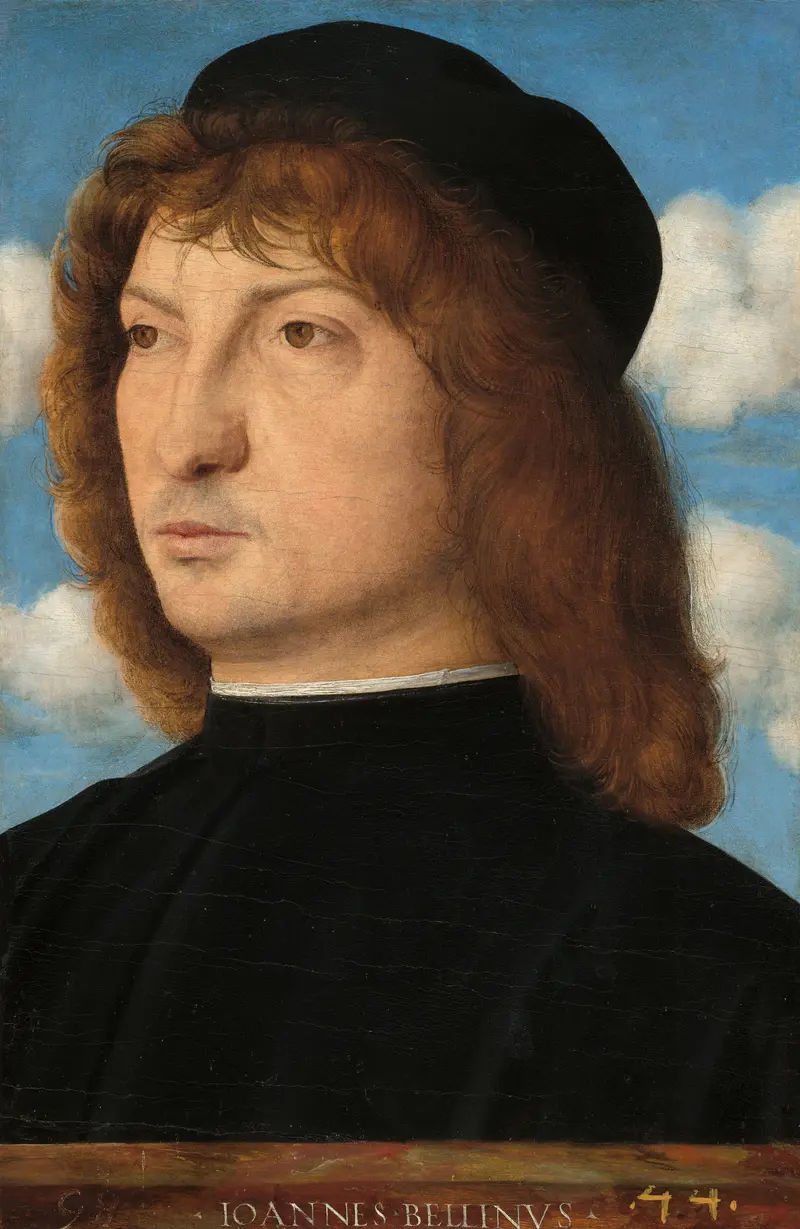
Portrait of a Venetian Gentleman
Giovanni Bellini
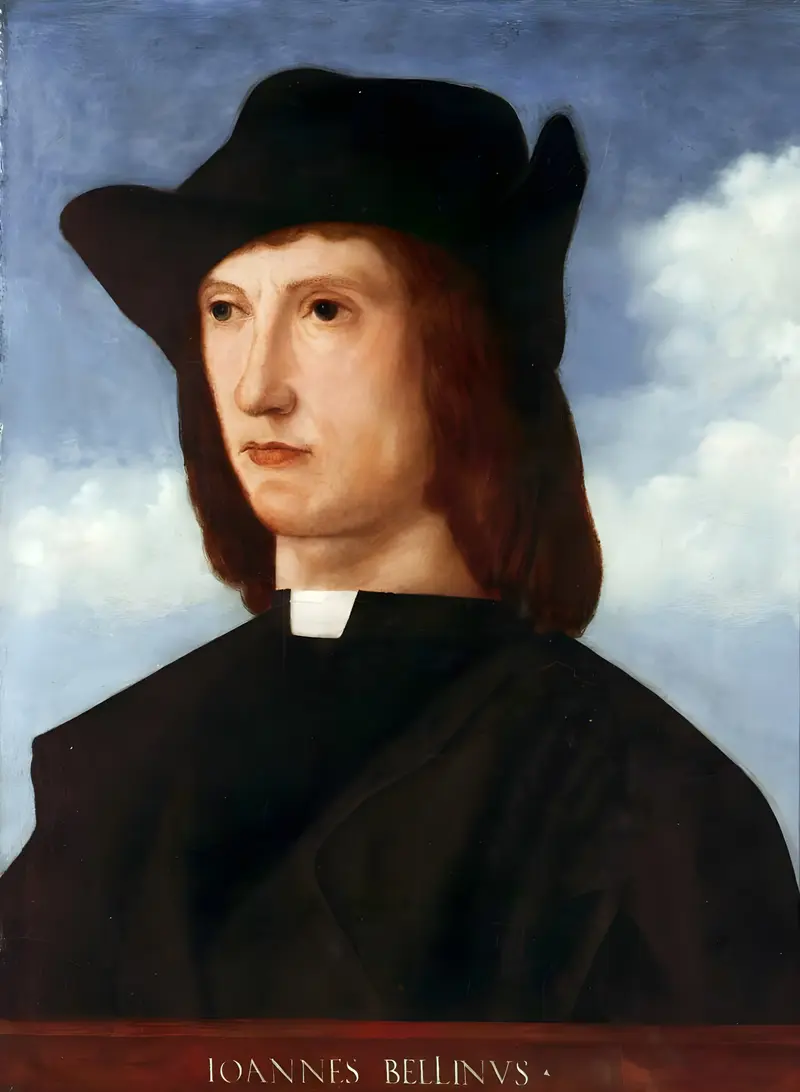
Portrait of a Young Man
Giovanni Bellini





