
Pietà with Madonna and St. John the Evangelist — History & Facts
In the mid-fifteenth century, a new kind of religious painting began to appear in Venice, one that brought the viewer face-to-face with the suffering of Christ and the grief of his followers. Pietà with Madonna and St. John the Evangelist by Giovanni Bellini is among the earliest known Venetian examples of this intimate, half-length depiction of the dead Christ supported by his mother and the beloved disciple.
The composition’s directness—Christ’s body pressed forward, the mourners’ hands reaching out—was so influential that it was copied and adapted by later Venetian artists for generations. Scholars have long debated whether this work was intended for private devotion or as a public altarpiece, but its impact on Venetian painting is beyond question. The scene unfolds at the very moment after Christ’s crucifixion, as his lifeless body is mourned by the Virgin Mary and St. John.
Bellini places the three figures close to the picture plane, their forms emerging from a dark, undefined background. Mary’s hands, clasping Christ’s torso, speak of both maternal tenderness and despair; St. John’s open palm and anguished gaze draw the viewer into the drama.
The absence of a landscape or narrative detail focuses all attention on the raw emotion of loss. Unlike the elaborate settings of Rogier van der Weyden’s Northern Pietà paintings, Bellini’s approach is spare, his figures monumental, their grief universal. The early history of Pietà with Madonna and St. John the Evangelist is not fully documented, but its style and composition mark it as a youthful work by Giovanni Bellini, painted around 1455 when he was still under the influence of his father Jacopo and brother-in-law Andrea Mantegna.
The painting’s medium remains uncertain—some suggest tempera, others oil, reflecting the experimental spirit of Venetian artists at the time. While the original patron is unknown, the work’s intimate scale and devotional intensity suggest it was meant for private contemplation. Today, it stands as a key milestone in Bellini’s development, foreshadowing the emotional depth and luminous color that would define his later masterpieces.
More Artworks by Giovanni Bellini
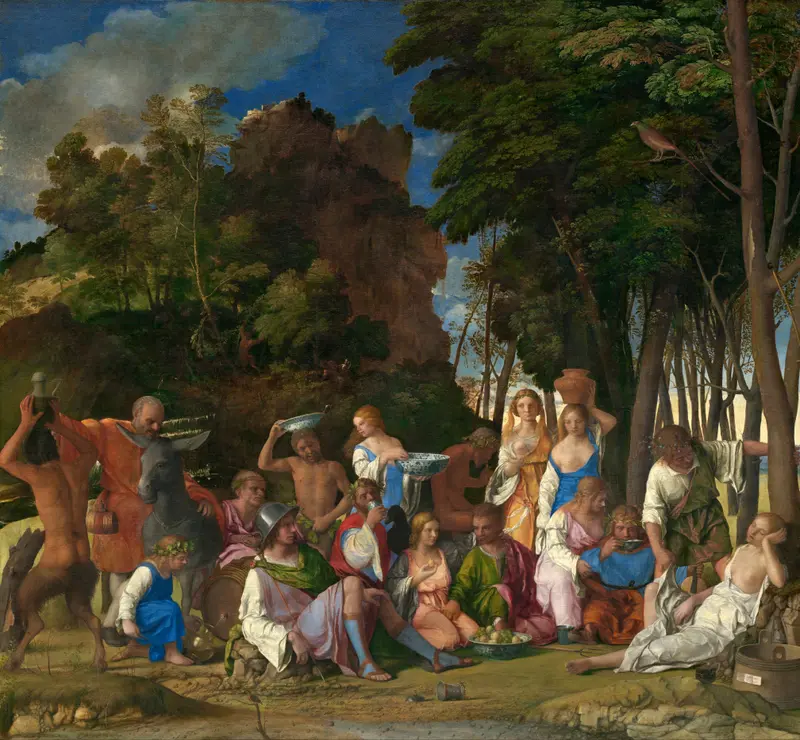
The Feast of the Gods
Giovanni Bellini

Madonna and Child enthroned with Saints and Angels
Giovanni Bellini
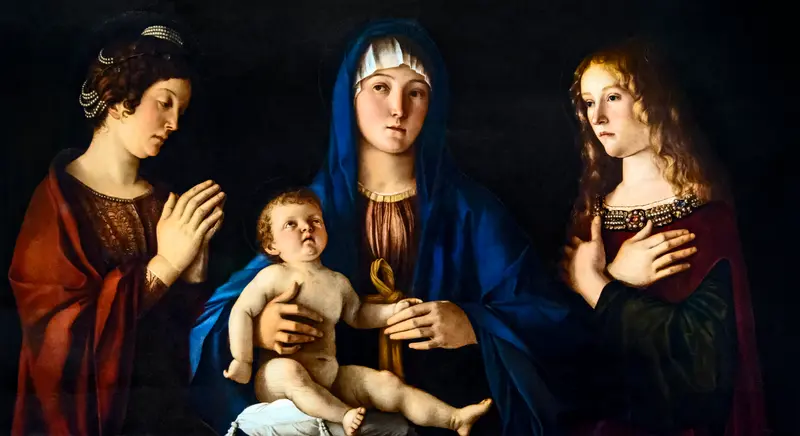
Madonna and Child between Saints Catherine and Mary Magdalene
Giovanni Bellini
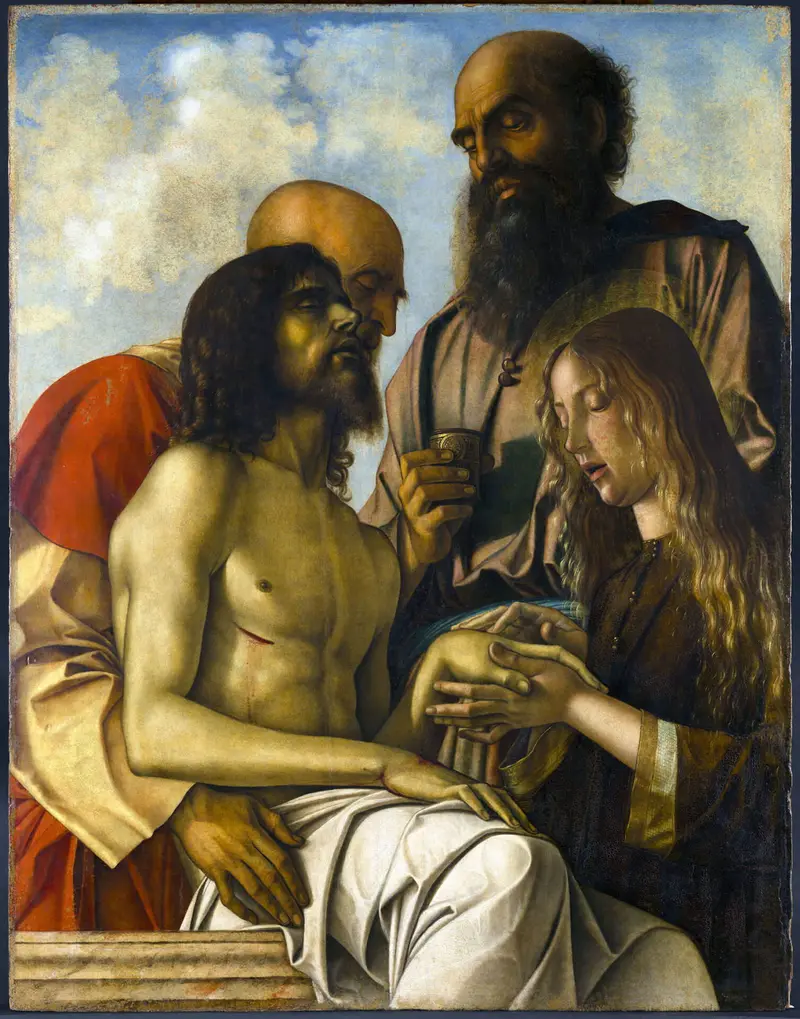
Lamentation over the Dead Christ
Giovanni Bellini
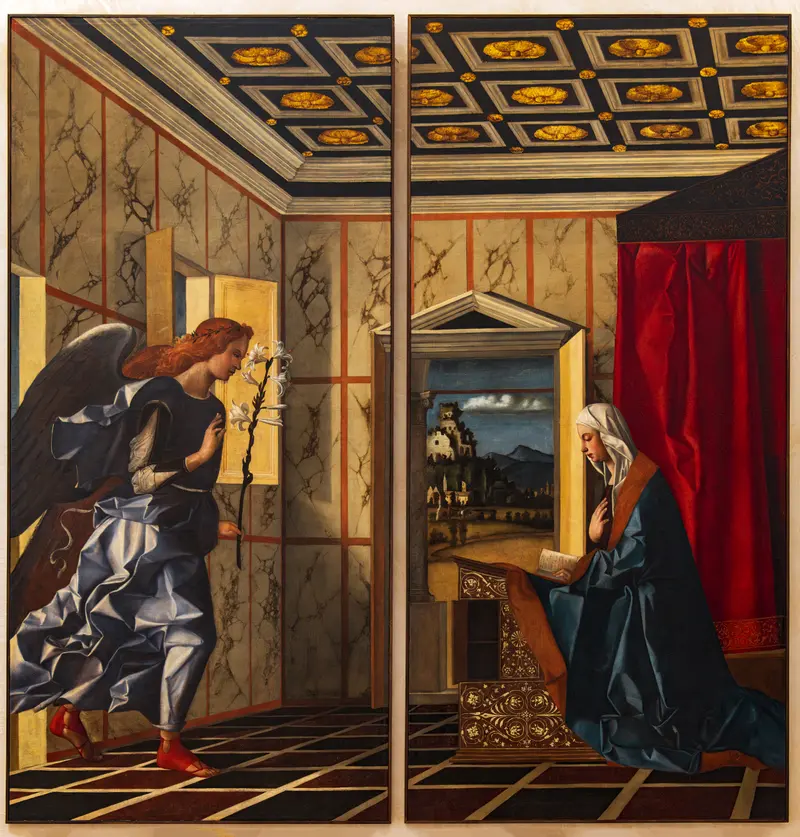
Annunciation
Giovanni Bellini
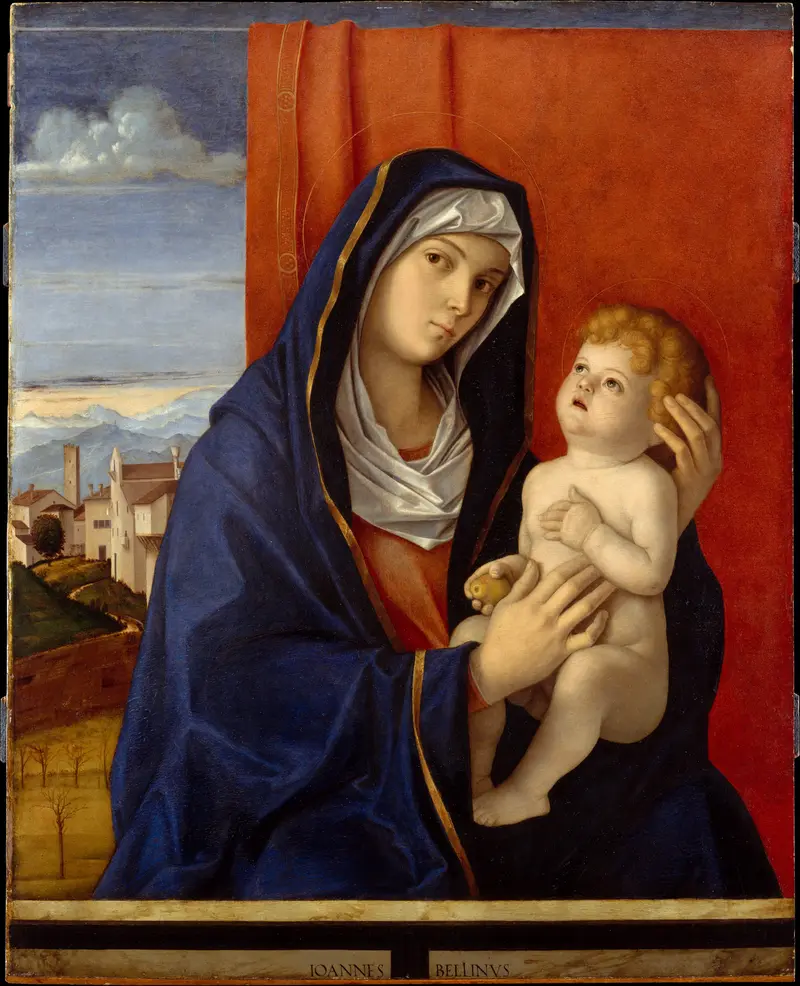
Madonna and Child
Giovanni Bellini
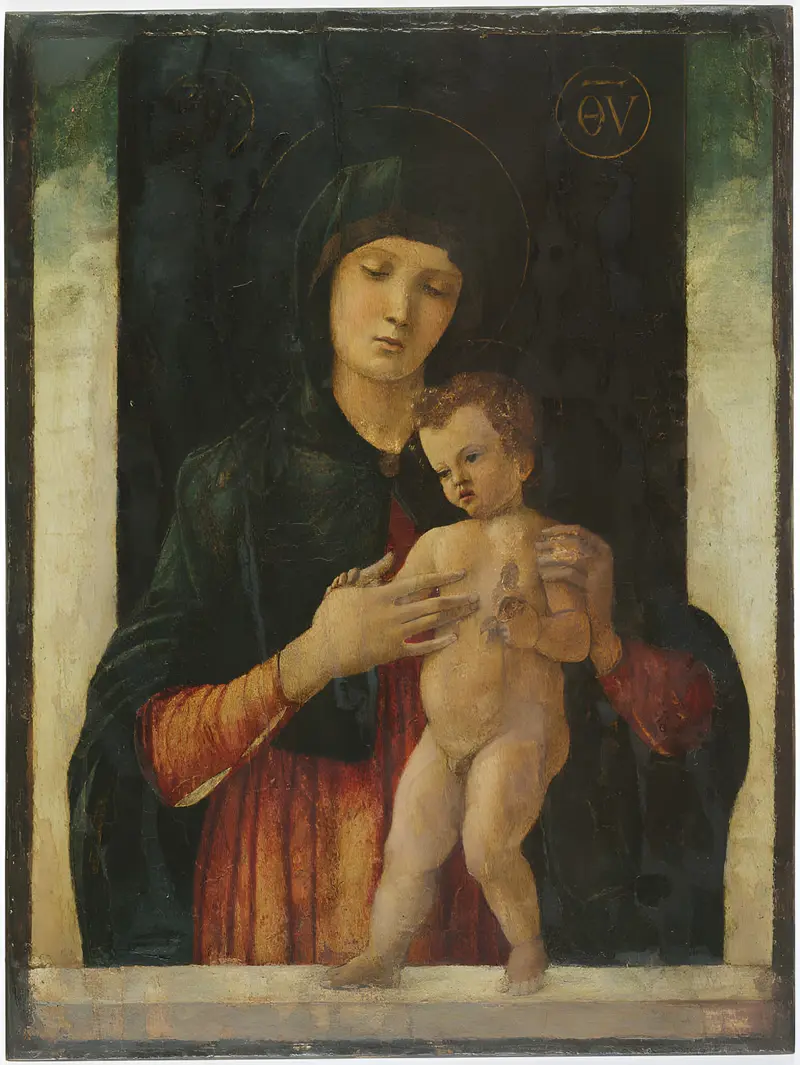
The Virgin and Child
Giovanni Bellini
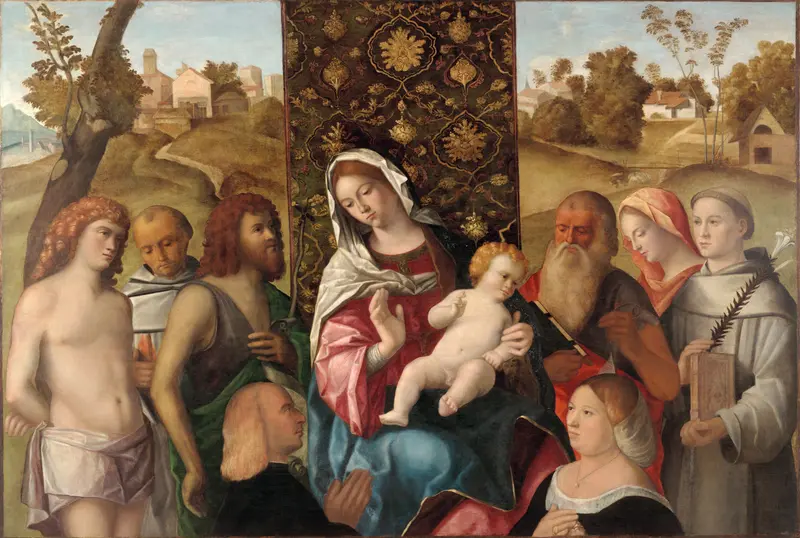
Virgin and Child with Saints Sebastian, Francis, John the Baptist, Jerome, an unidentified female saint, Saint Anthony of Padua and two donors
Giovanni Bellini
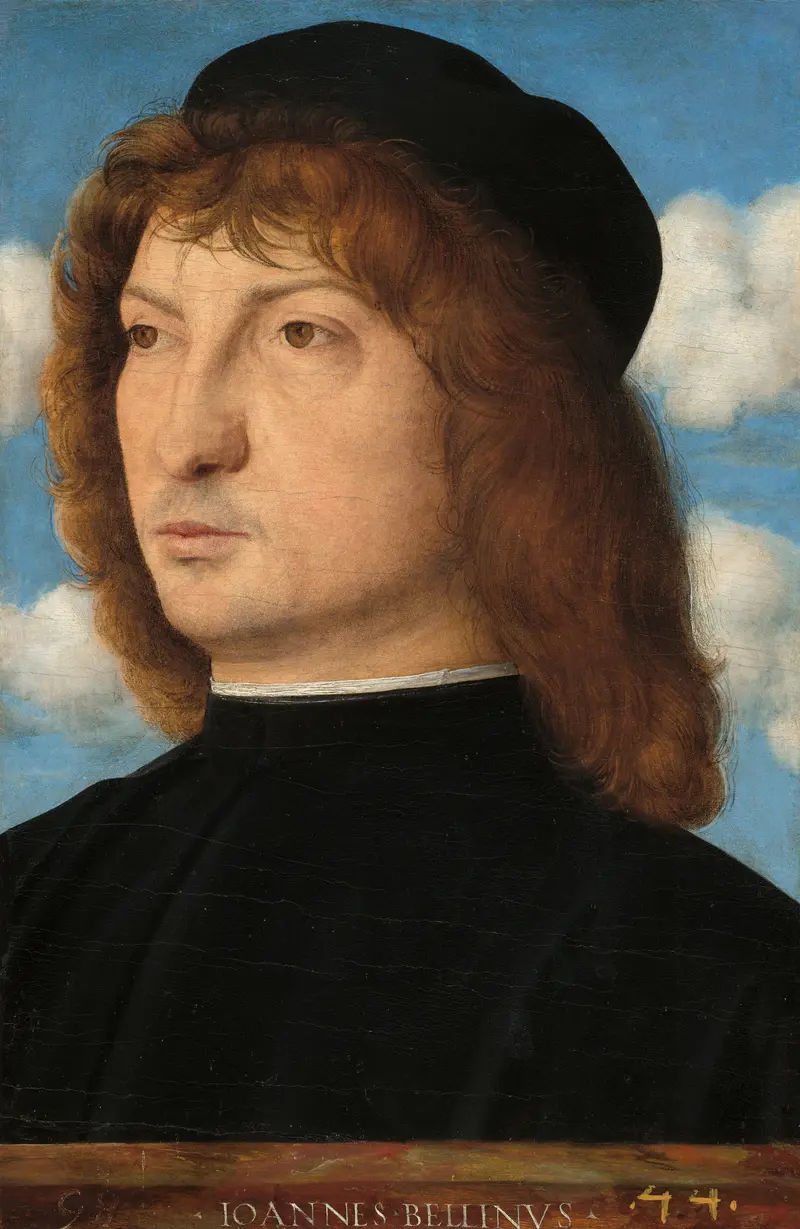
Portrait of a Venetian Gentleman
Giovanni Bellini
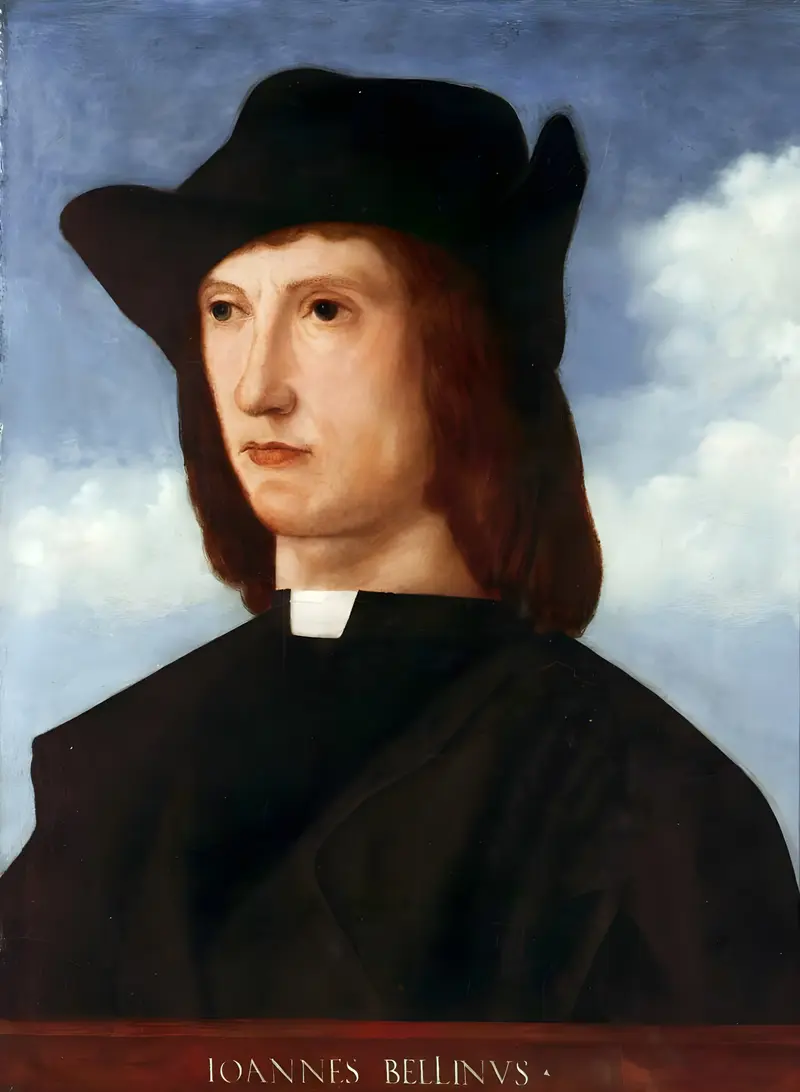
Portrait of a Young Man
Giovanni Bellini





