
Pigritia (Laziness) — History & Facts
In Pigritia (Laziness), Jacques Callot presents a scene filled with intricate figures that embody the concept of laziness. The colors are muted, with earthy tones dominating the composition, creating a somber atmosphere. Various characters are depicted in relaxed postures, some lounging while others appear indifferent to their surroundings.
This setting emphasizes the theme of idleness, inviting viewers to reflect on the consequences of such behavior. The technical execution of Pigritia showcases Callot's skill in etching, a medium that allows for fine detail and texture. The lines are delicate yet expressive, capturing the nuances of each figure's expression and posture. Viewers can observe the careful arrangement of elements, which draws the eye across the composition.
This etching exemplifies the Baroque style, with its focus on dramatic themes and intricate designs. Jacques Callot was a prominent French artist known for his innovative etchings during the Baroque period. Pigritia is particularly interesting as it reflects societal attitudes towards laziness and idleness in the 17th century. Callot's works often contained moral lessons, and this piece serves as a commentary on the dangers of excessive leisure.
His ability to blend humor with critique makes this work a notable example of allegorical art.
More Artworks by Jacques Callot

De verloren zoon als zwijnenhoeder
Jacques Callot
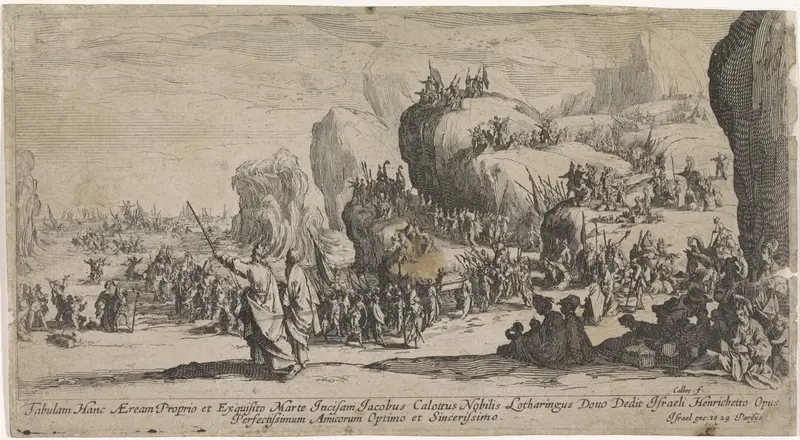
De doortocht door de Rode Zee
Jacques Callot

Kruisiging
Jacques Callot
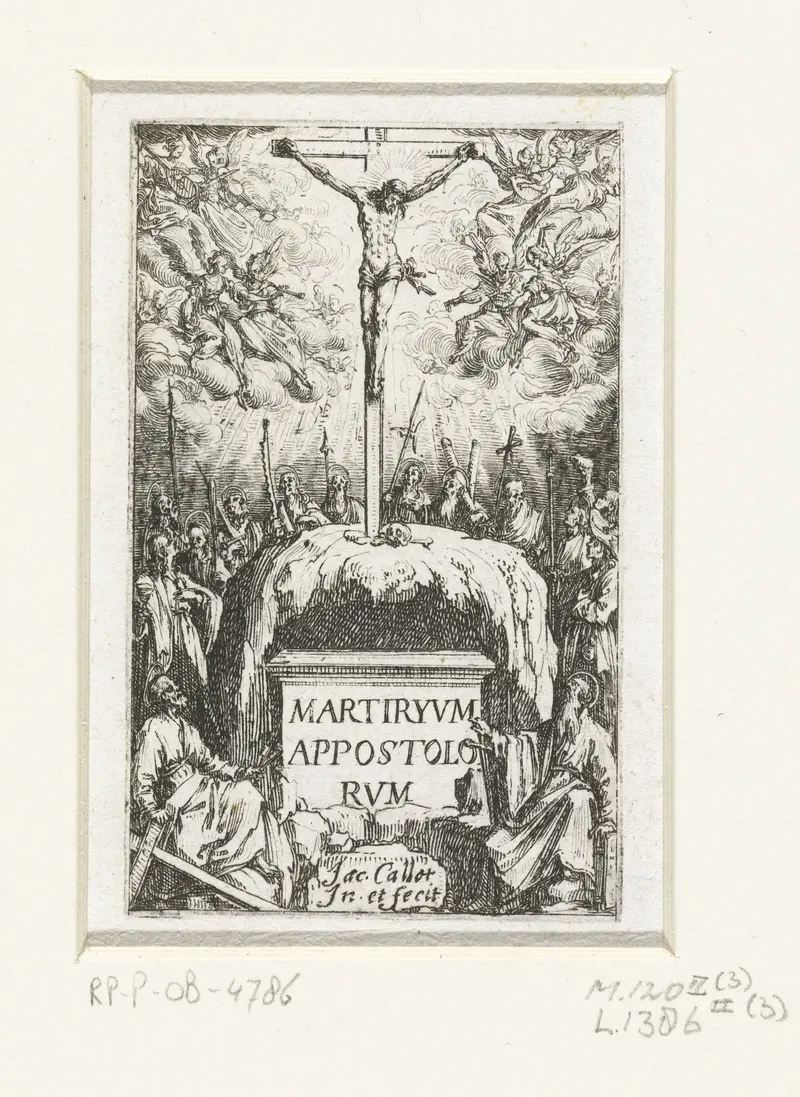
Titelprent voor de prentreeks 'De kleine apostelen' (Het martelaarschap van de apostelen)
Jacques Callot
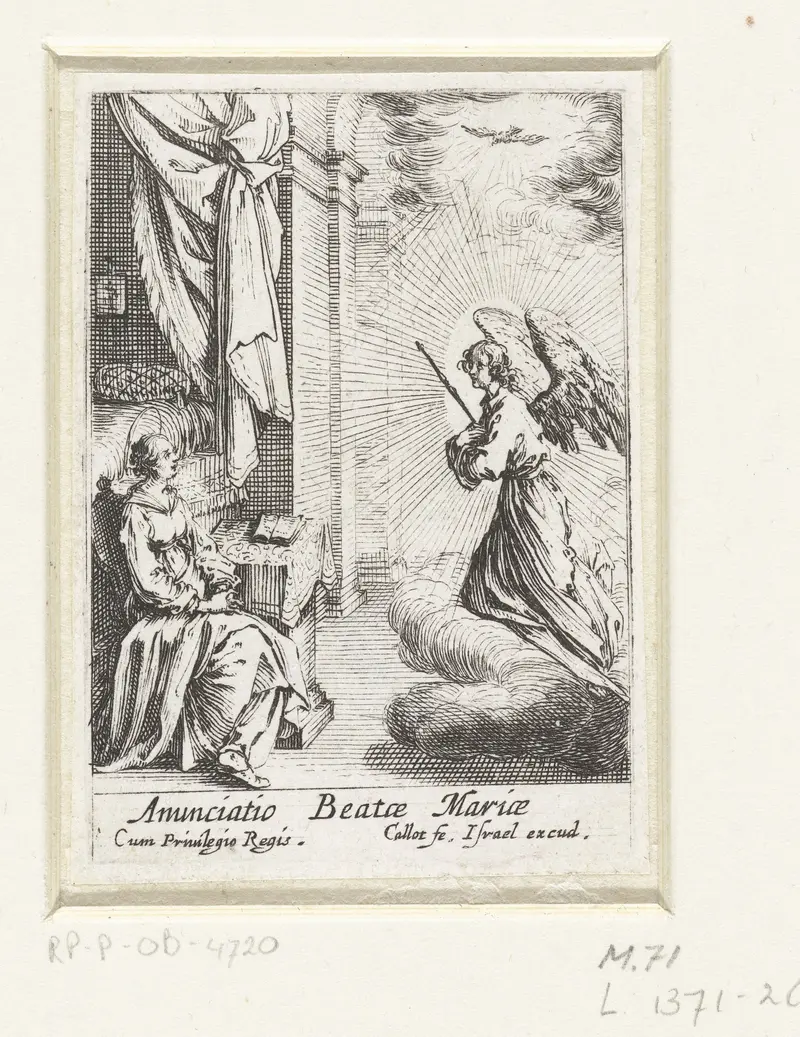
Annunciatie
Jacques Callot
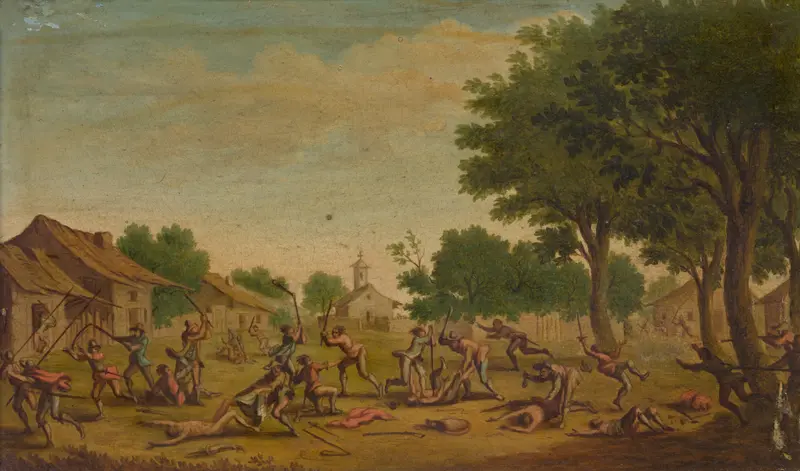
Village Fight
Jacques Callot
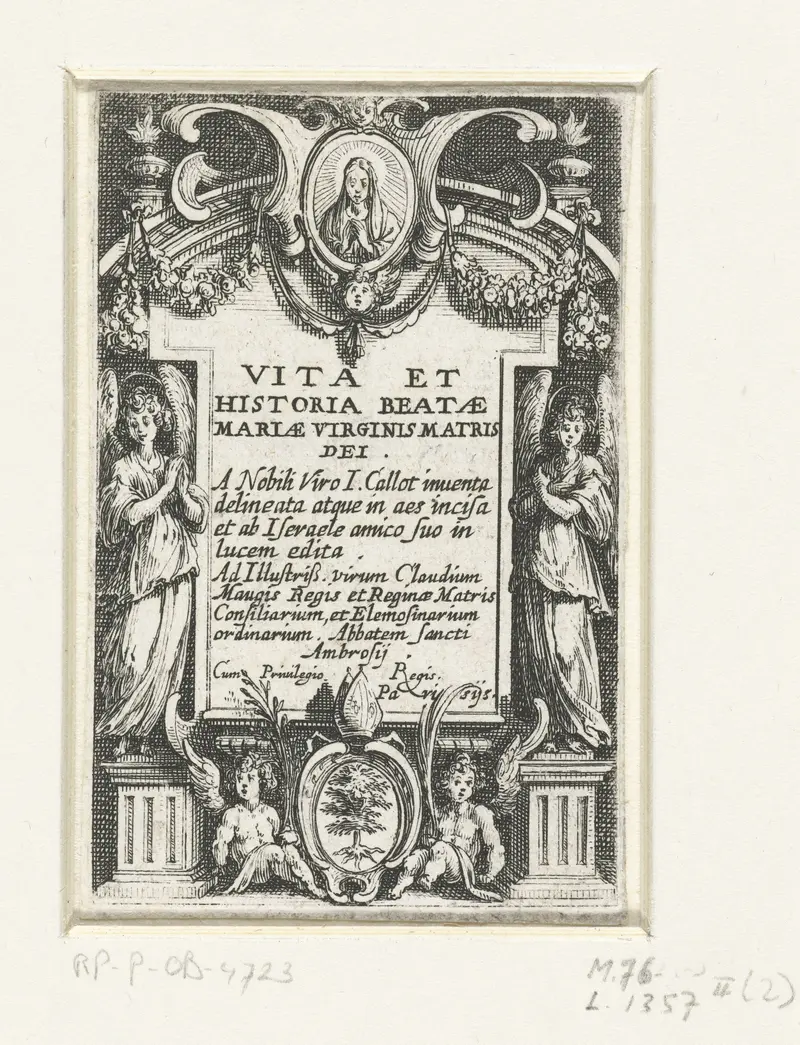
Titelprent voor prentreeks 'Het leven van Maria'
Jacques Callot
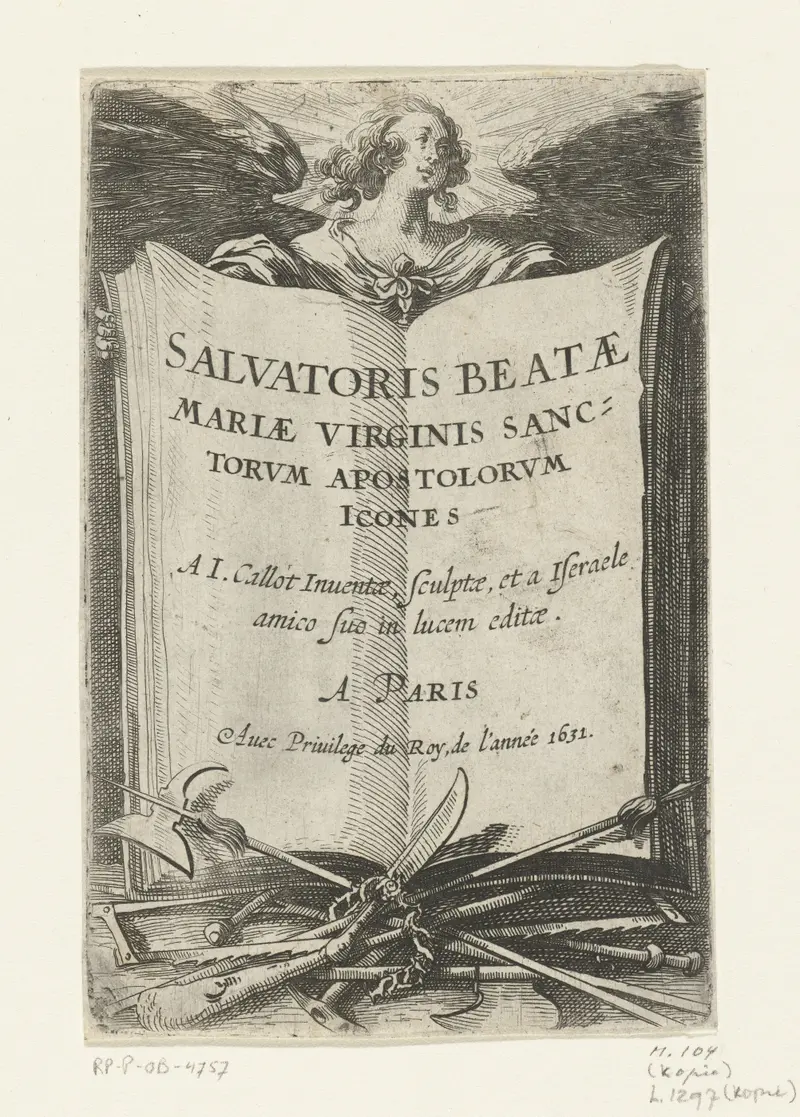
Titelprent voor de prentreeks 'De grote apostelen' (Christus, Maria en de apostelen)
Jacques Callot

Kruisoprichting
Jacques Callot
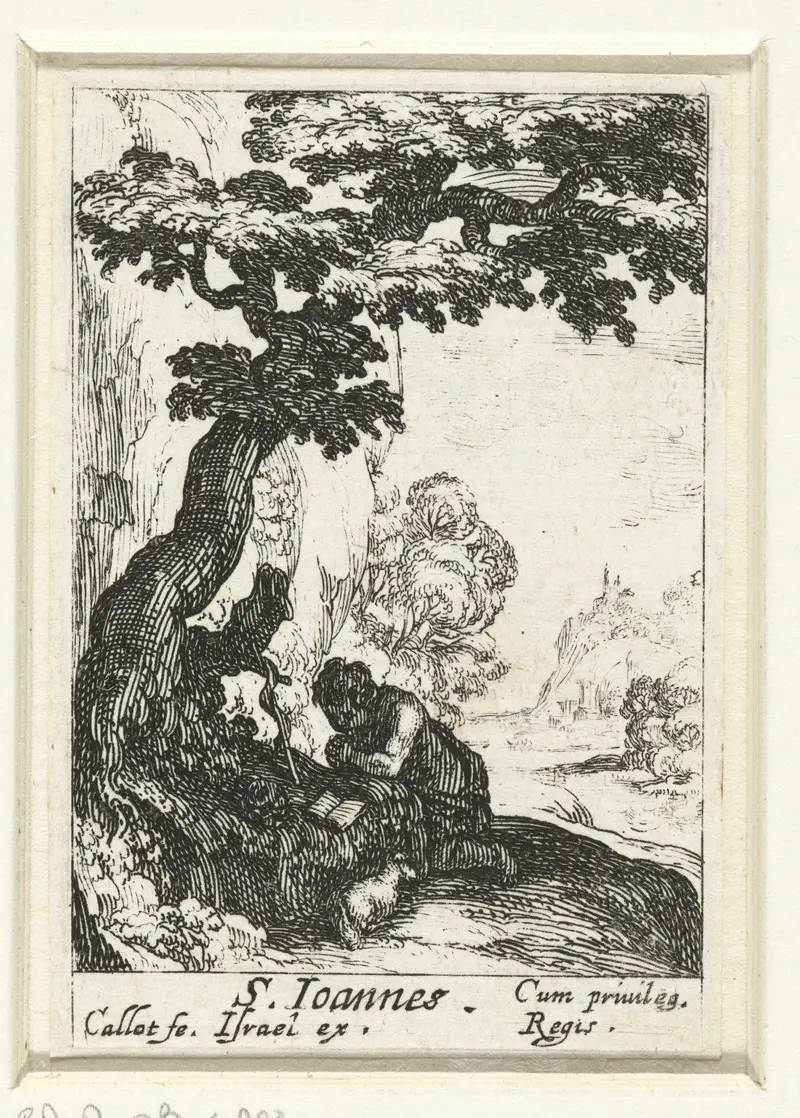
De boetvaardige Johannes de Doper
Jacques Callot





