
Planks Attached to Four Trees — History & Facts
A quiet puzzle sits at the heart of Planks Attached to Four Trees by Antonie Waterloo: the way human intervention merges almost seamlessly with the wildness of nature. The viewer’s eye is drawn first to the sturdy planks bridging the trunks, an improvised structure that hints at rural necessity or perhaps a forgotten boundary. The dense foliage crowds in from all sides, its intricate lines guiding you deeper into the shaded heart of the scene, where a thatched roof peeks out—half-hidden, as if the forest itself is reclaiming it.
Light filters gently from the upper right, catching the edges of leaves and the rough grain of wood, setting a mood of gentle enclosure rather than drama. The palette of ink and paper, with its subtle gradations, heightens the sense of intimacy and stillness. This work belongs to a world where landscape was not just a backdrop, but a subject worthy of attention in its own right—a hallmark of the Dutch Golden Age. Artists like Waterloo found poetry in the everyday countryside, and their prints and drawings were often collected by merchants and burghers eager to bring a piece of the rural world into their city homes.
The etching, donated to Wikimedia Commons by the National Gallery of Art, stands as a quiet testament to this tradition. Though little is recorded about this specific sheet, its survival in a major collection speaks to the enduring appeal of such scenes. Look again at the meeting of wood and water, and see how the artist’s hand lingers over every branch and board, inviting you to linger too.
More Artworks by Antonie Waterloo
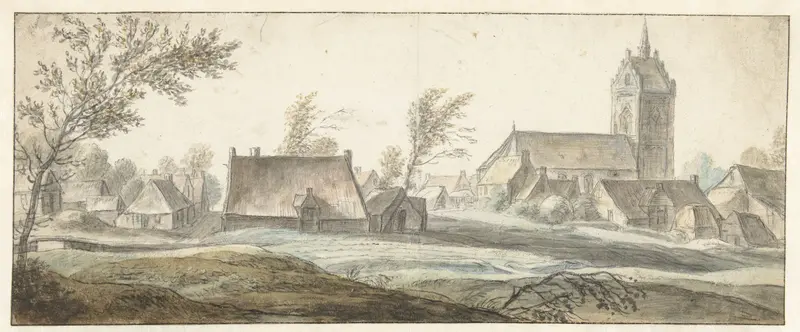
Gezicht op het dorp Soest
Antonie Waterloo
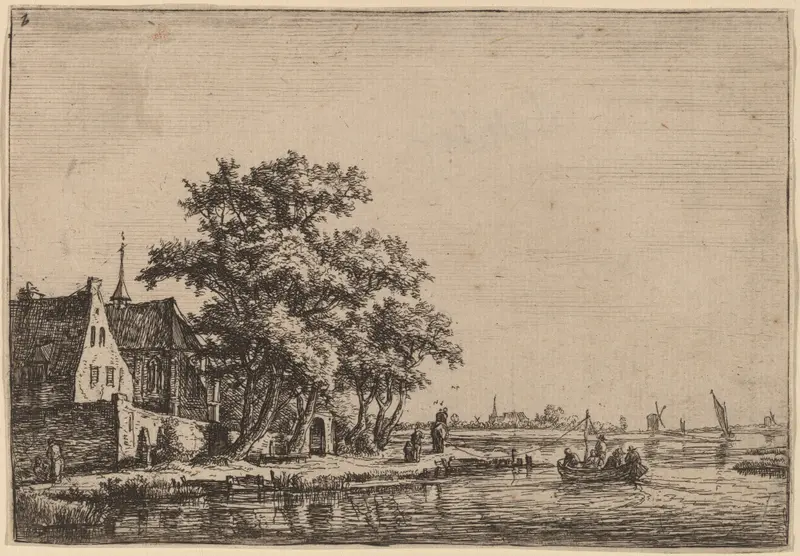
Churchyard at the Waterside
Antonie Waterloo
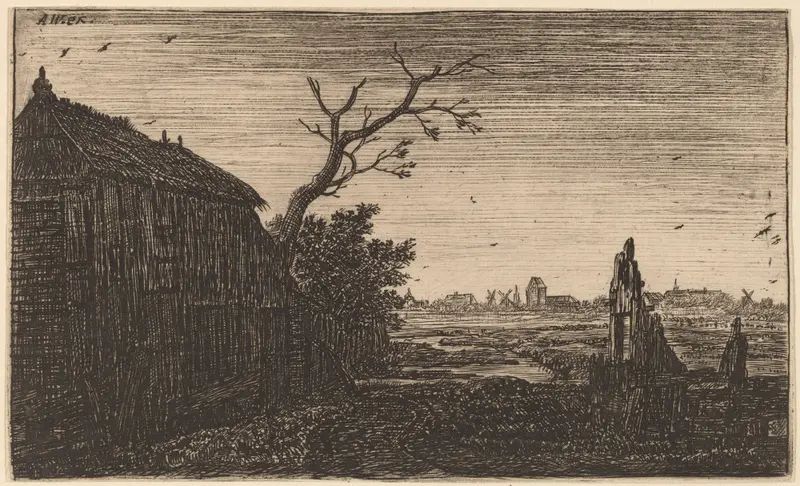
The Sluice
Antonie Waterloo
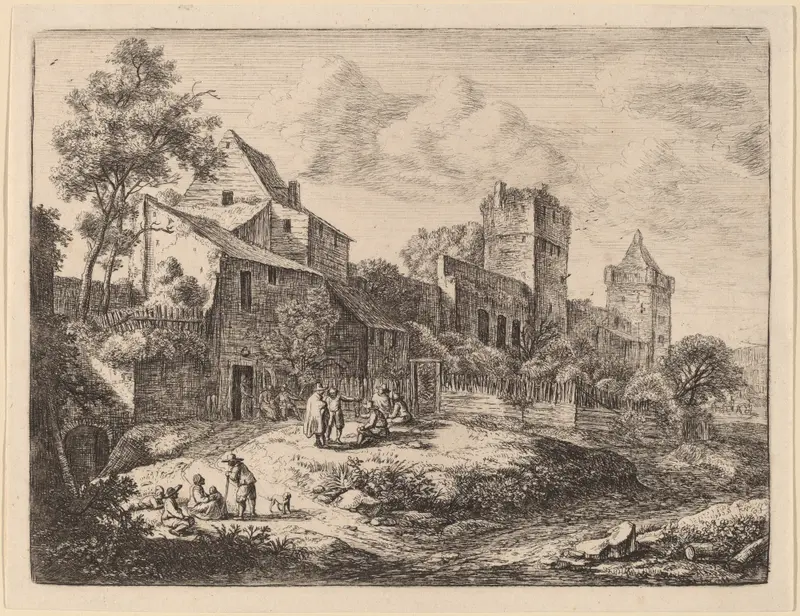
Square in Front of an Inn
Antonie Waterloo
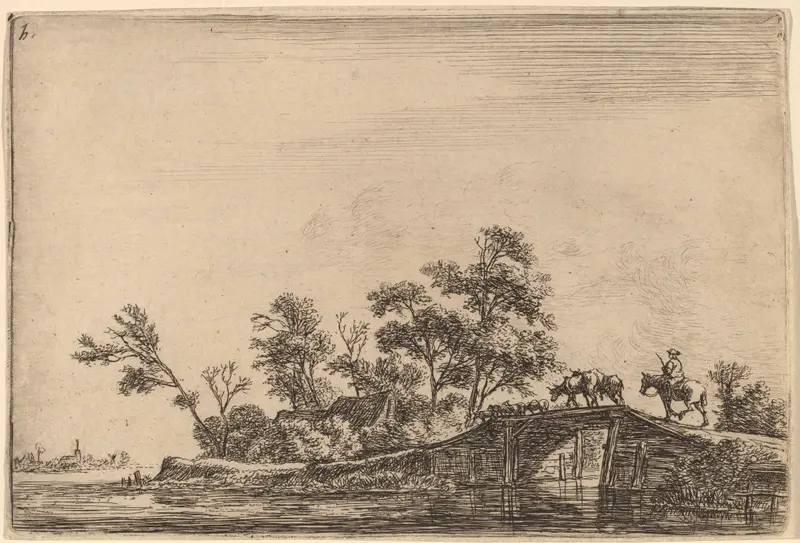
Rider and Flock on a Bridge
Antonie Waterloo
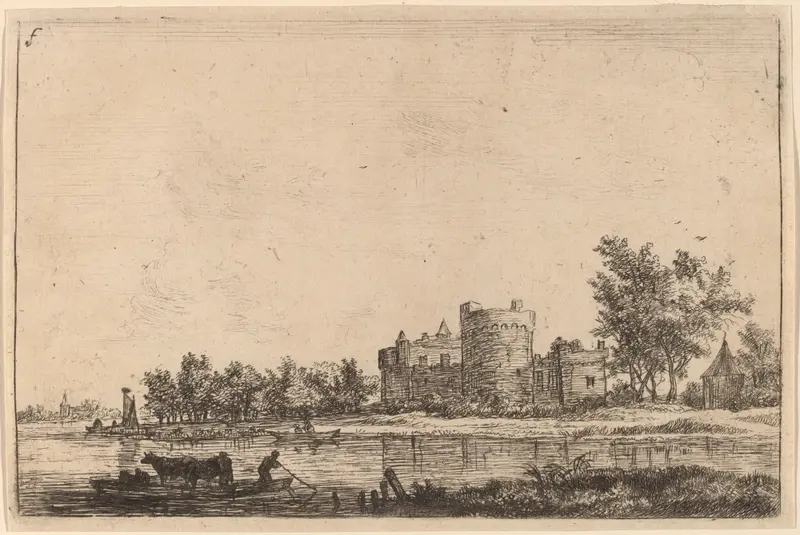
Two Cows on a Ferry
Antonie Waterloo
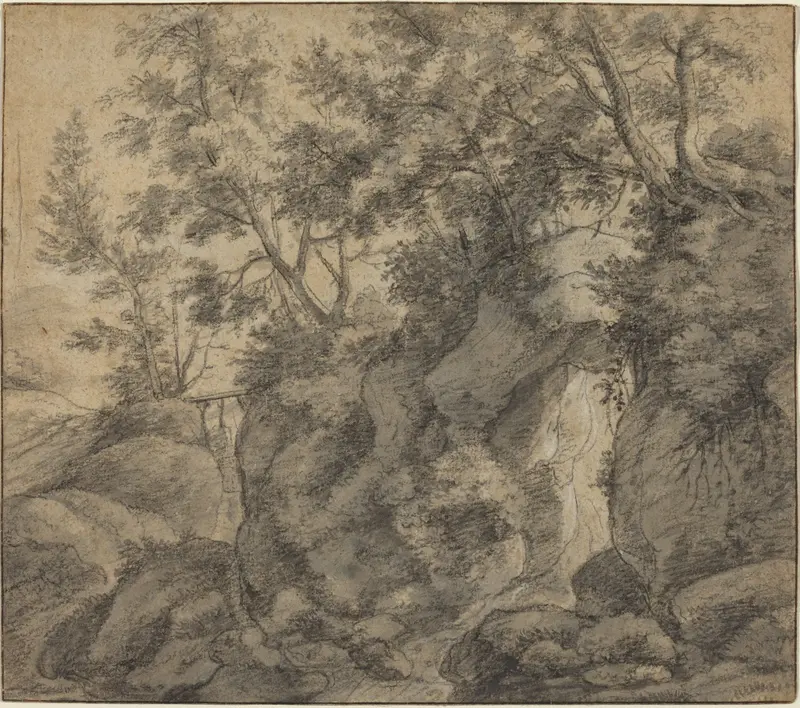
Landscape with a Wooded Ravine
Antonie Waterloo
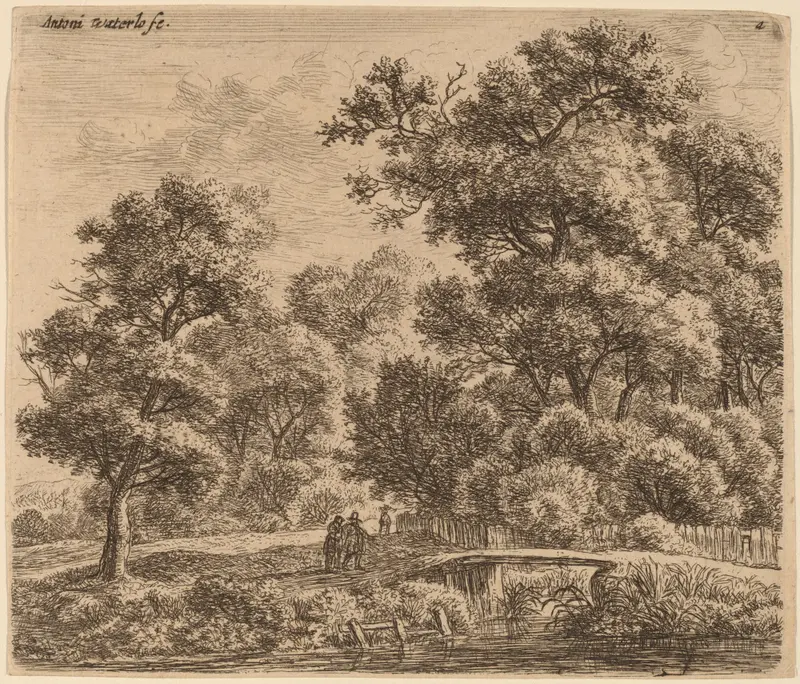
Wooded Landscape with a Bridge
Antonie Waterloo
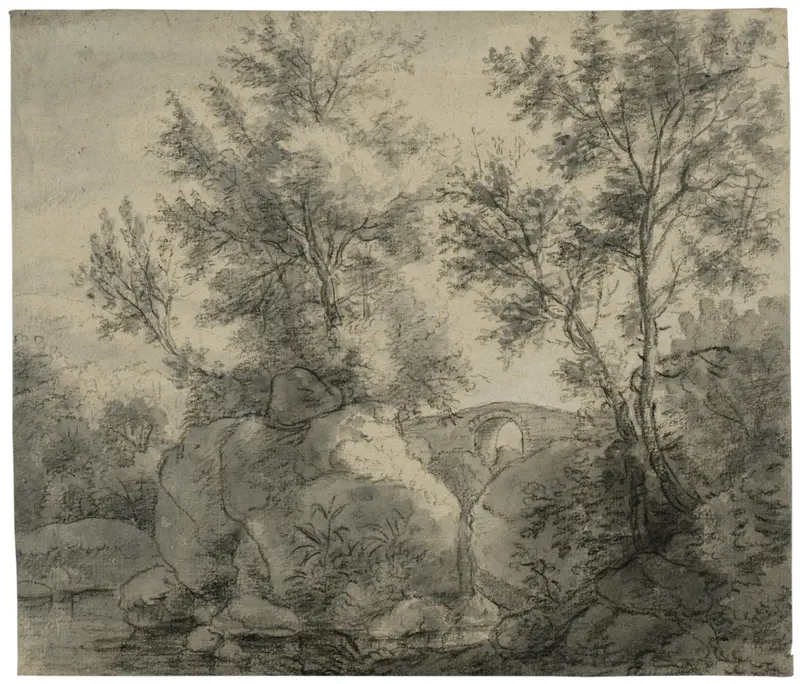
Rocky Landscape with a Stone Bridge
Antonie Waterloo
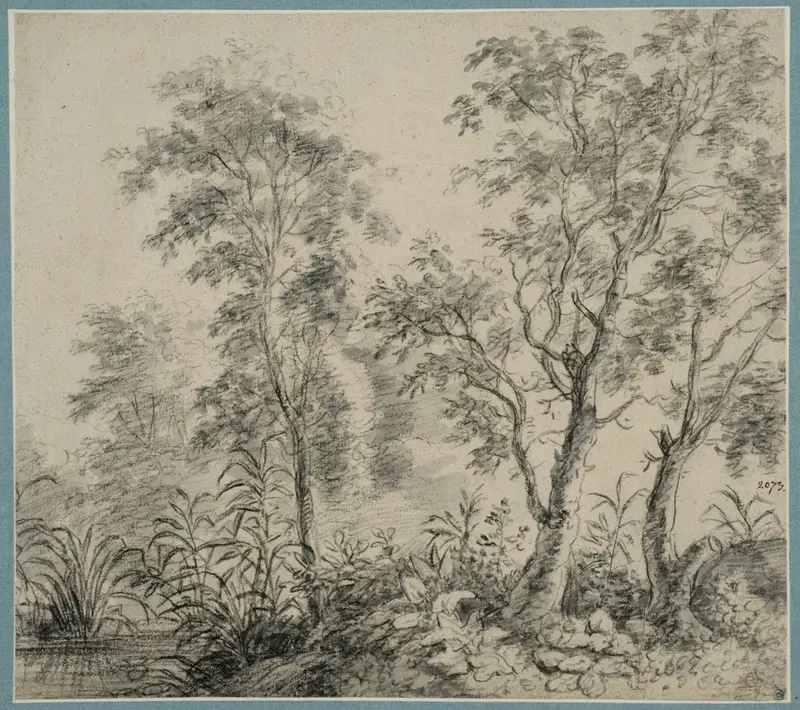
River Bank with a Row of Trees
Antonie Waterloo
More Landscape Art

The Starry Night
Vincent van Gogh

View of Delft
Johannes Vermeer

Water Lilies
Claude Monet

The Grand Canal, Venice, looking north-west from the Ca' Corner to the Ca' Contarini degli Scrigni, with the campanile of Santa Maria della Carità
Canaletto

Windsor Castle
Canaletto

The Grand Canal looking North-East from the Palazzo Dolfin-Manin to the Rialto Bridge
Canaletto