
Plaster Cupid — History & Facts
In Plaster Cupid, color becomes not just a tool, but a language through which emotion speaks, revealing the quiet complexities of desire and longing. Look to the center of the canvas, where a mischievous Cupid, rendered in muted tones of ochre and gray, stands poised yet still. The texture of the plaster is palpable, inviting the viewer to trace their eyes over the slight imperfections that hint at the artist's hand. Surrounding him, soft greens and earthy browns wrap the figure, creating an intimate cocoon that highlights both vulnerability and strength.
Notice how the subtle variations in hue dance across the surface, suggesting light filtering through leaves, echoing the delicate interplay between love and nature. The contrast within this piece is striking; the playful subject of the amorous god juxtaposes the somberness of the color palette. Each brushstroke carries an air of contemplation, hinting at the tension between celestial joy and earthly sorrow. The dispassionate representation of Cupid challenges the viewer to reconsider the archetype of love itself, presenting a figure that is both alluring and transient, embodying the ephemeral nature of passion in a world often indifferent to its fragility. During the years 1894-1895, Cézanne painted this work amidst a transformative period in his life, residing in Aix-en-Provence.
His reputation was still growing, as he sought to redefine impressionism through a more structured approach to form and color. The art world was evolving rapidly around him, with movements like post-impressionism emerging, and yet he remained dedicated to a personal journey, creating works that would ultimately inspire future generations.
More Artworks by Paul Cezanne
Browse all →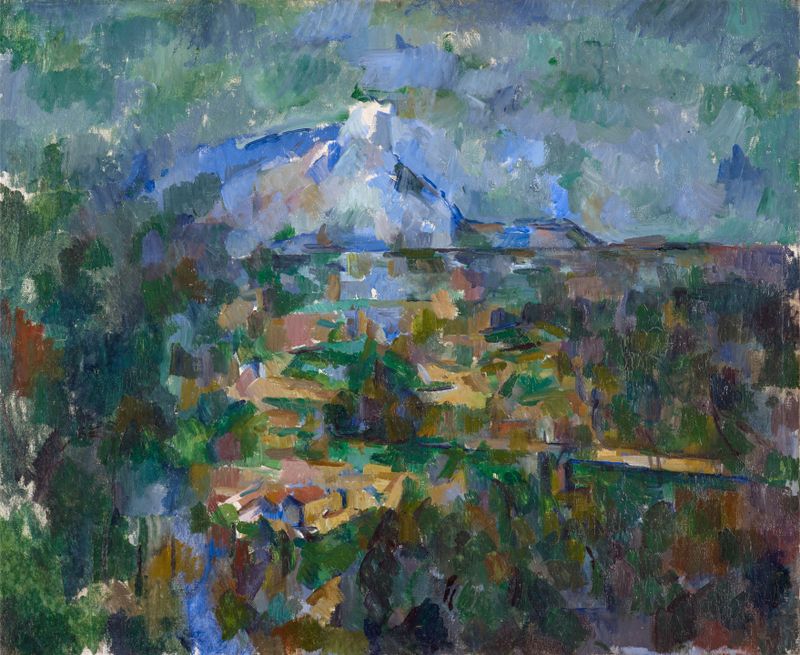
The Mont Sainte-Victoire Seen From Les Lauves
Paul Cezanne
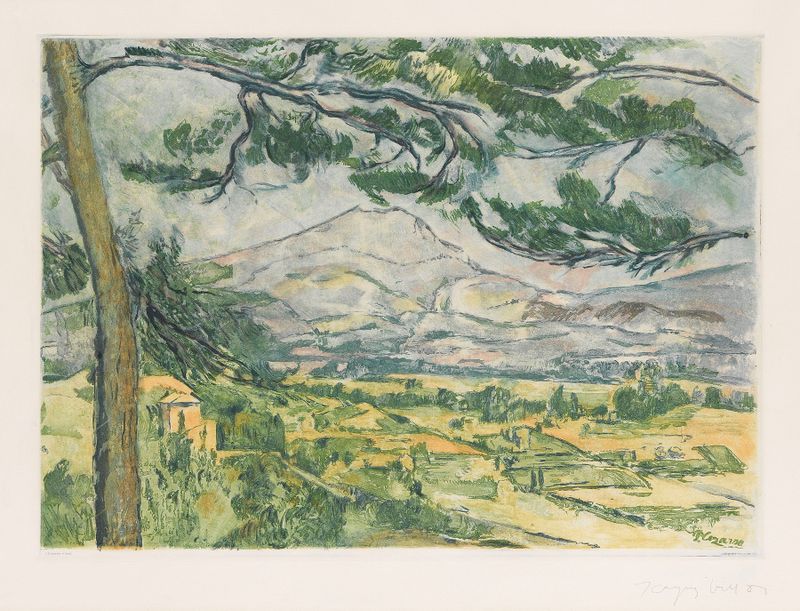
La Montagne Sainte-Victoire
Paul Cezanne
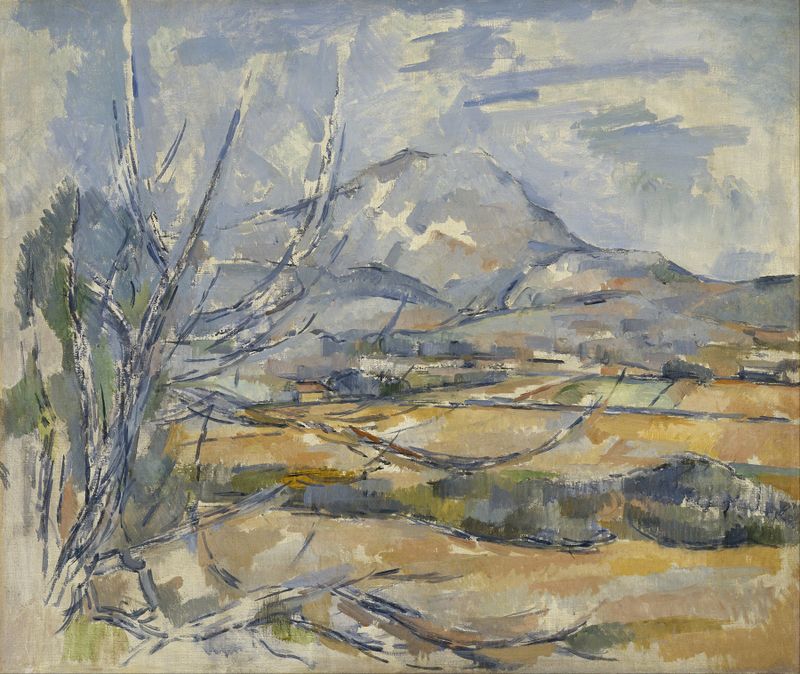
Montagne Sainte-Victoire
Paul Cezanne
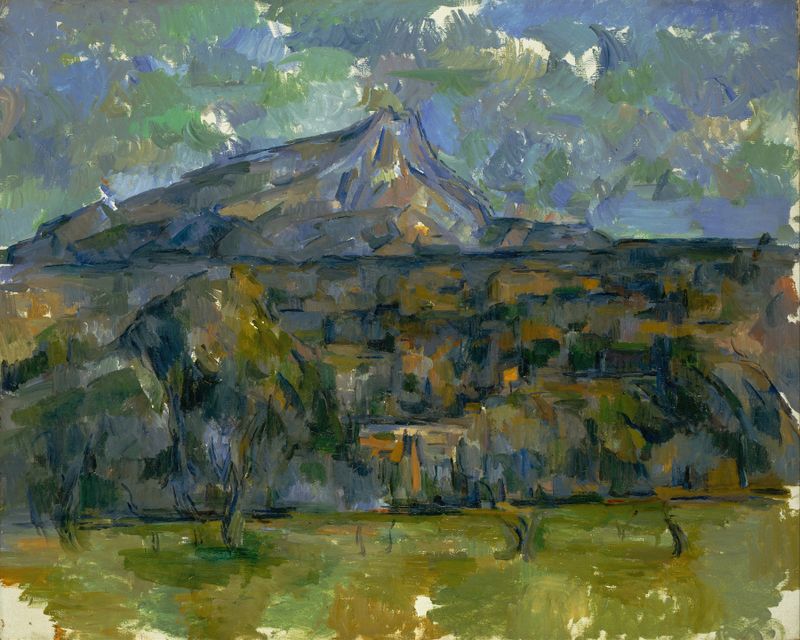
Mont Sainte-Victoire
Paul Cezanne
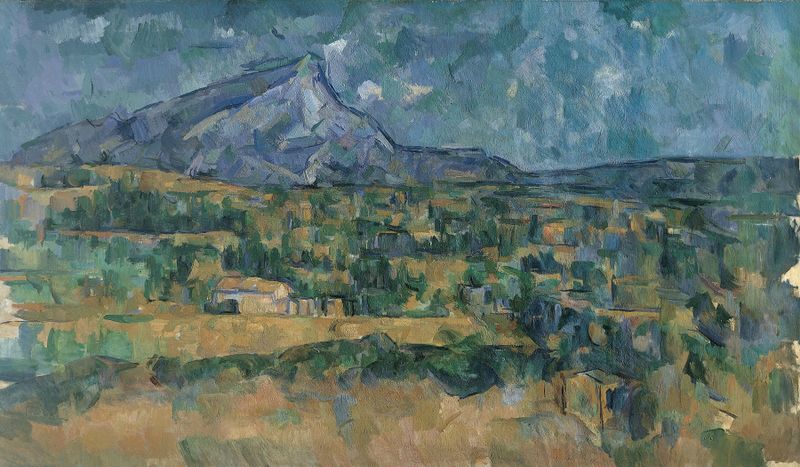
Mont Sainte-Victoire
Paul Cezanne
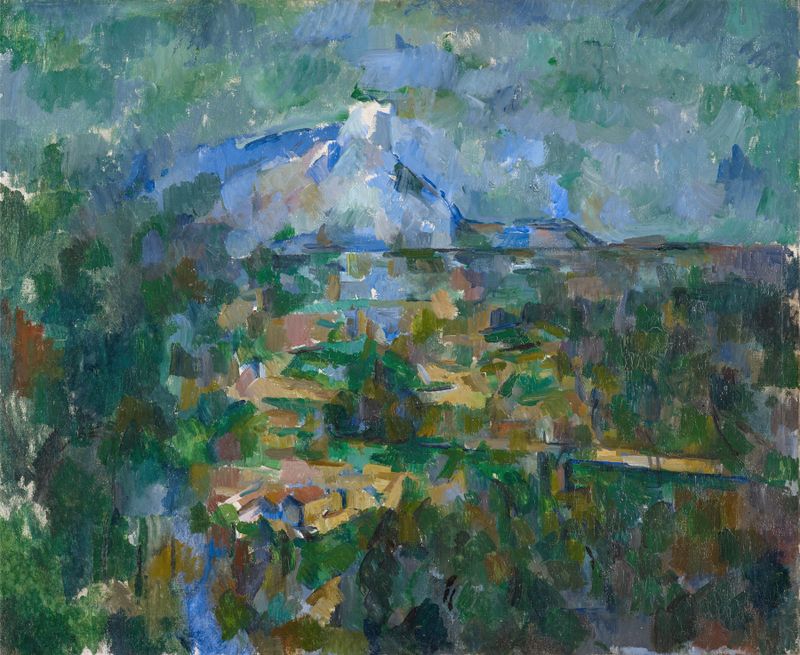
View of Mount Sainte-Victoire from Les Lauves
Paul Cezanne
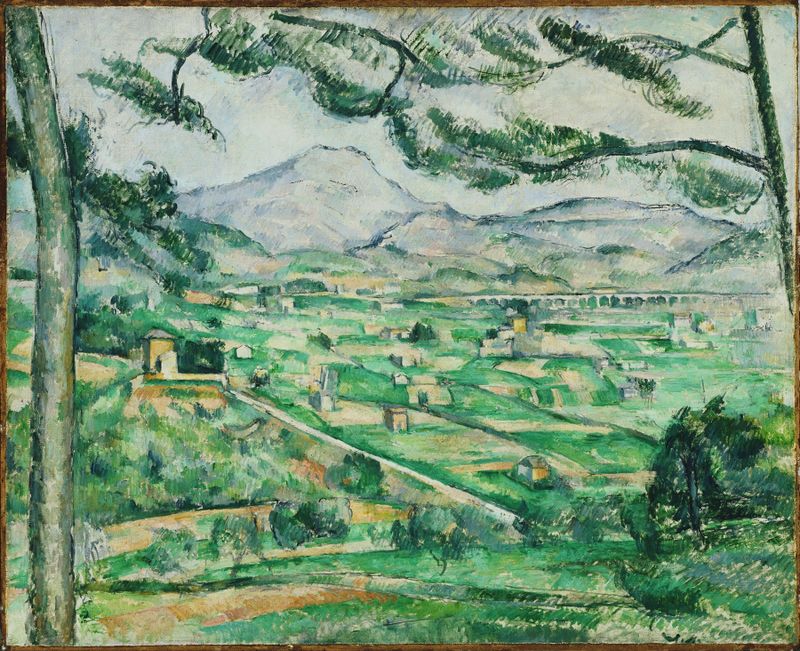
Mont Sainte-Victoire 2
Paul Cezanne

The Basket of Apples
Paul Cezanne

Mount Sainte-Victoire
Paul Cezanne
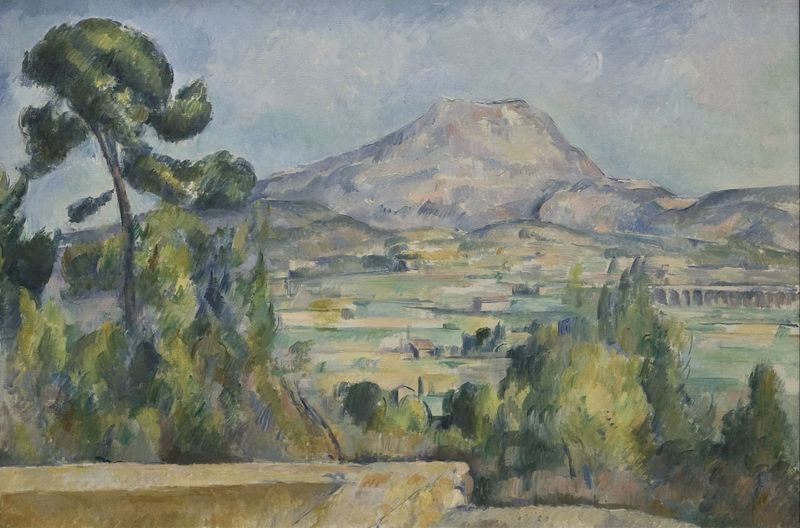
Montagne Saint-Victoire
Paul Cezanne





