
Play of the Nereides — History & Facts
What first seizes the eye in Play of the Nereides is the sense of wild, tumbling movement—an entire mythic world caught in the spray and surge of the sea. The nereids, daughters of the ancient sea god Nereus, twist and dive around a jagged outcrop, their bodies half-human, half-fish, rendered with a playful sensuality. One nereid tumbles headfirst over the rocks, her tail arcing into the sunlight, while another lounges above, peering down with a conspiratorial smile.
The foam and spray are not just backdrop but active participants, blurring the boundary between creature and element, and the palette—stormy blues, pearlescent whites, flashes of coral—charges the scene with energy and mischief. Painted in 1886, this work by Arnold Böcklin belongs to a moment when artists across Europe were turning to myth and legend, not for moral lessons but for their power to conjure other worlds. Böcklin’s nereids are not the stately muses of classical sculpture but living, laughing beings, closer to the unruly spirits of Romantic poetry. Such paintings were often made for private collectors, eager to fill their homes with visions that promised escape from the industrial city.
Now held in the Kunstmuseum Basel, Play of the Nereides survives as a testament to the era’s fascination with myth remade for modern eyes—a painting that invites you to linger, searching for every hidden face in the foam.
More Artworks by Arnold Böcklin

Die Toteninsel III
Arnold Böcklin
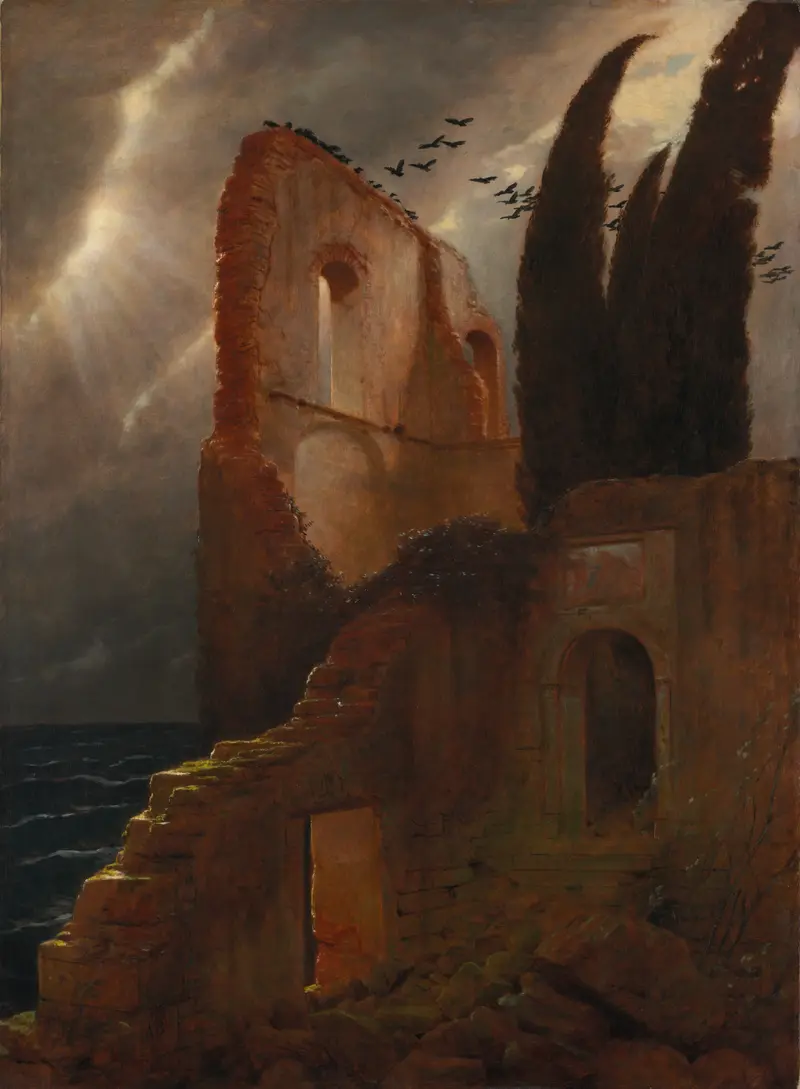
Ruin by the Sea
Arnold Böcklin
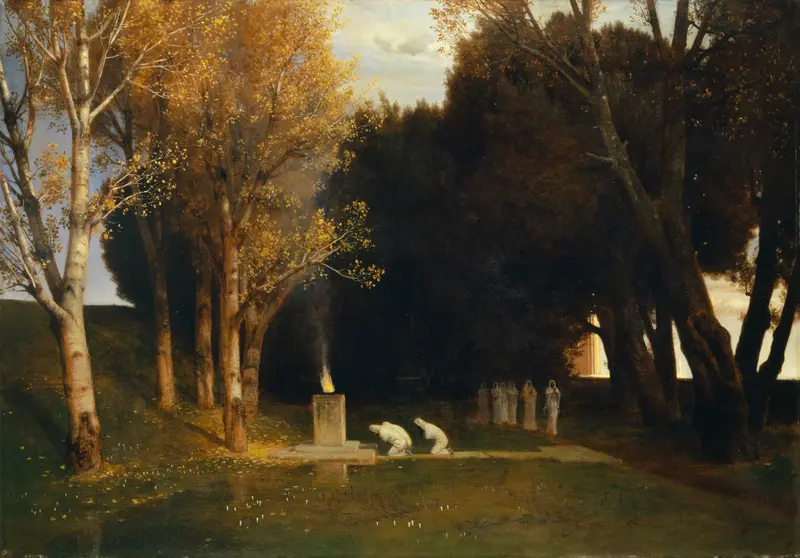
The Sacred Grove
Arnold Böcklin
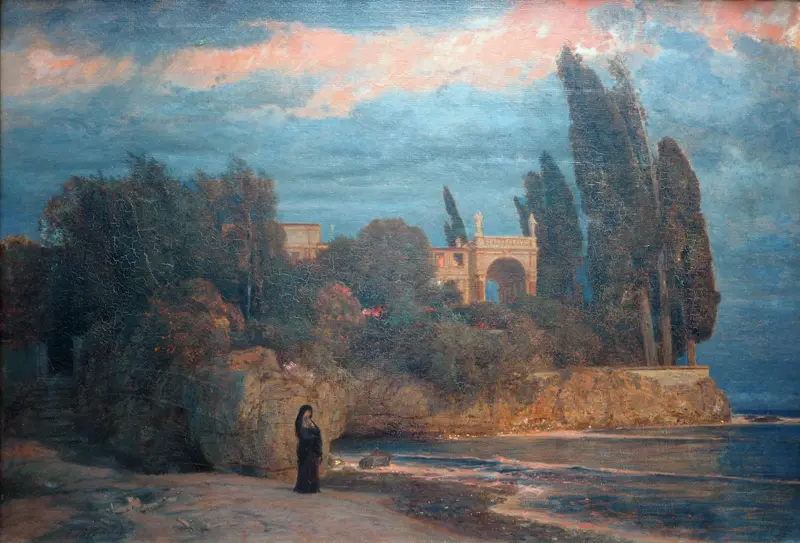
Villa by the Sea
Arnold Böcklin
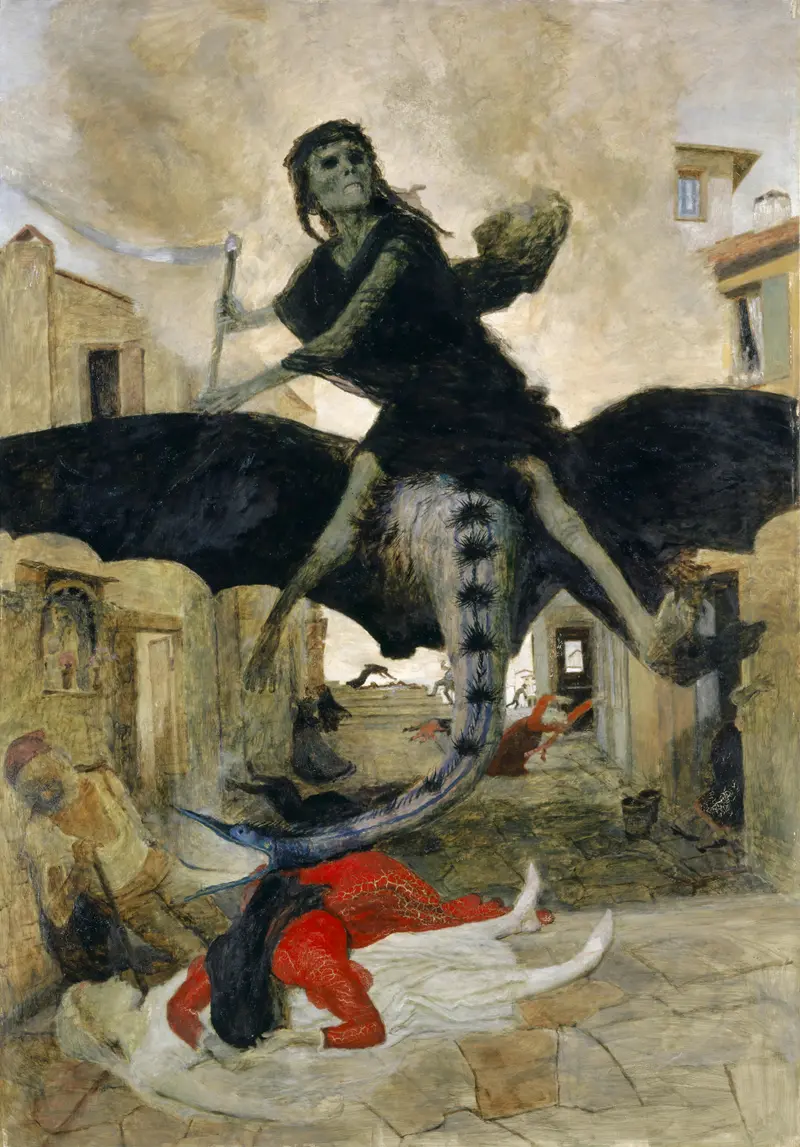
The Plague
Arnold Böcklin
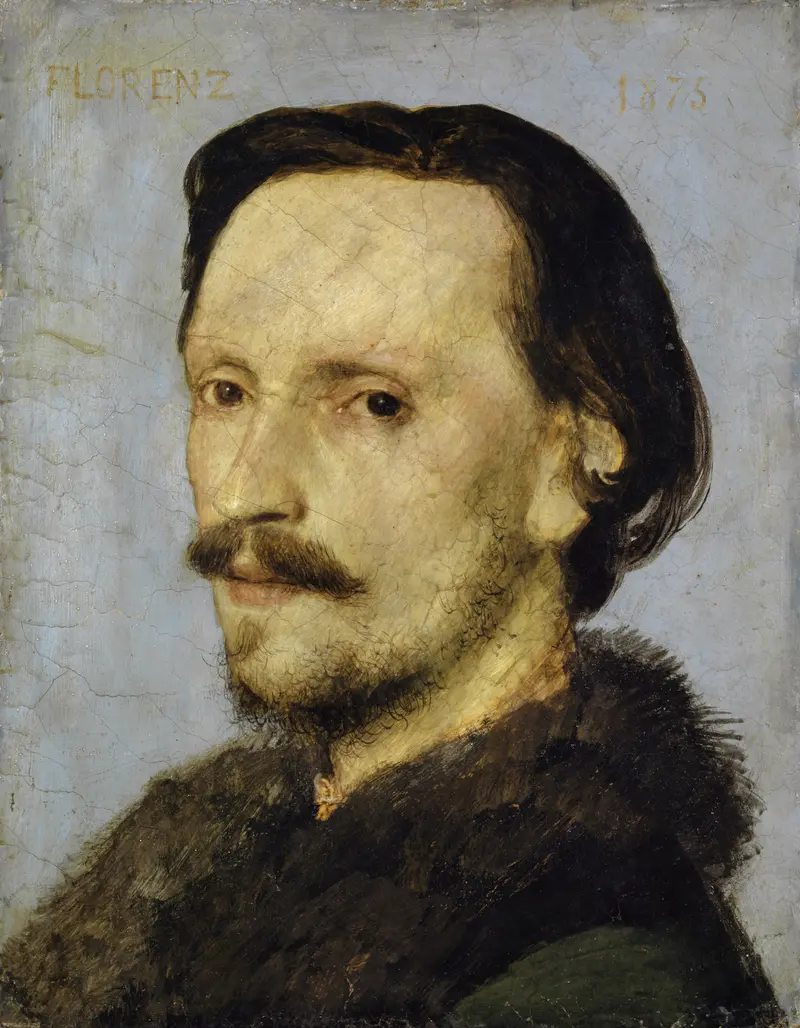
Böcklin Bildnis des Kunsthistorikers Adolph Bayersdorfer, 1875
Arnold Böcklin
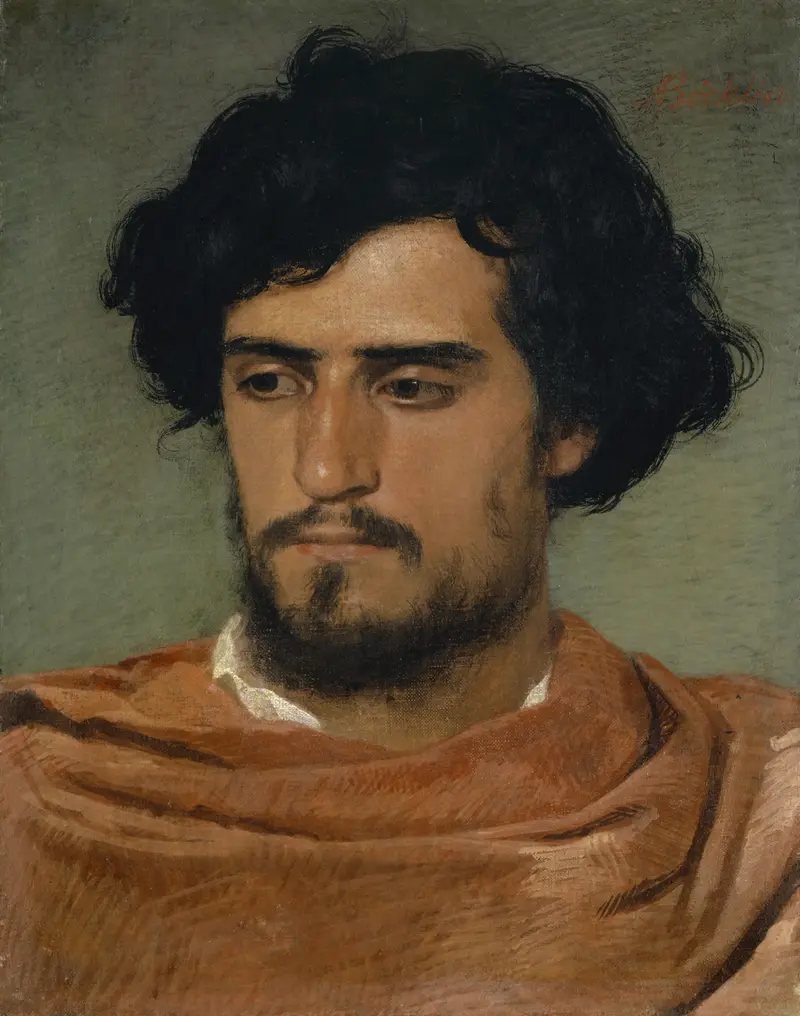
Head of a Roman
Arnold Böcklin
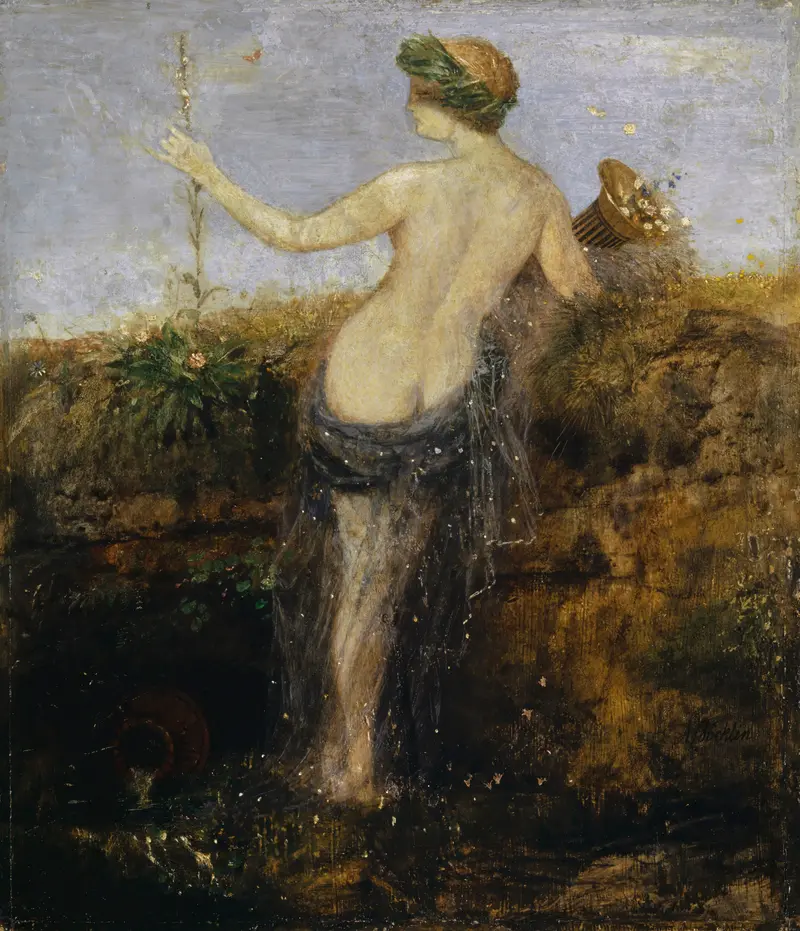
Nymphe with Horn of Plenty
Arnold Böcklin
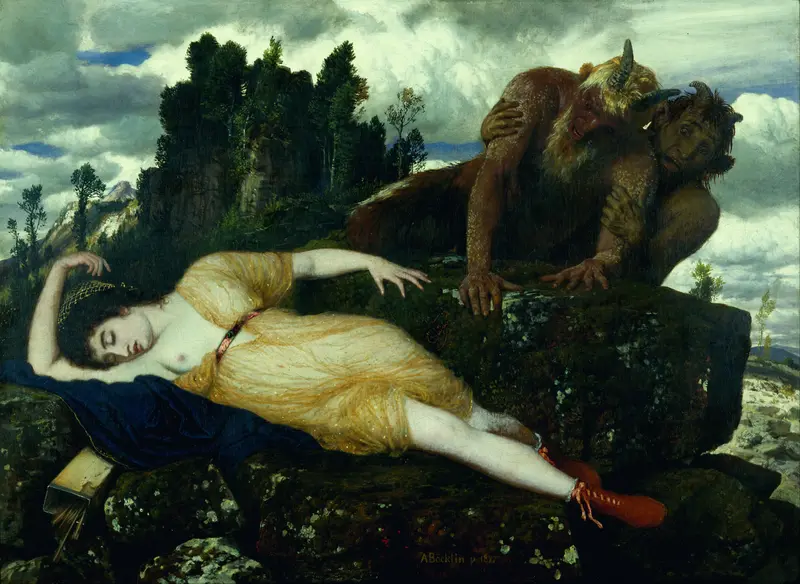
Sleeping Diana Watched by Two Fauns
Arnold Böcklin
Spring (Songs of Spring)
Arnold Böcklin





