
Playing a ish — History & Facts
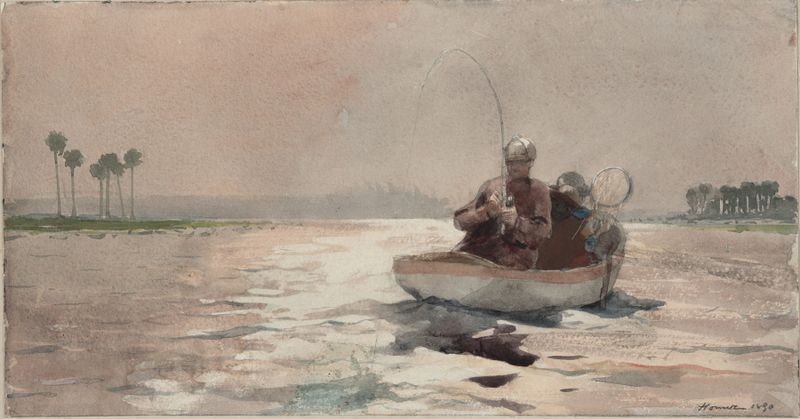
Could a single brushstroke hold eternity? In the delicate interplay of light and shadow, Playing a Fish captures a fleeting moment that reverberates through memory and emotion, inviting the viewer to linger in its quiet depths. Focus on the boy at the water's edge, his outstretched hand cradling a gleaming fish, the essence of triumph and innocence radiating from his stance. The soft blues and greens of the water contrast with the warm earth tones of the boy’s skin, emphasizing the life and vibrancy of nature. Notice how the sunlight dances on the water's surface, creating a shimmering pathway that leads the eye to the horizon, suggesting both possibility and a fleeting moment in time. Within this serene tableau, there is a poignant tension between the boy's exuberance and the inherent fragility of life.
The fish, a symbol of both sustenance and the ephemeral nature of childhood joys, lies in his grasp, while the serene background hints at the vastness of the world beyond. This moment encapsulates a blend of triumph and transience, inviting reflection on the inexorable passage of time and memory. In 1875, Winslow Homer was deeply engaged in his artistic practice, living in a period marked by exploration and growth in American art. He painted this work during a time when he was transitioning from the dramatic scenes of war to the quieter, more intimate depictions of everyday life, seeking to capture the essence of human experience.
The exploration of youth and nature reflects both his personal journey and the broader narrative of a nation finding its identity through art.
More Artworks by Winslow Homer
Browse all →
The Gulf Stream
Winslow Homer
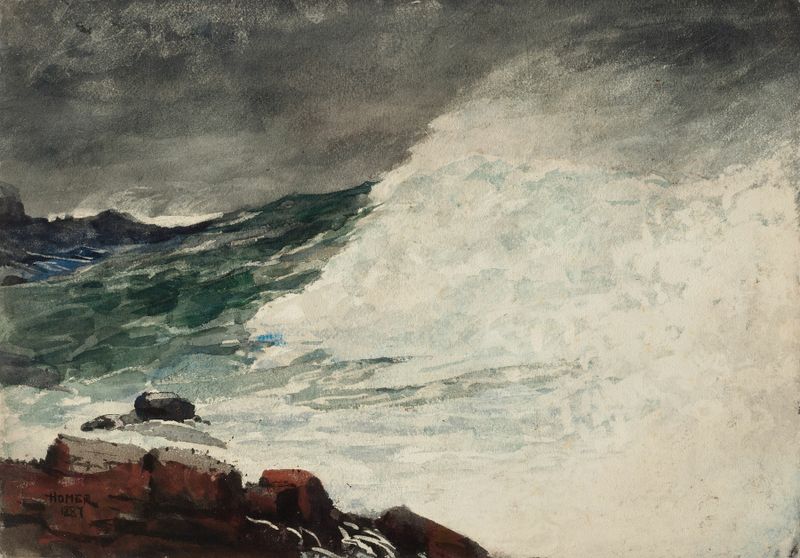
Prout’s Neck, Breaking Wave
Winslow Homer
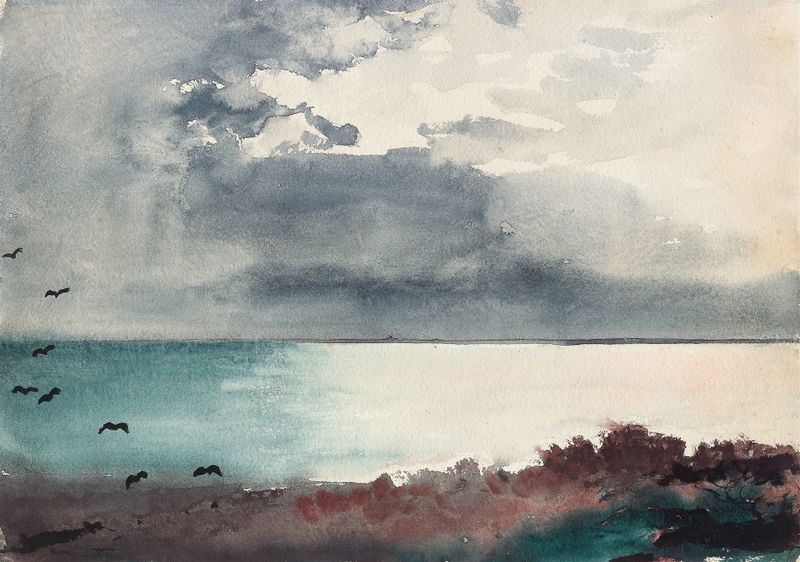
Breaking Storm, Coast of Maine
Winslow Homer
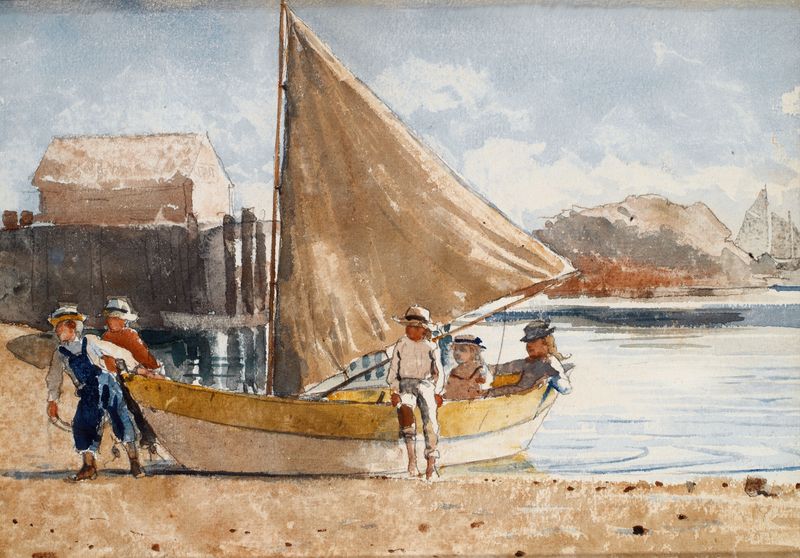
Summertime
Winslow Homer
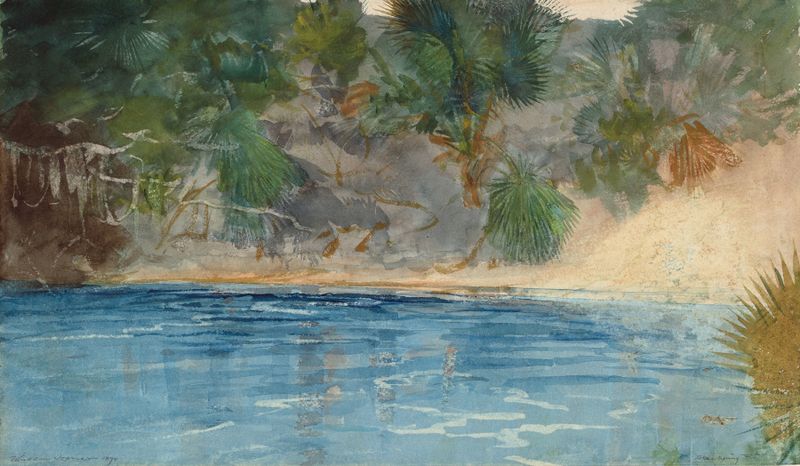
Blue Spring, Florida
Winslow Homer
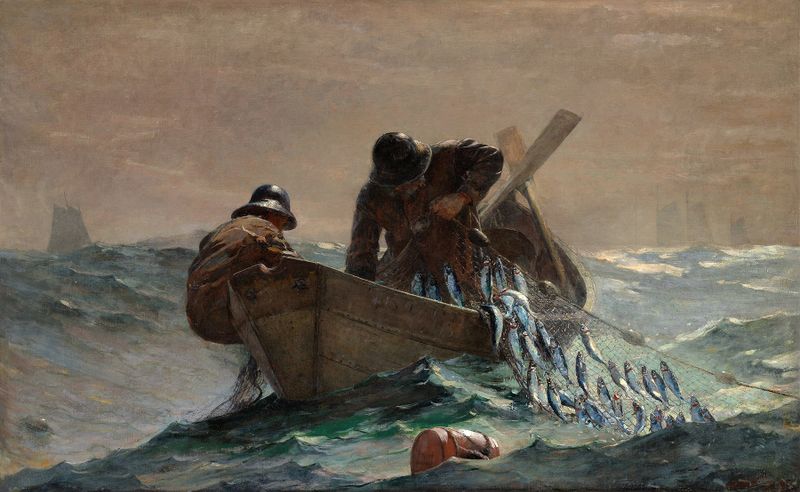
The Herring Net
Winslow Homer
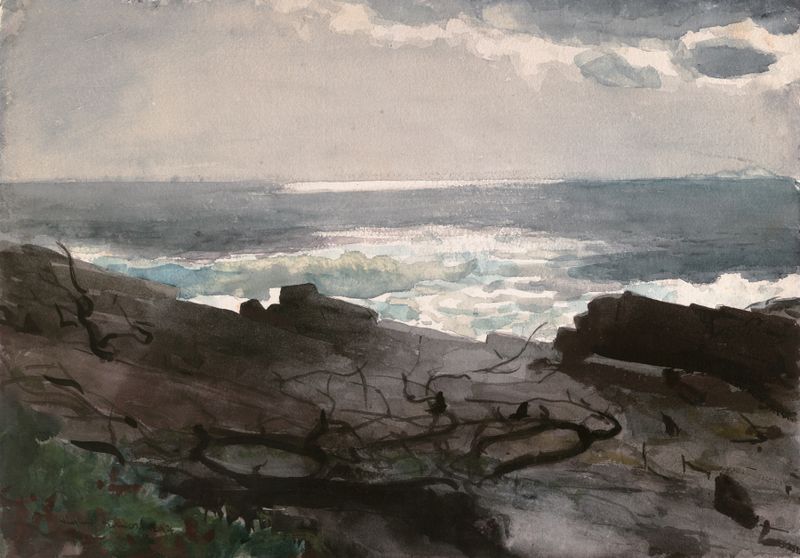
Sunshine and Shadow, Prout’s Neck
Winslow Homer
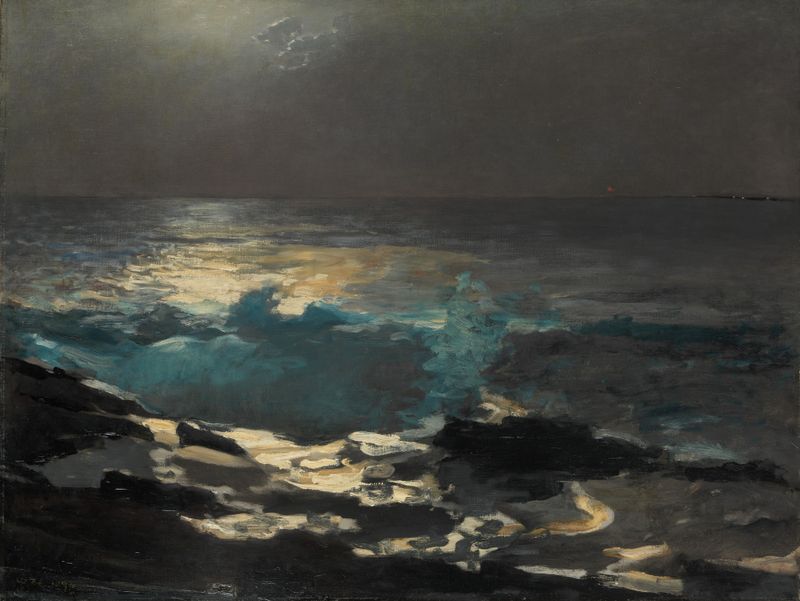
Moonlight, Wood Island Light
Winslow Homer
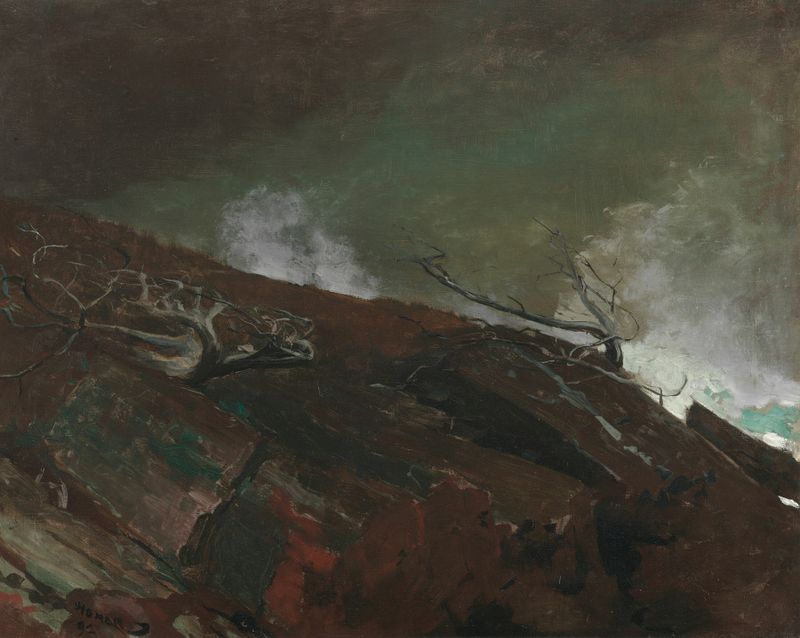
Coast of Maine
Winslow Homer
Bass Fishing – Florida
Winslow Homer





