
Pleasure Garden — History & Facts
In a lush garden awash with the soft light of a fading afternoon, figures recline on vibrant patches of green, lost in their own reveries. Laughter mingles with the rustle of leaves, as the distant melody of a lute beckons from a nearby alcove. The air is thick with the scent of blossoms, and time seems to shimmer, suspended in this serene moment of leisure. Look to the left, where a pair of elegantly dressed figures engage in animated conversation, their hands gesturing animatedly as if weaving a tapestry of shared secrets.
Notice the vivid hues of their garments—deep reds and lush greens—that pulse with life against the pastel sky. The artist employs a dappled technique, using light and shadow to create depth, drawing the viewer’s gaze along meandering paths that invite exploration. Each brushstroke seems to echo the gentle sway of the garden, enveloping us in its dreamlike embrace. Beneath the surface, the scene hints at themes of indulgence and escape from the burdens of reality.
The interplay of light and shadow suggests fleeting moments of joy that contrast with the inevitable passage of time. The figures, while seemingly carefree, dwell in a transient harmony that questions whether such pleasure can endure outside the confines of this enchanted space. This work, created around 1590, stems from an era rich in the exploration of human emotion and the beauty of nature. The artist, though unknown, reflects a collective desire for escapism during a time when society grappled with the complexities of the Reformation and personal identity.
The painting captures not just a garden, but a universal longing for leisure and harmony amidst life's uncertainties.
More Artworks by Unknown Artist
Browse all →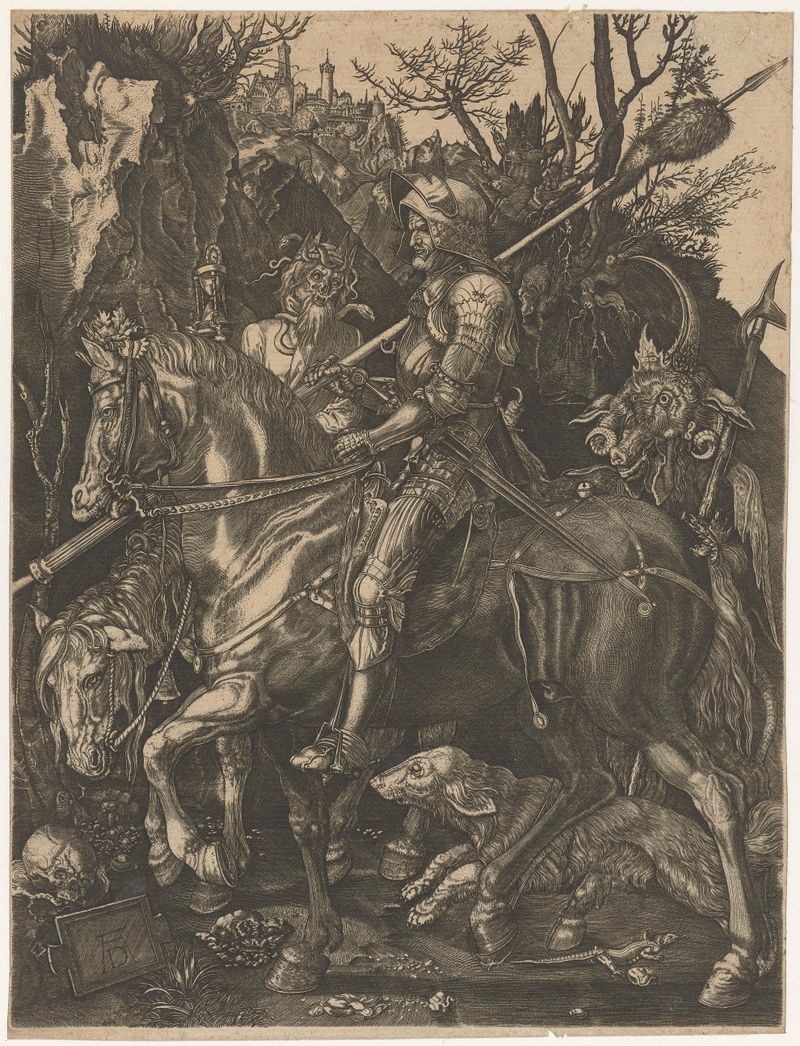
Ridder, Dood en Duivel
Unknown Artist
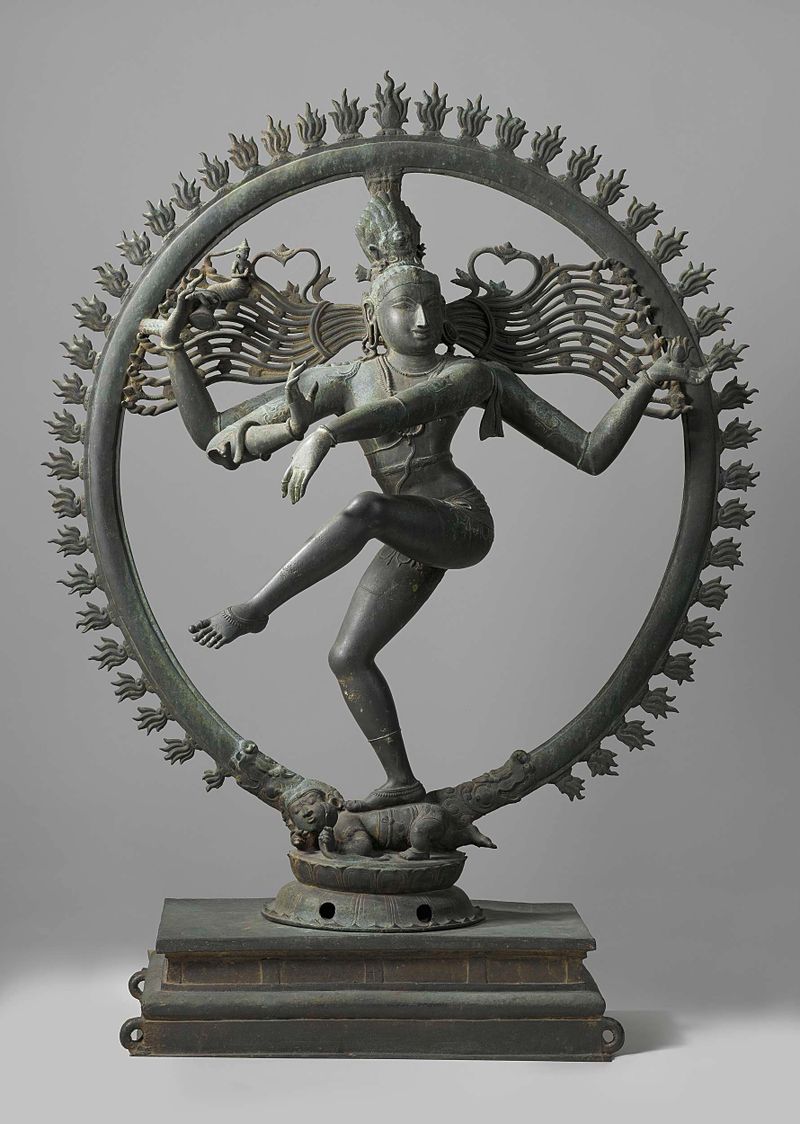
Shiva Nataraja
Unknown Artist
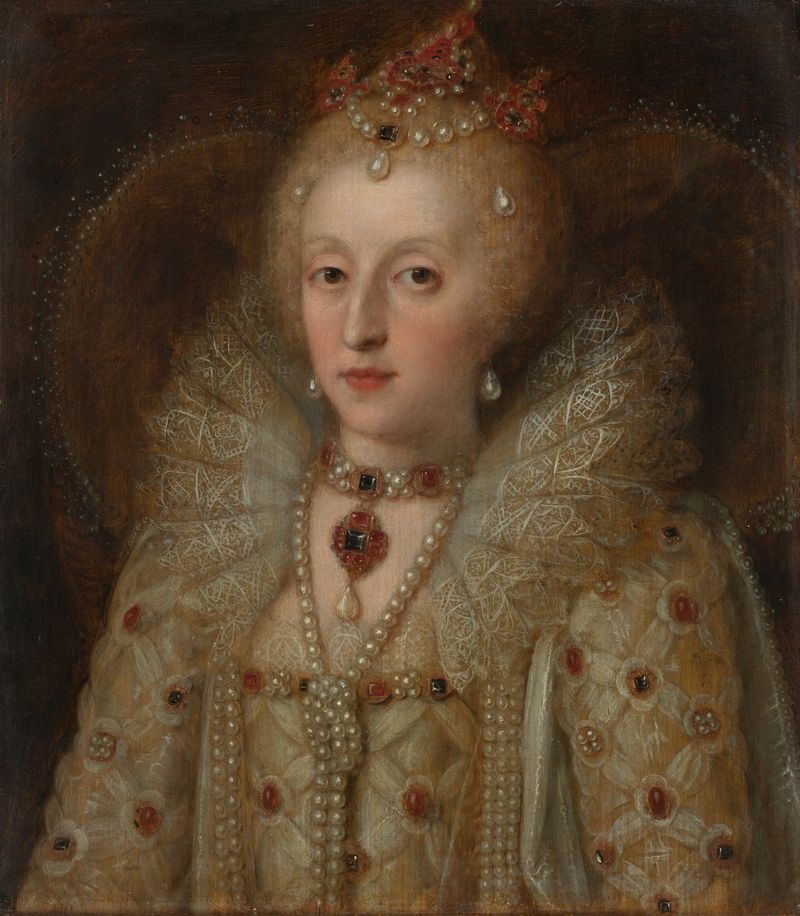
Portrait of Elizabeth I, Queen of England
Unknown Artist
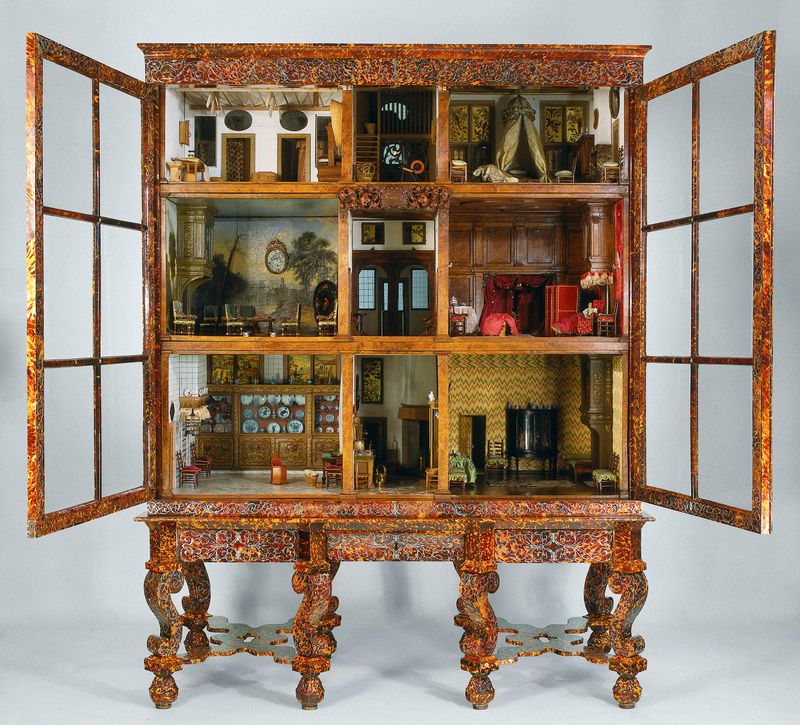
Dolls’ house of Petronella Oortman
Unknown Artist
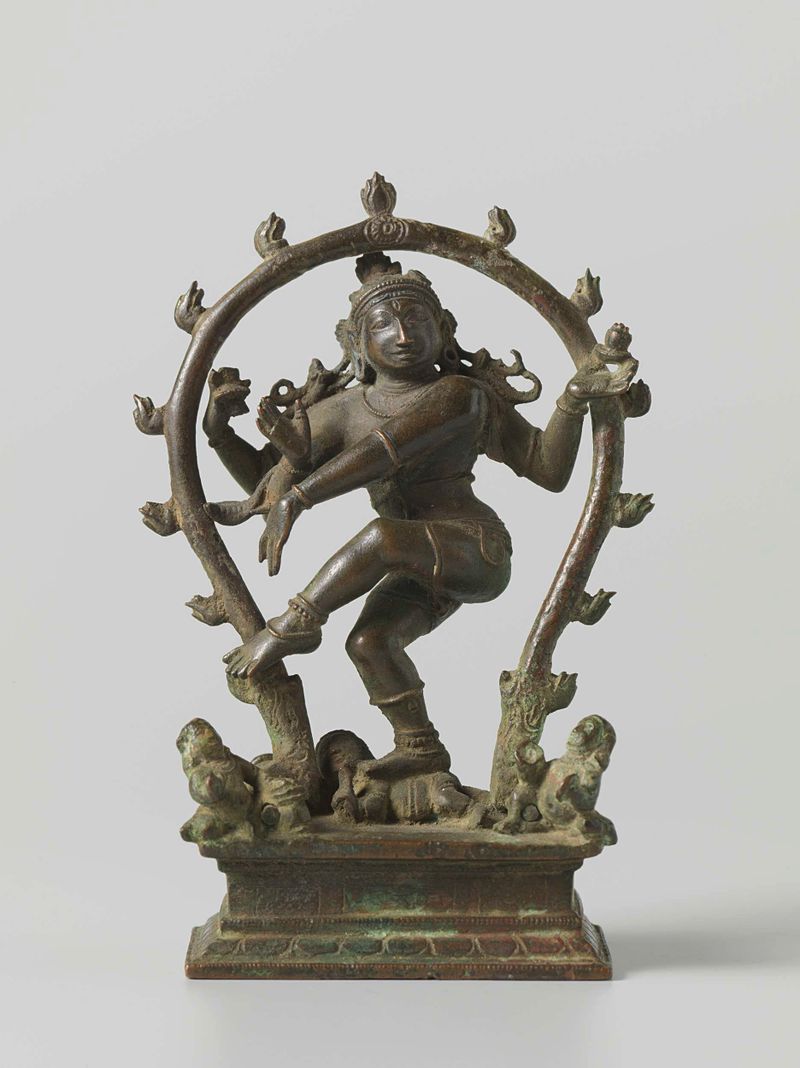
Shiva Nataraja
Unknown Artist

The Tale of Genji
Unknown Artist

The Tale of Genji
Unknown Artist

Cong
Unknown Artist
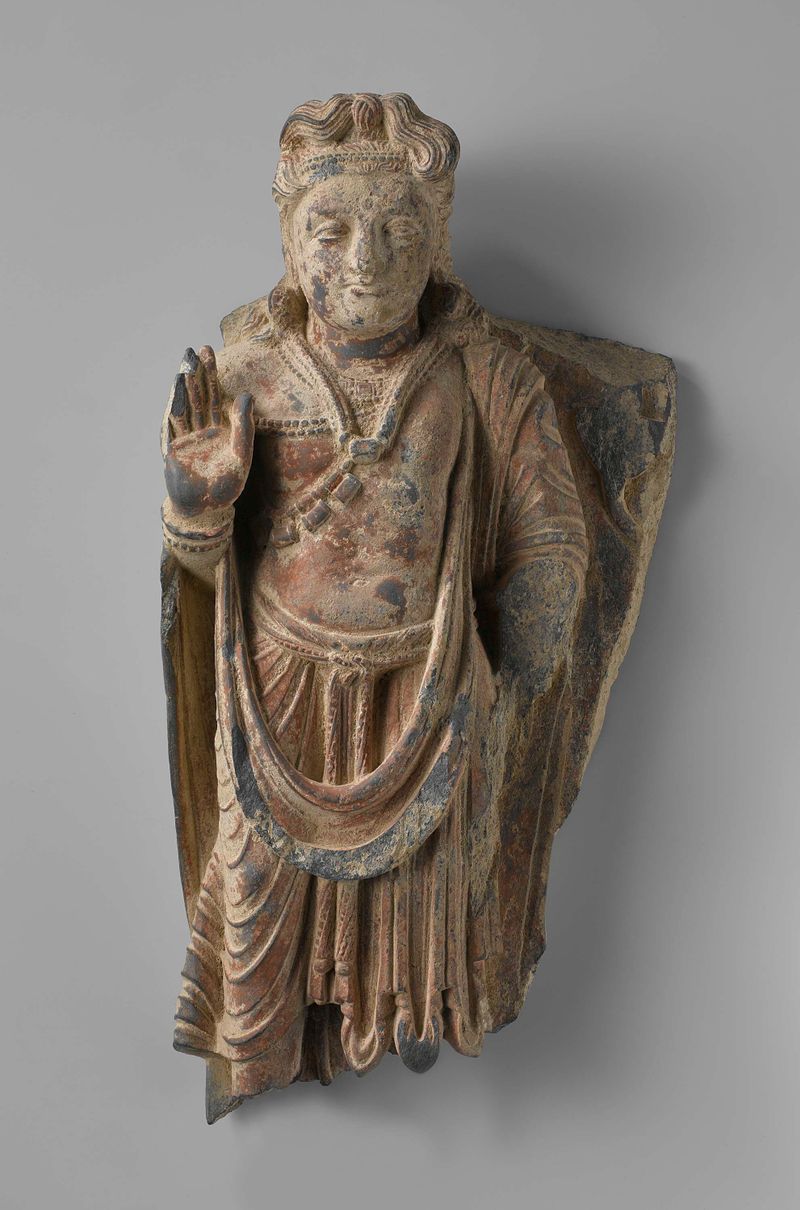
The bodhisattva Maitreya
Unknown Artist

Teabowl with a 'hare's fur' glaze
Unknown Artist





