Discover insights about this artwork
Ploughman in the Fields near Arles — History & Facts
In Ploughman in the Fields near Arles, vibrant colors dominate the canvas, showcasing a golden field under a bright blue sky. The central figure, a ploughman, is depicted in a dynamic pose, emphasizing the labor of farming. Surrounding him are lush green patches and the distant outlines of trees, creating a sense of depth.
The overall composition conveys the beauty of rural life in the south of France. This painting is characterized by Van Gogh's signature brushwork, which creates texture and movement throughout the scene. The use of bold colors, particularly yellows and greens, reflects the artist's emotional response to the landscape. The ploughman is rendered with expressive strokes, highlighting the physicality of his work.
This piece exemplifies Van Gogh's Post-Impressionist style, focusing on personal expression rather than realism. Vincent van Gogh painted Ploughman in the Fields near Arles during his time in the south of France, where he sought inspiration from the vibrant landscapes. This work is part of a series that reflects his fascination with rural life and the labor of the working class. An interesting fact about this painting is that it showcases Van Gogh's deep appreciation for nature and the simplicity of agricultural life.
His time in Arles was pivotal, influencing many of his most famous works.
More Artworks by Vincent van Gogh
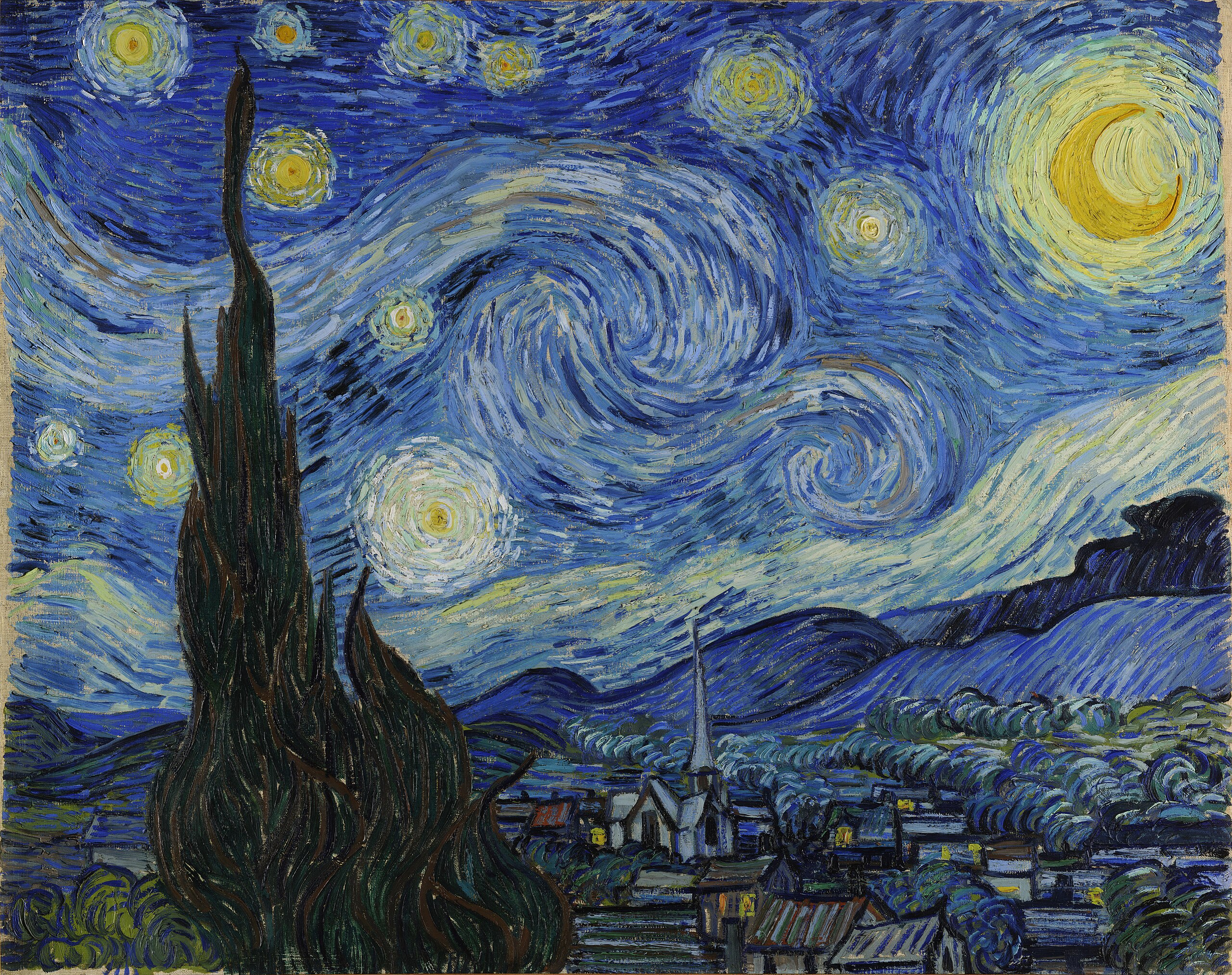
Starry Night
Vincent van Gogh
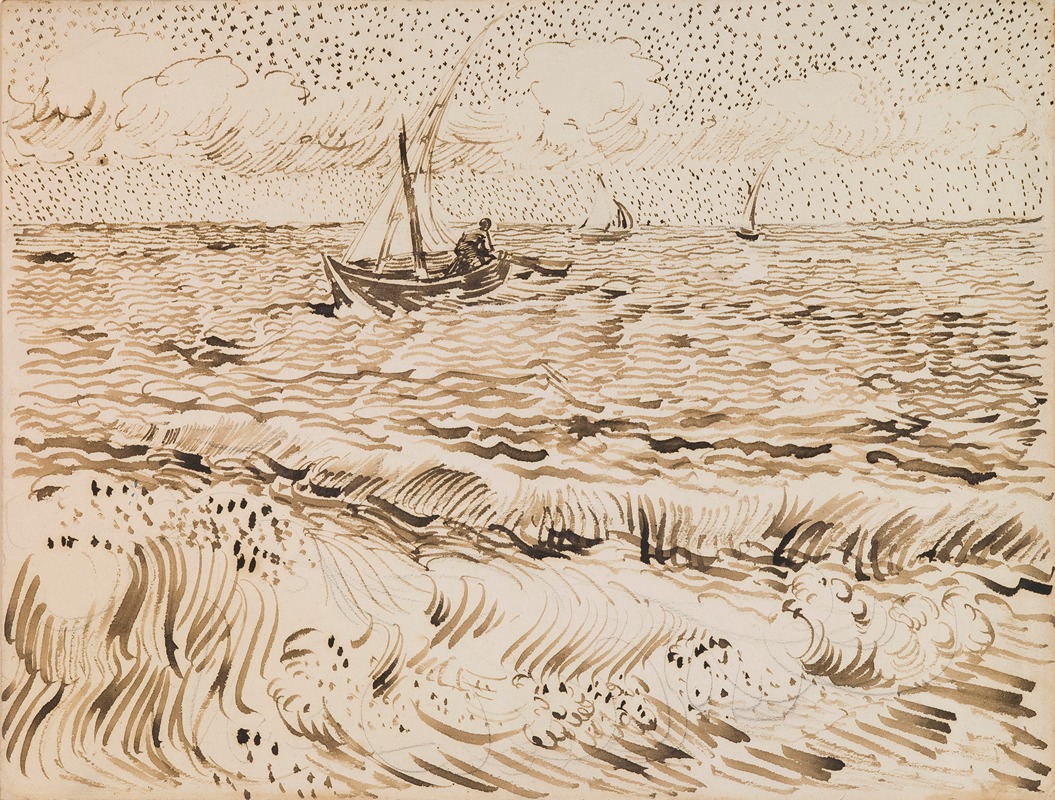
Fishing Boats at Saintes-Maries-de-la-Mer
Vincent van Gogh
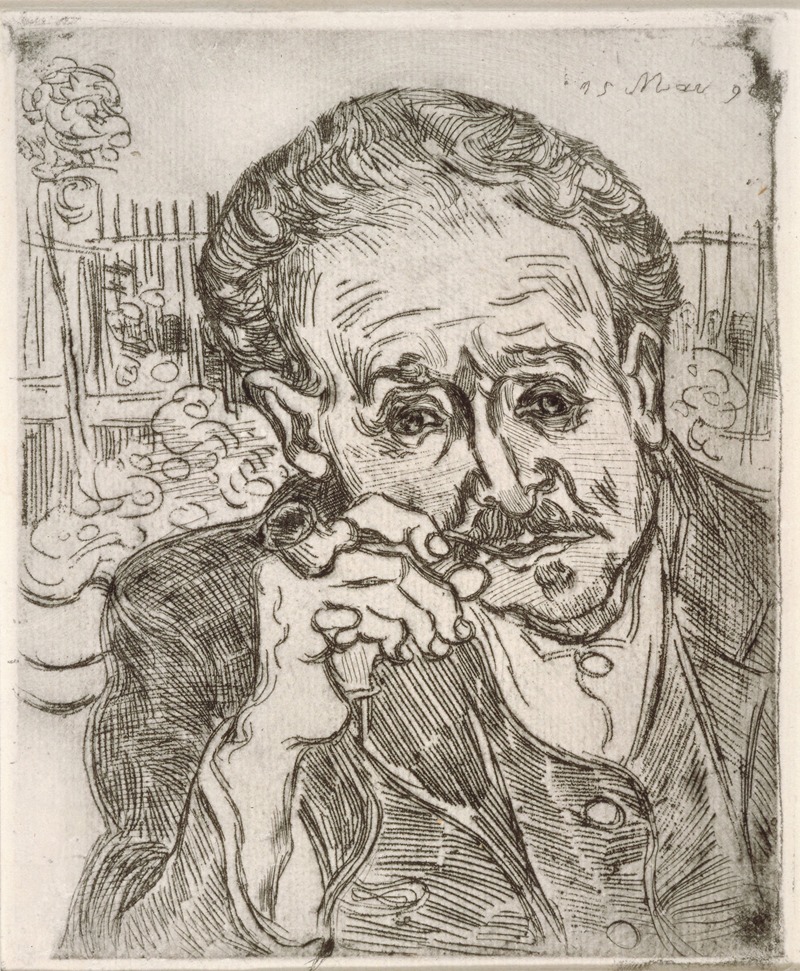
Portrait of Dr. Gachet (Auvers-sur-Oise)
Vincent van Gogh
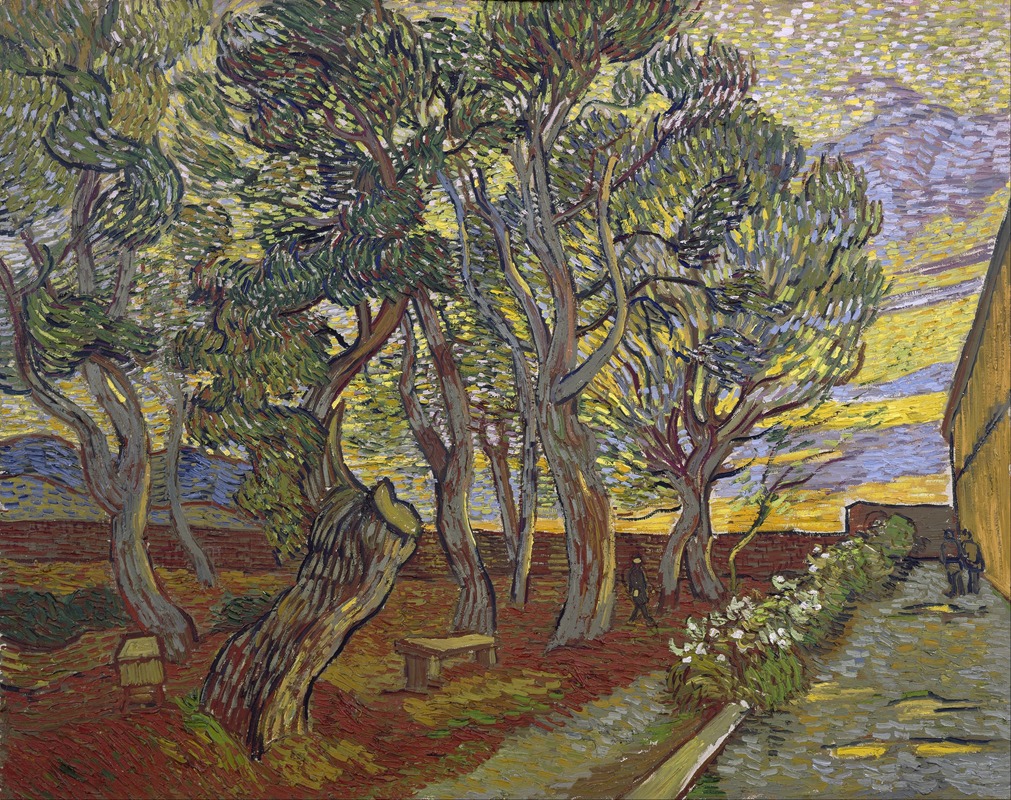
The garden of Saint Paul’s Hospital
Vincent van Gogh
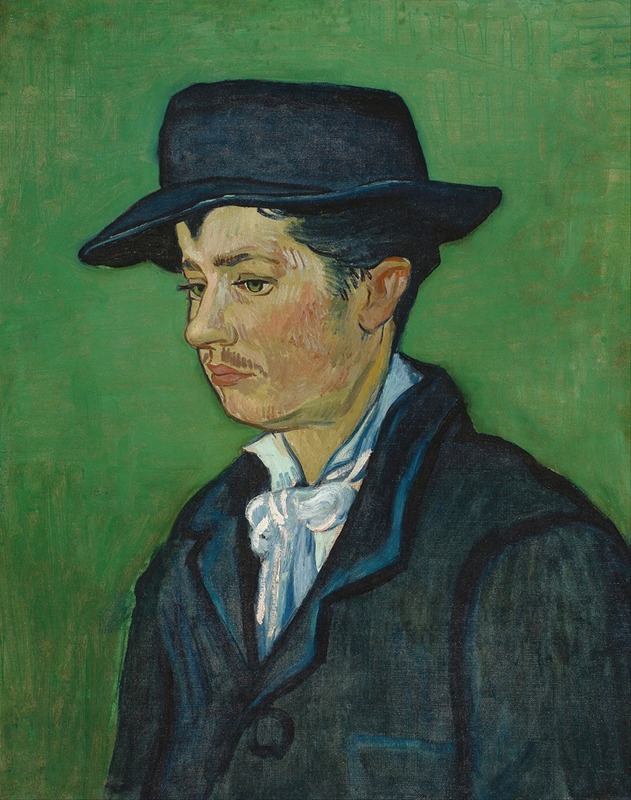
Portrait Of Armand Roulin
Vincent van Gogh
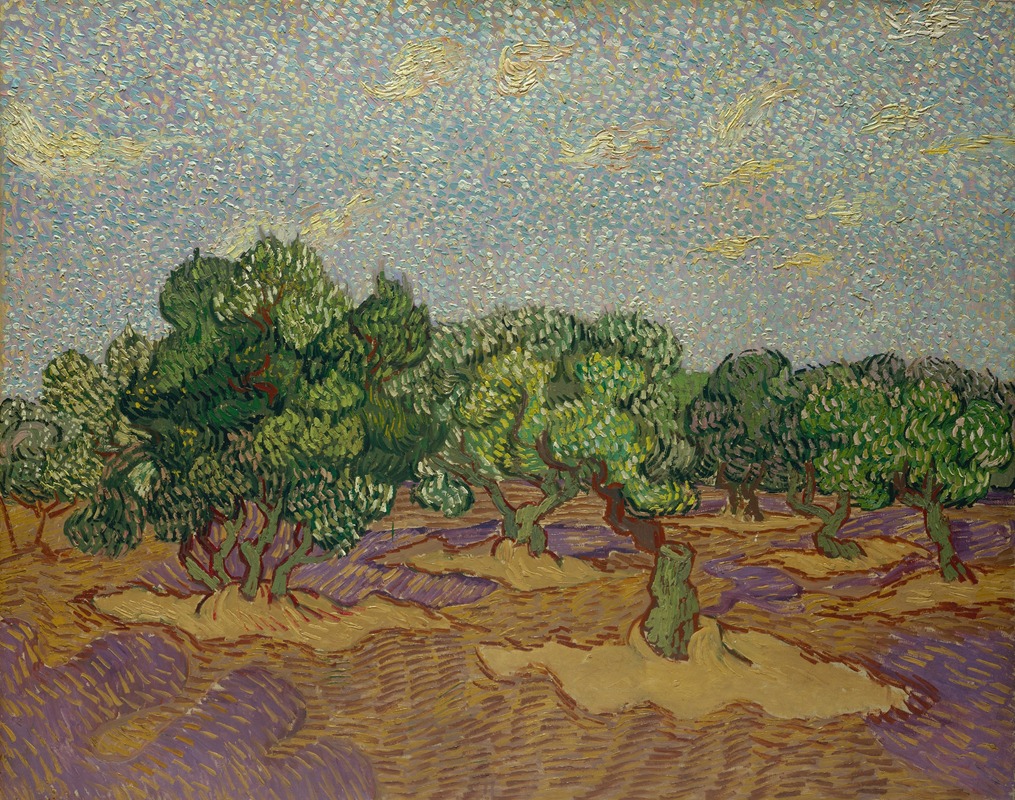
Olive Trees
Vincent van Gogh
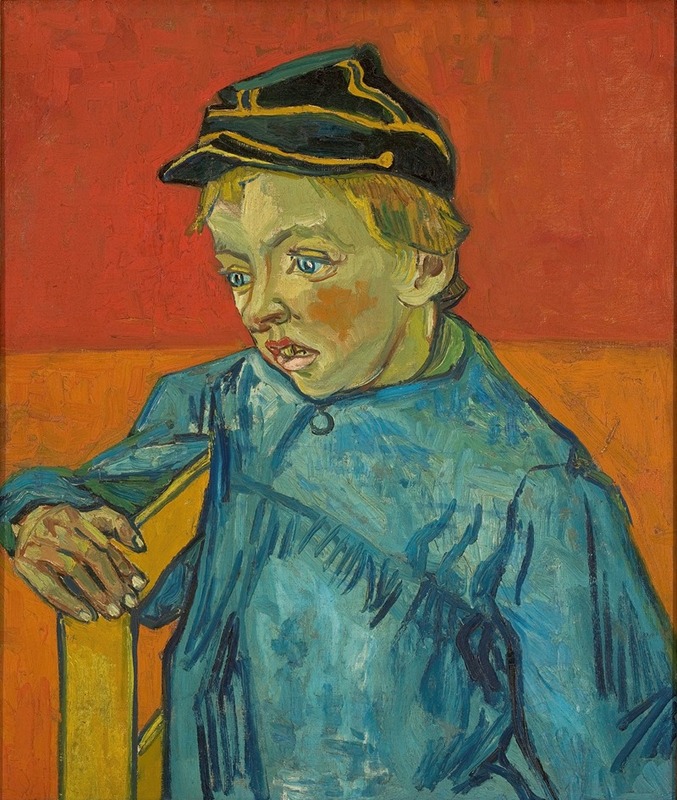
The Schoolboy (Camille Roulin)
Vincent van Gogh
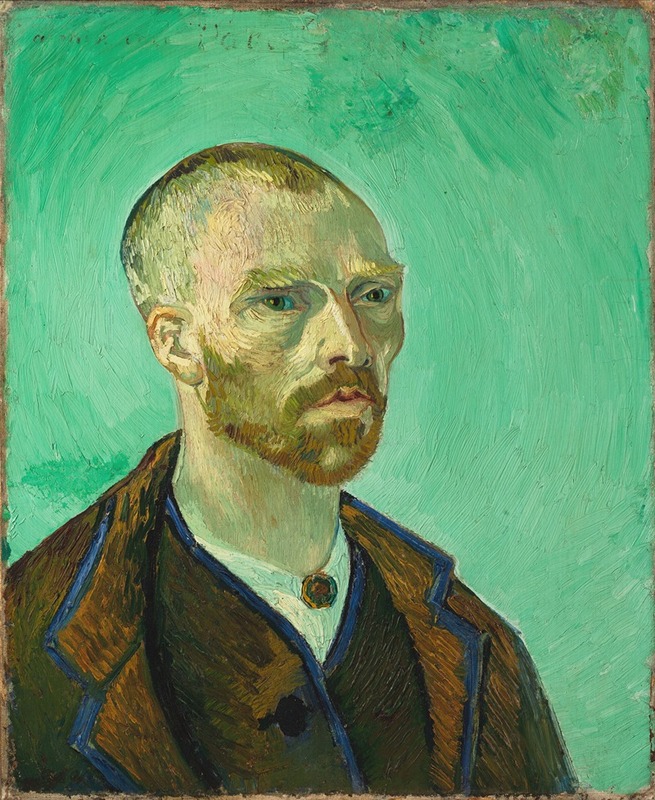
Self Portrait (dedicated to Paul Gauguin)
Vincent van Gogh
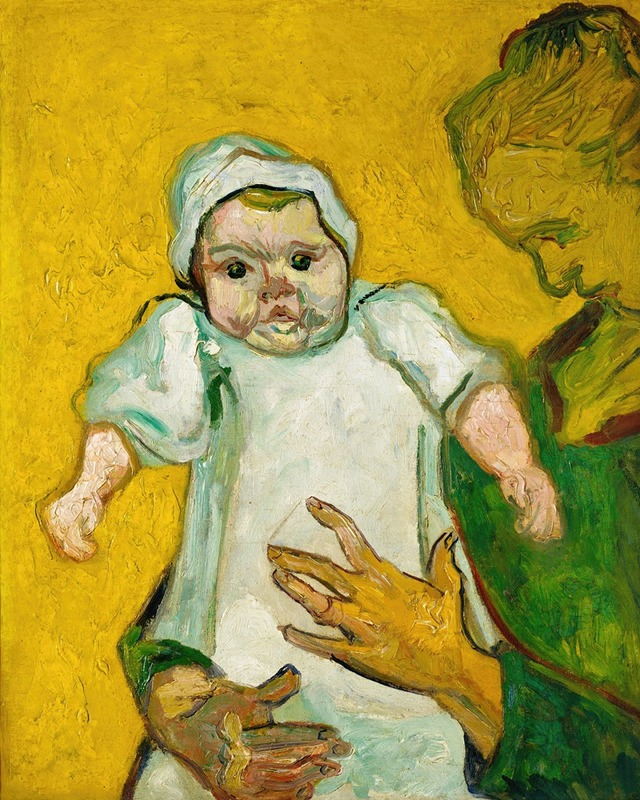
Madame Roulin and Her Baby
Vincent van Gogh
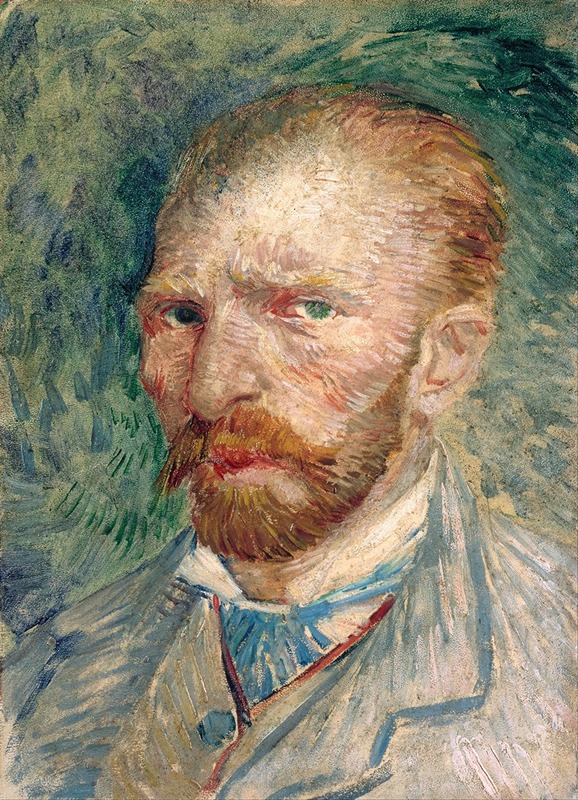
Self-Portrait
Vincent van Gogh