
Pont Neuf from the Quai de l’Ecole, Paris — History & Facts
In a world where each fleeting moment vanishes, how do we anchor our faith in the beauty of the everyday? Focus your gaze on the gentle arch of the Pont Neuf, dominating the left side of the canvas. Notice how the light dances upon its weathered stones, illuminating details that tell tales of countless passersby. The river flows beneath with a serene grace, its surface shimmering like a silver veil.
The soft blend of blues and earth tones creates an ethereal atmosphere, inviting contemplation while grounding the scene in reality. Yet, amidst the tranquil yet vibrant landscape lies a profound tension. The figures in the foreground, indistinct yet purposeful, seem to embody the pulse of life as they traverse the bridge. Each brushstroke carries the weight of unspoken stories, while the distant skyline hints at the ever-looming presence of change.
This moment captures a fragile balance between faith in the permanence of the stone and the ephemeral nature of human connection. In 1829, the artist found himself amidst the vibrant yet tumultuous art scene in London, where he was establishing his reputation as a landscape painter. The Romantic movement was flourishing, emphasizing emotion and the sublime beauty of nature. This period marked a shift in Cox’s approach, as he sought to portray not just landscapes but the human spirit intertwined with the environment, capturing both faith and fragility in a rapidly changing world.
More Artworks by David Cox
Browse all →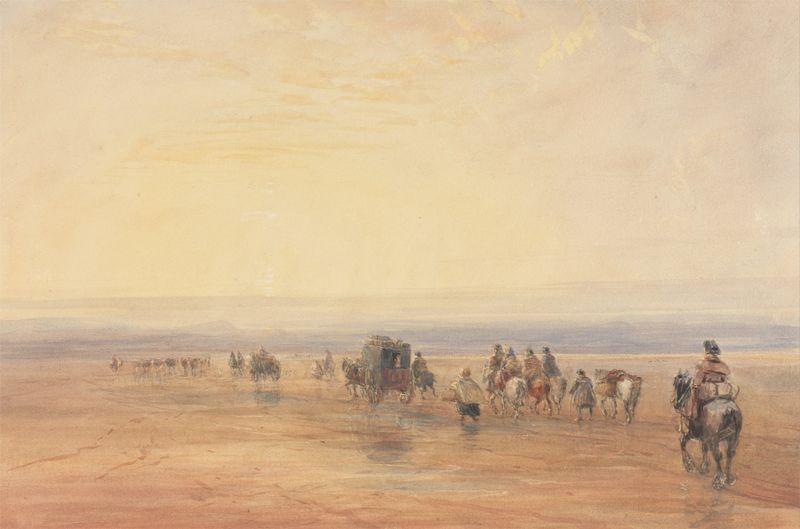
Crossing Lancaster Sands
David Cox
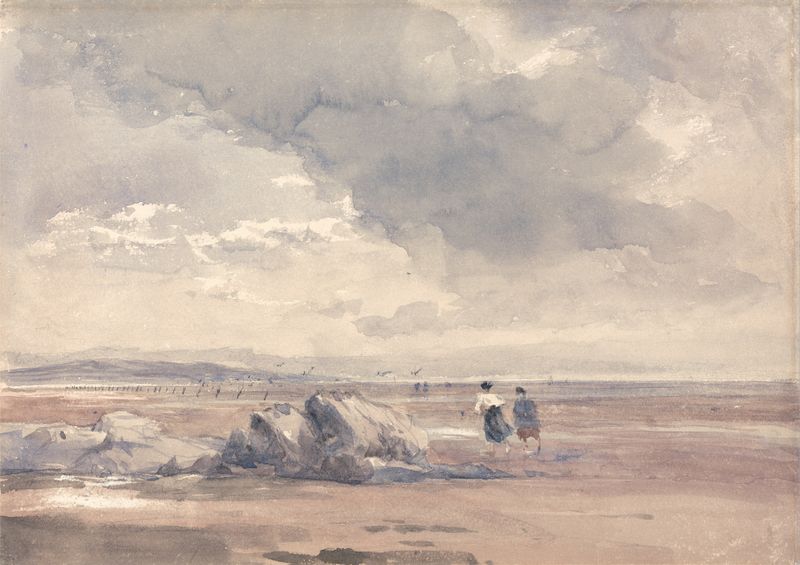
On Lancaster Sands, Low Tide
David Cox

Lincoln Cathedral from Brayford Pool
David Cox

View in Wales
David Cox
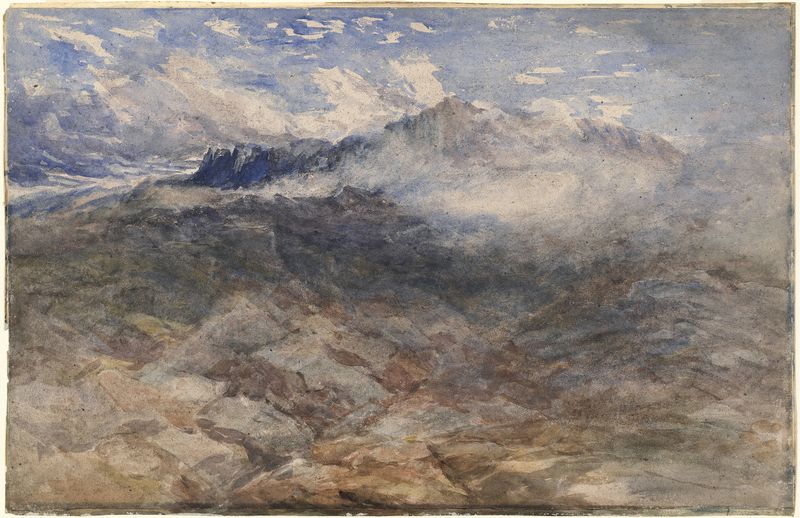
Mountain Heights, Cader Idris
David Cox

Bergen op Zoom
David Cox

Boating Before Lambeth Palace, London
David Cox
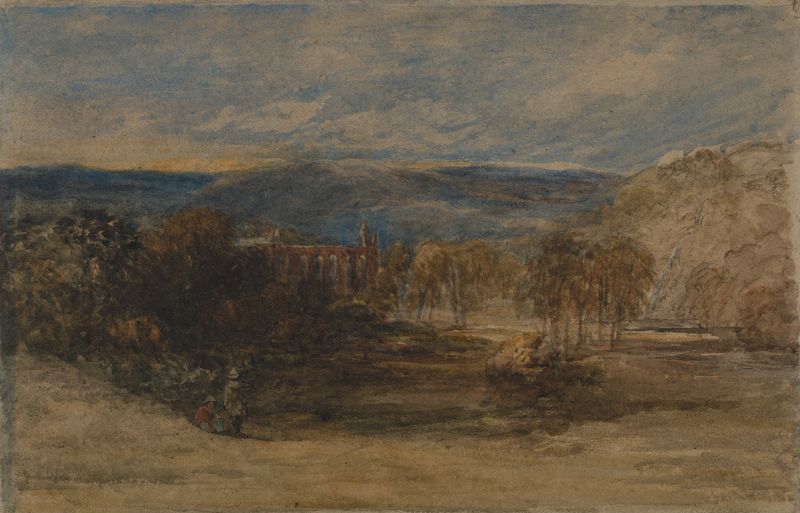
Bolton Abbey
David Cox

London Bridge
David Cox
Westminster from Lambeth
David Cox





