Ponte Lucano With The Tomb Of The Plautii — History & Analysis
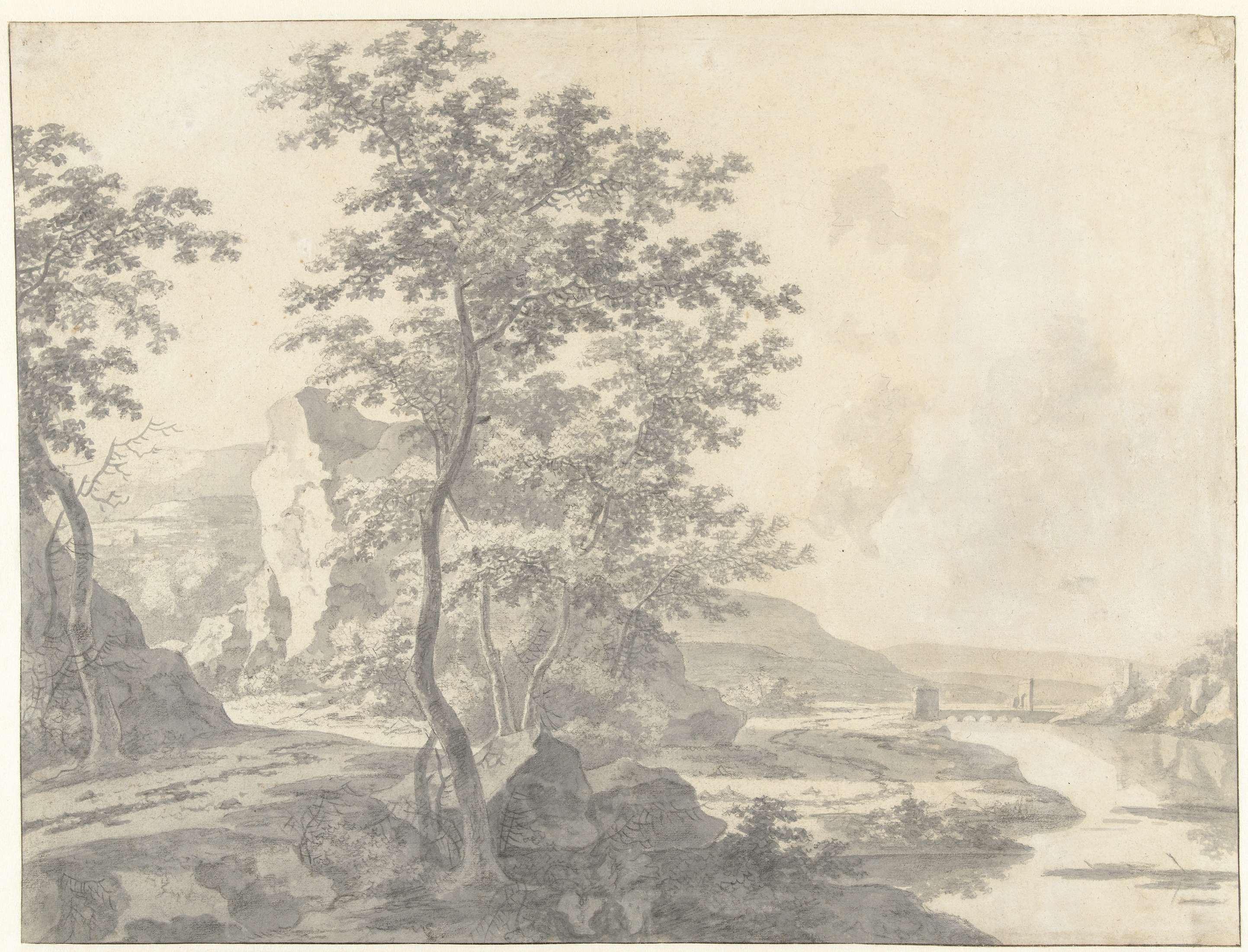
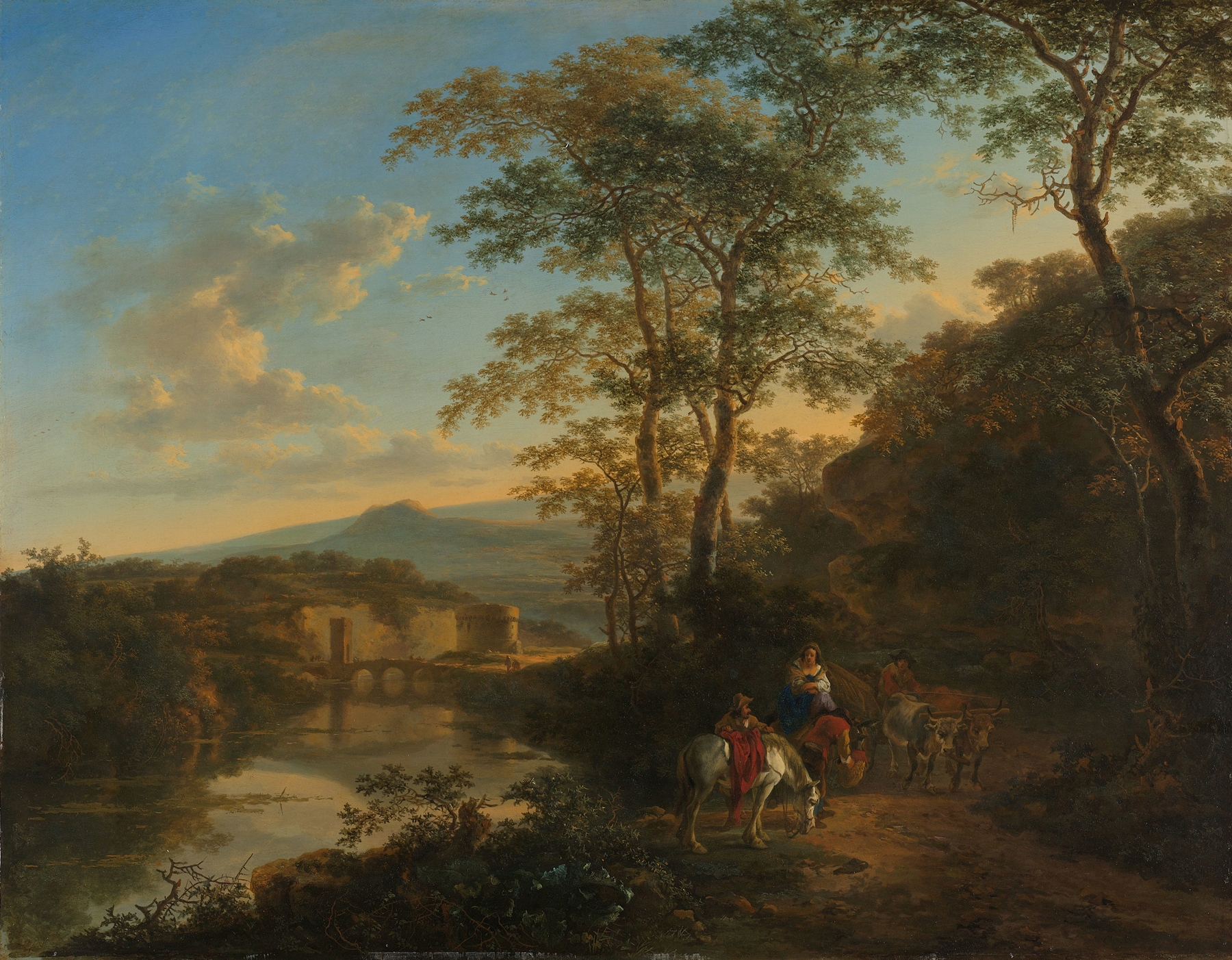
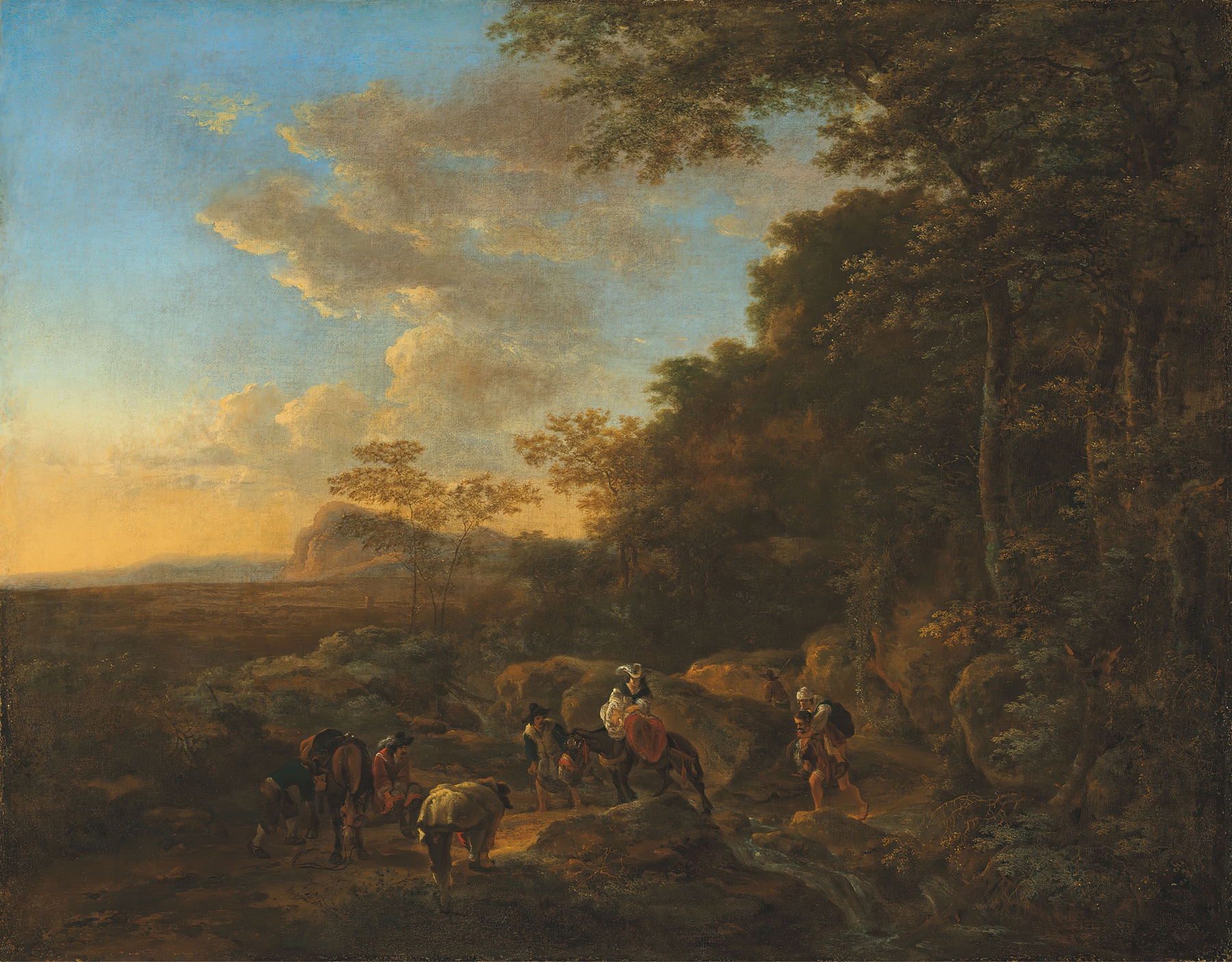
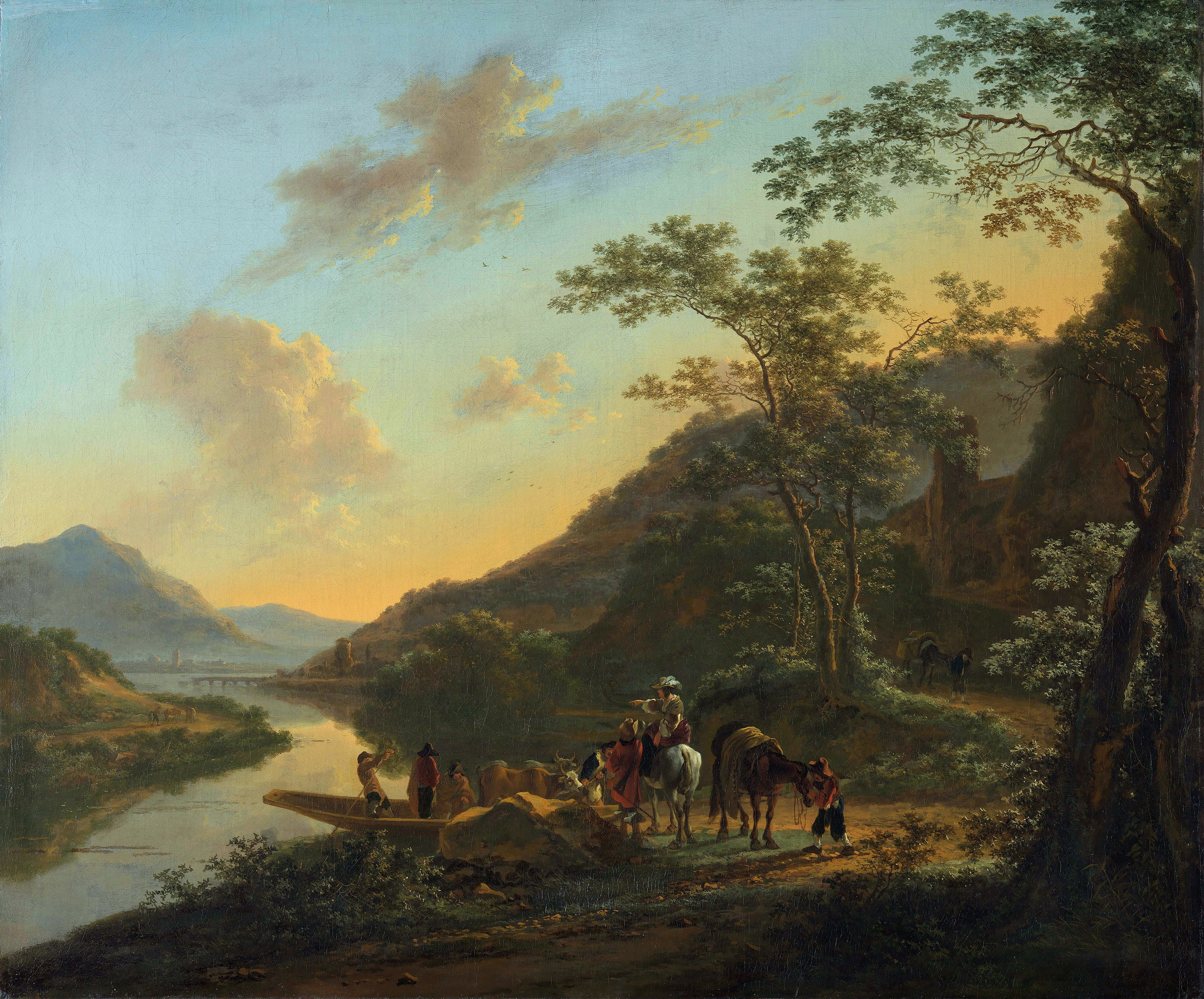
Art reveals the soul when the world turns away. In the chaos of life, every brushstroke becomes a whisper of resilience, a moment captured within the tumult of existence. Focus on the foreground, where the ancient tomb stands resolute against the landscape’s shifting hues. The warm earth tones intertwine with the cool, serene blues of the river, creating a striking contrast that draws the eye.
Notice how the light dances on the water's surface, illuminating the soft ripples and drawing attention to the tomb's weathered facade, hinting at stories untold. Each detail, from the delicate foliage to the robust stone, invites contemplation of nature’s enduring embrace. Beneath this tranquil surface lies an interplay of tensions; the permanence of the tomb against the ephemeral quality of the flowing water speaks to the duality of life and death. The chaotic brushwork in the foliage evokes a sense of urgency, reflecting nature's unpredictable spirit.
This juxtaposition suggests a deeper commentary on the passage of time, inviting viewers to ponder their own place within the continuum of history. Created during a period of artistic exploration, the piece reflects the evolving landscape of Baroque painting in the 17th century. Jan Both worked in Italy, inspired by the vivid color palettes and dramatic compositions of his contemporaries. This era, marked by shifts in both technique and subject matter, found Both navigating the delicate balance between realism and idealism, embodying the essence of a world caught between chaos and serenity.