
Poplars — History & Facts
What secret hides in the quiet of the canvas? In Poplars, a serene landscape breathes life into the viewer’s imagination, inviting reflection on the passage of time and the whispers of memory. Look to the center where the poplar trees rise, their slender trunks reaching toward the sky, revealing a vibrant interplay of greens and browns. Notice how the brushstrokes are both deliberate and free, creating a textured surface that captures the essence of nature. The dappled light filters through the trees, casting gentle shadows that dance across the ground, while the soft, muted hues evoke a sense of tranquility and nostalgia. Beneath this calm exterior lies an emotional tension, suggesting an interplay between permanence and change.
The trees stand as silent witnesses to fleeting moments, their steadfastness contrasting with the ephemeral nature of life itself. The viewer may sense a longing in the gentle curves of the landscape, as if the artist is reminiscing about simpler times and lost connections, inviting us to ponder our own histories. In the late 1870s, Cézanne was immersing himself in the Impressionist movement while seeking a personal style that would bridge realism and abstraction. He painted Poplars during a period of transformation in the art world, as critics began to embrace new perspectives on light and color.
Working in the south of France, he found inspiration in the natural beauty surrounding him, a theme that would define much of his later work.
More Artworks by Paul Cezanne
Browse all →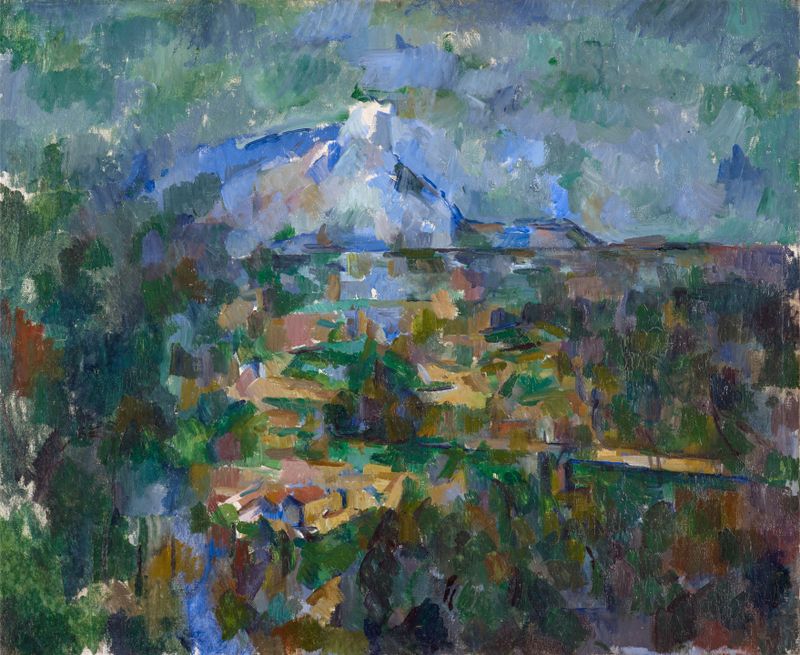
The Mont Sainte-Victoire Seen From Les Lauves
Paul Cezanne
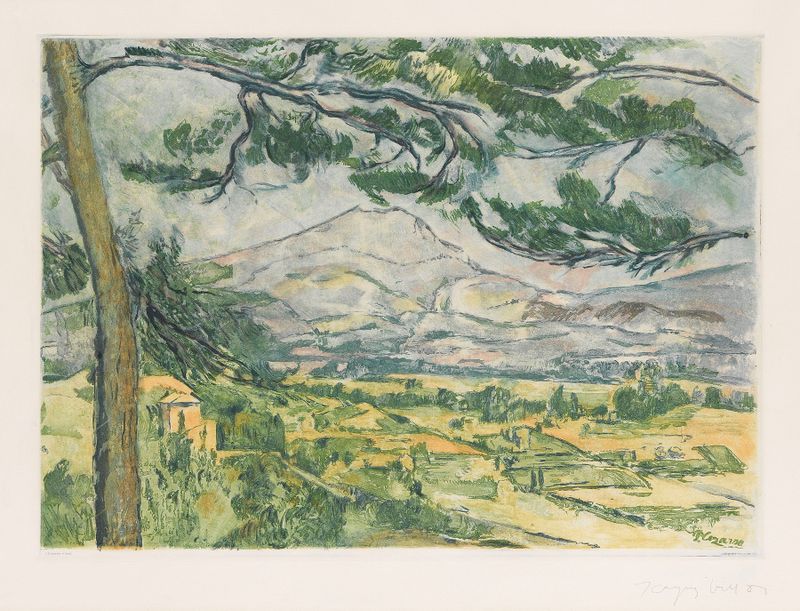
La Montagne Sainte-Victoire
Paul Cezanne
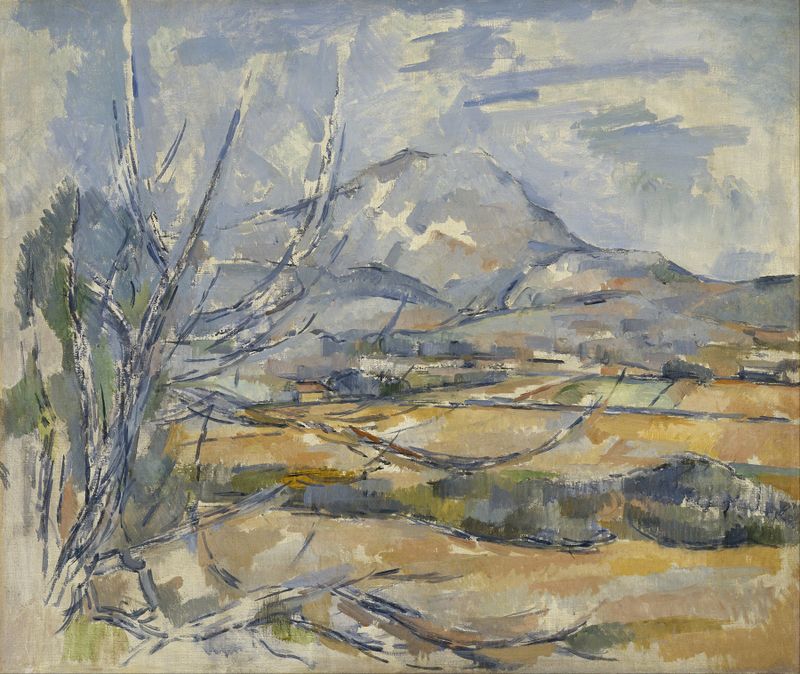
Montagne Sainte-Victoire
Paul Cezanne
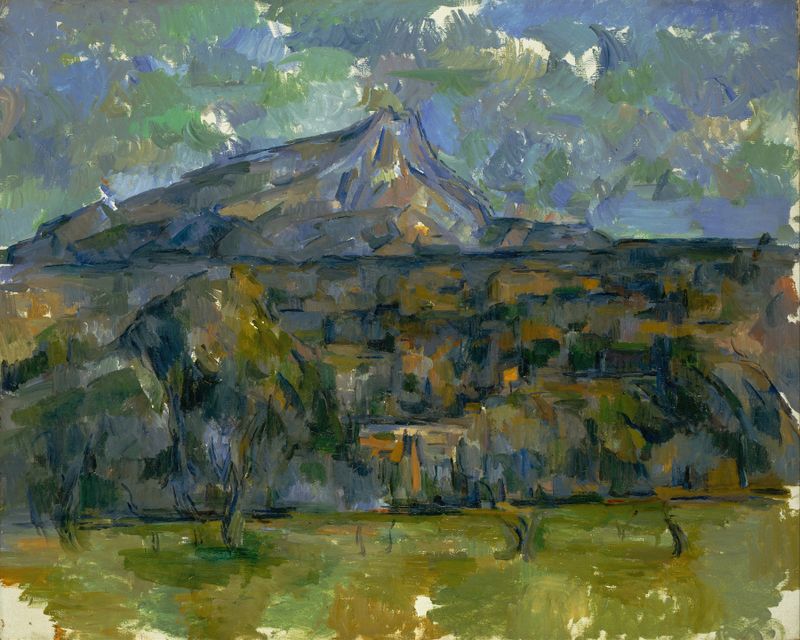
Mont Sainte-Victoire
Paul Cezanne
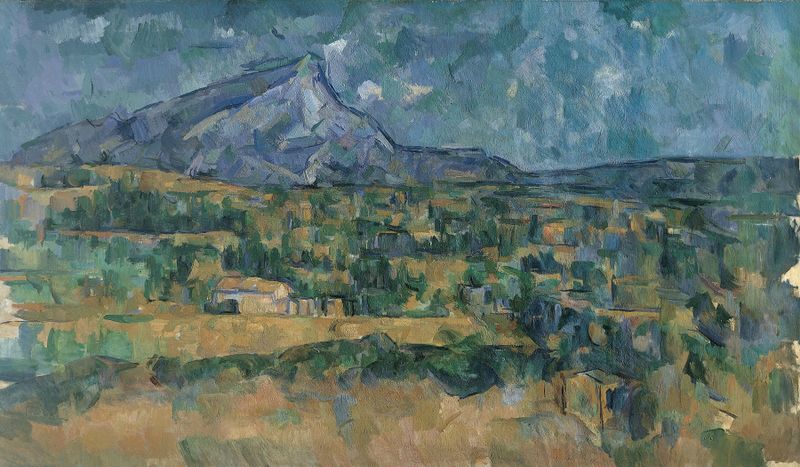
Mont Sainte-Victoire
Paul Cezanne
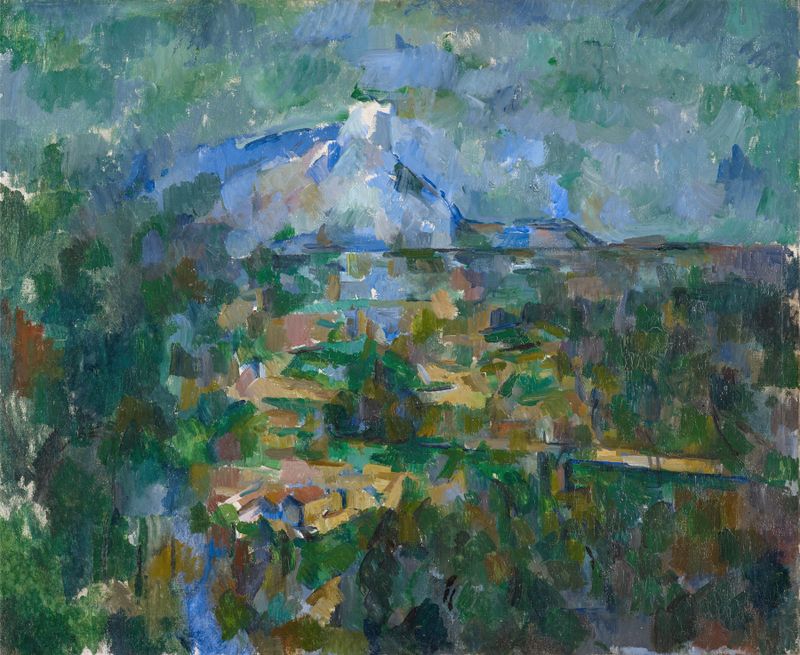
View of Mount Sainte-Victoire from Les Lauves
Paul Cezanne
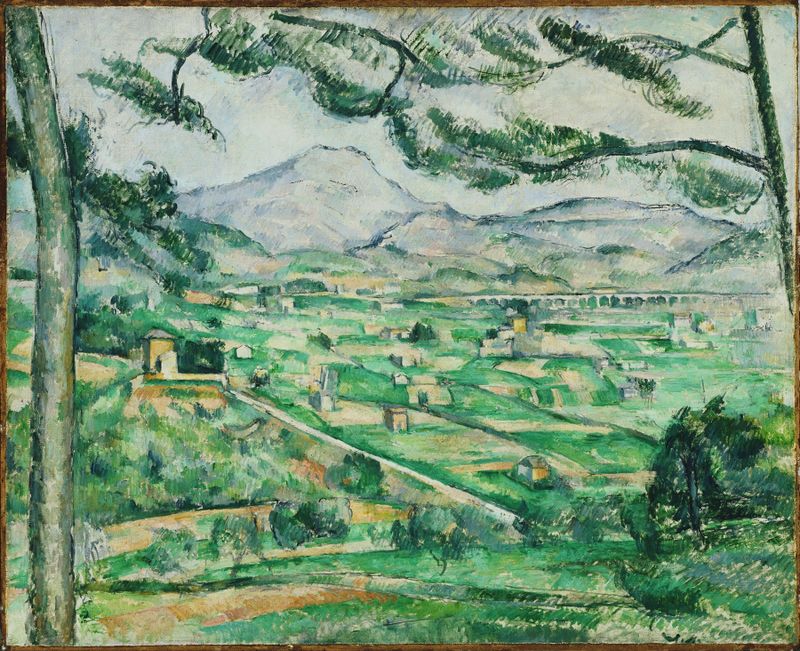
Mont Sainte-Victoire 2
Paul Cezanne

The Basket of Apples
Paul Cezanne

Mount Sainte-Victoire
Paul Cezanne
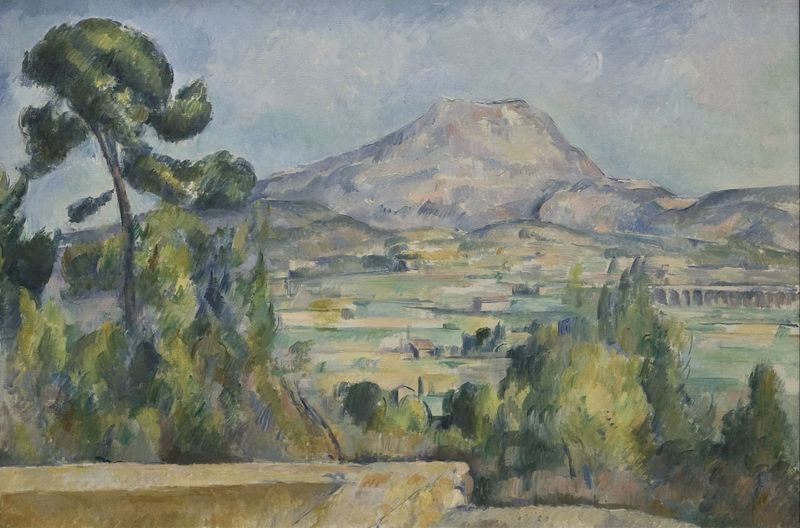
Montagne Saint-Victoire
Paul Cezanne





