
Portrait d’Ambroise Vollard — History & Facts
In Portrait d’Ambroise Vollard, Pierre Bonnard uses a rich palette of colors to depict the art dealer Ambroise Vollard. The background features warm tones that contrast with the cooler shades of Vollard's clothing. Bonnard's brushwork creates a sense of texture and depth, drawing the viewer's eye to the figure.
The overall composition is intimate, capturing the essence of the subject's personality. The painting is executed in oil on canvas, a medium that allows for vibrant color application and subtle blending. Bonnard's technique includes layering colors to achieve luminosity, a hallmark of his style. The dimensions of the artwork are approximately 65 x 81 cm, making it a relatively large portrait.
The brushstrokes are loose yet deliberate, contributing to the lively expression of the subject. Pierre Bonnard was a key figure in the Post-Impressionist movement, known for his innovative use of color and light. This portrait, painted in the early 1910s, reflects Bonnard's personal connection to his subject, as Vollard was not only a patron but also a friend. An interesting fact about this work is that it showcases Bonnard's transition towards a more expressive style, moving away from traditional portraiture.
Today, it is housed in the Musée d'Orsay, where it continues to engage viewers with its vibrant colors.
More Artworks by Pierre Bonnard

Place Pigalle at Night
Pierre Bonnard
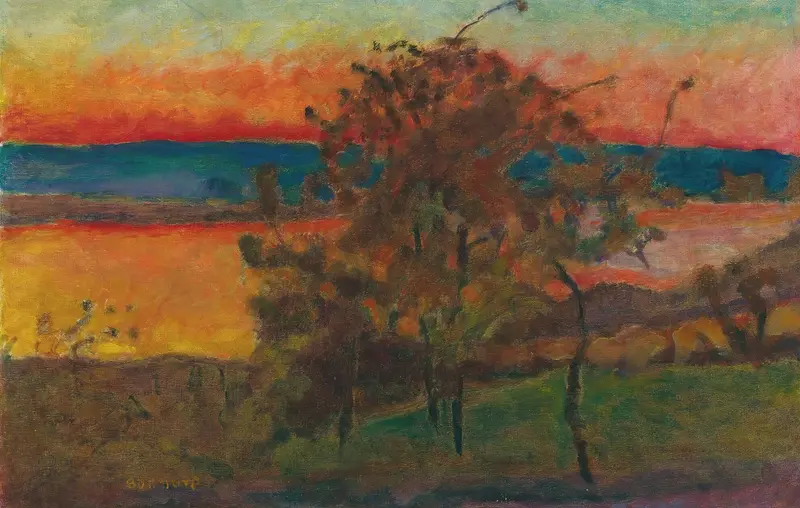
Soleil Couchant
Pierre Bonnard

Village, ciel d’orage
Pierre Bonnard

La Terrasse ou Une terrasse à Grasse
Pierre Bonnard
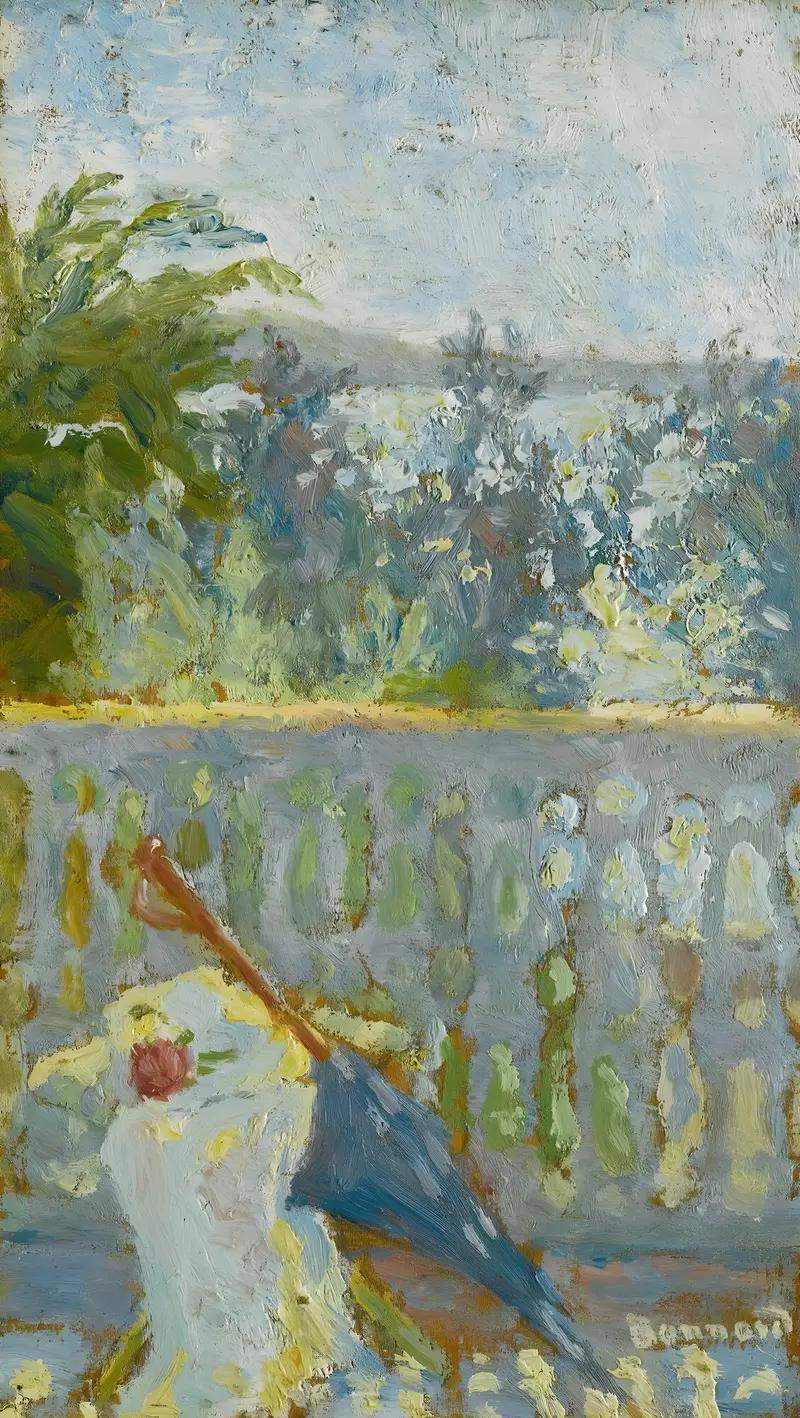
Le Balcon Et L’ombrelle
Pierre Bonnard
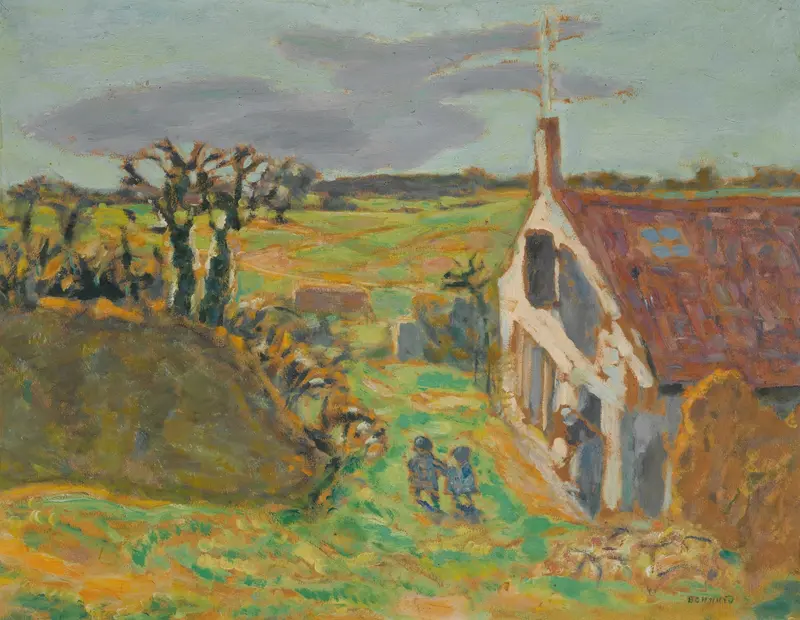
Les Deux Enfants, Vernouillet
Pierre Bonnard
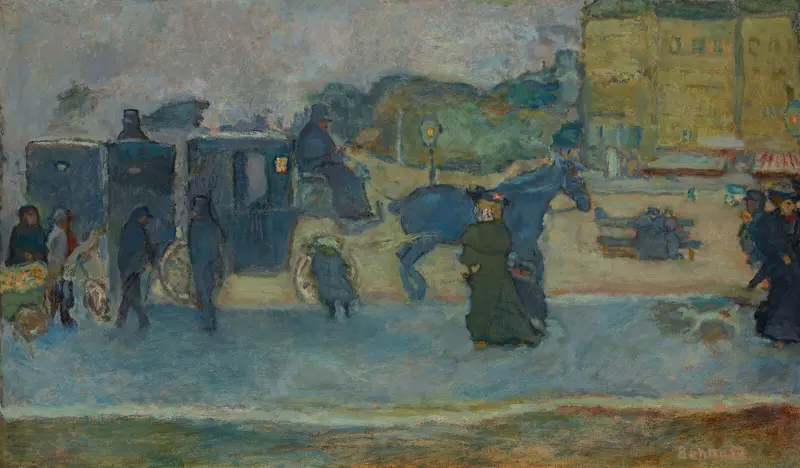
Les deux fiacres (Boulevard des Batignolles)
Pierre Bonnard
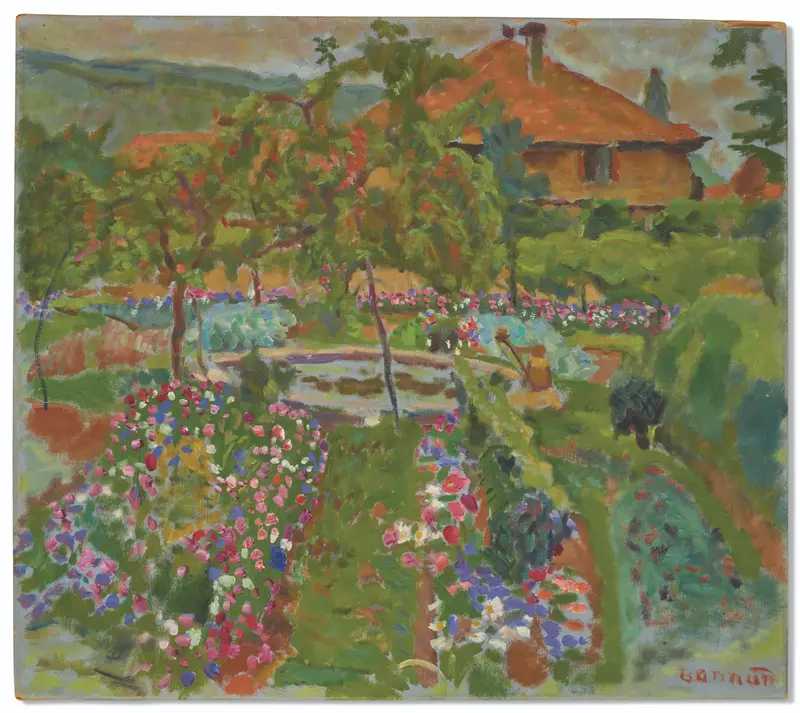
Les Fleurs du potager (Le Grand-Lemps)
Pierre Bonnard

Paysage de Saint-Tropez
Pierre Bonnard
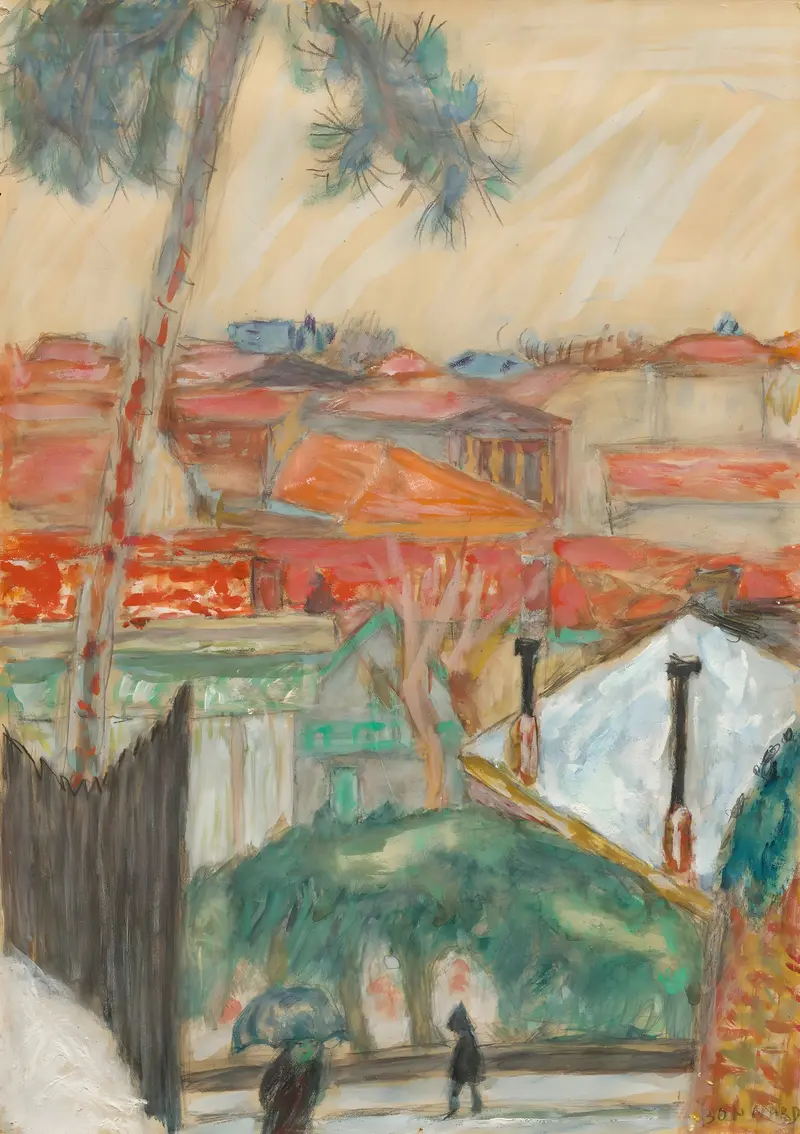
Les Toits
Pierre Bonnard





