
Portrait d'homme — History & Facts
When Théodore Géricault painted Portrait d'homme in 1825, he was in the final years of a life marked by both acclaim and turbulence. What makes this work especially compelling is that it belongs to a series of portraits Géricault created of the mentally ill, commissioned by psychiatrist Étienne-Jean Georget. These portraits were not intended for public display but as scientific documents—an unusual and even radical fusion of art and medicine in early nineteenth-century France.
The identity of the sitter remains unknown, adding an enduring layer of mystery to the painting’s legacy. The man in the portrait meets our gaze with a mixture of vulnerability and defiance. His unkempt hair, reddened eyes, and slightly parted lips suggest agitation or distress, while his clothing is plain and unadorned, emphasizing his humanity over any social status. Géricault’s brushwork is direct and unsparing, using light to model the sitter’s face with almost clinical precision.
Unlike the idealized figures of Ingres or the heroic madmen of Delacroix, Géricault’s subject is rendered with a raw, unsentimental empathy, inviting the viewer to confront the reality of mental suffering without judgment or embellishment. Little is known about the painting’s early history, and the specific medium remains uncertain, though oil on canvas is most likely. Portrait d'homme marks a significant departure from Géricault’s earlier, grander works such as The Raft of the Medusa, showcasing his interest in psychological depth and individual experience. The series was dispersed after Géricault’s death in 1824, and several of these portraits—including this one—have entered museum collections only in the twentieth century.
Today, Portrait d'homme stands as a testament to Géricault’s compassion and his pioneering engagement with the human mind, bridging the worlds of art, science, and social awareness.
More Artworks by Théodore Géricault
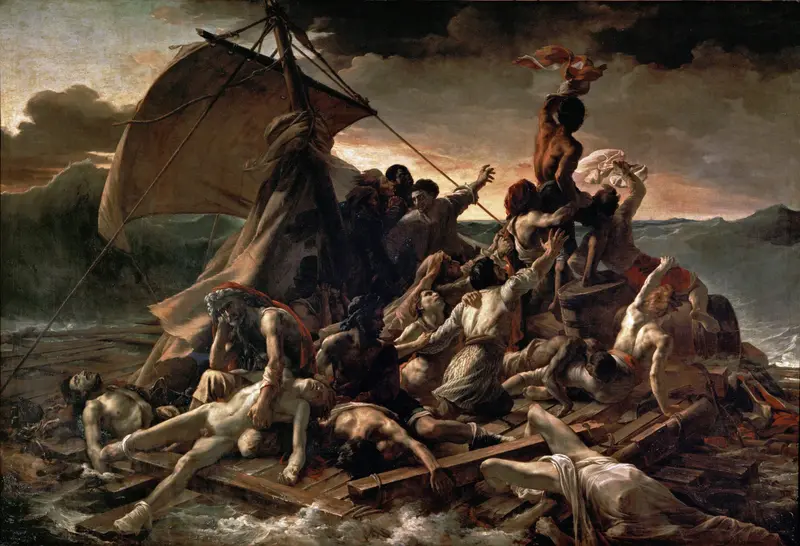
The Raft of the Medusa
Théodore Géricault

Géricault - Le naufrage du radeau de la Méduse, MBA 790
Théodore Géricault
Cattle Market
Théodore Géricault
Evening; Landscape with an Aqueduct
Théodore Géricault
Horse Race
Théodore Géricault

Horses Standing in a Mews
Théodore Géricault
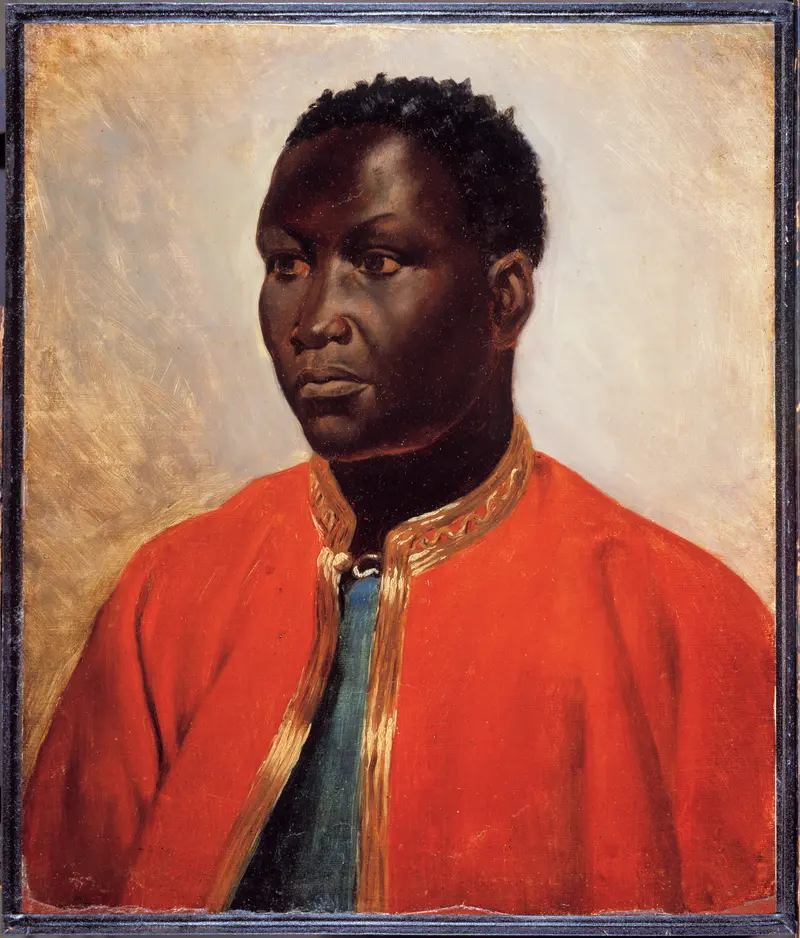
Portrait of a Negro
Théodore Géricault
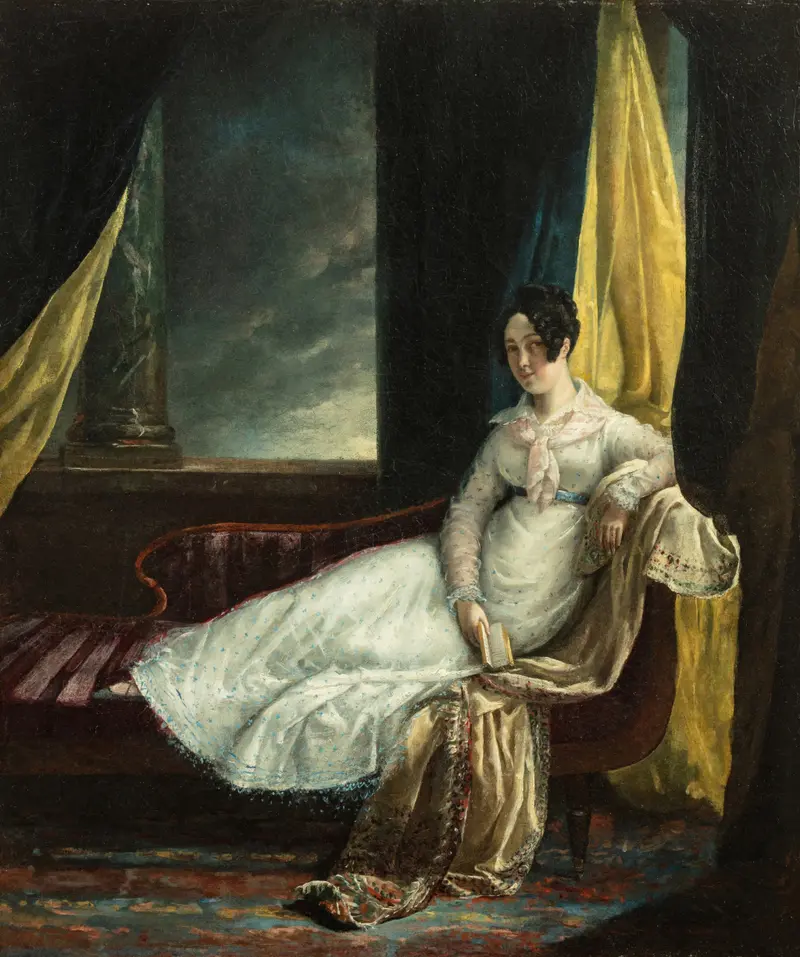
Portrait of Zoë Elmore
Théodore Géricault
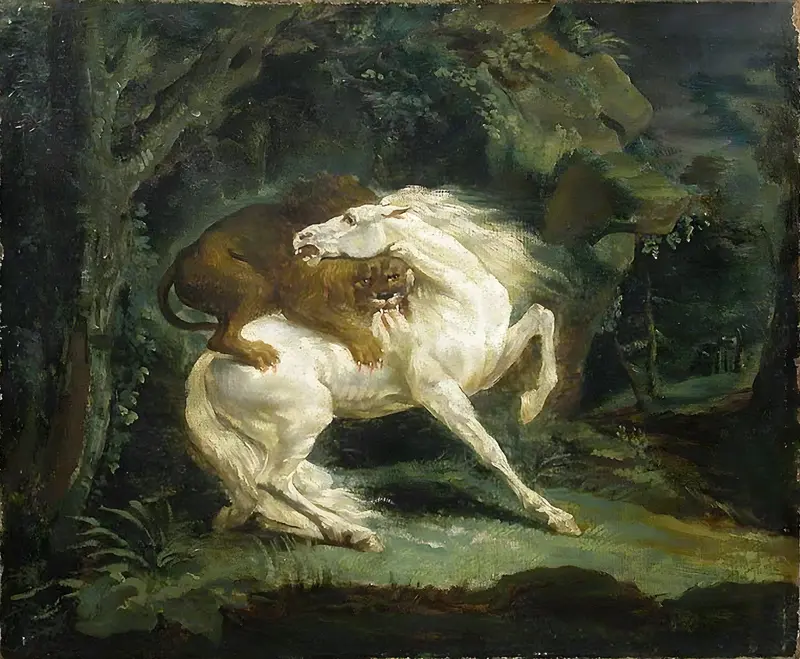
Cheval attaqué par un lion
Théodore Géricault
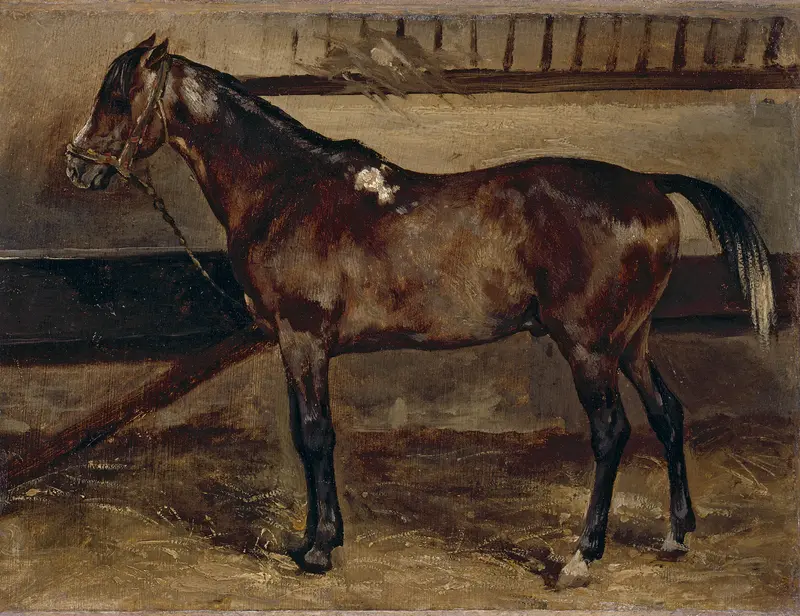
Cheval brun à l'écurie
Théodore Géricault





